A local installer who puts in air conditioners gets your project.
R-22 stopped being made in 2020. If your air conditioner runs on it, a low charge now means paying for whatever reclaimed refrigerant a contractor can still find, and the price of that has climbed every year since.
That's the math that makes people in Georgia start asking about a new system instead of another recharge. Summers here are long and muggy, and an R-22 unit that's low on charge will run worse and worse until it's replaced anyway. The question is usually just when, not if.
A new air conditioner doesn't use R-22 at all, so that problem goes away for good. But picking the right system for a Georgia summer, and for a house that most likely heats with electricity, isn't something to get wrong. Sizing matters, and so does matching the new unit to whatever ductwork and wiring are already in place.
That's where a local contractor earns their keep. Someone who installs these systems every season in this climate has seen which units hold up against the humidity and which ones struggle, and knows what an older Georgia home typically needs to make the switch without surprises.
When you put in a request here, it goes to one licensed contractor local to your area, not a handful of companies competing for your callback. That contractor will reach out to you directly to talk through your situation, your house, and what replacing an R-22 system actually involves for you. No pitch, no list of strangers calling. Just the next step, with someone who already knows this equipment and this climate.
From there, the details are between you and them. But the part you can control right now, getting matched with someone who knows what they're doing with Georgia summers and aging R-22 units, starts with the button below.
Can I still get R-22 for my AC in Georgia?
You've got an older AC unit and you've heard R-22 isn't made anymore. Before you decide anything about repairing it, you want to know if a contractor can even get the refrigerant if your system needs a recharge this summer.
Only from what's already been recovered and reclaimed, not new supply
Some R-22 is still around, pulled from old systems being decommissioned and cleaned up for reuse. A licensed contractor can source it, but there's no factory making more, so the supply only shrinks. If your system runs low on R-22, that almost always means a leak somewhere in the coil or line set, not a one-time top-off. A contractor can patch the leak and recharge it, but you're paying for an increasingly scarce refrigerant to keep a system running through another Georgia summer. For a lot of homeowners here, that's the point where replacing the unit with one that runs on current refrigerant starts to make more sense than chasing the same leak twice.
Why a leak costs more now
A low charge almost always means a leak somewhere in the coil or the line set. Topping off R-22 without fixing the leak just buys you a few months before it runs low again. Every time a contractor recharges it, that's more reclaimed refrigerant bought at whatever price it's going for that year. A system that needs two or three recharges a summer gets expensive fast, even before you count the labor.
What a new system runs on
Air conditioners made now run on R-410A or one of the newer refrigerants, none of which have the supply problem R-22 has. A new outdoor unit matched to a new coil is sized and charged for your home when it's installed, so you're not relying on a supply of anything that stopped being made. Georgia summers push a system hard for months at a stretch, and a correctly matched, fully charged system is what holds up through that.
Recharge the R-22 or Replace the System
Recharge and Keep Going
You pay for reclaimed R-22 at whatever price a contractor can source it this year, and that price has gone up every year since 2020.
If the leak isn't found and fixed, the new charge runs low again, sometimes within a season, sometimes sooner.
A contractor has to track down refrigerant from existing stock since no new R-22 is being produced, which can slow down a simple recharge.
Georgia summers run long and muggy, so a system that loses its charge mid-July leaves you without cooling during the months you need it most.
This buys time if the rest of the unit, the compressor, the coil, is still in good shape and the leak turns out to be small.
Every recharge is still money spent on a refrigerant that keeps getting harder to find, with no guarantee the next one costs the same.
Replace With a New System
New systems run on R-410A or newer refrigerants, so you're no longer tied to a refrigerant that isn't being made anymore.
You stop paying rising reclaimed-refrigerant prices every time the old unit develops a leak.
A new system comes with a warranty on the parts, which an old R-22 unit nearing the end of its life typically doesn't have anymore.
Since most homes in Georgia heat with electricity, a new system often ties into the same electrical setup already in place for heating.
Installation means dealing with the cost upfront, but it also means you're not gambling on how many more leaks the old coil or line set has left in it.
A local contractor who installs these year-round can tell you what size and setup fits your home instead of guessing from a catalog.
A system still running on what it has
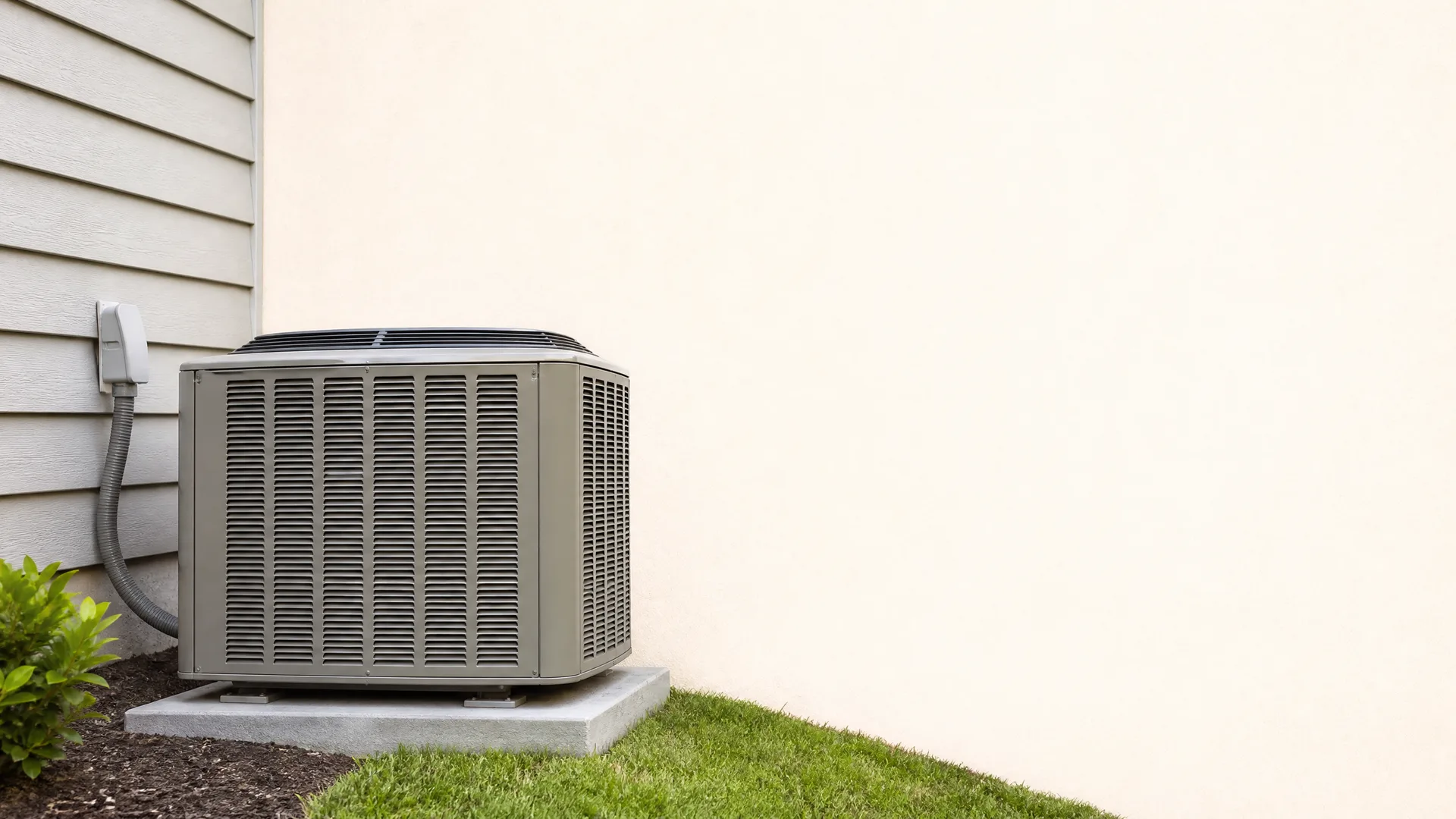
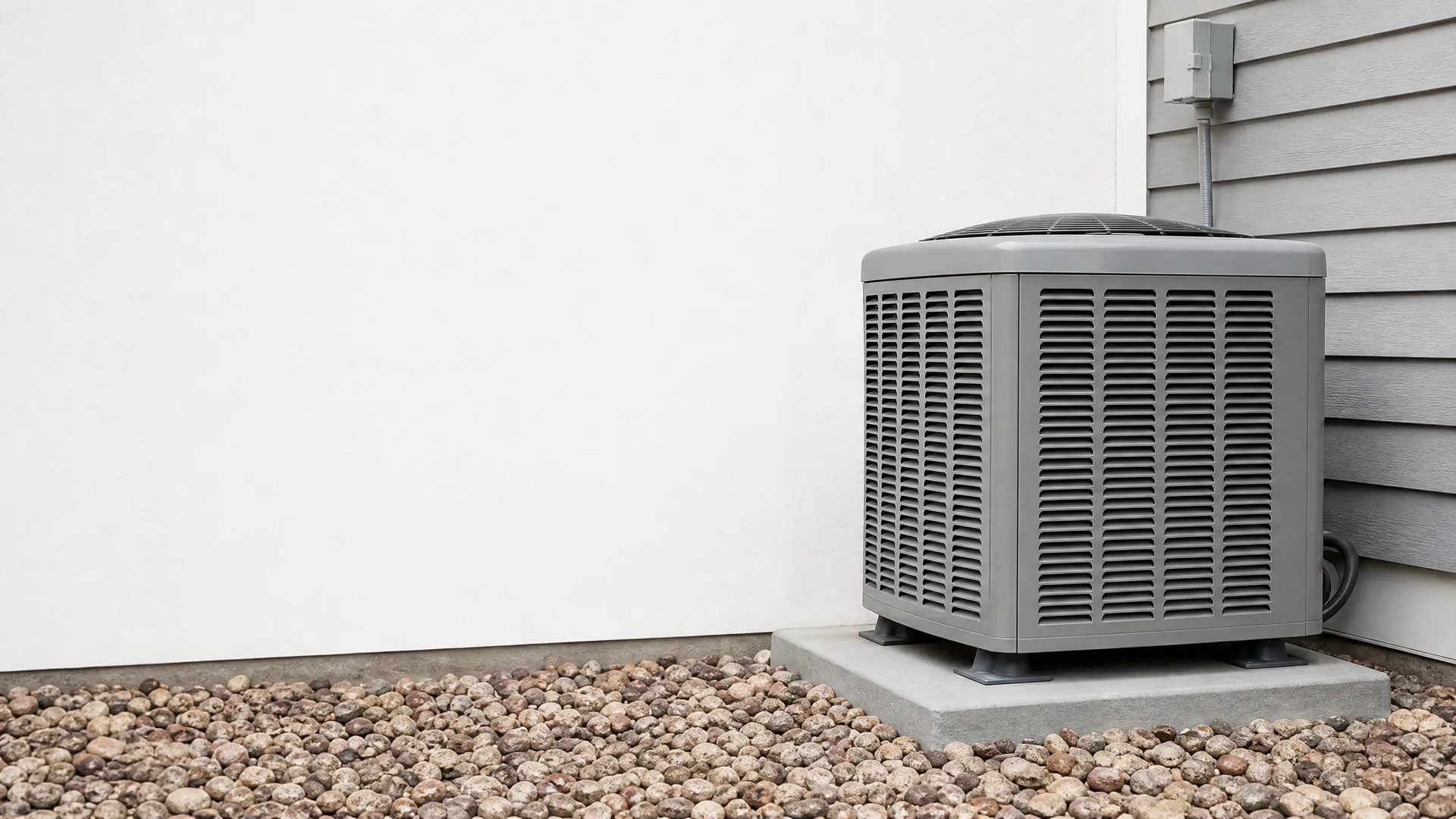
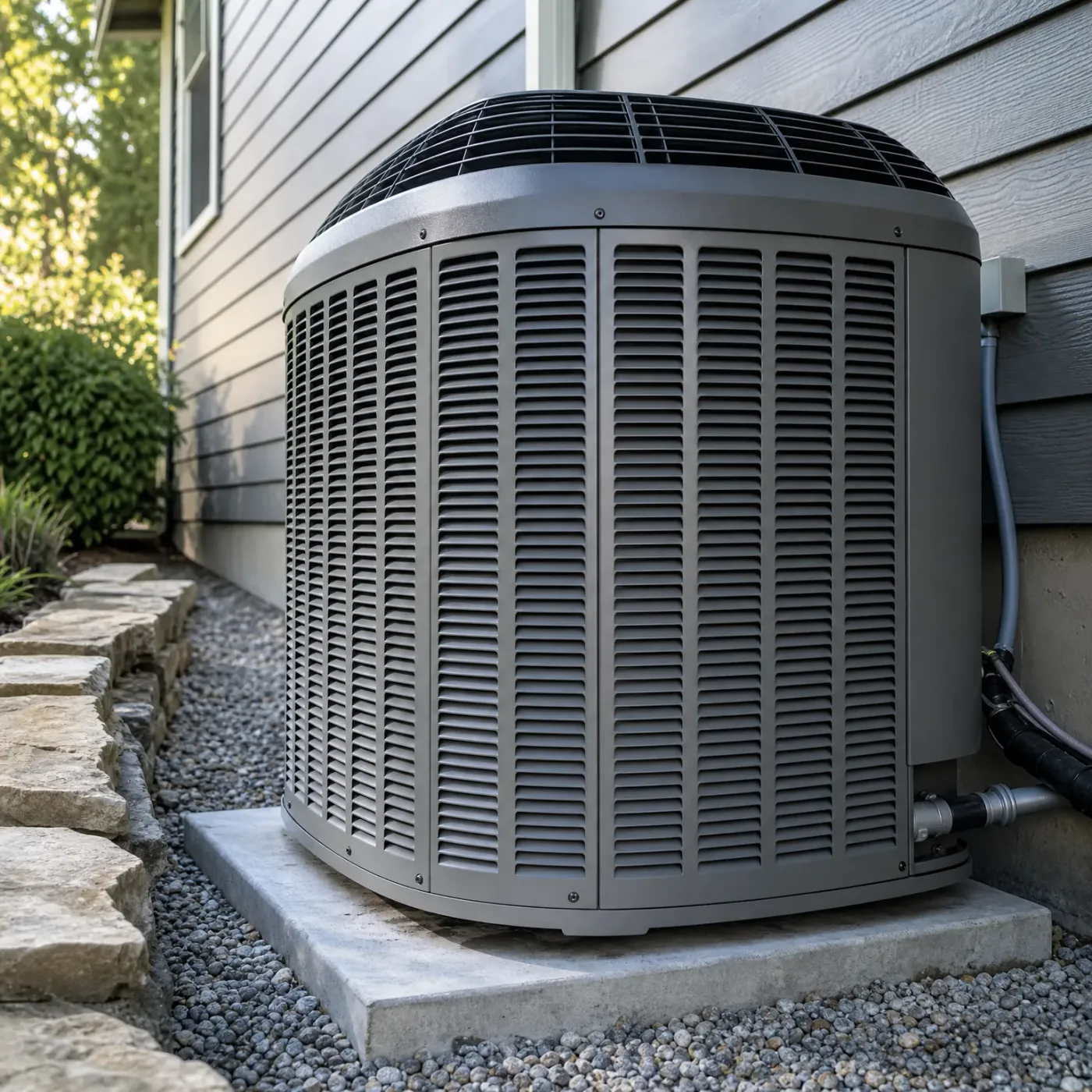
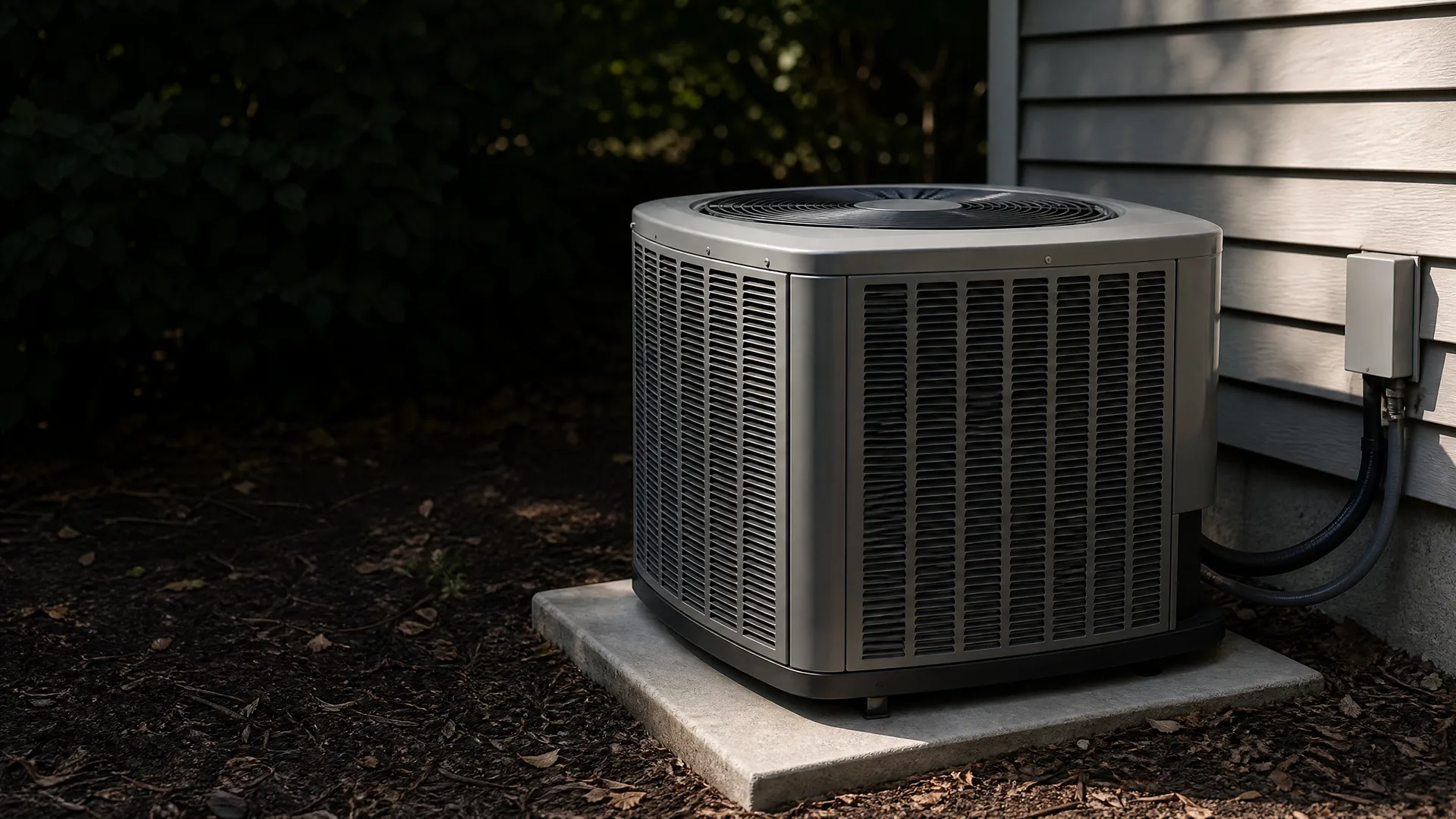
This condenser still holds its charge. The line set runs clean up the wall to the disconnect, and nothing around the unit suggests trouble. If yours looks like this, a recharge is still possible, it's just a question of what reclaimed R-22 costs this year.
A system telling you something
Dirt packed into the grille and leaves piled against the base don't cause a leak, but they're a sign nobody's serviced this unit in a while. An old R-22 system that's been ignored is a more likely candidate for the coil or line set giving out.
What does your AC sound and feel like right now
Go stand by the condenser. If it's running long stretches without the house ever feeling quite cool enough, that's a sign the charge is low. A hissing or bubbling sound near the lines points to the same thing. Ice on the copper line, even on a hot Georgia afternoon, means refrigerant has dropped low enough that the coil is freezing instead of cooling. Inside, you might notice the air from the vents feels warmer than it used to, or the system runs most of the day trying to keep up. None of this fixes itself. Left alone through another muggy summer, the compressor is what eventually pays for it, and that's a far bigger repair than the leak that started it.
An air conditioner pro near you
One installer gets your project, so there's no bidding war over it.
Get in touch with a local installer about a new air conditioner.
Asking costs nothing, and the choice to hire stays yours.
A unit like this is holding its charge, running the way it was installed to run, with no sign of a leak at the pad or the line set.
A unit like this is losing ground, and every season you wait, the R-22 to recharge it costs more than it did last year.
A contractor doesn't top off your system by feel. Gauges go on the service valves, and the reading tells them exactly how much charge is missing against what the manufacturer specified when the unit was built. That number is fixed. It's not adjusted up or down for a hot Georgia summer, so the goal is always to replace what leaked out, nothing more. Finding where it leaked matters just as much as the recharge itself. Dye or an electronic detector traces the actual crack or loose fitting, usually somewhere in the coil or along the line set running up the wall. Skip that step and the new charge just leaks out again. If you end up replacing the condenser instead, the coil has to be considered too. Different refrigerants don't mix well in the same line set, and a contractor has to check for that before charging anything new. A newer R-410A or R-454B system sidesteps the reclaimed R-22 problem entirely, since that refrigerant is still being made. The real risk in waiting is the compressor. Run it low on charge too many times and it fails for good, which is usually what turns a repair into a replacement.
How a recharge actually works
A technician checks for a low charge by hooking up gauges at the service valves, not by guessing from how the house feels.
R-22 systems hold a fixed charge set by the manufacturer, so a recharge means replacing exactly what leaked out, no more.
Dye or an electronic leak detector finds the actual crack or fitting that's letting refrigerant out, usually in the coil or along the line set.
A new R-410A or R-454B system runs on refrigerant that's still made new, so a recharge years from now won't depend on reclaimed supply.
Replacing a condenser without replacing the coil can leave mismatched refrigerant types in the same line set, which a contractor has to account for before charging the new system.
The compressor is what fails for good once a system runs low on charge too many times, and that's the part that makes the whole unit worth replacing rather than fixing again.
Running clean
This condenser sits on a solid pad, lines wrapped and tight up to the disconnect. No rust on the cabinet, no oil stains at the fittings, nothing scattered around the base. A unit kept this clear of leaves and debris is one a contractor can service without surprises.
Showing its age
Leaves piled against the cabinet, grime built up on the fins, lines running along a wall that's seen a few winters. None of that proves a leak by itself, but a unit left to collect this much dirt has likely gone a while without anyone checking the charge or the coil underneath it.
Power costs 14.74 cents per kilowatt-hour statewide
At 14.74 cents per kilowatt-hour, every extra hour your condenser runs on a low charge shows up on the bill. A unit short on R-22 works harder and longer to cool the same house, and in a Georgia summer that's a lot of hours.
EIA-861 2025 statewide residential average
You patch the leak and recharge with R-22, and the system runs again, but you're still on a refrigerant nobody makes anymore, so the next leak puts you right back here.
You replace the system now and move to R-410A, and the refrigerant question is gone for good, because that's what every new unit runs on.
Before you get your air conditioner installationAfter you get your air conditioner installation
A low charge on an R-22 system doesn't just sit there quietly. Averaged across Georgia, summer dew points run 68°F, heavy enough that your skin feels it the second you step outside, according to National Weather Service data. Air that thick makes your condenser pull harder to wring moisture out before it can cool the house. A unit already short on refrigerant has to run longer stretches to get anywhere near comfortable, and at a dew point like this, "longer" can mean most of the afternoon. That's more hours spent compressing refrigerant it doesn't have enough of, which is exactly the kind of strain that turns a small leak into a bigger repair.
NASA POWER T2MDEW county cells weighted by homes
An R-22 system can still be recharged, but the refrigerant costs more every year, and a patched leak is still a leak that found one weak spot already. Replacing the unit with one that runs on R-410A ends that question for good. Either way, the decision is easier with someone who looks at the line set and the coil in person instead of guessing from a description. A contractor matched to your home is local, works on these condensers all summer in Georgia heat, and has seen which parts on units this age tend to go first. You'll hear from that one contractor directly, not a handful of different companies competing for the call. Whether your system just needs its leak found or it's time to move to a different refrigerant, that's a judgment made standing next to the unit, not over the phone. What matters now is getting someone out to look at it before the next recharge or the next summer makes the decision for you.