
AC Installation in Georgia
Homes in Georgia are newer than in 44 of the other 49 states.
Tell us about the job
Takes about a minute. No obligation.
- 89°Fsummer afternoon high where people live
- 5 monthsof cooling, May through September
- 14.08¢ per kWhwhat homes paid for power in 2024 (kWh means kilowatt hours, the unit on an electric bill)
- 1,117hail events from 2015 to 2024
What does an AC in Georgia face?
How hot do summer afternoons get?
89°Faverage afternoon high where people live
Alaska66°F
Arizona101°F
How many months does the cooling run?
5 monthsof cooling a year
Alaska0 months
Hawaii12 months
What does electricity cost?
14.08¢per kWh, what homes paid in 2024
North Dakota11.51¢
Hawaii42.86¢
How often do storms hit?
130severe weather events per county from 2015 to 2024
Alaska5
Wyoming1,057
How many homes lost power for a day or more?
31%of homes in 2024
Arizona7%
Maine54%
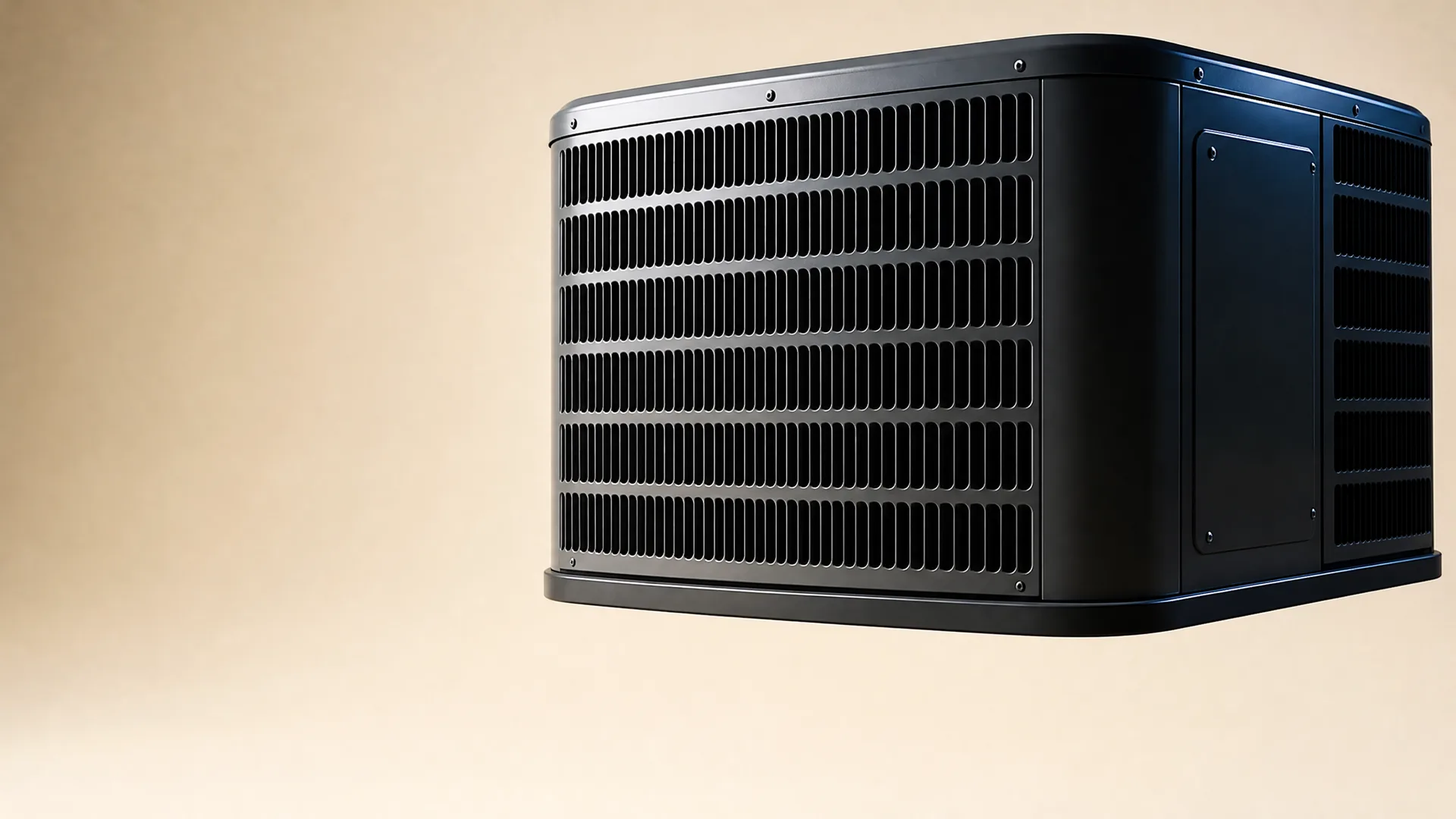
Putting in a new AC before the season starts
A new system going in during April has an easy first month, then goes straight into five months of real work. May through September, it runs most days. Get it installed before May and the contractor has time to size it right and set the charge properly, instead of rushing a swap while the house is already hot. Cooling runs more months of the year here than in most of the country, so this is not a system that gets long stretches off to make up for a rushed install.
Electricity heats 57.0% of occupied homes in Georgia, more than any other fuel. Utility gas heats another 37.4%.
Most homes being fitted for new AC already have ductwork in place from a furnace. The job is sizing the new system to the house, not matching whatever was there before.

A standard system, sized right, is all this job needs
Nothing about Georgia calls for going bigger or pricier
Electricity here runs 14.08 cents per kilowatt hour, cheaper than in most of the country. A correctly sized system isn't fighting an expensive rate on top of a long run of hot months. Georgia homes that use air conditioning put 10.3 million Btu (British thermal units, a measure of heat) a year into it. That number comes from how many months the system runs, not from needing bigger equipment. A contractor who sizes the unit to the house and gets the charge right the first time is what keeps that number where it belongs.
Georgia's weather asks less of this system Chatham County sees the most storms here
- Southern counties need about 31% more cooling than northern ones
- Summer afternoons average 89°F where people live
- Cooling runs May through September
- 1,117 hail events from 2015 to 2024
- 8,749 damaging wind events from 2015 to 2024
- 31% of homes lost power a day or more in 2024

- A load calculation sizes the system to the house, not to whatever tonnage was already there
- Refrigerant charge gets set to the manufacturer's numbers, which is what lets the coil pull heat out of the air
- Blower speed gets matched to the ductwork already in place, since airflow across the coil depends on it
- The new condenser sits level on its own pad, so the compressor isn't working at an angle
- Static pressure and temperature split get checked at startup, confirming the system is actually cooling before the contractor leaves
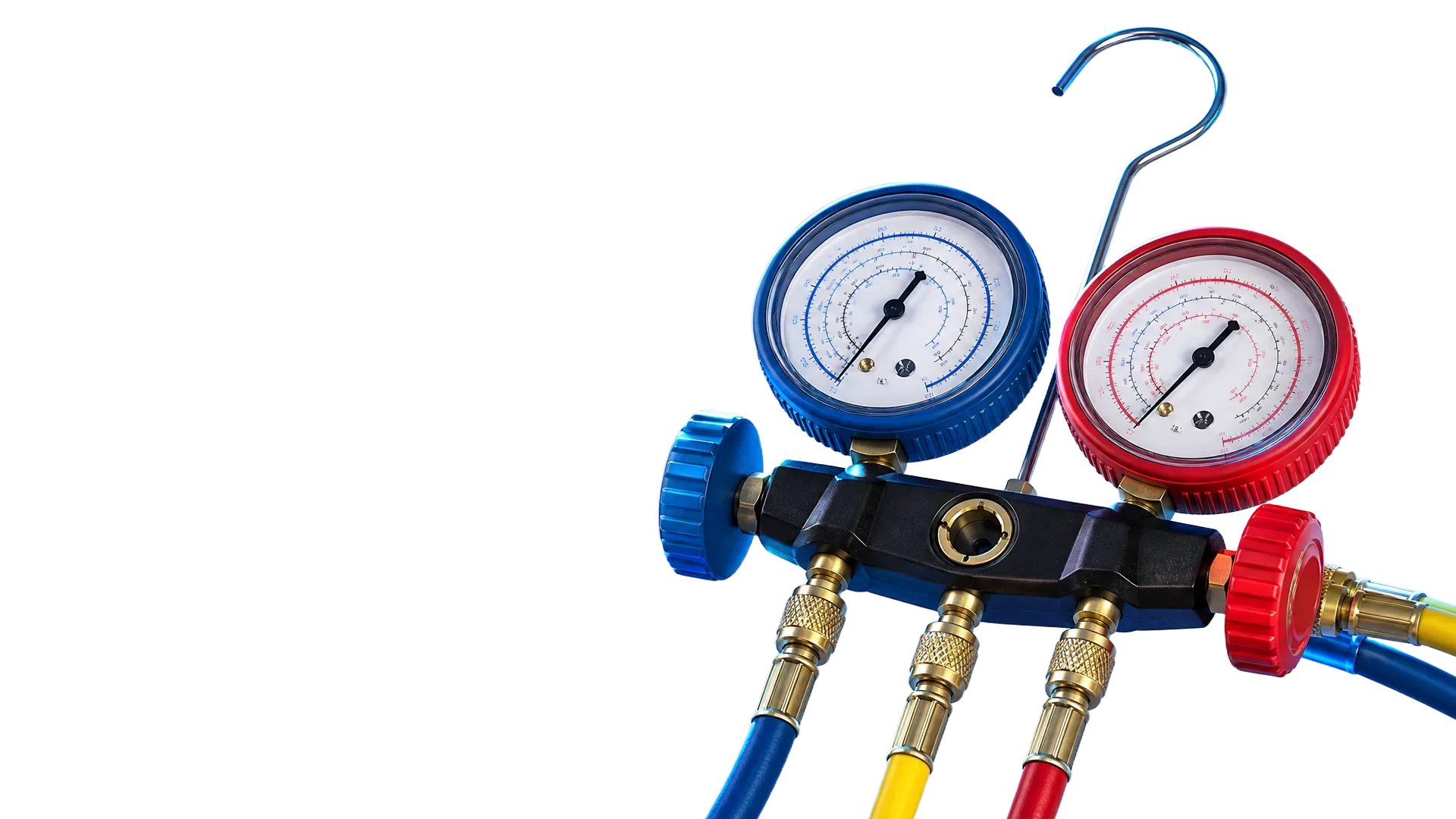
Sizing isn't a guess, it's a calculation
An air conditioner that's too big cools the room down fast, then shuts off before it's pulled the moisture out of the air. The house feels clammy even at the right temperature, and the compressor spends its life starting and stopping instead of running a steady cycle. That short cycling wears on the compressor and the contactor both. Too small, and it runs flat out on the hottest days and still can't hold the setpoint. Getting the size right means working out how much heat the house actually gains through its walls, windows, roof and air leaks, and matching the equipment to that. Square footage alone doesn't tell you this. Houses the same size can need different equipment depending on how much glass they have, which way they face, and how much attic sits above the living space. The ductwork already in place limits what airflow the new system can move, so sizing has to account for that too, not just the condenser outside.
A system that runs five months straight
Georgia runs its air conditioning May through September, and the afternoon high averages 89°F through June, July and August. That is hotter than most of the country sees. A system here does not get long stretches off between runs. It starts in May and runs most days straight through September, every year. Sizing it to the house, and getting the charge right at startup, is what decides whether it holds up to that kind of work.
Cooling here runs longer and works harder than in most states, so sizing it right matters.
Tell us about the job
Takes about a minute. No obligation.
Fill out the form and hear from a licensed Georgia contractor about putting in a new system.