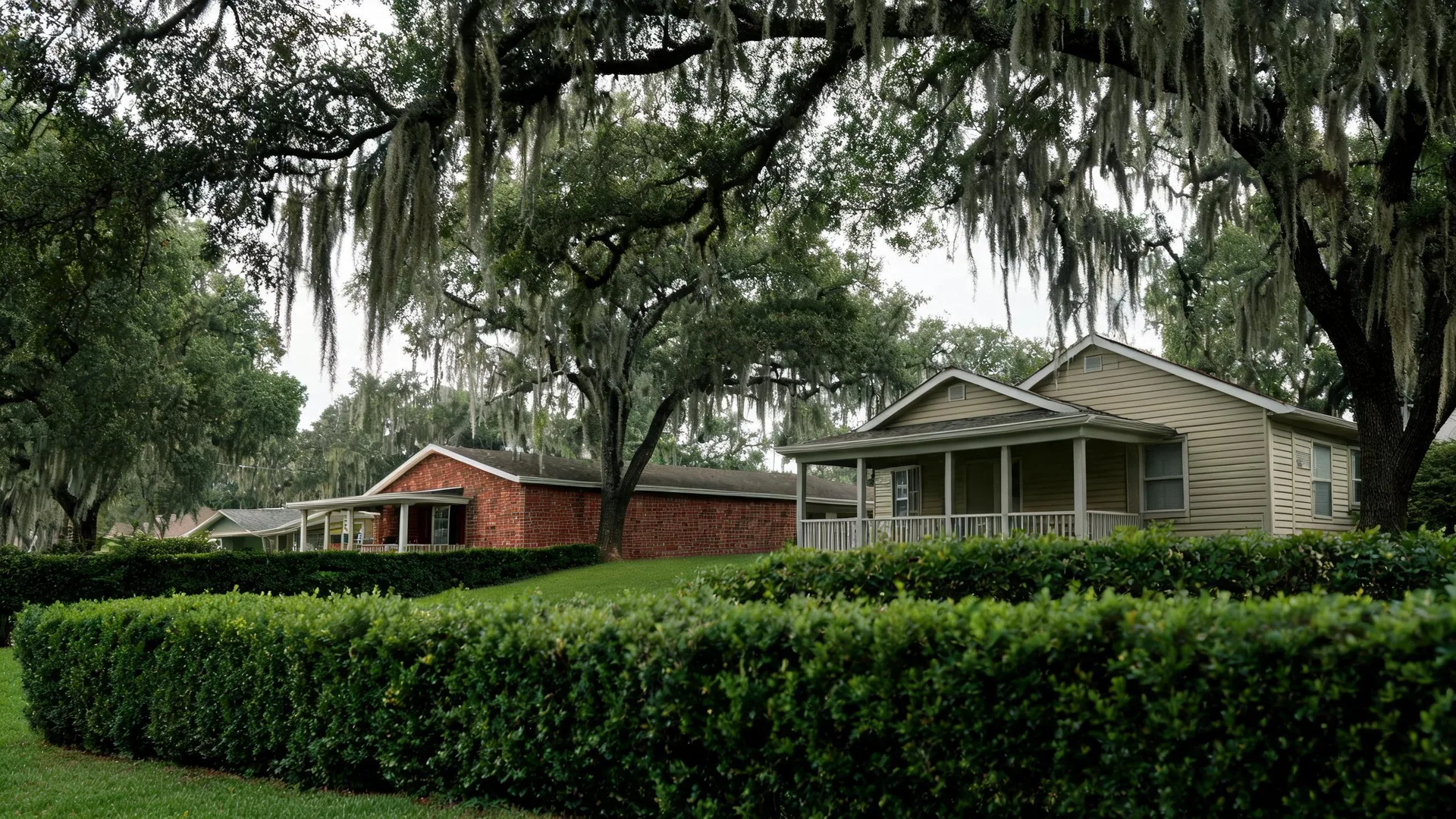






Single-story houses with a covered porch and a brick building behind a trimmed hedge and lawn, under large oak trees draped with Spanish moss.

AC Installation in Kingsland, GA

Tell us about the job

Takes about a minute. No obligation.

New system or replacementCentral ACCamden County, GA
Step 1 of 2

What ZIP code is the job in?

Georgia homes paid 14.08 cents per kilowatthour in 2024. Your air conditioner is likely the biggest draw on that bill most months of the year, down here on the coast. A unit that runs efficiently earns back the difference on every cycle it makes, not just once. When you're comparing systems, look at the efficiency rating next to the price tag, not just the price tag. The cheaper unit to install isn't always the cheaper one to own.

7 months
April through October, your air conditioner is on duty
91°F
the average summer afternoon it cools against
15 hail events
in ten years, and hail bends the fins on outdoor coils
13.4 SEER2
the federal minimum any new unit must meet
Isometric cutaway illustration of a small home interior with furniture and ducting, showing an indoor air handler connected by lines to an outdoor condenser unit on a pad.
Your air conditioner works hardest from May through September.

NOAA nClimDiv, 1991–2020 normals

The efficiency rating tells you how much cooling a system gets out of the power it uses, not how strong it is.

A higher rated unit and a lower rated one can cool the same house just as well, but the higher rated one costs less to run doing it.

Camden County gets hit with storms most places don't, plan the installation around that

83 severe weather events from 2015 to 2024
31% of homes statewide lost power a day or more in 2024
47 damaging wind events from 2015 to 2024

Cooling runs here from April through October, about seven months a year. If your system is on its way out, March is the month to get ahead of it. An installer can take the time to size the unit right and schedule the work for a day that suits you, instead of fitting you in between emergency calls. Wait until the heat sets in and you're picking from whatever is in stock, on whatever day someone can get to you, with the house already warm. Replacing it before the season starts means the work happens on your terms, not on the system's.

Almost every home in Camden County runs on electricity, so your new AC fits what's already there

Electricity heats 89.8% of homes in Camden County, the rest mostly on bottled or LP gas. Central air conditioners run on electricity either way, so your new system matches the power already run to the house. That keeps the installation straightforward, whatever you're replacing.

Find a contractor
A man in a cap, dark shirt and tan work pants walks up concrete steps toward a red front door, carrying a canvas tool bag with tools in its side pocket.
An outdoor air conditioning condenser unit mounted on a concrete pad beside a house, with electrical conduit running to a wall-mounted disconnect box.

Seven months of cooling, at 91 degrees

The afternoon high averages 91°F through June, July and August, and the unit runs from April through October to keep up with it. That's seven months of work most years, not a few weeks of peak heat like inland parts of the country see. Size the system for what this place actually asks of it, not for a mild stretch that doesn't happen here.

Size drives most of the cost

A unit sized for your square footage, your ceiling height, your windows and how shaded the house is costs what it costs. Too small and it runs constantly without catching up. Too big and it cools the air fast without pulling the moisture out, so the house feels clammy even at the right temperature. Getting the size right is a load calculation, not a guess based on the system you're replacing.

What's already there changes the job

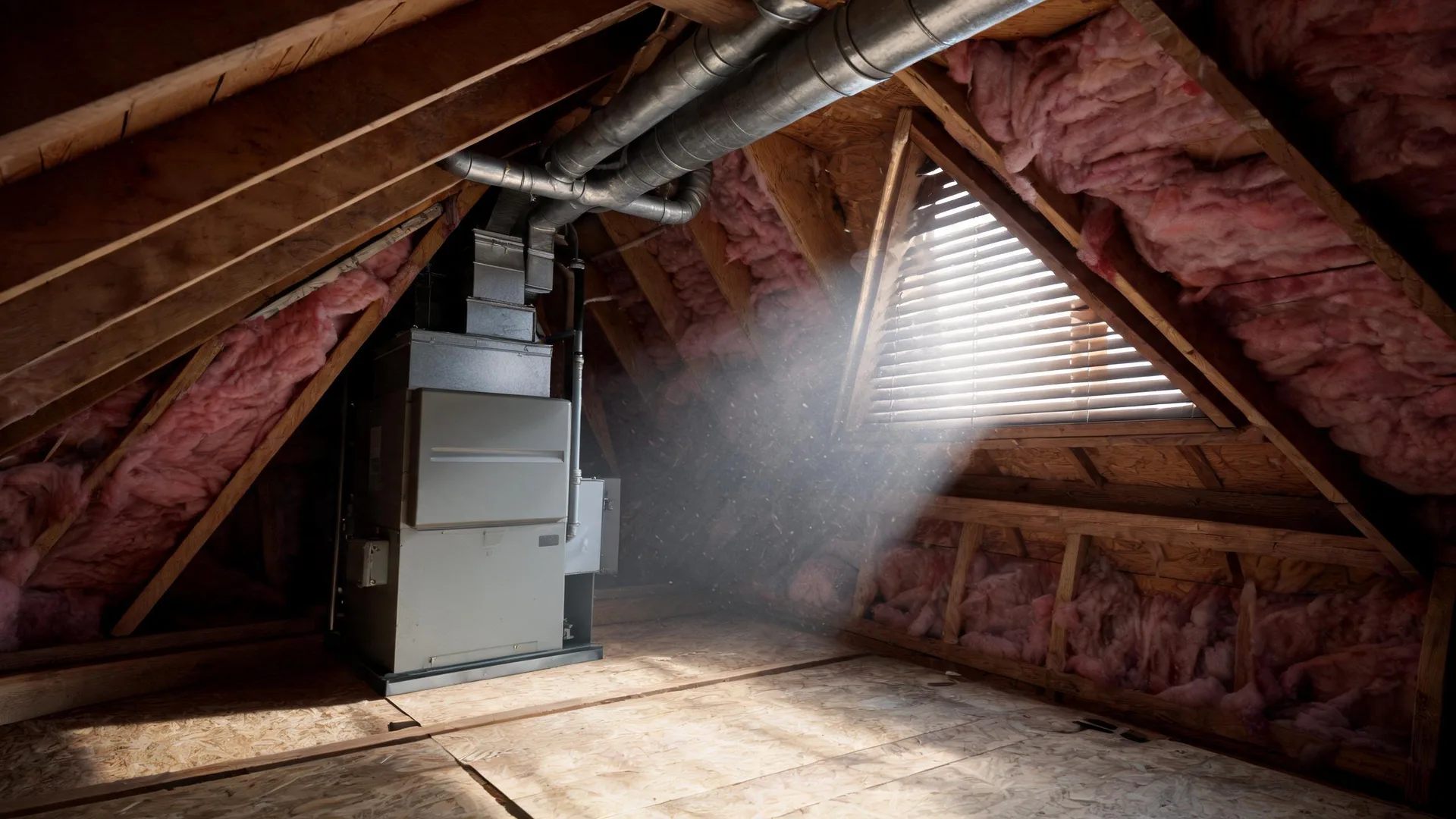
If the ductwork fits the new system and the electrical disconnect and breaker are already sized right, the installer connects the new unit and moves on. If the ducts are undersized, the refrigerant lines don't match, or the electrical needs upgrading to handle the new unit, that work gets added to the job before the system can even run.

An outdoor central air conditioning unit mounted on a concrete pad beside a blue-sided house at sunset.

A higher-efficiency unit would save about $30 a year to run in Camden County compared with a new unit at the federal minimum.

  • A higher-efficiency unit$510 a year
  • A new unit at the federal minimum, 14.3 SEER2$540 a year

Estimates for a typical Camden County home, from EIA household energy data, Georgia fuel prices and NOAA climate normals. Your home will differ.

The right size comes from a load calculation, not a chart based on square footage alone. An installer works through the windows, the insulation, the ceiling height, which way the house faces, and how much shade it gets, because all of that changes how much heat gets into the house on a hot afternoon. Skip that step and guess instead, and the system fights the house for as long as it runs. A unit that's too small never catches up, so it runs nonstop and still leaves the house warmer than the thermostat says. One that's too big cools the air quickly and shuts off before it's pulled the moisture out, so the house feels damp even at the right temperature. Either way the wear lands on the compressor, cycling on and off more than it should or running longer than it was built to.