
AC Repair in Georgia
Homes in Georgia are newer than in 44 of the other 49 states.
Tell us about the job
Takes about a minute. No obligation.
- 89°Fsummer afternoon high where people live
- 5 monthsof cooling, May through September
- 14.08¢ per kWhwhat homes paid for power in 2024 (kWh means kilowatt hours, the unit on an electric bill)
- 1,117hail events from 2015 to 2024
What does an AC in Georgia face?
How hot do summer afternoons get?
89°Faverage afternoon high where people live
Alaska66°F
Arizona101°F
How many months does the cooling run?
5 monthsof cooling a year
Alaska0 months
Hawaii12 months
What does electricity cost?
14.08¢per kWh, what homes paid in 2024
North Dakota11.51¢
Hawaii42.86¢
How often do storms hit?
130severe weather events per county from 2015 to 2024
Alaska5
Wyoming1,057
How many homes lost power for a day or more?
31%of homes in 2024
Arizona7%
Maine54%
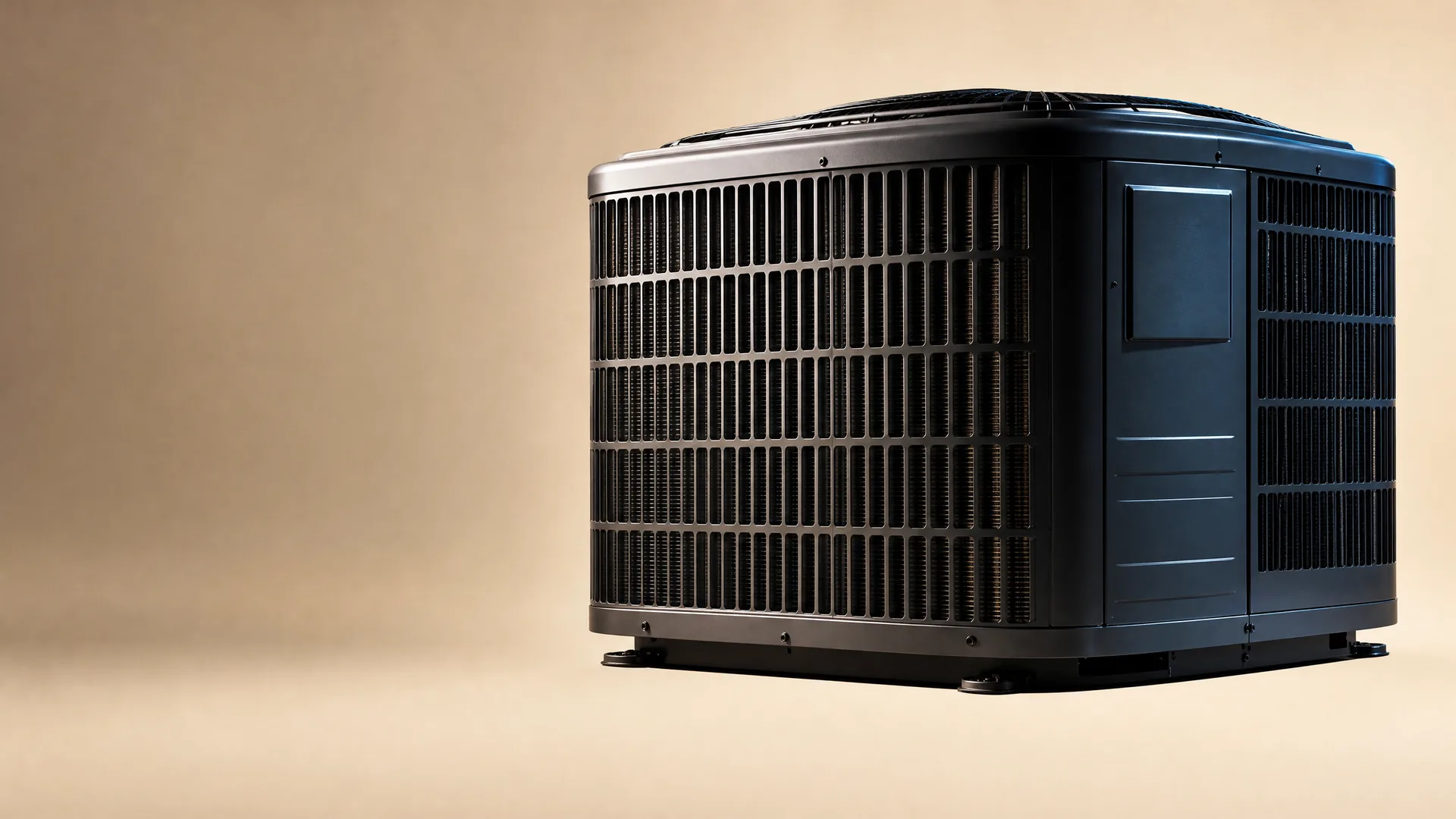
What a diagnostic visit covers
A tech starts outside at the condenser, checking the capacitor and the compressor before touching anything else. The capacitor is what kicks the compressor and fan motor on. A weak one shows up fast. The unit hums but the fan doesn't spin, or it struggles to start and shuts back off. From there it's refrigerant pressure, checked with gauges at the service valves. Low pressure almost always means a leak somewhere in the coil or the lines, not that the system just ran low on its own. Inside, the evaporator coil gets a look for ice or buildup, and the blower motor gets checked for airflow. A system that's freezing up usually isn't a compressor problem at all. It's restricted airflow from a dirty filter or a failing blower starving the coil. The tech also checks the contactor, since pitted or burnt contacts can stop a unit from responding to the thermostat even though power is still reaching the outdoor unit. By the end, the diagnosis should point at one failed part, not a guess.
Nothing unusual about the fix
Electricity here costs less than in most of the country, 33 states pay more. That's not why a system runs down. Georgia homes that use air conditioning put a real load on it, averaging 10.3 million Btu (British thermal units, a measure of heat) a year just for cooling. That's the kind of runtime that wears a capacitor or fouls a coil sooner than it would somewhere milder. Nothing about the parts or the failure points changes from state to state. A worn capacitor or a dirty coil here is the same repair it would be anywhere else.

A straightforward fix, even after the power's been out
What a storm leaves behind is still the same repair
Georgia sees its share of storms, more hail and tornadoes than most states get, and power that doesn't always hold through them. None of that changes what's actually wrong when a system stops cooling. A compressor that cuts off hard when the power drops, or a unit that sits through a humid afternoon with no airflow, comes back to the same worn capacitor or low charge a tech would find anywhere else. The weather here isn't unusual. The fix it leads to isn't either, and it's worth getting done right.
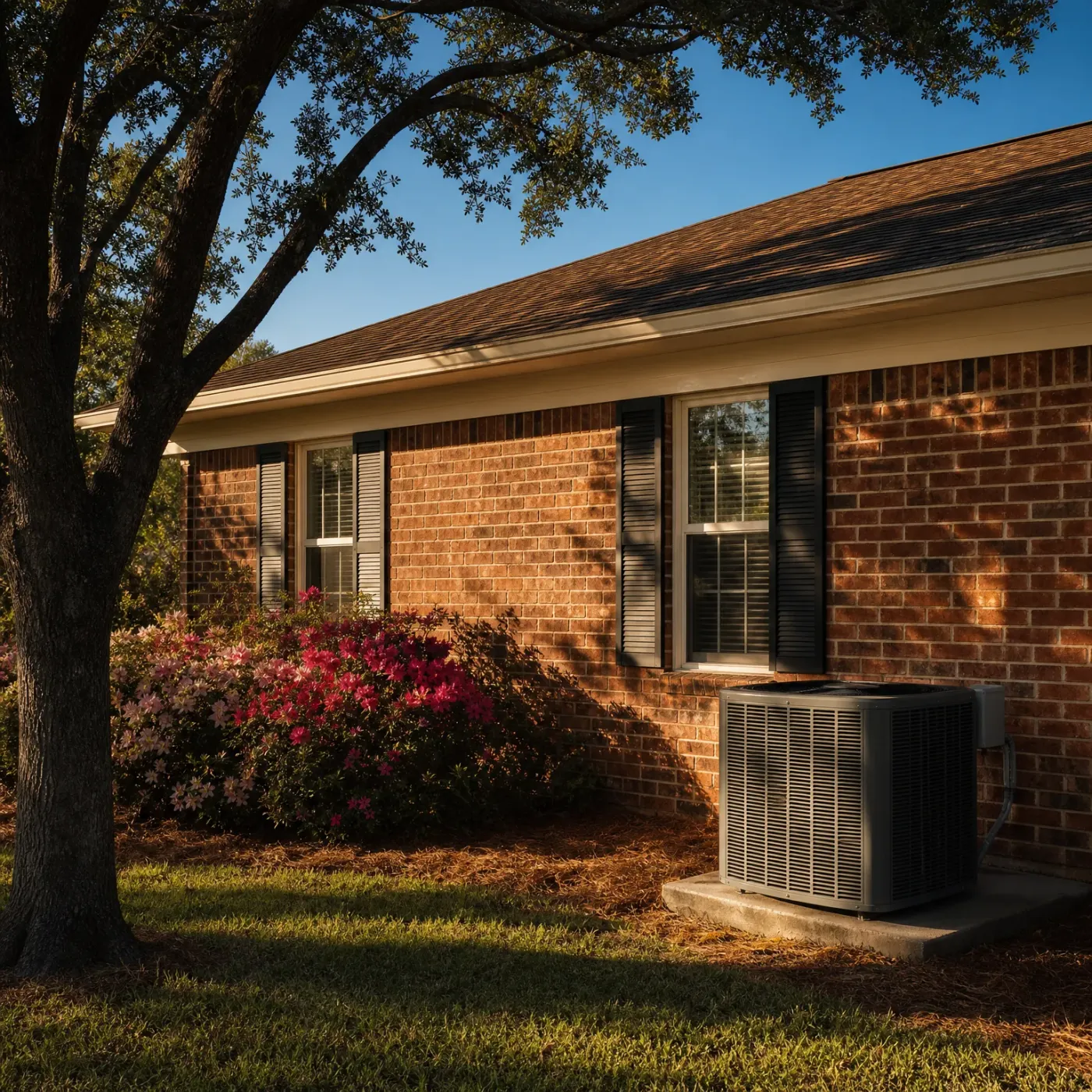
Where a homeowner lives in Georgia says something about which part is likely worn. Southern counties put about 31% more cooling load on a system over a year than northern counties do, and that difference shows up in how fast a capacitor weakens or a coil fouls.
Camden County sits at one end of that range, needing about three and a half times the cooling that Towns County does, where the load is lightest in the state. A system in Camden is simply cycling more over the course of a year, and that runtime catches up with the same parts a tech checks anywhere else.
Glynn County runs cooling about 7 months a year, the longest stretch in Georgia. Towns County runs about 3. A unit on that longer schedule gets less downtime to coast on, which matters when a capacitor or contactor is already marginal.
Summer afternoons follow the same pattern. Ware County averages the hottest summer afternoons in the state, Towns County the mildest. A system sitting through those extra degrees day after day is working harder every time it cycles, not just more often.
None of this changes what a tech finds once the panels come off. A system in Ware County and a system in Towns County fail the same ways, a weak capacitor, a low charge, a dirty coil. What changes is how soon those failures show up, and in the hotter, longer-running counties, that's sooner.
Georgia summers ask more of this machine Five months of cooling, afternoons near 89°F
- Southern counties need about 31% more cooling than northern ones
- Summer afternoons average 89°F where people live
- Cooling runs May through September
- 1,117 hail events from 2015 to 2024
- 8,749 damaging wind events from 2015 to 2024
- 31% of homes lost power a day or more in 2024

Most Georgia homes are younger than their AC's expected lifespan.
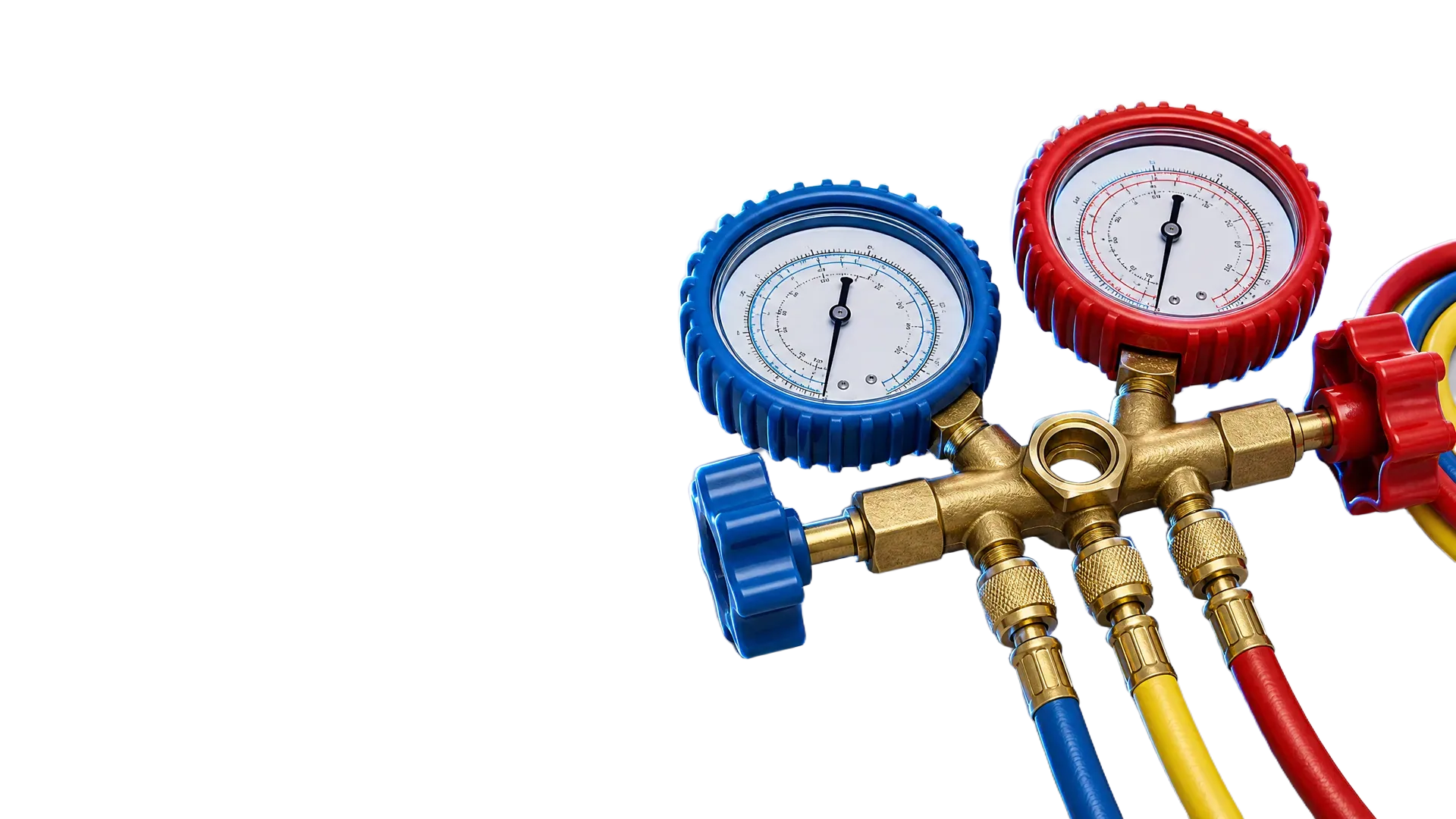
Some problems get worse the longer they run
A system low on refrigerant keeps trying to cool anyway, and running it that way makes things worse. Less refrigerant moving through the evaporator coil means the coil runs too cold and starts icing over. Ice doesn't conduct heat well, so less heat transfers, so pressure drops further and more ice builds. Left running, that ice can block the coil almost completely, and the meltwater has to go somewhere. A weak blower motor leads to the same icing, since starved airflow across the coil freezes it just like low charge does. That's why a tech checks the blower before assuming the charge is low. A failing capacitor works the same way from a different angle. A weak one makes the compressor strain to start, and straining heats the windings past what they're built for. Enough of that and the windings fail for good, turning a simple capacitor swap into a compressor replacement. None of this gets better by waiting it out. Shutting the system off when it's icing or straining won't fix it, but it stops the damage from piling up until a tech gets to it.

Georgia starts running its AC in May, so April is the last quiet month a weak part gets. A capacitor that barely made it through last year doesn't announce itself sitting idle. It shows up the first week the compressor has to work for real, or a coil that's been collecting dust shows up the same way.
A system that's not run since September is hard to judge just by looking at it. The same checks apply whether a tech runs them in April or in the middle of a hot stretch, the capacitor, the charge, the coil. Catching a marginal part before the load hits it is the difference between a swap and a bigger repair.
Five months of Georgia summer is enough time for a marginal part to fail before fall.
Tell us about the job
Takes about a minute. No obligation.
Filling out this form gets a licensed Georgia contractor looking at the actual part that's wrong.