Bulloch County sees more than its share of storms
174 severe weather events hit Bulloch County between 2015 and 2024. Damaging wind caused most of them. Hail, tornadoes and hurricanes came through too.
Takes about a minute. No obligation.
174 severe weather events hit Bulloch County between 2015 and 2024. Damaging wind caused most of them. Hail, tornadoes and hurricanes came through too.
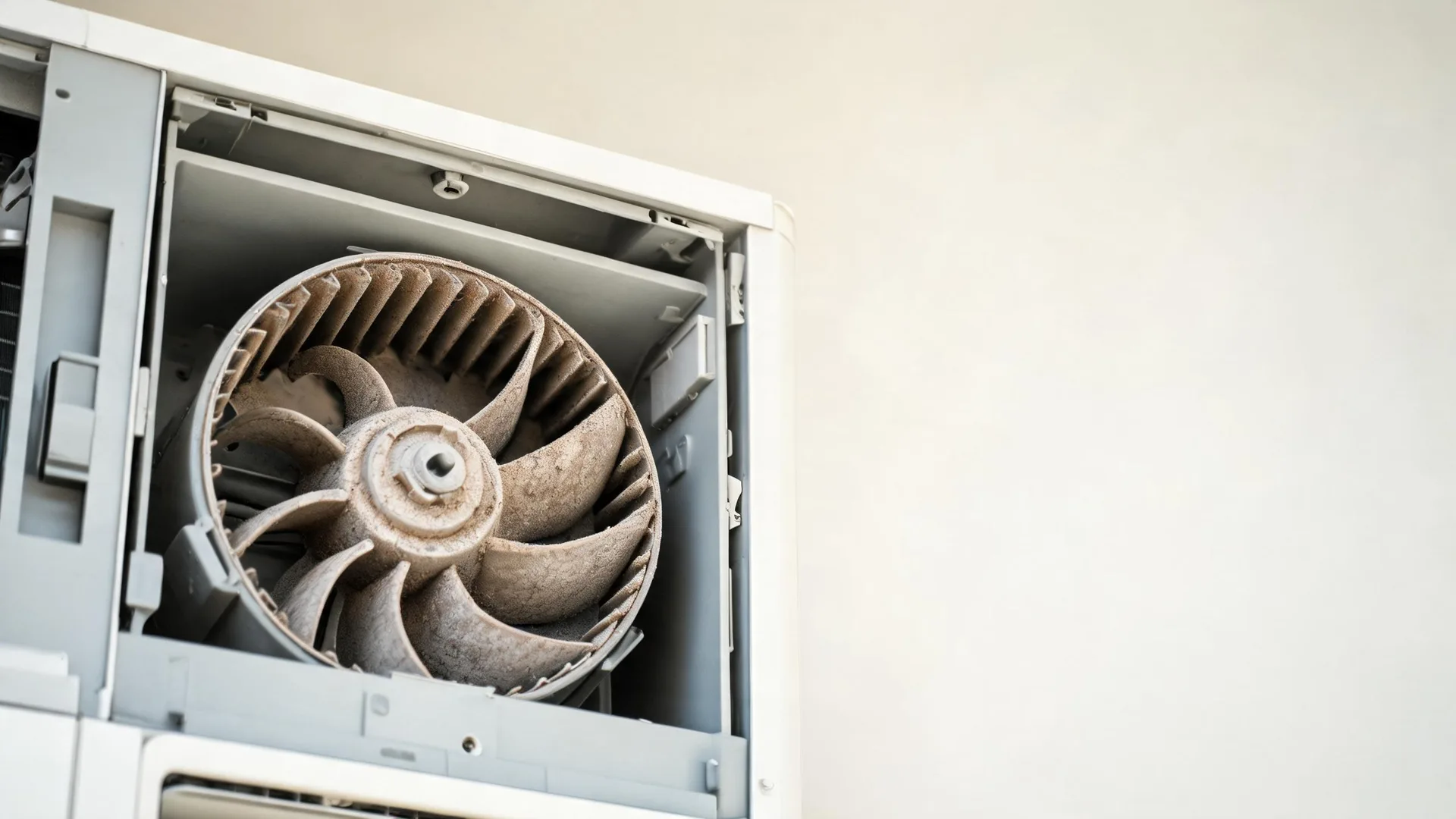
The condenser sits outside year round, exposed to whatever wind and hail come through. If it took a hit, it can keep running for a while before the fins, coil or fan show the damage.

NOAA nClimDiv, 1991–2020 normals
Half the homes in Bulloch County were built in 1995 or later.
A system that came with a newer house still has years of working life in it, which matters when you're deciding whether to fix it.




Georgia homes paid 14.08 cents per kilowatt-hour in 2024, more than homes in most other states. An AC that's low on charge or struggling with a dirty coil has to run longer to cool the same house, and every one of those extra hours shows up on the bill. If yours is short cycling, running constantly, or blowing air that's not as cold as it used to be, that's not a one-month problem. It keeps costing you for as long as it keeps running that way. Getting it looked at now is cheaper than paying to run a sick unit through the rest of the summer.
Storms hit hard here. If the outdoor unit took hail or debris, have it checked even if it still runs.
Find a contractor
Ask whoever comes out what's actually wrong before you let them talk replacement. If the compressor or coil still has years in it, a repair is the right move, not a stopgap. That's worth knowing before the conversation turns to a new system.
An AC doesn't burn through refrigerant the way a car uses gas. If the charge is low, it's leaking out somewhere, usually at a coil joint or a worn valve. Adding refrigerant without finding the leak just means doing it again in a few months.
The capacitor holds a charge that kicks the compressor and fan motor into motion. Heat wears it down over years, and when it finally gives out, the unit either hums without starting or doesn't respond at all. Replacing it is usually straightforward once that's confirmed as the cause.
Estimates for a typical Bulloch County home, compared with an older unit built to the previous federal minimum, from EIA household energy data, Georgia fuel prices and NOAA climate normals. Your home will differ.
Repair makes sense when a part like a capacitor or contactor has failed.
Replacement makes sense when the compressor has failed or the system uses R-22 refrigerant, which is no longer made.
A repair makes sense when one part failed and the rest of the system is sound. A capacitor, a contactor, a fan motor, these wear out on their own schedule, and swapping one doesn't say anything bad about the compressor or the coil. Replacement starts to make sense when the compressor itself is failing, since that's the part that actually moves refrigerant and does the cooling, and a new one costs enough that it changes the math. It also makes sense when the same unit keeps coming back for different reasons within a short stretch of time, because that's usually not bad luck, it's a system that's worn out across the board. Ask the contractor to name the failed part and explain why it failed before deciding which way to go.