
Heat Pump Repair in Georgia
Electricity costs homes less in Georgia than in 33 of the other 49 states.
Tell us about the job
Takes about a minute. No obligation.
- 36°Fwinter overnight low where people live
- 5 monthsof heat, November through March
- 89°Fsummer afternoon high where people live
- 5 monthsof cooling, May through September
What does a heat pump in Georgia face?
How hot do summer afternoons get?
89°Faverage afternoon high where people live
Alaska66°F
Arizona101°F
How cold do winter nights get?
36°Faverage overnight low where people live
North Dakota4°F
Hawaii65°F
How many months does the heat run?
5 monthsof heating a year
Hawaii0 months
Alaska12 months
What does electricity cost?
14.08¢per kWh (kilowatt hours, the unit on an electric bill), what homes paid in 2024
North Dakota11.51¢
Hawaii42.86¢
How often do storms hit?
130severe weather events per county from 2015 to 2024
Alaska5
Wyoming1,057
How many homes lost power for a day or more?
31%of homes in 2024
Arizona7%
Maine54%
What usually goes wrong with a heat pump
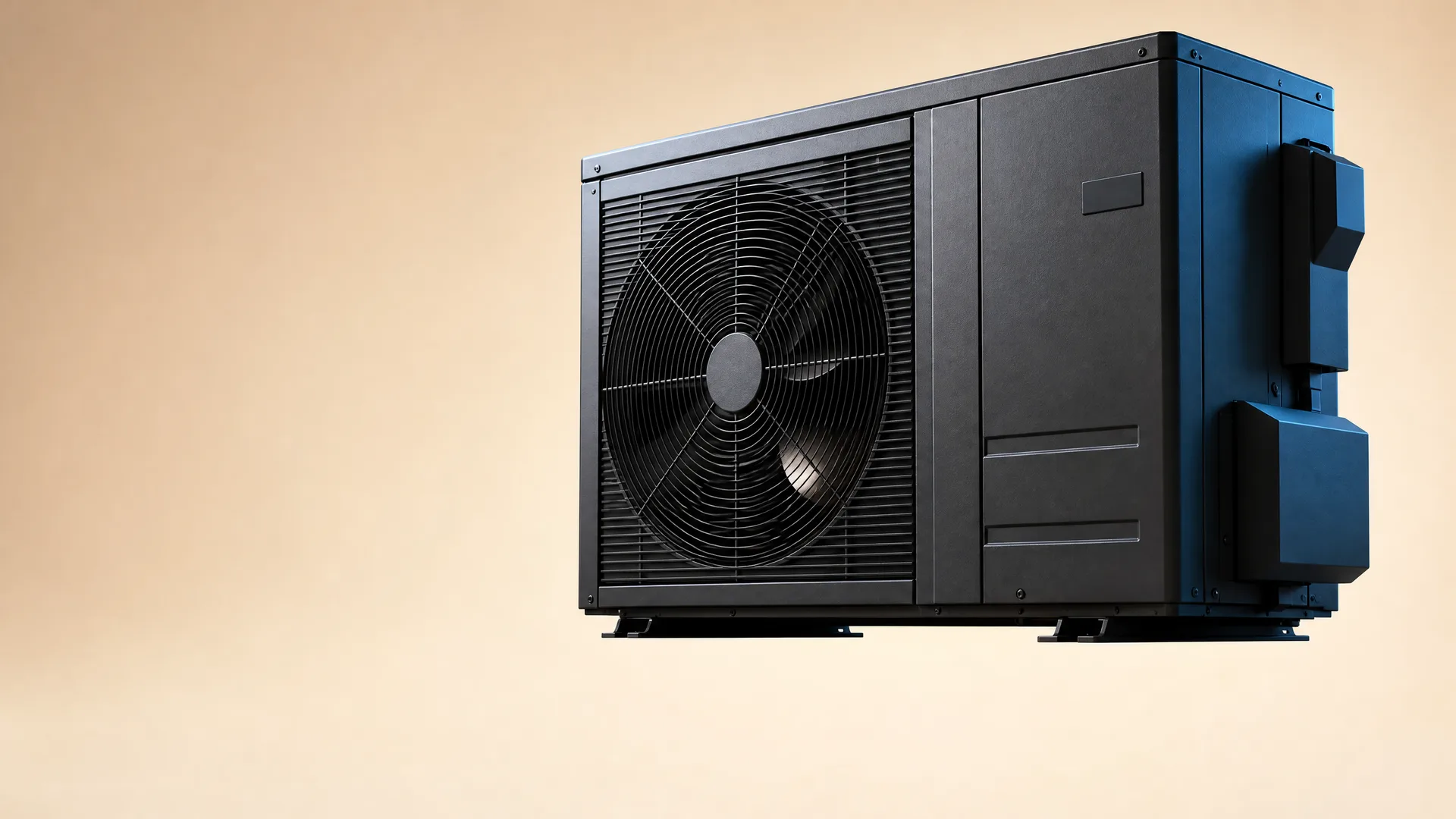
A heat pump fails in a handful of predictable ways. The reversing valve sticks, and the system gets stuck cooling when you need heat, or the other way around. The defrost board fails and ice builds up on the outdoor coil until it can't pull any heat from the air. A weak run capacitor leaves the compressor or fan motor struggling to start, sometimes just humming instead of turning over. Low refrigerant from a slow leak shows up as weak heat or weak cooling and ice forming on the lines, not just a system that runs longer than it should. The outdoor coil gets caked with dirt or grass clippings and can't give up or absorb heat the way it needs to. Contactors pit and burn from years of switching the compressor on and off, until the day they stop making contact at all. Sometimes the system seems dead and the real problem is nothing more than a loose thermostat wire or a dead battery. None of these get better on their own, and running the unit on a bad capacitor or a stuck reversing valve usually ends up taking the compressor down with it.
A newer house usually means a newer system
Half the homes in Georgia were built in 1992 or later, and most of those are detached single-family houses rather than mobile homes. If your heat pump came with a newer house, the equipment itself is probably not the problem. A reversing valve or defrost board can fail well before a system is actually worn out, and that kind of failure is a repair, not a reason to replace the whole unit. Worth checking whether the heat pump is original to the house before assuming anything bigger is wrong.

Know the warning signs
What your heat pump is telling you before it fails
A heat pump that needs attention usually tells you before it quits outright. The air coming out of the vents feels cool when it should feel warm, or the system runs without the house ever catching up to the thermostat. Outside, the unit might be caked in ice beyond what a normal defrost cycle would leave, or you hear it switching between heating and cooling like it can't settle on one. A hard clunk, or a hum with no fan movement, means a motor or capacitor is struggling to start. A burning smell or a musty one coming from the vents is worth paying attention to right away. Short cycling, where the system shuts off minutes after it starts, points to a problem that will only get worse left alone. None of these fix themselves, and a system running on a bad part tends to take other parts down with it. Getting a tech out while it is still one failing part is what keeps this a repair instead of a replacement.
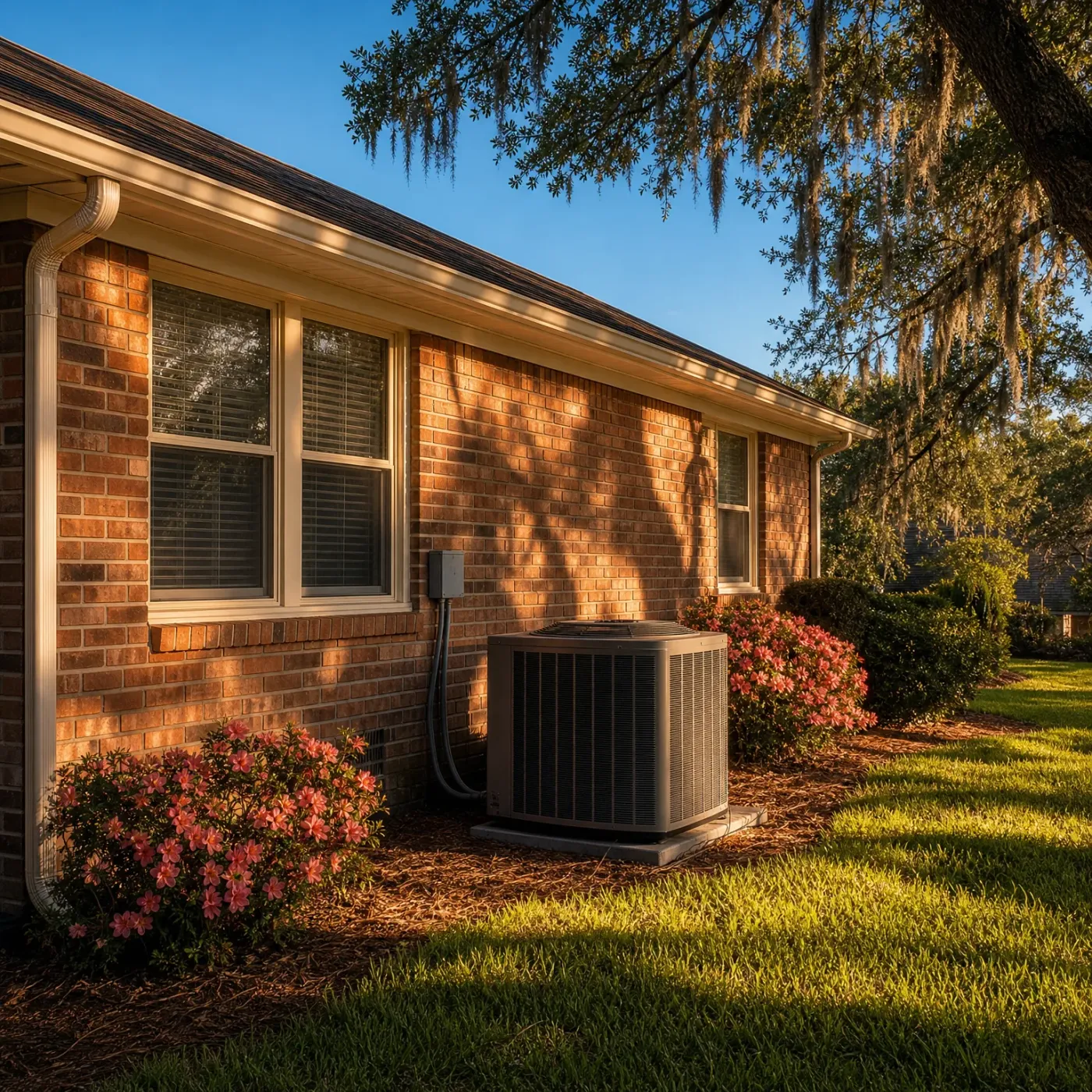
Georgia asks more of a heat pump in some counties than others, and it runs both ways. Homes in the southern counties need about 31% more cooling over a year than homes up north. Homes in the northern counties need about 30% more heat over a year than homes down south. Same state, same machine, but which side of it wears depends on where the house sits.
Towns County, up north, needs about three times the heating that Camden County does. Camden County has the lowest heating need in the state. Cooling runs the other way. Camden County needs about three and a half times the cooling that Towns County does, and Towns County has the lowest cooling need in the state.
That changes what's likely to fail first. In Towns County, a heat pump leans on its heating side most of the year, so the reversing valve and defrost board see the heavier use and are the first places to check. In Camden County, the system runs cooling far more than heat, so a weak capacitor or a dirty outdoor coil struggling through a long cooling stretch is the more likely culprit.
Georgia runs heat about five months, November through March, and runs cooling about five months, May through September. Compared with the rest of the country, Georgia needs heat for fewer months than most states do, and runs cooling for more months than most. A heat pump here leans on its cooling side more than it would in most states, which is worth keeping in mind before assuming a part failed just from age.
Georgia's storms are about average Outages after them are the real risk
- Southern counties need about 31% more cooling than northern ones
- Winter nights average 36°F where people live
- Summer afternoons average 89°F where people live
- Heat runs November through March
- Cooling runs May through September
- 283 winter storms from 2015 to 2024

Repair or replace, and how to tell which one you're looking at
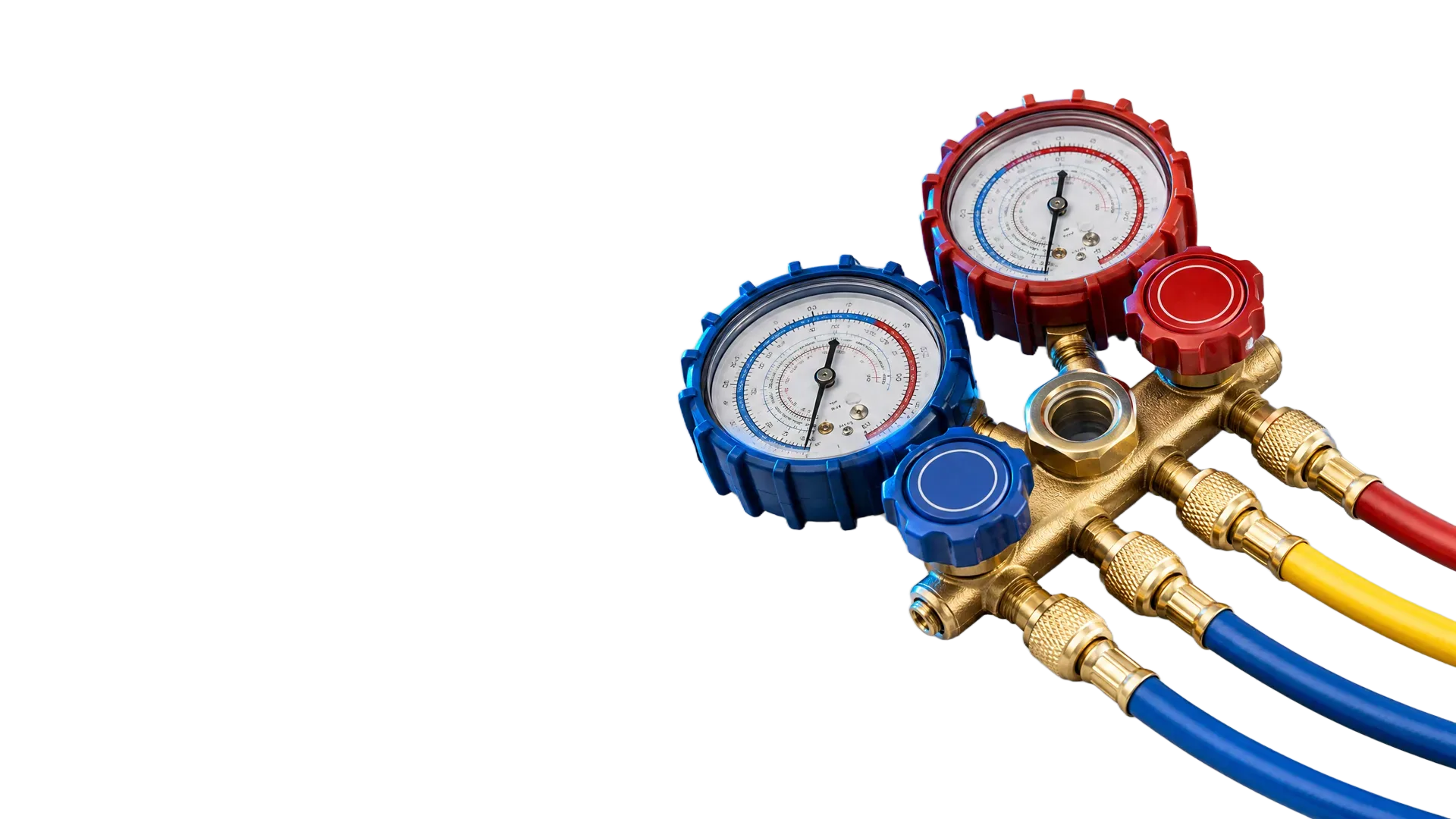
A repair makes sense when one part has failed and everything else in the system still works the way it should. A new reversing valve or defrost board brings a system right back to where it was. There's no reason a compressor that's been running fine should suddenly be at risk just because one part around it gave out. Replacement starts making more sense once the compressor itself is the problem. That's the most expensive part in the system, and a contractor can't just swap it in isolation the way they would a capacitor or a board. Age matters too, but not on its own. A heat pump near the end of its expected life that needs a major part replaced is a different call than a young system with the same failure, even though the symptom on the day might look identical. The other thing worth asking is how the system has been running over the past year. One isolated failure is just that. A string of repairs, each one a different part, usually means the system as a whole is wearing out rather than having bad luck.

Start at the thermostat. Make sure it's actually set to heat or cool, not sitting on off or stuck in a mode you don't want. If the set temperature is barely past room temperature, bump it harder and see if the system responds. If it runs on batteries, swap them before you assume anything else is wrong. A dead thermostat can make a perfectly good heat pump look like it quit. While you're at it, check the breaker panel for the outdoor unit and the air handler. Flipping a tripped breaker back takes a second, and if it trips again right away, that's worth telling the tech.
Walk outside and look at the unit itself. Clear leaves, grass clippings or anything leaning against the sides so air can actually move through the coil. A little frost after a normal defrost cycle is fine, but a coil caked in ice is not, and that's worth mentioning to whoever comes out. Back inside, pull the air filter and hold it up to the light. If you can't see through it, replace it. A clogged filter starves the system of airflow and can make a working heat pump seem like it's barely keeping up. None of this fixes a failing capacitor or a reversing valve stuck in the wrong spot, but it clears out the easy explanations first.
Get it diagnosed properly
Tell us about the job
Takes about a minute. No obligation.