




A illuminated white antebellum-style house with a wraparound porch, white columns, and Spanish-moss-draped oak trees, photographed at dusk.

Heat Pump Repair in Grovetown, GA

Tell us about the job

Takes about a minute. No obligation.

RepairHeat PumpColumbia County, GA
Step 1 of 2

What ZIP code is the job in?

Columbia County logged 121 severe weather events between 2015 and 2024, and most of those brought damaging wind. A heat pump's outdoor unit sits outside year round, exposed to whatever blows through. Wind drives debris into the coil and the fan. Hail dents the cabinet and bends the fins, and this county has seen its share of hail too. A unit can take a hit like that and still run, at least for a while, so it still being on doesn't mean it's fine. If yours went through a storm, a contractor can check the coil and fan for damage before a small problem turns into a breakdown.

5 months
November through March, your system heats
5 months
May through September, it cools
37°F
the average winter night it heats against
90°F
the average summer afternoon it cools against
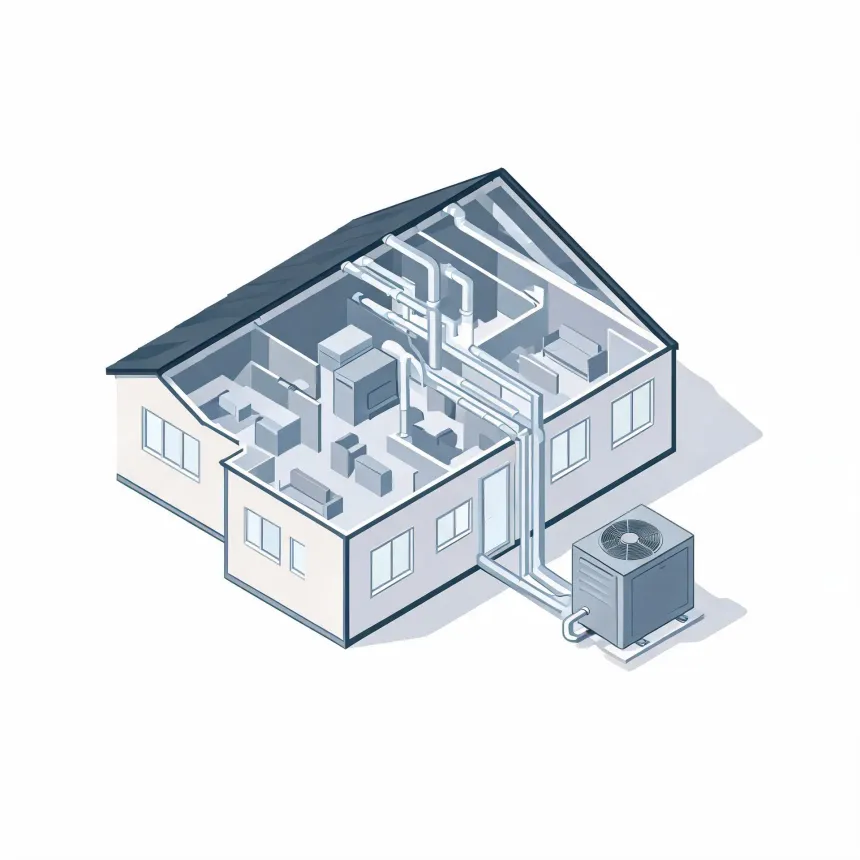
Isometric illustration of a cutaway single-story house showing interior ductwork and vents connected to an outdoor condenser unit beside the building, on a white background.
Your system heats November through March and cools May through September.

NOAA nClimDiv, 1991–2020 normals

Your heat pump switches over to heat in November here.

October is when a contractor can catch the weak part before that first cold night finds it.

Grovetown's newer, so call for a repair before you call for a quote

Half the homes here were built by 1999
92 damaging wind events from 2015 to 2024
Power costs 14.08 cents a kWh statewide

A newer system is usually worth fixing

Half the homes in Columbia County were built in 1999 or later. If your heat pump came with a newer house, it's likely still within its working life, and a repair now is probably all it needs.

Find a contractor
A gray heat pump outdoor unit mounted on a concrete pad next to a residential house with lap siding and stone accents.

What to check before the truck shows up

Before anyone comes out, check the thermostat first. Make sure it's set to heat and the set point is actually above room temperature, and swap the batteries if it uses them. Then look at the outdoor unit. If the coil is caked in leaves or grass clippings, or the cabinet is packed in on all sides, clear the area around it and see if that changes anything. Check the air filter too. A filter clogged with dust chokes the airflow a heat pump needs to move heat, and that alone can make it struggle or ice over. If you've got a breaker box, check whether the breaker for the outdoor unit or the air handler has tripped. Frost or a solid sheet of ice on the outdoor coil is worth noting but not touching. Heat pumps frost up in cold, damp weather and run a defrost cycle on their own, so give it a chance before assuming something's wrong. If the ice doesn't clear after a few hours, or it's building up again right away, that's a sign for a contractor, not something to chip off yourself.

The reversing valve is usually the first thing to go

The reversing valve switches a heat pump between heating and cooling, and it cycles every time the system changes modes. A stuck valve can leave you with heat when you want cool, or cold air blowing in winter. It's one of the more common repairs on a heat pump because it works harder than almost anything else in the system.
The outdoor unit fails differently than the parts inside

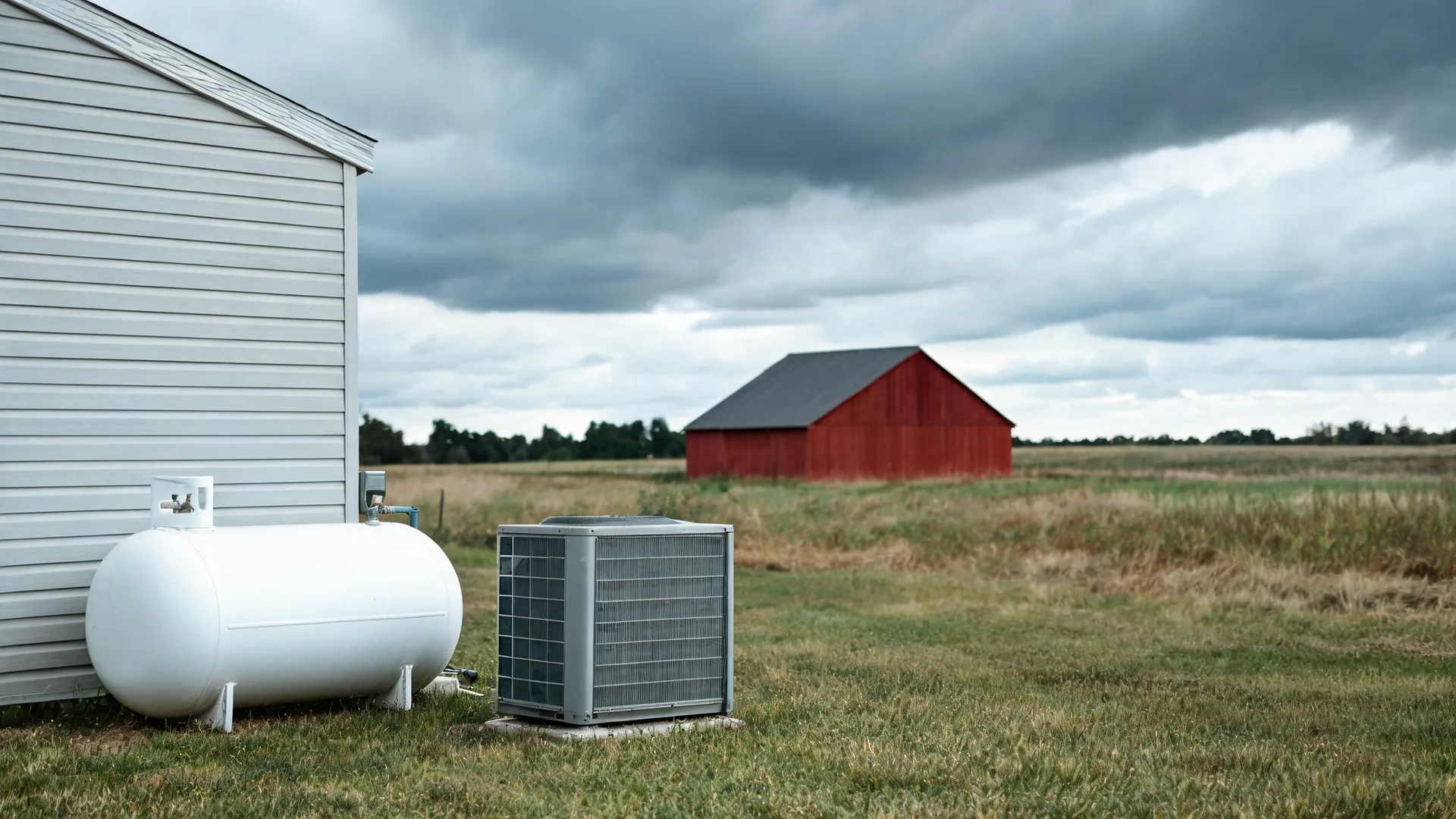
The compressor, the fan motor and the coil all sit outside, so they take the brunt of weather, dirt and age at once. A failing capacitor can keep the fan from starting. A low refrigerant charge, usually from a slow leak, makes the coil ice over even in mild weather. Most no-heat and no-cool calls trace back to something failing out there, not in the air handler.

A heat pump that's struggling still moves heat, just not enough, so it's easy to let a weak system ride. That's usually the wrong call. A compressor working against a low refrigerant charge runs hotter than it should, and heat is what wears a compressor out. A coil that's icing over blocks more airflow each cycle, which makes the ice worse, which blocks more air, and the system can get stuck defrosting more than it's heating. A motor straining on a bad capacitor draws more current than it's built for, and that heat breaks down the windings over time. None of these fix themselves by running longer. The part that's already failing just fails harder, and what started as a repair can turn into a replacement.

A heat pump that keeps breaking isn't always done for good, and one that's been reliable isn't automatically safe either. What matters more is which part is failing and what it would take to fix it. A failed capacitor or a bad contactor is a straightforward swap, cheap in the scheme of things, and doesn't say much about the rest of the system. A compressor failure is different. The compressor is the most expensive part in the unit, and it usually only fails because something else went wrong first and ran it into the ground. If a contractor traces the problem back to the compressor, that's the point to ask hard questions about the system as a whole, not just that one part. Age matters too, but less than how the system was treated. A unit that's been low on refrigerant for years or has iced over repeatedly has already taken damage you can't see from outside the cabinet.