
AC Maintenance in Georgia
Homes in Georgia are newer than in 44 of the other 49 states.
Tell us about the job
Takes about a minute. No obligation.
- 89°Fsummer afternoon high where people live
- 5 monthsof cooling, May through September
- 14.08¢ per kWhwhat homes paid for power in 2024 (kWh means kilowatt hours, the unit on an electric bill)
- 1,117hail events from 2015 to 2024
Five months of summer runs your AC hard here Afternoons near 89°F from June through August
- Southern counties need about 31% more cooling than northern ones
- Summer afternoons average 89°F where people live
- Cooling runs May through September
- 1,117 hail events from 2015 to 2024
- 8,749 damaging wind events from 2015 to 2024
- 31% of homes lost power a day or more in 2024


Georgia homes run young, and so do a lot of these systems
Half the homes in Georgia were built in 1992 or later, and most of the state is single-family houses rather than apartments or mobile homes. If yours is one of the newer ones, the AC is likely still well within its working life. That's worth protecting. A unit that gets a yearly check tends to hold up better against five months of hard summer use than one left alone until something quits.
Cooling runs about five months a year here, May through September, longer than in most of the country.
Five months gives a worn part that much more time to turn into a breakdown, so a check before summer starts is worth more here than in most places.

Know the signs before the system does
What a yearly check catches that a hot afternoon won't tell you
A system usually tells you something before it quits. Air coming out of the vents feels warmer than it should, or a room that used to cool off in a few minutes now takes a while. The outdoor unit short cycles, kicking on and off instead of running a steady stretch. A rattle or a hum shows up that wasn't there before. Sometimes there's no sign you'd notice at all, just a capacitor drifting out of range or a refrigerant charge a little low, the kind of thing a gauge catches and your ears never would. A yearly check finds the capacitor before it fails outright, the coil before enough dirt builds up to choke airflow, the drain line before it clogs and backs up into the pan. Waiting for the system to tell you something's wrong usually means waiting for the afternoon it just doesn't turn on.
What does an AC in Georgia face?
How hot do summer afternoons get?
89°Faverage afternoon high where people live
Alaska66°F
Arizona101°F
How many months does the cooling run?
5 monthsof cooling a year
Alaska0 months
Hawaii12 months
What does electricity cost?
14.08¢per kWh, what homes paid in 2024
North Dakota11.51¢
Hawaii42.86¢
How often do storms hit?
130severe weather events per county from 2015 to 2024
Alaska5
Wyoming1,057
How many homes lost power for a day or more?
31%of homes in 2024
Arizona7%
Maine54%
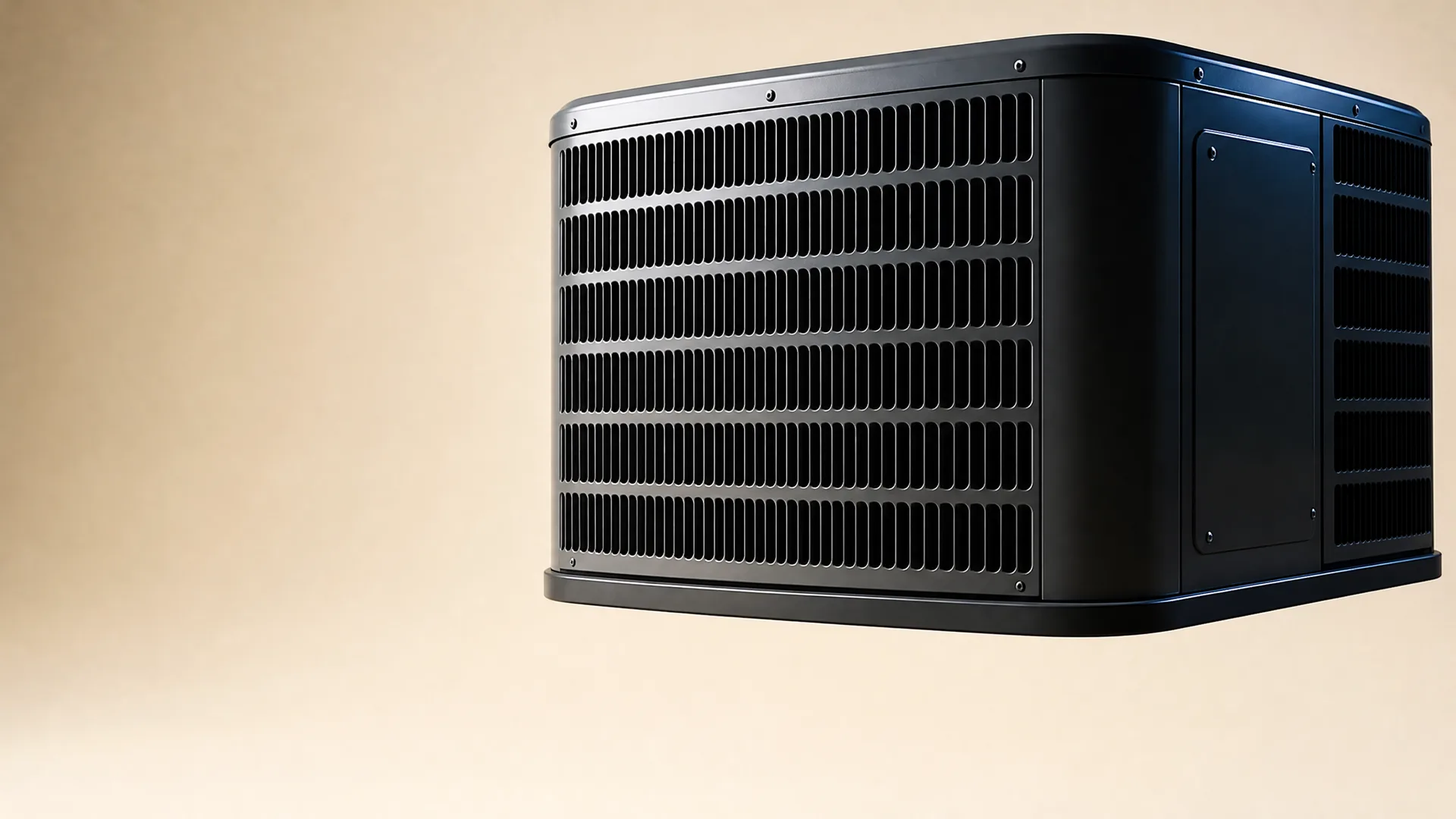
April is the month to catch it
A capacitor or a refrigerant charge that drifted over the winter usually holds up fine while the system sits idle. It's the steady daily run that finds the weak spot, and here that run starts in May. A check in April means someone looks at the capacitor, the coil and the charge before the system has to lean on them, not after the first hot week finds the problem for you.
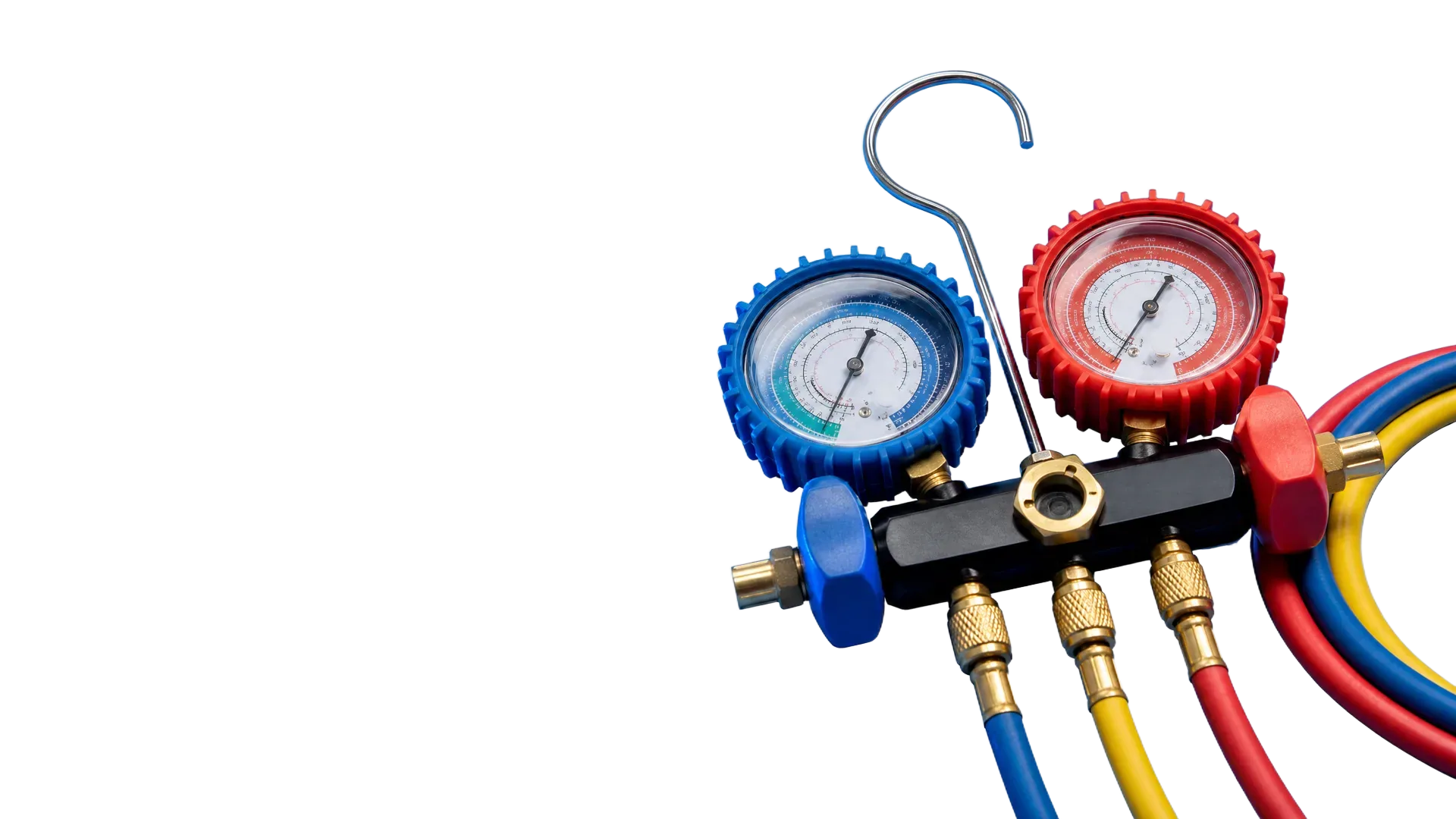
What actually happens during a tune-up
A tune-up starts outside, at the condenser. The coil gets cleaned, because dirt and grass clippings packed against those fins make the system work harder to dump heat. The refrigerant charge gets checked against what the manufacturer calls for. Too little and the system cools poorly and can ice up the coil. Too much strains the compressor, which is the part the rest of the system depends on. The capacitor and contactor get tested, since a weak capacitor is one of the most common reasons a compressor or fan motor fails to start. Inside, the blower wheel and motor get checked, and the drain line gets flushed so it can't back up into the pan. A technician also checks the electrical connections, since a loose one generates heat and can burn a wire or trip a breaker. None of this means taking the system apart. It's a cleaning, a look at the parts that wear, and a set of measurements checked against what the manufacturer specifies, done while everything still runs, so a part that's drifting gets caught before it quits.
What skipped maintenance actually does
Skip enough tune-ups and the system doesn't fail all at once. It loses ground a little at a time. Dirt builds up on the condenser coil year over year, and each season the compressor works harder to push heat through it. A capacitor that was starting to weaken gets left in the system instead of swapped out, and one afternoon it won't kick the compressor on at all. Refrigerant that's slipped low from a small leak keeps running the system anyway, just colder on the compressor and worse at pulling moisture out of the air. None of this shows up as a single bad day. It shows up as a system that cools a little less than it used to, runs a little longer to get there, and then quits on the one afternoon you needed it most.
Five months of Georgia summer turns a weak capacitor into a system that won't start.
Tell us about the job
Takes about a minute. No obligation.
Fill out the form once and a licensed contractor near you takes it from there.