





Three white clapboard houses with wraparound porches glow with warm interior and landscape lighting beneath Spanish moss-draped oak trees at dusk.

AC Maintenance in Grovetown, GA

Tell us about the job

Takes about a minute. No obligation.

Tune-up, service, or cleaningCentral ACColumbia County, GA
Step 1 of 2

What ZIP code is the job in?

A quick tune-up means someone glances at the outdoor unit, hoses off the condenser coil, and checks the refrigerant pressure before leaving. A thorough one takes longer because there's more to check. The tech should pull the capacitor and test it under load, not just look at it, since a capacitor can read fine sitting still and still fail once the compressor draws on it. They should check the contactor for pitting, measure the temperature split between the air going into the system and the air coming out of it, and flush the condensate drain line so it doesn't back up and shut the system down later. The refrigerant charge should get checked against what the system is supposed to carry, not just topped off. If the visit is over in a few minutes and nothing gets tested under actual operation, that's the short version, not the real one.

5 months
May through September, your air conditioner is on duty
90°F
the average summer afternoon it cools against
23 hail events
in ten years, and hail bends the fins on outdoor coils
92 wind events
in ten years, and wind drives debris into outdoor units
Isometric cutaway illustration of a house showing interior ductwork, an air handler and furnace unit, and an outdoor condenser connected by lines outside the wall.
Your air conditioner works hardest from June through September.

NOAA nClimDiv, 1991–2020 normals

Half the homes in Columbia County were built in 1999 or later.

A system that age still has years ahead of it, and a yearly check is what keeps it there.

May is when cooling starts here. Get the check done in April.

Cooling runs May through September
Summer afternoons average 90°F
92 damaging wind events from 2015 to 2024

A newer system still has a capacitor, a contactor, and a condenser coil that wear at the same rate every year. Skipping the yearly check doesn't stop that wear, it just means nobody caught it early. If your system came with the house, ask the tech what year it was installed and what shape the capacitor and contactor are in. That gives you a real baseline, something to check against next year instead of a guess.

A dirty coil costs you all summer at Georgia power rates

Electricity in Georgia ran 14.08 cents per kilowatthour in 2024. A dirty coil or a weak capacitor makes the compressor work harder to do the same job, and that shows up on the bill every month it runs, not just once. A tune-up catches that wear before summer, while it still costs nothing to fix.

Find a contractor
A gray residential air conditioning condenser unit mounted on a concrete pad outdoors, surrounded by green grass under a partly cloudy blue sky.

The filter, the coil and the drain all fail quietly

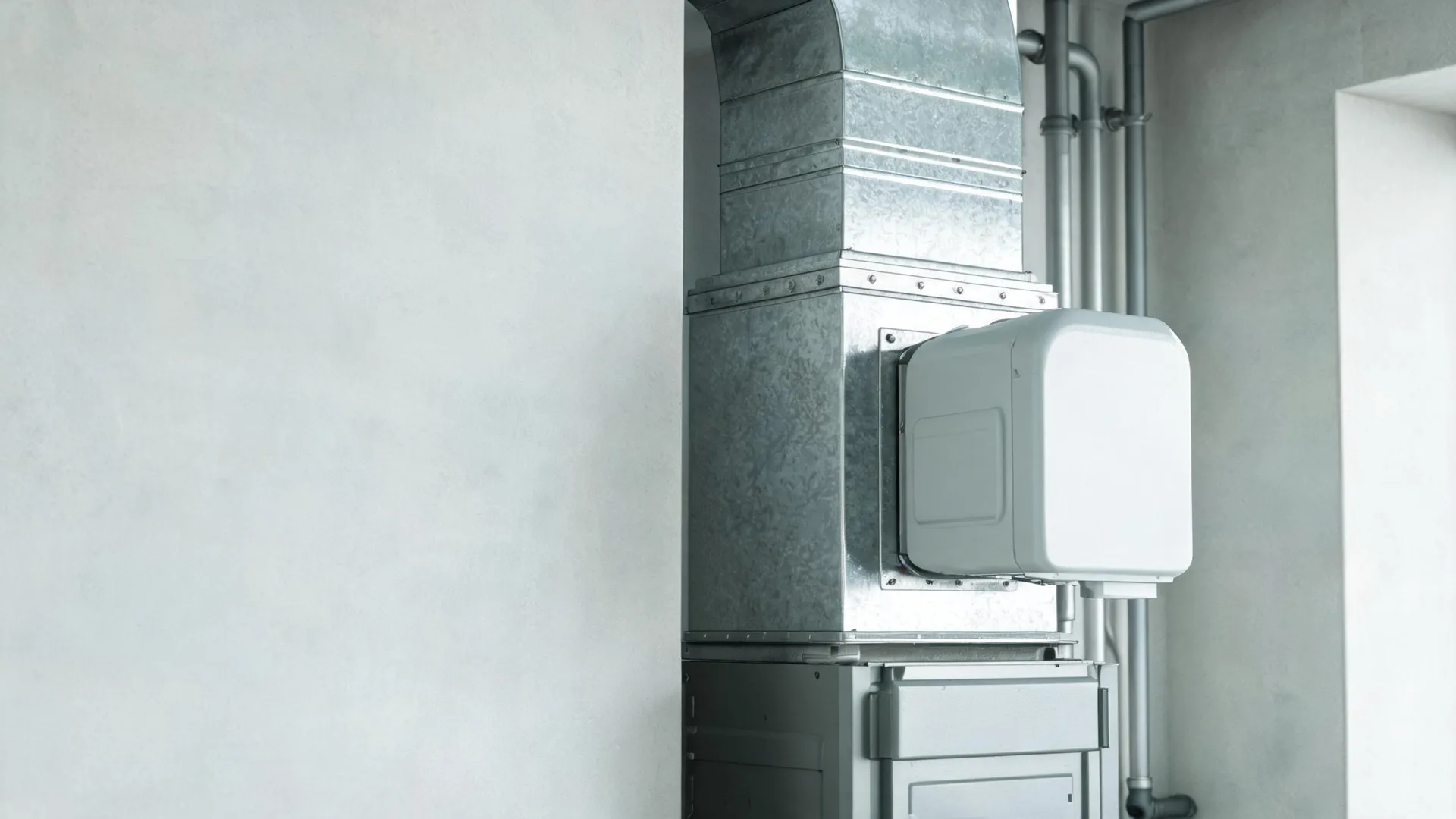
The filter is the only one of these a homeowner can get to without tools, and it does the most damage when it's ignored. A clogged filter starves the system of airflow, so the evaporator coil runs colder than it should and starts icing over. Once ice builds on the coil, airflow drops further and the system cools less while running longer to do it. The condenser coil outside has the opposite job. It needs to shed heat, and dirt and pollen packed into its fins hold that heat in instead, so the compressor ends up working against its own coil. The condensate drain causes trouble a different way. It's just a small line carrying off the water the coil pulls out of the air, and it's an easy place for algae and sludge to collect. Once it clogs, that water backs up into the drain pan, and on most systems a float switch in the pan shuts the whole unit down rather than let it overflow. None of this announces itself early. The filter grays, the coil picks up a film, the drain narrows a little at a time, and the system keeps running until one of them finally stops it.

The wear doesn't stop, it just goes unwatched

A capacitor loses its charge a little at a time whether or not anyone is checking it. A coil picks up dirt and pollen the same way every season. None of that waits for a tech to show up. Skip the check and the system keeps wearing down exactly like it would anyway. The difference is a weak capacitor or a dirty coil gets found the day it finally fails, usually on the hottest afternoon it's asked to work hardest.

A small problem left alone becomes a bigger one

A contactor with a little pitting still closes the circuit, so the system runs and nothing seems wrong. Left alone, the pitting gets worse until the contactor sticks or stops making contact at all. Now the compressor won't start. A weak capacitor works the same way. It still kicks the compressor over for a while, right up until the moment it can't, and the compressor has to fight to start without it. Caught early, either one is a part swap. Caught late, the strain can take the compressor down with it.

An outdoor air conditioning condenser unit positioned beside a blue-sided house at sunset.

Book your AC tune-up in April, before homes here start needing cooling in May.

  1. Jan
  2. Feb
  3. Mar
  4. Apr
  5. May
  6. Jun
  7. Jul
  8. Aug
  9. Sep
  10. Oct
  11. Nov
  12. Dec

A tune-up checks the refrigerant charge, cleans the coils, tests the capacitor and tightens the electrical connections.

A real tune-up ends with the system running, not just inspected sitting still. The tech should fire up the thermostat, let the system run a full cycle, and check how it behaves under load, since some problems only show up once the compressor is working. Static pressure across the air handler is worth checking too, because a filter or duct restriction can choke airflow even when everything else tests fine. The blower wheel gets looked at for dirt buildup, since a dirty wheel moves less air no matter how clean the coil is. Electrical connections at the disconnect and at the unit itself get tightened, since a loose connection generates heat and that heat damages whatever it touches. None of this takes long when the system is healthy. It takes longer, and matters more, on a system that has something starting to go wrong.