







Two illuminated white colonial-style houses with wrap-around porches, flanked by oak trees draped in Spanish moss, photographed at night.

AC Maintenance in Valdosta, GA

Tell us about the job

Takes about a minute. No obligation.

Tune-up, service, or cleaningCentral ACLowndes County, GA
Step 1 of 2

What ZIP code is the job in?

Lowndes County saw 299 severe weather events between 2015 and 2024, and most of that was damaging wind. Wind throws branches and yard debris into the outdoor unit, and the coil can't shed heat right once it's caked with that mess. Hail has hit the county too, and a hailstorm can dent the fins or crack the fan blade without leaving a mark you'd notice from a few feet away. Tornadoes and tropical storms have come through as well, the kind of weather that knocks the power out along with everything else. Almost a third of Georgia households lost power for a day or more in 2024. A unit that was already struggling before the outage is the one still struggling after it comes back on.

6 months
May through October, your air conditioner is on duty
91°F
the average summer afternoon it cools against
12 hail events
in ten years, and hail bends the fins on outdoor coils
269 wind events
in ten years, and wind drives debris into outdoor units
Isometric line illustration of a cutaway house showing interior rooms, ceiling ductwork, an indoor air handler unit, and an outdoor condenser connected by lines along the exterior wall.
Your air conditioner works hardest from May through September.

NOAA nClimDiv, 1991–2020 normals

Half the homes in Lowndes County were built in 1993 or later.

A system that age still has years ahead of it, and a yearly check is what gets it there.

May is when cooling starts here, so April is when it gets checked

Cooling runs May through October
Summer afternoons average 91°F
269 damaging wind events from 2015 to 2024
The cost of skipping it shows up on the billGeorgia homes paid 14.08 cents per kilowatthour in 2024, and a dirty coil burns more of them

Cooling runs May through October here, six months straight, and the afternoon high averages 91°F through June, July and August. That's a long stretch of hard running in real heat, not a few hot weeks. A capacitor or contactor that's been weakening all along tends to give out once the unit is leaning on it every afternoon. Those are small parts, and the kind of wear worth catching before the season starts rather than after it's already run hard for a few months.

Get the outdoor unit checked before storm season gets to it

Have the outdoor unit checked before the next storm rolls through. A technician can clear out debris, check the fins and fan blade, and confirm the unit powers back on the way it should after an outage.

Find a contractor
A man in a cap, dark jacket and work pants carries a canvas tool bag as he walks up steps toward an orange front door of a house with gray siding and a potted shrub.
A gray residential air conditioner condenser unit mounted on a concrete pad in an open grass field.

What's yours to watch, and what isn't

Between visits, keep the area around the outdoor unit clear. Grass clippings, leaves, and anything growing close to the cabinet block airflow across the coil, and a coil that can't shed heat makes the whole system work harder than it should. A couple feet of open space on every side is enough. Check the air filter too, and swap it when it looks gray or clogged. A dirty filter starves the system of airflow, and that shows up as ice on the indoor coil or a system that runs long and still doesn't cool well. Look at the condensate line where it drains outside, and if you ever see water pooling near the indoor unit, that line is clogged or the pan underneath it has backed up. Beyond that, leave the refrigerant, the electrical connections, and anything behind the access panel alone. Those aren't adjustments a homeowner should be making, and opening that panel without the power locked out is a real risk.

The system that still cools fine can still be in trouble

A unit can blow cold air and still be wearing out. A refrigerant charge that's a little low won't stop the air from feeling cool, it just makes the compressor work harder to get there. The warning signs people wait for, warm air or a system that won't turn on, usually mean something already failed. A check catches the weak part before it takes the system down.

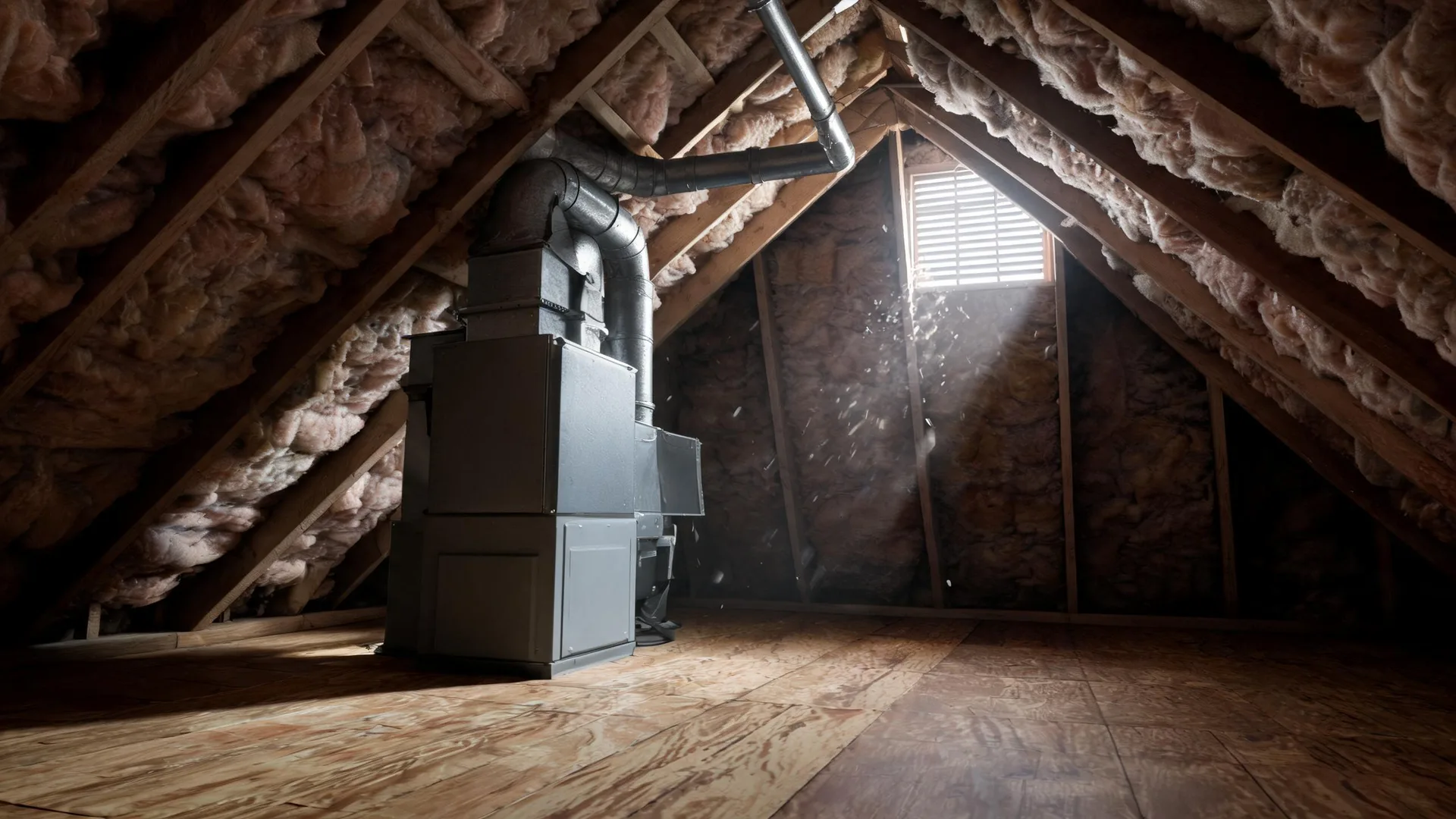
The things worth catching happen out of sight

The condensate drain can clog slowly, a contactor can pit and wear with every cycle, the blower wheel can cake up with dust, and none of it shows on the thermostat. A technician opens the cabinet and looks at the parts directly instead of waiting for a symptom to show up. That's the difference between a check and just waiting to see what breaks first.

Aerial view of a residential air conditioning condenser unit mounted on a concrete pad next to a house with vinyl siding and a sliding glass door.

Book your AC tune-up in April, before homes here start needing cooling in May.

  1. Jan
  2. Feb
  3. Mar
  4. Apr
  5. May
  6. Jun
  7. Jul
  8. Aug
  9. Sep
  10. Oct
  11. Nov
  12. Dec

A tune-up checks the refrigerant charge, cleans the coils, tests the capacitor and tightens the electrical connections.

A tune-up means the panels come off and someone looks at the parts directly. The refrigerant charge gets checked against what the system calls for, since a charge that's even a little off makes the compressor work harder for the same result. The coil gets cleaned if it's dirty, inside and out, because a coil caked with dust or grime can't shed heat the way it should. The contactor and capacitor get checked for pitting and wear, since those are the parts most likely to fail once the system is running hard. The condensate drain gets cleared so it won't back up later. The blower wheel gets looked at too, and cleaned if it's caked with dust, because that affects how much air actually moves through the ducts. None of this is guesswork. It's going through the system piece by piece and confirming each part is doing what it's supposed to before it's asked to do it every day.