






A row of single-story houses, one brick and others with pale siding and covered porches, behind a trimmed hedge and lawn, under large oak trees draped with Spanish moss.

AC Maintenance in Augusta, GA

Tell us about the job

Takes about a minute. No obligation.

Tune-up, service, or cleaningCentral ACRichmond County, GA
Step 1 of 2

What ZIP code is the job in?

Electricity in Georgia runs 14.08 cents per kilowatthour. A dirty coil or a low charge makes the compressor work harder to hit the same temperature, and that shows up on the meter every month the problem sits there. A tune-up catches that early, before the unit is straining just to keep up. In a place where you run the AC for months at a stretch, the cost of a neglected system adds up faster than it would somewhere cooler.

5 months
May through September, your air conditioner is on duty
91°F
the average summer afternoon it cools against
26 hail events
in ten years, and hail bends the fins on outdoor coils
87 wind events
in ten years, and wind drives debris into outdoor units
Isometric cutaway illustration of a small house showing interior rooms, ductwork, an indoor air handler, and an outdoor condenser unit connected by lines, on a plain white background.
Your air conditioner works hardest from June through September.

NOAA nClimDiv, 1991–2020 normals

Augusta summers put five straight months of 91 degree afternoons on this system.

A worn part found in May is a small job. Found in July, it's a breakdown.

Half the AC systems here are young enough that upkeep still pays off

Half the homes here were built by 1980
Cooling runs May through September
Summer afternoons average 91°F

AC here runs May through September. April is the month before that starts, while the unit is still sitting idle. A technician can check the refrigerant charge and clean the coil without a house around it demanding cold air right then. Wait until the system is running every day and that same check turns into a repair done under pressure. A weak part sitting idle in April is easy to find and easy to fix. The same part a month into the heat is the reason a house stops cooling on the afternoon it's needed most.

A tune-up pays for itself here

A neglected system uses more power, and power costs more here. A tune-up pays for itself.

Find a contractor
A man in a dark shirt and tan pants, seen from behind, carries a canvas duffel bag up porch steps toward an orange front door beside a potted shrub.
A gray cylindrical air conditioning condenser unit mounted on a concrete pad next to a light-colored vinyl-sided house exterior.

A newer system is worth keeping that way

A system built within the last decade or two still has most of its working life ahead of it. A yearly check is what keeps it on that path. The technician looks at the refrigerant charge. Checks the coil. Checks the electrical connections and the condensate drain. On a newer system these checks usually confirm nothing is wrong yet. That's the point of doing them every year instead of waiting for a symptom. A weak part caught early stays a small fix. Skip a few years of checks and a sound system starts aging like an old one.

The refrigerant charge is never obvious from the thermostat

A system low on refrigerant still blows cold air, just not as cold as it should, and a thermostat set to a target temperature will hide that for a long time by just running longer to get there. A gauge set on the lines is the only way to see the charge is off before the compressor has spent a season working harder than it needs to.

A coil looks fine from across the room

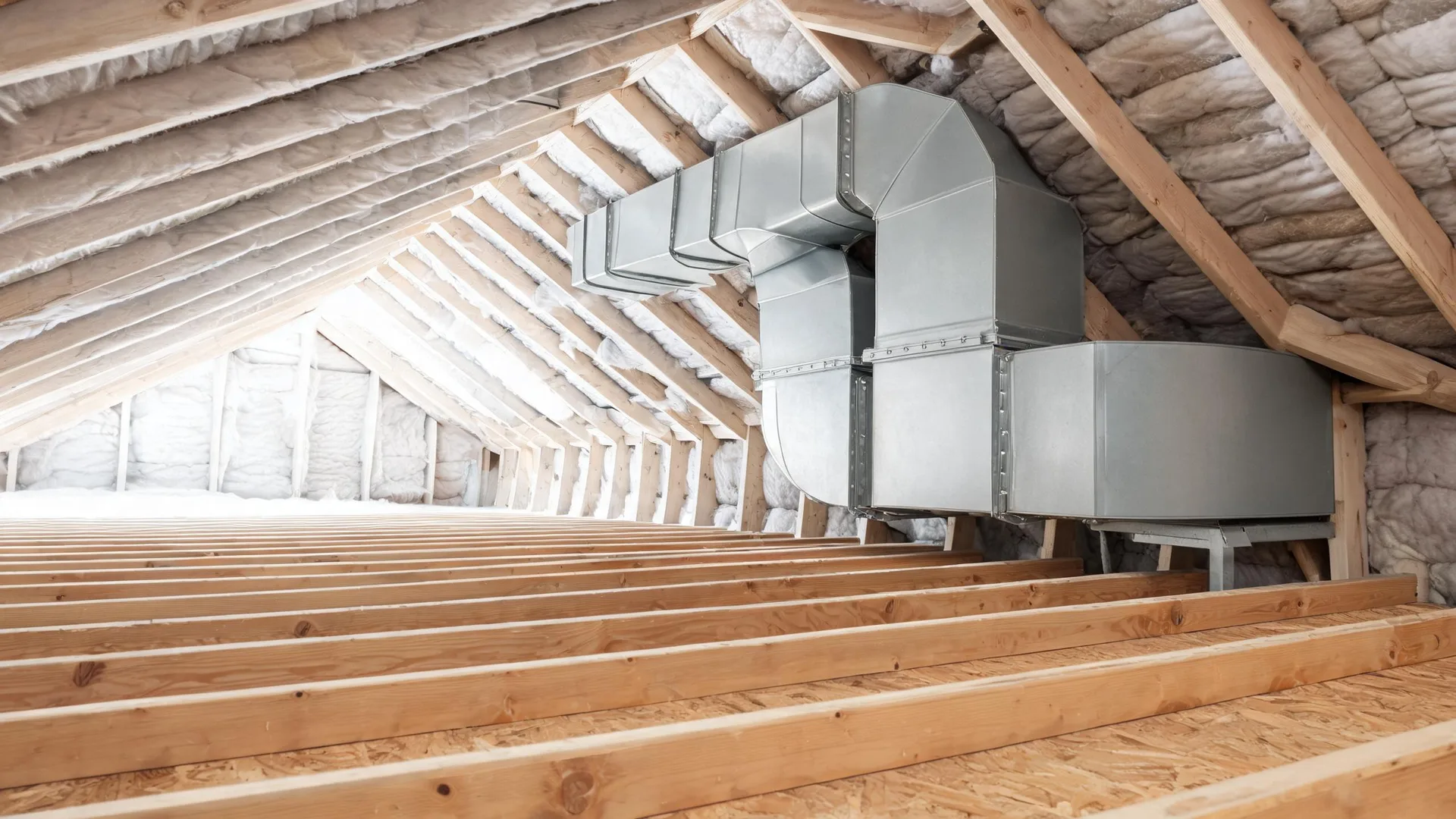
The evaporator coil sits inside the cabinet where nobody looks, and a thin layer of dust on the fins cuts how well it absorbs heat long before the system stops cooling altogether. Pulling the panel and checking the coil is the only way to catch that buildup while cleaning it is still a quick job instead of a teardown.

Aerial view of a residential air conditioning condenser unit mounted on a concrete pad next to a house with vinyl siding and a sliding glass door.

Book your AC tune-up in April, before homes here start needing cooling in May.

  1. Jan
  2. Feb
  3. Mar
  4. Apr
  5. May
  6. Jun
  7. Jul
  8. Aug
  9. Sep
  10. Oct
  11. Nov
  12. Dec

A tune-up checks the refrigerant charge, cleans the coils, tests the capacitor and tightens the electrical connections.

A tune-up starts outside at the condenser. The technician cuts power, pulls the panel if it needs it, and washes dirt and grass clippings out of the fins so the unit can actually shed heat. The fan blade gets checked for wobble, since a blade knocked off balance wears the motor bearing out early. At the air handler, the blower wheel gets inspected for caked-on dust, because a dirty wheel moves less air across the coil no matter how strong the motor is. The contactor and capacitor get checked too, since those are the parts most likely to fail and strand the compressor on a hot afternoon. The condensate drain gets flushed, since a clogged drain backs up and shuts the system off or drips into the ceiling. Every electrical connection gets tightened, because a loose one generates heat and eventually burns itself open.