




An outdoor air conditioning condenser unit installed beside the exterior wall of a blue vinyl-sided house at sunset.

AC Maintenance in Calhoun, GA

Tell us about the job

Takes about a minute. No obligation.

Tune-up, service, or cleaningCentral ACGordon County, GA
Step 1 of 2

What ZIP code is the job in?

AC in Calhoun runs about five months a year, May through September. Afternoon highs sit around 89°F through June, July and August, so the system is working hardest right when it needs to be reliable. One checkup before that stretch starts is enough. There's nothing about the climate here that calls for more than that. Get it looked at in spring, before the heat sets in, and the unit is ready for the months it actually has to earn its keep.

5 months
May through September, your air conditioner is on duty
89°F
the average summer afternoon it cools against
19 hail events
in ten years, and hail bends the fins on outdoor coils
37 wind events
in ten years, and wind drives debris into outdoor units
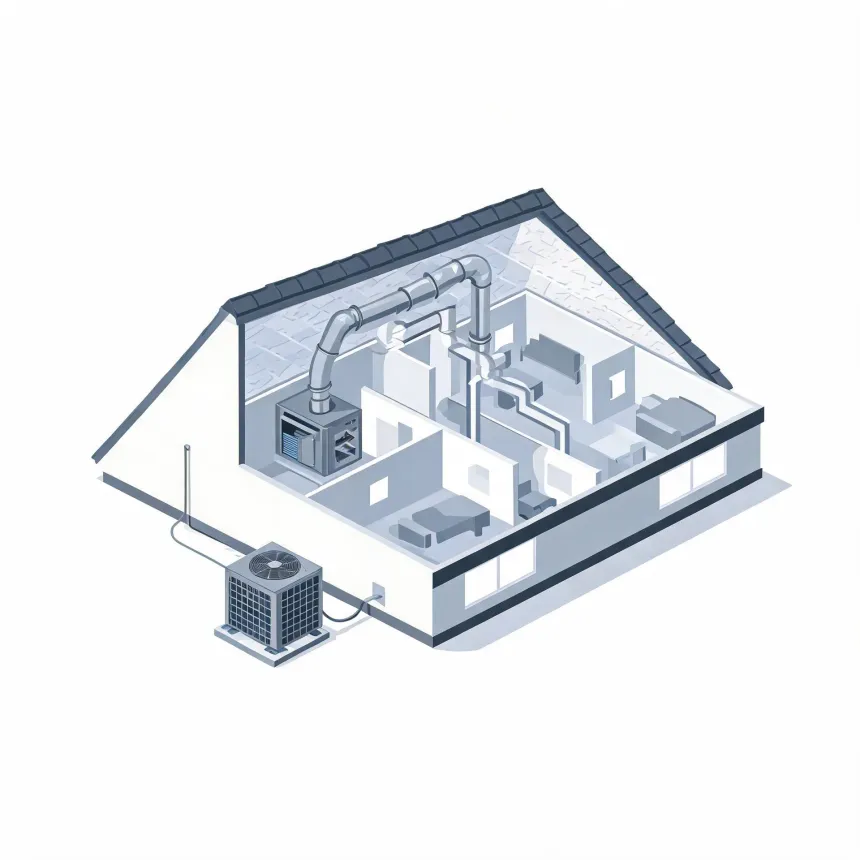
Isometric illustration of a cutaway house showing interior rooms, an attic furnace with large ducts, and an outdoor condenser unit connected by a line set, on a white background.
Your air conditioner works hardest from June through September.

NOAA nClimDiv, 1991–2020 normals

AC in Gordon County starts running in May.

April is when a checkup still gets ahead of it.

The weather here doesn't change this

70 severe weather events from 2015 to 2024
31% of homes statewide lost power a day or more in 2024
37 damaging wind events from 2015 to 2024

A quick visit usually means someone checks the refrigerant pressure, looks at the capacitor, and calls it done. That tells you the unit runs today. It doesn't tell you much about whether it keeps running through the hot months. A thorough one has the condenser coil and evaporator coil cleaned, because a dirty coil makes the compressor work harder and shortens its life. It includes pulling the blower and checking the motor, checking the contactor for pitting, and testing the capacitor's actual capacitance against what it's rated for, not just whether the unit starts. The refrigerant charge gets checked against the manufacturer's numbers, not eyeballed. Ask what gets cleaned and what gets measured. If the answer is just a pressure reading and a glance at the filter, that's the quick version.

Half the homes here were built in 1987 or later

Half the homes in Gordon County were built in 1987 or later, so a lot of these AC systems have years left in them. A yearly check before summer keeps a newer system running the way it's supposed to instead of wearing down early.

Find a contractor
A gray metal air conditioning condenser unit mounted on a concrete pad in a flat grassy field under a partly cloudy sky.

A newer system still needs the yearly check

A system installed within the last decade or two still has most of its working life ahead of it. The yearly check is what keeps it on that track, catching a weak capacitor or a coil going dirty before it turns into a compressor problem. Skip it for a few summers running and a unit that had years left starts losing them.

A dirty filter backs up the whole system

A clogged filter chokes the airflow the evaporator coil needs. The coil gets too cold, ice forms on it, and the system loses its cooling power right when it should be keeping up. Changing the filter on schedule is the one part of this job the homeowner controls between visits.

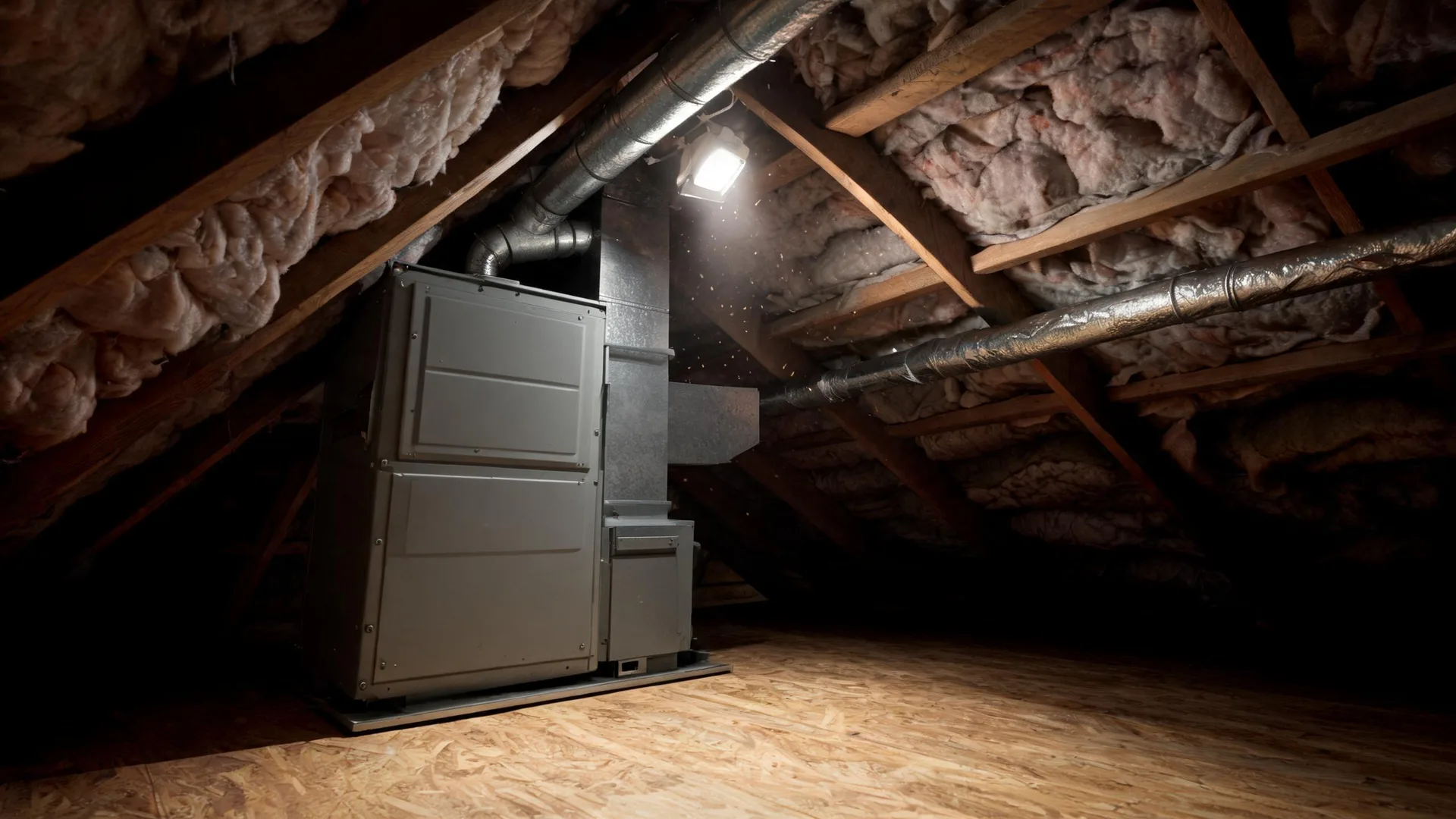
The drain line decides where the water goes

The evaporator coil pulls moisture out of the air all summer, and that water has to leave through the condensate drain. Algae and dirt build up in that line and clog it over time. A clogged drain backs water up into the pan, and from there it can overflow into the house instead of outside where it belongs.

An outdoor air conditioning condenser unit positioned beside a blue-sided house at sunset.

Book your AC tune-up in April, before homes here start needing cooling in May.

  1. Jan
  2. Feb
  3. Mar
  4. Apr
  5. May
  6. Jun
  7. Jul
  8. Aug
  9. Sep
  10. Oct
  11. Nov
  12. Dec

A tune-up checks the refrigerant charge, cleans the coils, tests the capacitor and tightens the electrical connections.

A tune-up covers the electrical side and the refrigerant side of the system. On the electrical side, a tech checks the contactor for pitting, tests the capacitor, and looks at wire connections for heat damage, because a loose or corroded connection is what takes a system down mid-summer. On the refrigerant side, too much or too little charge both make the compressor work harder than it should, so the charge gets checked against what the manufacturer specifies for that unit. The blower wheel gets inspected for dirt buildup too, since a dirty wheel moves less air even when the motor runs fine. The outdoor fan motor and its blades get checked, because a fan that's slowing down or wobbling won't pull enough air through the condenser coil. None of this fixes something that's broken. It finds what's about to be.