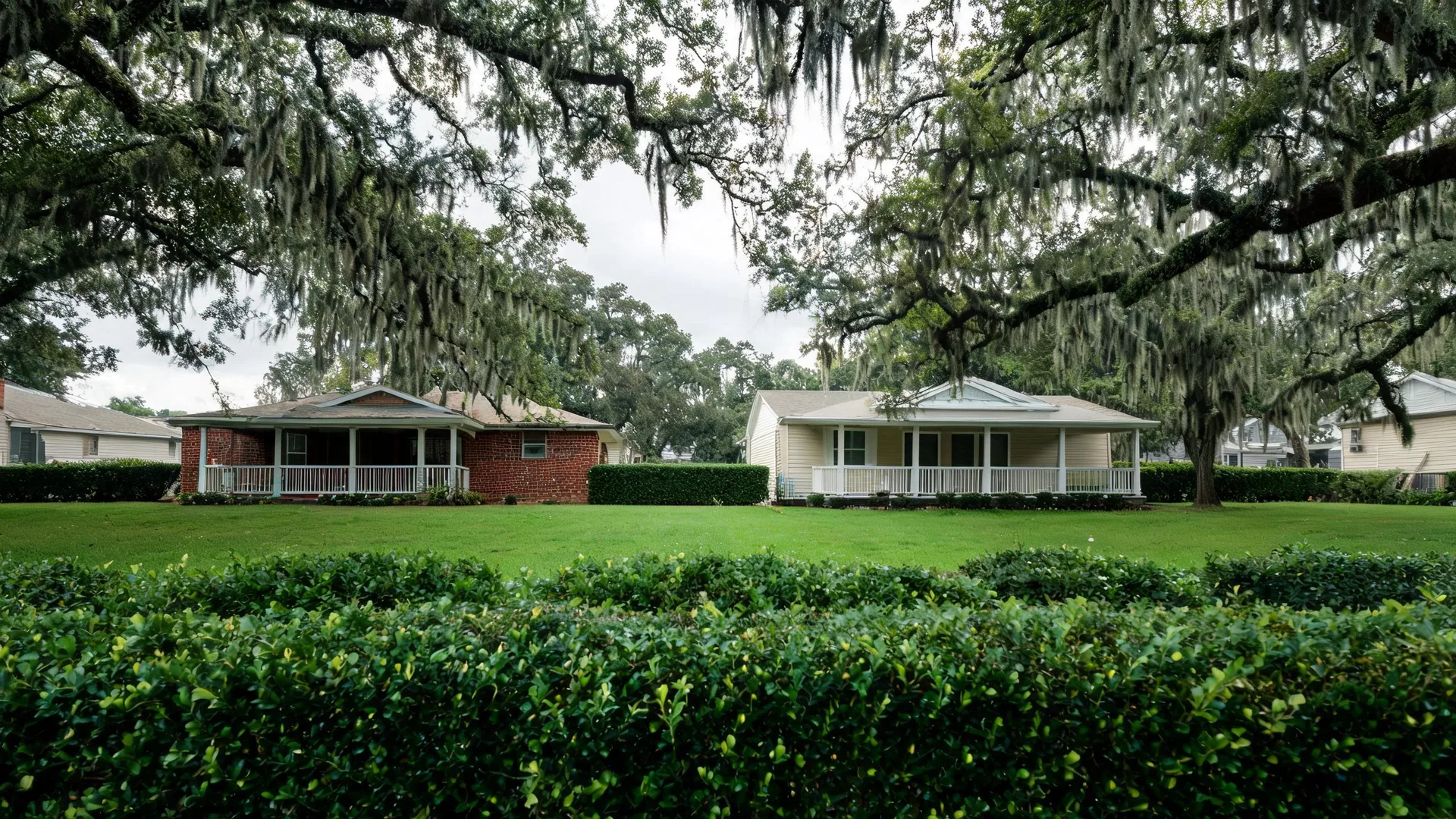





Two single-story houses, one brick and one with pale siding, both with covered porches, sit behind a mowed lawn and a trimmed hedge, framed by large oak branches draped with Spanish moss under an overcast sky.

AC Maintenance in Albany, GA

Tell us about the job

Takes about a minute. No obligation.

Tune-up, service, or cleaningCentral ACDougherty County, GA
Step 1 of 2

What ZIP code is the job in?

Electricity here runs 14.42 cents per kilowatt-hour on average, higher than a lot of the country pays. A dirty coil or a weak capacitor makes the unit work harder to put out the same cooling, and that extra draw shows up on every bill. A unit running clean and with the right charge pulls less power to do the same job. Summers here are long, so the system runs for months at a stretch instead of a few weeks. At this rate, a few extra cents per kilowatt-hour on a unit that barely shuts off adds up to real money over a summer.

6 months
May through October, your air conditioner is on duty
91°F
the average summer afternoon it cools against
11 hail events
in ten years, and hail bends the fins on outdoor coils
105 wind events
in ten years, and wind drives debris into outdoor units
Isometric illustration of a cutaway house showing interior ductwork, an indoor air handler and furniture, connected by lines to an outdoor condenser unit on a pad.
Your air conditioner works hardest from May through September.

NOAA nClimDiv, 1991–2020 normals

Cooling starts up here in May.

Have the unit checked in April, before it has to run hard.

This county gets hit by storms more than most, and that outdoor unit sits outside for all of it

125 severe weather events from 2015 to 2024
31% of homes statewide lost power a day or more in 2024
105 damaging wind events from 2015 to 2024

Six months of cooling is a long stretch for one machine to carry. From May through October it runs against afternoon highs averaging 91°F in June, July and August, and a dew point averaging 70°F those same months, heavier air than most of the country deals with. That's heat to push against and moisture to pull out of the air at the same time. A system doing that for half the year wears in ways a once-a-week unit never does. The capacitor weakens, the coil loses its grip on heat, the refrigerant charge drops a little. None of that announces itself early. It just shows up once July arrives and the unit is already behind.

A unit running clean costs less to run all summer

A tune-up gets the coil clean and the charge right before summer sets in, so the unit pulls less power every time it runs over the months ahead. That's worth fixing before the heat does.

Find a contractor
An outdoor residential air conditioning condenser unit mounted on a concrete pad, surrounded by gravel with a blue sky in the background.

Six months is a long time to run on worn parts

Six months is most of the year somewhere else. Here it's the stretch from May to October, and the unit doesn't get a break between hot days to recover. A worn capacitor or a dirty coil doesn't wait for a slow week to fail, because there isn't one. Get it looked at before May, while there's still time to catch what's already worn.

The filter sits upstream of everything else

A clogged filter starves the system of airflow. The coil behind it needs air moving across it to pull heat out of the house, and without enough air, that coil can get cold enough to ice over. Once ice forms, airflow drops further and the problem feeds itself. A dirty filter also lets dust reach the coil, where it settles into the fins and insulates them from the air passing by.

A clogged drain backs up into the house

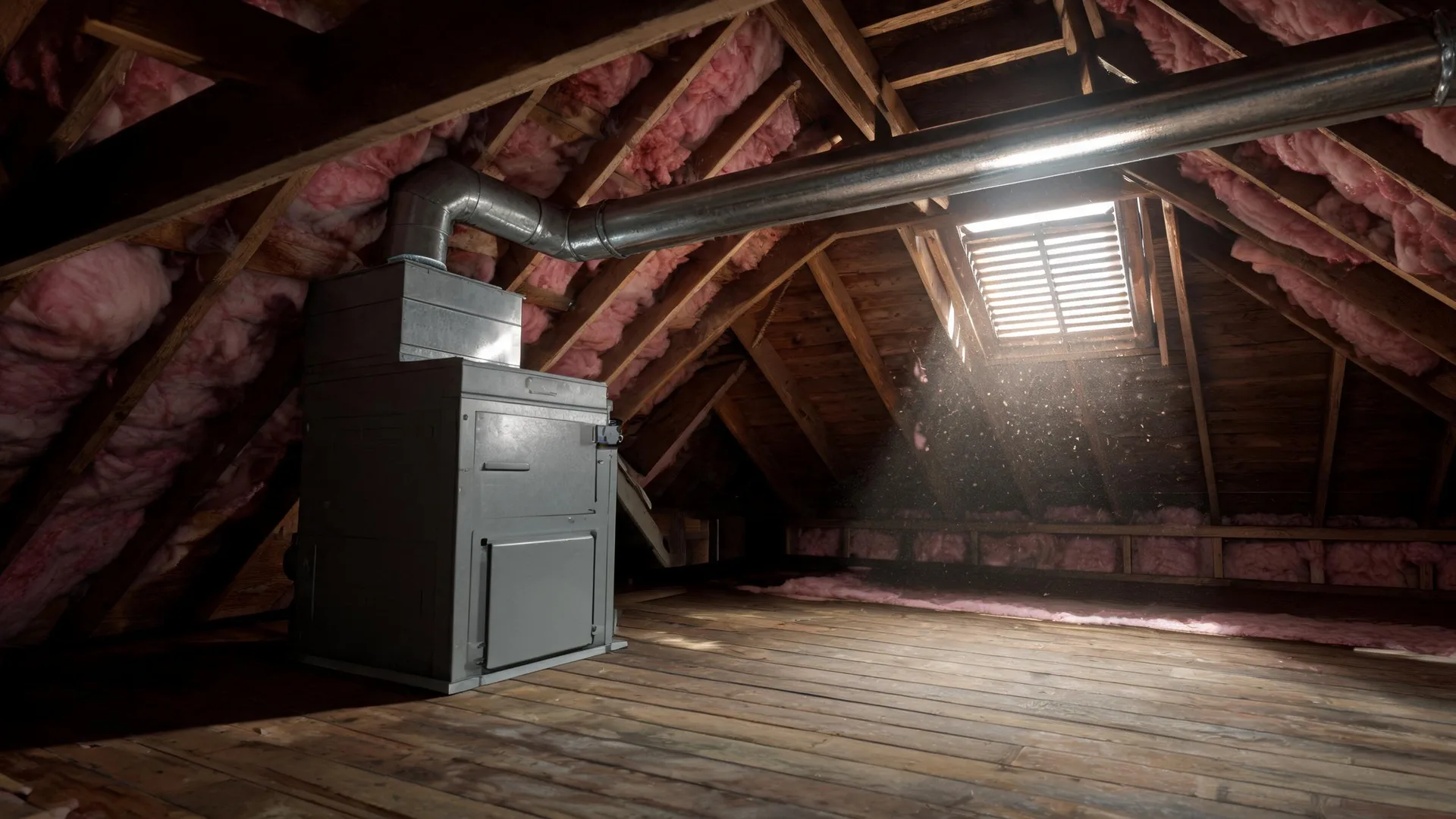
The indoor coil pulls moisture out of the air all day, and that water has to go somewhere. It runs off into a drain pan and out a drain line. Algae and dirt build up inside that line over time and narrow it until water can't get through. When the line backs up, the pan overflows, and the overflow switch, if the system has one, shuts the whole unit down to keep water from spreading into the house.

An outdoor air conditioning condenser unit mounted on a concrete pad next to a blue-sided residential house at sunset.

Book your AC tune-up in April, before homes here start needing cooling in May.

  1. Jan
  2. Feb
  3. Mar
  4. Apr
  5. May
  6. Jun
  7. Jul
  8. Aug
  9. Sep
  10. Oct
  11. Nov
  12. Dec

A tune-up checks the refrigerant charge, cleans the coils, tests the capacitor and tightens the electrical connections.

A tune-up starts with the refrigerant charge, checked against what the system calls for and corrected if it's off. Too little and the coil can't pull heat out of the air the way it should. Too much and the compressor works harder than it needs to. The tech also checks the electrical side: the capacitor that gets the compressor and fan motors started, and the contactor that switches power to them. A weak capacitor shows up as a unit that hums and doesn't start, or shuts off on its own mid-cycle. Both coils get cleaned, since dirt on either one insulates it from the air passing over it. The condensate drain gets cleared so it isn't sitting one clog away from backing up. Fan motors get checked for play in the bearings, and electrical connections get tightened, since a loose connection builds heat and fails right where it sits. None of this fixes something broken. It finds what's wearing down before it takes the rest of the system with it.