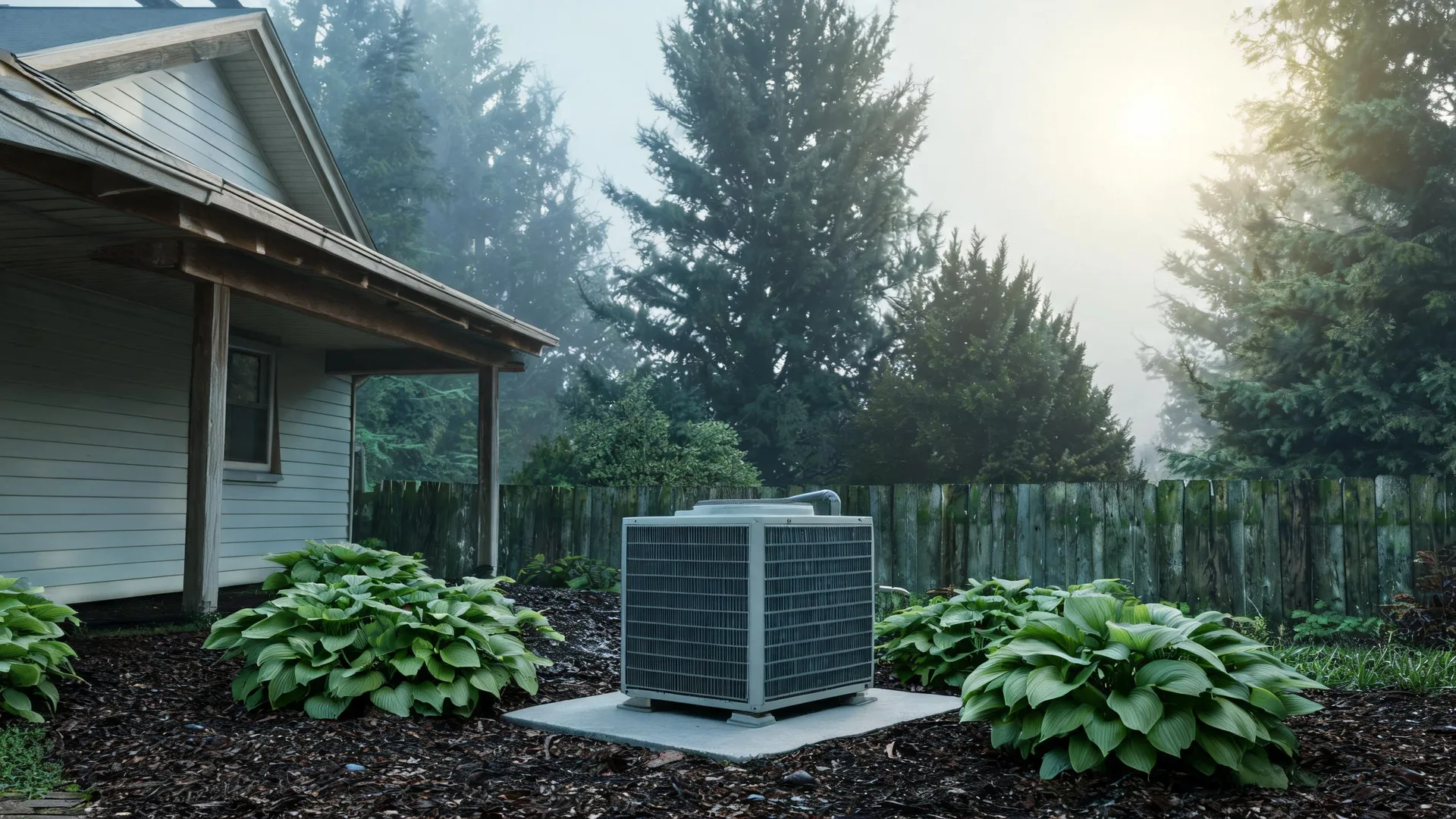
Whitfield County gets hit often
Whitfield County logged 115 severe weather events between 2015 and 2024, 100 of them damaging wind. There were 8 hail events and a tornado touched down once in that stretch. Two tropical storms came through too.
Takes about a minute. No obligation.
Whitfield County logged 115 severe weather events between 2015 and 2024, 100 of them damaging wind. There were 8 hail events and a tornado touched down once in that stretch. Two tropical storms came through too.
The outdoor unit of a heat pump takes whatever the wind throws at it, and hail can dent the coil fins or bend the fan. A unit can keep running after a hit and still have damage that cuts its output or shortens its life.
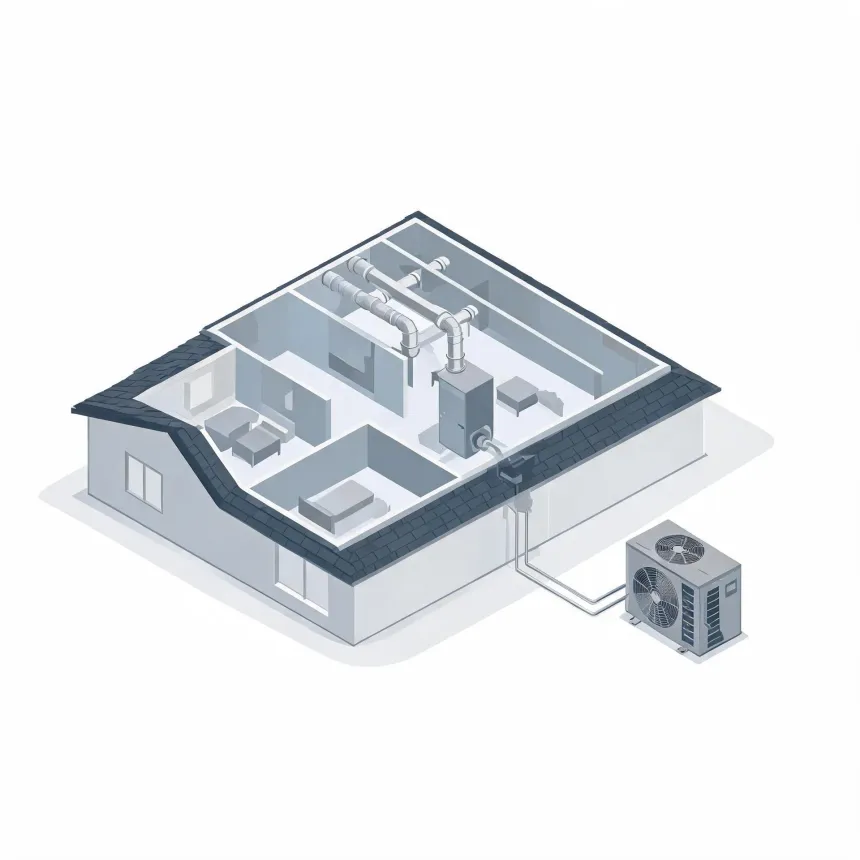
NOAA nClimDiv, 1991–2020 normals
Heat pumps here run heat from October through April, seven months of the year.
A weak part that made it through summer often fails once the system has to run almost every day.



If your heat pump came with the house, it's worth getting a second opinion before anyone talks replacement. A system built with a 1987 or later home still has working parts in it, a board, a motor, a compressor, that a tech can test one at a time. Most failures come down to one part, not the whole unit. Ask the contractor what actually failed and whether that part alone can be swapped. Replacement makes sense when the damage is widespread or the unit is old, not as a first answer.
If hail or wind has come through since your heat pump last ran fine, get the outdoor unit looked at before you write off a repair. A dented coil or a bent fan blade does not always stop the system, it just costs it capacity or years. A tech can check the coil, the fan and the refrigerant charge and tell you which, if any, took damage.
Find a contractorBefore anyone comes out, walk outside and look at the unit itself. Clear away leaves, mulch or anything stacked against it, the coil needs open air on all sides to work. Check that the fan on top spins freely and isn't bent or rattling. Inside, make sure nothing is blocking the vents or return grille, and check the air filter, a clogged one starves the whole system. Look at the thermostat batteries if it has any, and make sure it's actually set to heat or cool and not just fan. If the outdoor unit is caked in ice beyond the thin frost that's normal in a defrost cycle, that's worth noting but not something to chip away at yourself. None of this fixes a bad capacitor or a failing compressor, but it rules out the simple stuff before a tech has to.
A heat pump that gets stuck heating or stuck cooling, or won't reverse at all, usually has a bad reversing valve. That valve is what makes a heat pump different from a plain AC unit, and it's not a part anyone replaces themselves. If the system blows air but it's the wrong temperature for the setting, this is often why.
A heat pump that never shuts off and still leaves the house too warm or too cold is losing capacity somewhere. Low refrigerant charge, a failing compressor or a dirty outdoor coil all show up this way. The longer it runs trying to catch up, the more strain goes on the compressor, which is the most expensive part to replace.
Most heat pump failures trace back to a handful of parts that do the hardest work. The capacitor gives the compressor and fan motors the jolt they need to start, and it weakens with age until one day it can't. A contactor can pit and burn from switching on and off so many times, so the system stops responding to the thermostat at all. The reversing valve, which is what lets the unit flip between heat and cool, can stick in one position and leave you stuck on the wrong mode. Low refrigerant charge is almost never normal wear, it means something is leaking somewhere in the line set or coil. The outdoor coil itself fails slowly, caked with dirt or bent fins choking off the airflow it needs to do its job. A compressor rarely fails on its own, it's usually the last part to go after something else was ignored.
A repair is worth making when the part that failed is one piece of a system that is otherwise sound. A capacitor, a contactor, a blower motor, these fail on their own and swapping one doesn't ask anything of the rest of the unit. Age changes that math some, since a compressor nearing the end of its life can make a smaller repair not worth starting. What matters more than age is pattern. One part failing once is wear. The same system bringing a tech back out every season points to something underlying, like a coil so corroded it keeps opening new leaks, and at that point a repair is just buying a few more months. A good tech will tell you straight which one you're looking at.