







White two-story houses with wraparound porches and Spanish moss-draped oak trees photographed along a residential street at night.

Heat Pump Repair in Canton, GA

Tell us about the job

Takes about a minute. No obligation.

RepairHeat PumpCherokee County, GA
Step 1 of 2

What ZIP code is the job in?

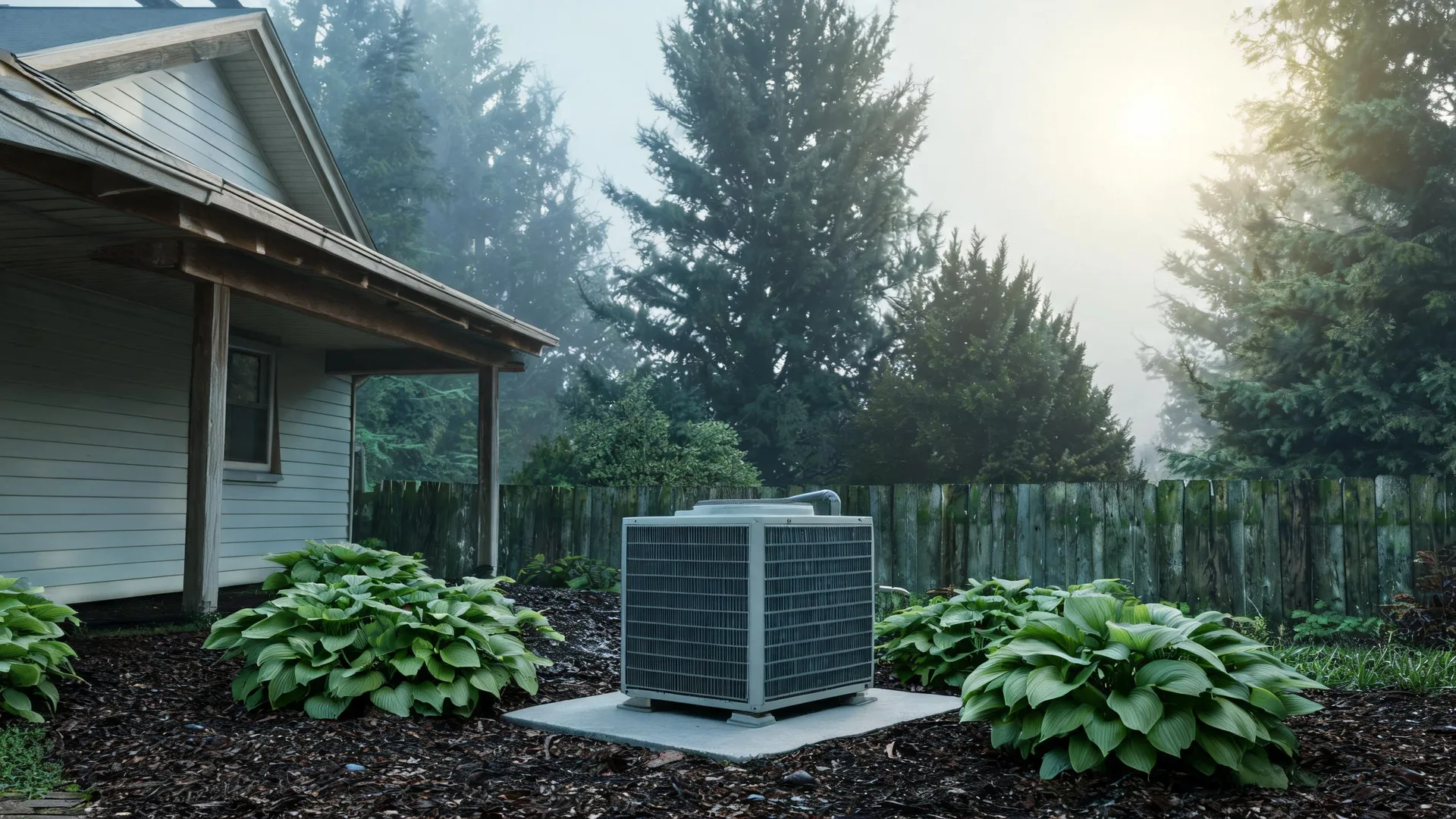
Cherokee County saw 186 severe weather events between 2015 and 2024. Most of that was wind, 149 events, but hail showed up 15 times, and a heat pump's outdoor unit sits right outside to take both. Hail dents the cabinet and bends the fins on the coil. Wind throws branches and debris into the fan. None of that always stops the unit from running, so it can keep working for a while with damage inside it. Three tornadoes and two tropical storms touched the county in that same stretch, on top of the wind and hail.

7 months
October through April, your system heats
5 months
May through September, it cools
33°F
the average winter night it heats against
87°F
the average summer afternoon it cools against
Isometric illustration of a cutaway house showing interior rooms, ceiling ductwork and an air handler, connected by lines to an outdoor condenser unit on a pad beside the building.
Your system heats October through April and cools May through September.

NOAA nClimDiv, 1991–2020 normals

A struggling heat pump pulls harder to make up the difference, and that strain lands on the compressor.

A technician checking it early catches a bent fin or a weak run capacitor before the compressor itself burns out.

Half the homes here were built by 2001, so the system is probably worth fixing

Half the homes here were built by 2001
149 damaging wind events from 2015 to 2024
15 hail events from 2015 to 2024
Built to Take a HitHeat pumps here run almost year round, seven months of heat and five of cooling, so there's little time to catch damage before the next season leans on it.

If your heat pump came with the house, check when that was. A system installed within the last several years has a lot of life left in it, and a repair now is money spent on equipment that still has years ahead. That's worth knowing before anyone tells you to replace it over a bent fin or a bad capacitor. The damage from wind and hail is usually fixable without touching the compressor itself, especially caught early. Get the actual part diagnosed before deciding the unit is done.

Had storm damage this year? Get the unit checked before it costs more

If your outdoor unit sat through a windstorm or a hail pass this year, a look now tells you whether anything bent or cracked inside the cabinet. Catching it before the next storm season is easier than catching it after the compressor's been straining for months.

Find a contractor
A man in a gray long-sleeve shirt and work pants carries a canvas tool bag as he climbs porch steps toward an orange front door of a gray clapboard house, with a potted shrub to the right.
A dark gray heat pump unit mounted on a concrete pad next to a house with gray siding and a stone veneer wall.

No Off Season for the Compressor

A heat pump does not get an off season. A furnace or an AC runs the compressor for part of the year and rests the other part. A heat pump runs it through both, just reversing which side does the work. That doubles the hours on the bearings and windings, and on the reversing valve that switches the system between heating and cooling. That valve moves every time the system changes modes, and it's often one of the first parts to stick or fail, leaving the system heating when you want cooling or stuck the other way. The outdoor fan motor logs the same long hours, and its bearings dry out over time until it hums before it quits. A slow refrigerant leak shows up faster here too, because a system that never really stops is always pulling against that lower charge, and a compressor working harder to hit the same temperature runs hotter and wears faster. None of that means the equipment is weak. It means every part is working all year, so a problem in any one of them does not get a quiet season to hide in.

What you can look at yourself

Check the thermostat is set to call for heat or cooling and has power. Look at the outdoor unit for leaves, pine straw or a branch caught in the fan grille, and clear anything loose by hand. Check the breaker for the unit hasn't tripped. Pull the air filter and hold it up to a light; if you can't see through it, swap it. Look along the ground near the outdoor unit for ice built up on the coil or the line set, especially after a cold snap.
What to leave alone

Don't take the cabinet panels off the outdoor unit. The capacitor inside holds a charge even with the power off, and the fan can start on its own if the thermostat calls for it while you're near the blades. Don't try to straighten bent fins on the coil with anything but the right tool, since pressing on them the wrong way closes off more airflow than it opens. If the unit is icing over on its own outside of a defrost cycle, or making a grinding or screeching noise from the outdoor fan, that's a part already failing and worth getting looked at rather than run.

A heat pump usually tells you something is wrong before it quits outright. Short cycling is one of the clearest signs: the system kicks on, runs a few minutes, and shuts off again without finishing a full heating or cooling cycle. Warm air blowing when it should be cold, or the reverse, often points to a stuck reversing valve rather than anything with the thermostat. Ice on the outdoor coil that doesn't clear during a defrost cycle means the defrost control or a sensor isn't doing its job. A hissing sound near the lines can mean a refrigerant leak, and a system low on charge will run long and still struggle to hit the set temperature. Grinding or screeching from the outdoor unit is almost always a motor bearing going bad, not something that gets better on its own. Any of these is worth a diagnosis before the part it's straining pushes the compressor into failing too.

Repair or replace usually comes down to what actually broke and what it would take to fix. A cracked capacitor, a failed fan motor, a bad sensor, these are normal wear parts and swapping one out doesn't say anything bad about the rest of the system. The compressor is different. It's the most expensive part in the unit, and if that's what's failing, the repair bill starts competing with the cost of a new system rather than just fixing the problem. Age matters alongside the part. A unit still well within its expected life is worth repairing almost regardless of what broke, because the rest of the system still has years in it. One that's already near the end of what a heat pump typically lasts is a different conversation, especially if this isn't the first repair it's needed. A technician who tells you the specific part and what it takes to fix it is giving you something to weigh. Anyone who skips that and goes straight to recommending a whole new system hasn't given you anything to check.