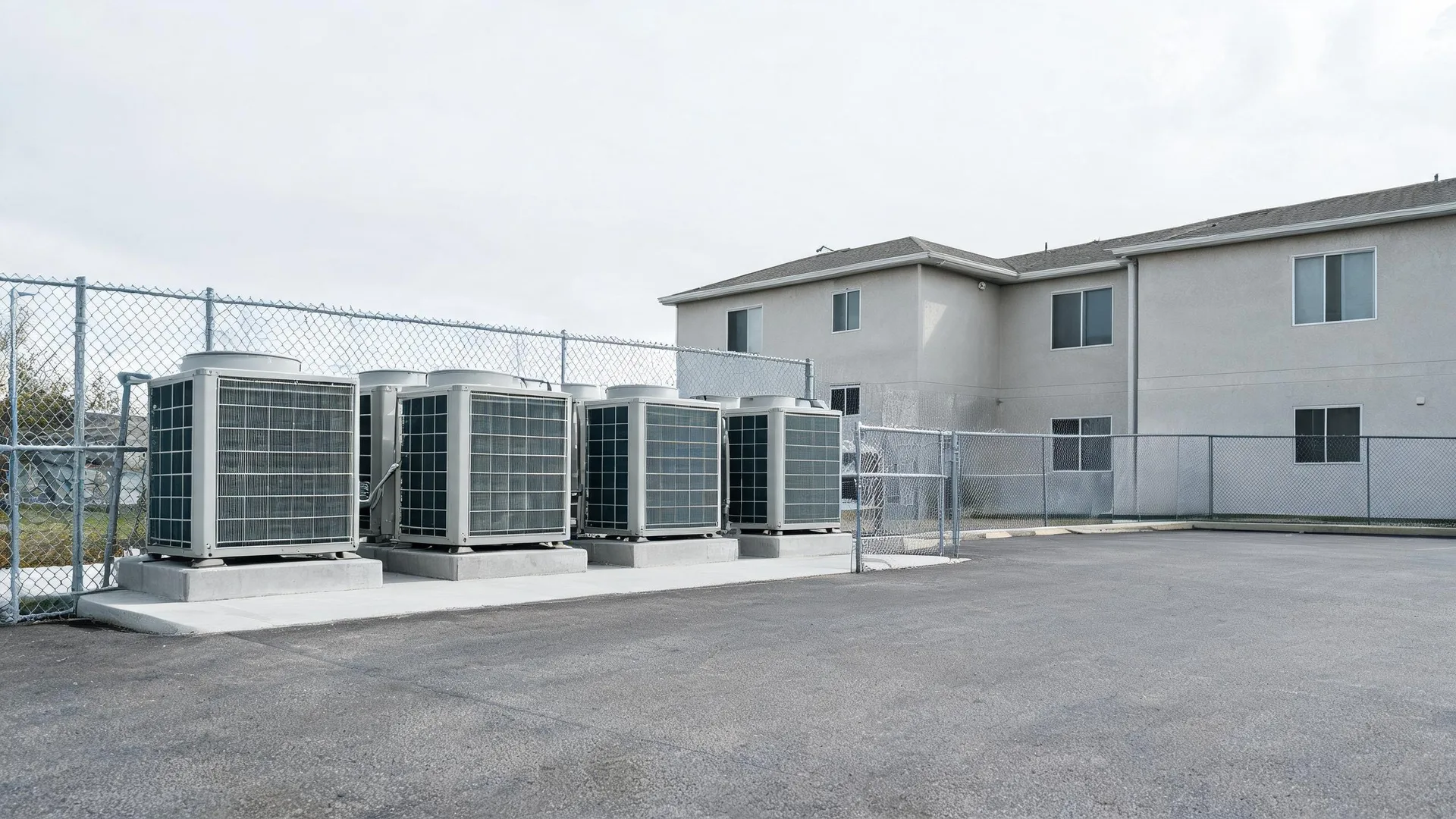
April and October are when trouble shows up
Your heat pump switches jobs twice a year, into cooling in May and into heat in November. The first real stretch of hot or cold is what finds a weak part, not the months of steady running after.
Takes about a minute. No obligation.
Your heat pump switches jobs twice a year, into cooling in May and into heat in November. The first real stretch of hot or cold is what finds a weak part, not the months of steady running after.
A heat pump struggling in its first week of heat or cooling usually has a specific problem, not a vague one. Getting it looked at early means the fix is more likely to be the small thing and not the thing it led to.

NOAA nClimDiv, 1991–2020 normals
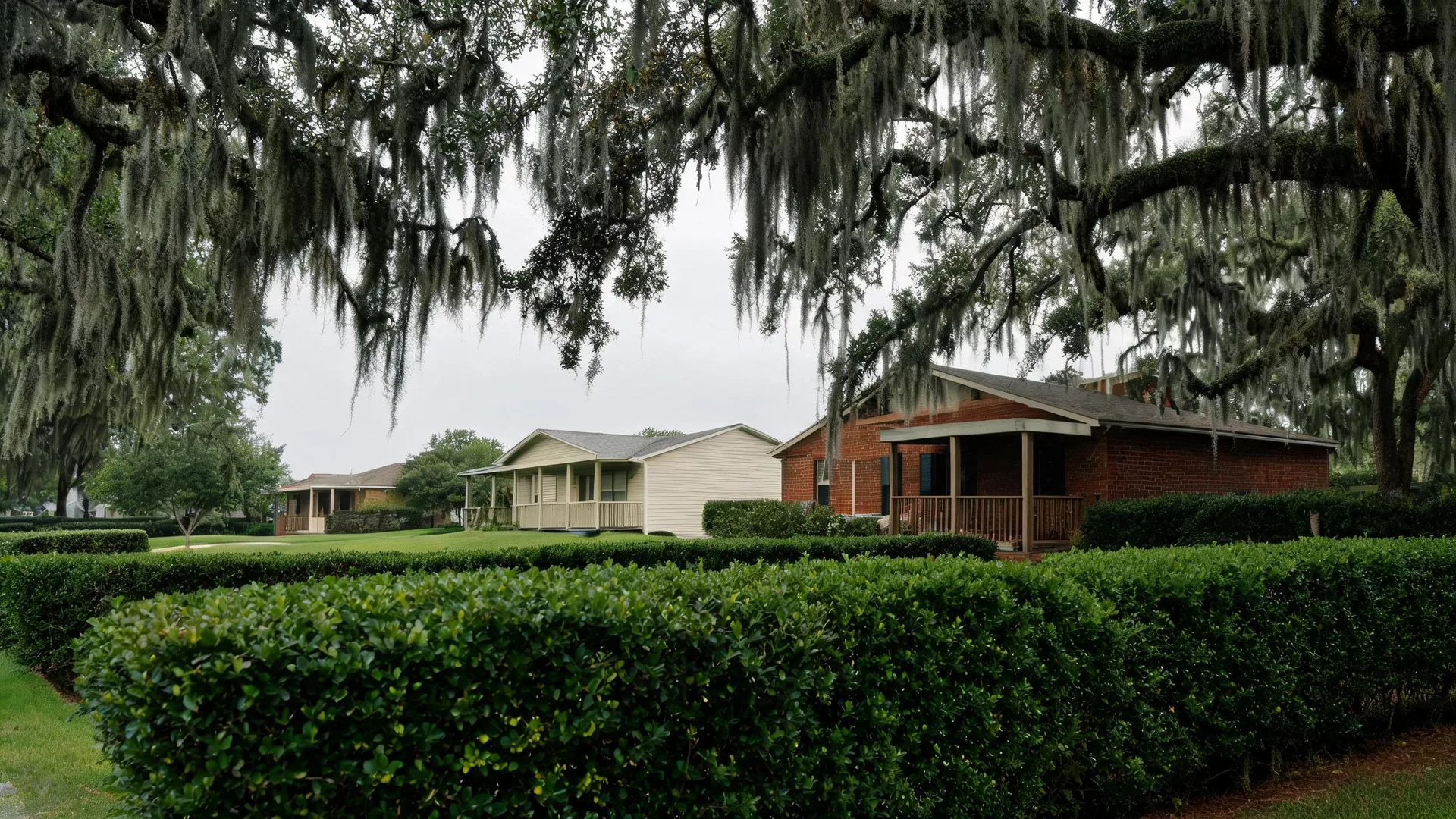
Athens summers run long and muggy, with a dew point near 67°F in June, July and August.
Your heat pump is built to handle that kind of load, so if it's struggling, something in it needs attention, not a different climate.




If your house is one of the newer ones here, that works in your favor when you're deciding what to do about a heat pump that's acting up. A system that came with a house built in the last couple decades hasn't usually hit the point where it's worn out across the board. A repair technician can tell you what's actually failed and whether it's a fair fix, and most of the time, on a newer system, it is. Ask what part failed and why, not just what it costs to fix. That answer tells you whether it's a one-time problem or the start of a pattern.
Problems tend to show up in the first weeks of the season, when the load hits a part that was already weak.
Find a contractorA heat pump that's struggling doesn't rest just because nobody's touching the thermostat. It keeps running to make up for whatever's off, and that extra runtime lands on the part that's already weak. A compressor working against a low charge runs hotter than it should, and heat is what wears a compressor down over time. A fan motor with a failing bearing keeps turning anyway, and the bearing wears faster under load than it would idle. A coil that's caked with dirt forces the system to move more air to get the same heat transfer, so everything downstream, the compressor included, works harder to keep up. None of that fixes itself. The part doesn't recover because the cycle ended. Left alone, a small problem tends to become a bigger repair, not because time passed, but because the machine kept working while something inside it was already failing.
A heat pump has to do what an air conditioner does and then run the cycle backward, and that extra job is where most failures start. The reversing valve can stick partway, so the system heats when it should cool or blows room-temperature air either way. A refrigerant charge that's run low makes the compressor work harder for less heat, and over time that heat wears the compressor down. Outside, the defrost cycle depends on a sensor and a control board talking to each other correctly. When that fails, ice builds up on the outdoor coil and chokes off the airflow it needs to work at all.
A technician checks the refrigerant charge, tests the reversing valve under both cycles, and looks at the outdoor coil for ice or dirt before deciding what's wrong. Guessing based on symptoms alone gets it wrong often enough that it's not worth skipping the check. A system that's short-cycling or running constantly can point to several different parts, and only testing each one tells you which it actually is. Fixing the wrong part means paying twice, once for the mistake and once for the real problem.
Most of the time the machine tells you something is wrong before it quits outright. Air coming from the vents that's cooler than it should be in winter, or warmer than it should be in summer, often means the reversing valve isn't fully switching. A hissing or bubbling sound near the indoor unit can point to a refrigerant leak. Ice on the outdoor unit during the day, not just overnight, usually means the defrost cycle isn't kicking in when it should. Short cycling, where the system turns on and off in quick bursts instead of running a full cycle, puts strain on the compressor every time it restarts. A system that runs constantly without ever reaching the set temperature is working against something, whether that's low charge, a dirty coil, or a motor that's lost strength. Any of these is worth a call. None of them fix themselves.
A technician looks at a few things before saying whether a heat pump is worth fixing. Age against the part that failed is one. A compressor or a reversing valve going bad on a system that's otherwise sound is a different conversation than the same failure on a system where other parts are also near the end. How the system got looked after matters too. One that's had regular filter changes and coil cleaning tends to fail part by part, which is easier to justify fixing than a system that's been neglected and starts failing on several fronts at once. The clearest sign it's worth replacing isn't one big failure, it's a pattern, the same system needing a service call every season for something different. A single failed part on a system that's otherwise been reliable is usually worth repairing. A string of them is the system telling you it's done.