






A gray outdoor HVAC condenser unit mounted on a concrete pad in the front yard of a two-story suburban house.

Heat Pump Repair in Fort Oglethorpe, GA

Tell us about the job

Takes about a minute. No obligation.

RepairHeat PumpCatoosa County, GA
Step 1 of 2

What ZIP code is the job in?

A heat pump here spends the summer moving heat, not fighting for it. Catoosa County sits in zone 3A, a warm climate with a long cooling season and only a short, mild winter. The strain on a system comes from how hard it has to work, and the muggy air here, with a dew point averaging 66°F through June, July and August, asks more of the system than dry heat does. But that is still a steadier, gentler load than the deep cold or the extreme swings other parts of the country put on this same equipment. A heat pump that breaks down here is more often showing its age or a skipped tune-up than the scars of a hard life. That usually means a repair gets it back to normal, not just buys time.

7 months
October through April, your system heats
5 months
May through September, it cools
33°F
the average winter night it heats against
88°F
the average summer afternoon it cools against
Isometric grayscale illustration of a cutaway house showing interior rooms, ductwork and an indoor air handler connected by lines to an outdoor condenser unit on the ground outside.
Your system heats October through April and cools May through September.

NOAA nClimDiv, 1991–2020 normals

A heat pump won't run if it thinks a door is open.

Check that the outdoor unit's panels are seated and the thermostat is set to call for heat or cool before anything else.

Half the homes here were built in 1993 or later, and the equipment in them is just as young

Half the homes here were built by 1993
Power here costs 13.96 cents per kilowatt-hour
Climate zone 3A

October is when heat takes over here, and that first cold snap is when a weak part finally gets tested. A heat pump that has been limping along on a tired capacitor or a low charge can coast through mild weather without showing it. Once overnight lows start dropping toward that 33°F winter average, the system has to run longer and harder to keep up, and that is when the weak part gives out. The same thing happens in reverse come May, when cooling kicks back on after months of sitting idle. If your heat pump is acting up right at the start of one of these runs, that timing is a clue, not a coincidence.

A newer system is usually worth repairing, not replacing

If your heat pump came with a house built in 1993 or later, it's not old by the standards of this equipment. A repair now is the reasonable step, not a stopgap before a bigger bill. Get it looked at and let the diagnosis tell you what it actually needs.

Find a contractor
A man in a dark shirt, cap and tan pants, seen from behind, steps onto a porch toward a red door while carrying a canvas tool bag, with a potted shrub to the right.
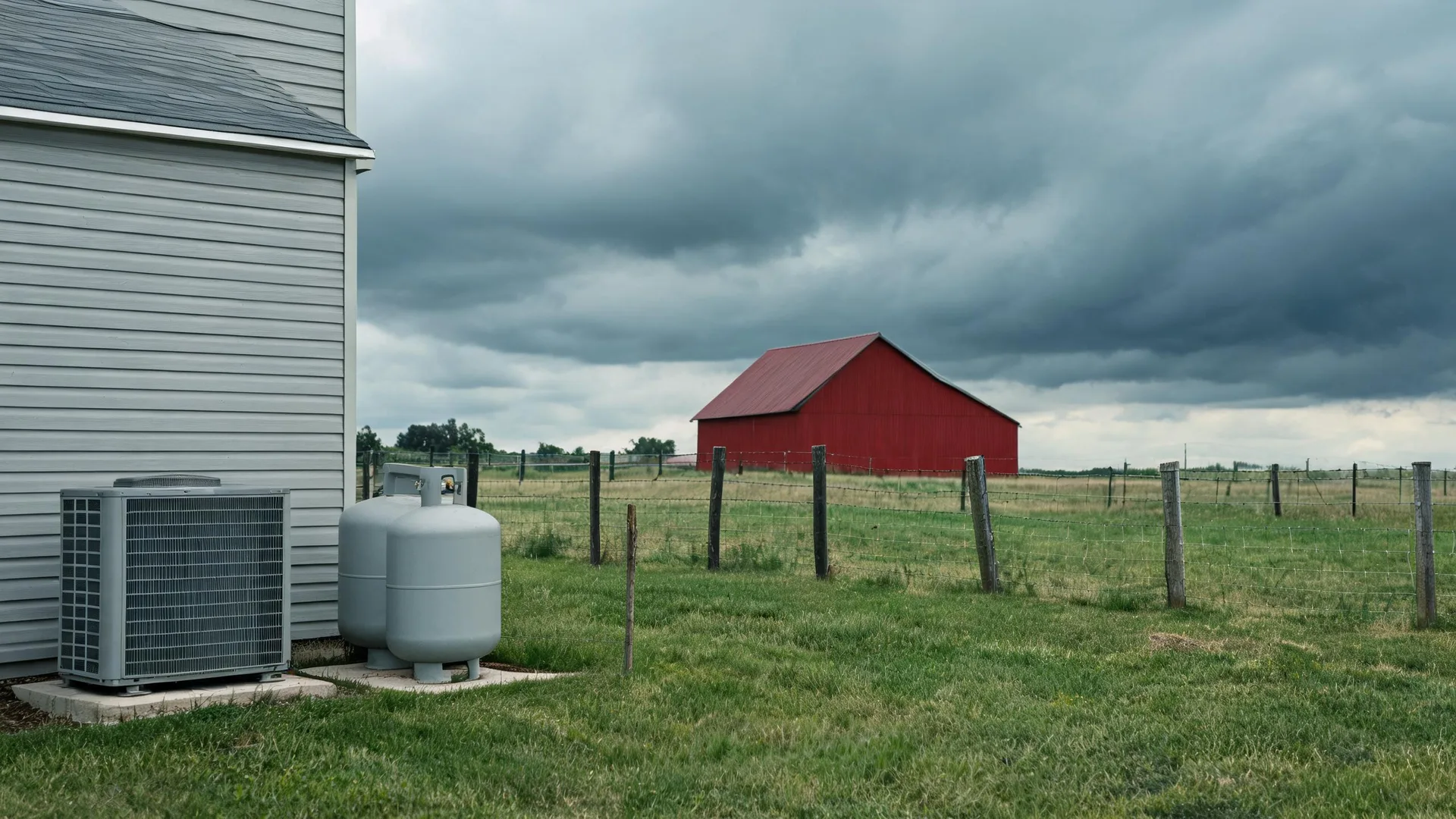
A residential heat pump outdoor unit mounted on a concrete pad next to a house with gray vinyl siding.

An easier job, logged hour by hour

This machine isn't running flat out to keep up with the kind of heat or cold that pushes equipment toward early failure. Day into night, it's cycling on and off as needed, not straining the whole time. That's the kind of use that lets parts wear out on their own schedule instead of being pushed past it. When something does fail, fixing that one part is usually enough. The rest of the system hasn't been beaten up by the job it's had to do.

The signs are rarely subtle

A heat pump in trouble tells you. Air coming from the vents that is lukewarm instead of properly hot or cold. Ice building up on the outdoor unit that doesn't clear on its own. A hissing or bubbling sound near the lines, which points to refrigerant escaping. Short cycling, where it kicks on and shuts off again within a few minutes. Any of these means something inside has stopped doing its job, not that the house needs a different temperature setting.
Noise and smell matter more than people think

A grinding or squealing sound from the outdoor unit usually means a motor bearing is failing. A burning smell from the vents means something electrical is overheating and needs to be shut off, not watched. A musty smell points to moisture sitting somewhere it shouldn't. None of these get better with time. Catching them early is usually the difference between replacing one part and replacing several.

A heat pump fails for a short list of reasons, and most of them show up in the same few parts. The reversing valve is the part unique to a heat pump, and when it sticks, the system keeps running but stops switching between heating and cooling. The capacitor that gets the outdoor fan or compressor started wears down over years of cycling until one day it doesn't have enough left to do the job. Refrigerant doesn't get used up, so a low charge almost always means a leak somewhere in the lines or coil, not normal wear. A dirty outdoor coil makes the whole system work harder to move heat, and over time that strain is what takes out a compressor. The defrost board and sensor that tell the system when to melt ice off the outdoor unit can fail too, and when they do, ice builds up and chokes the airflow. Most of these show warning signs before they cause a full breakdown, which is why a yearly check catches a weak part while it's still just a weak part.

Repair versus replacement comes down to what else the system needs once that one part is fixed. If the compressor is still good and the coils aren't corroded through, replacing a capacitor or a control board gets the whole system back to normal, not just running again for now. Age matters less than condition. A unit that's had regular tune-ups and clean filters over the years tends to have a lot of life left in the parts that are expensive to replace, even when the part that failed is cheap. What changes the math is when the compressor itself is failing, or when a coil has leaked more than once. At that point you're paying to fix the same system repeatedly instead of paying once for one that works. A technician checking refrigerant pressures, electrical draw, and the condition of the coils can tell you which situation you're actually in, rather than guessing from the age on a nameplate.