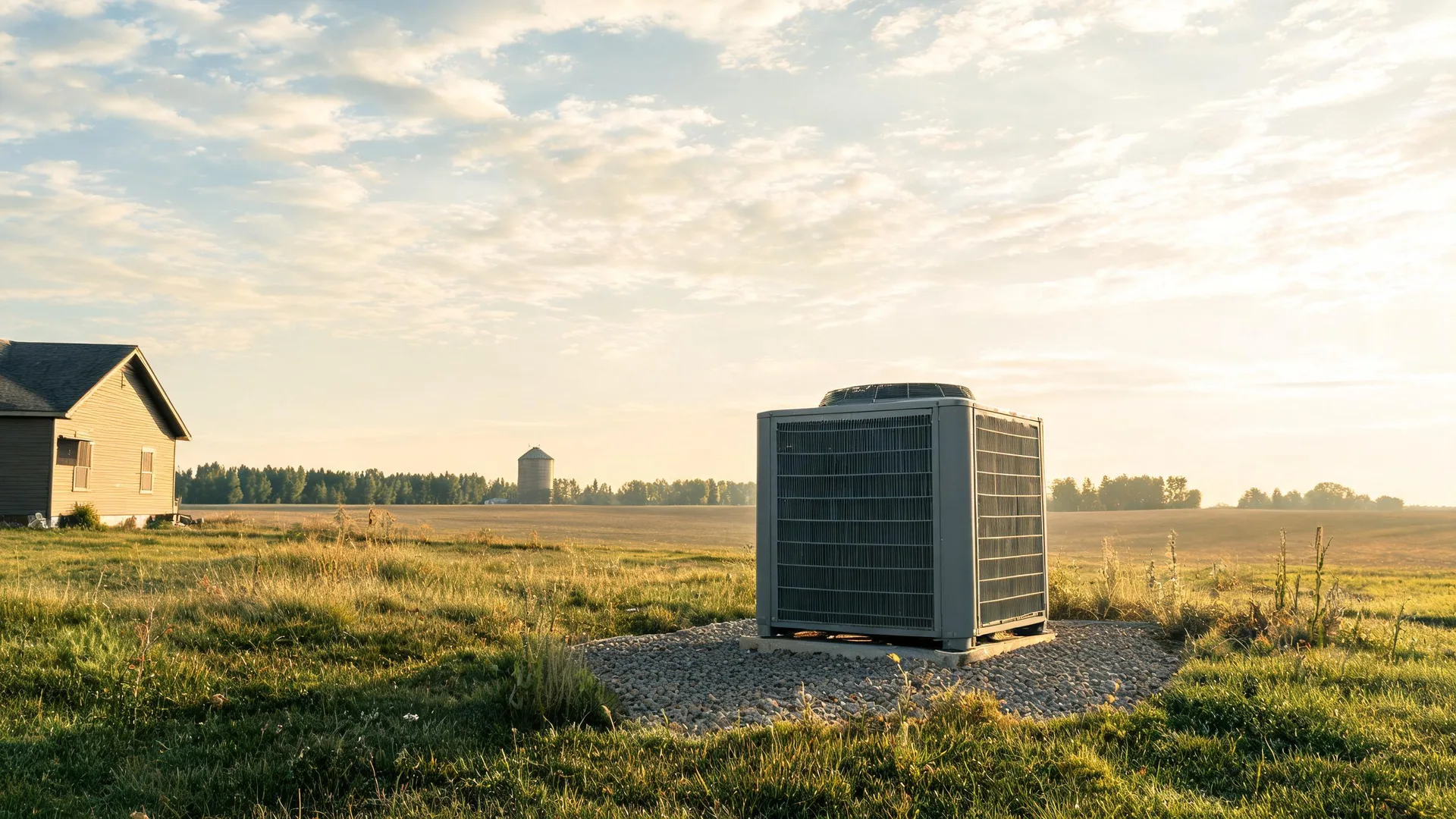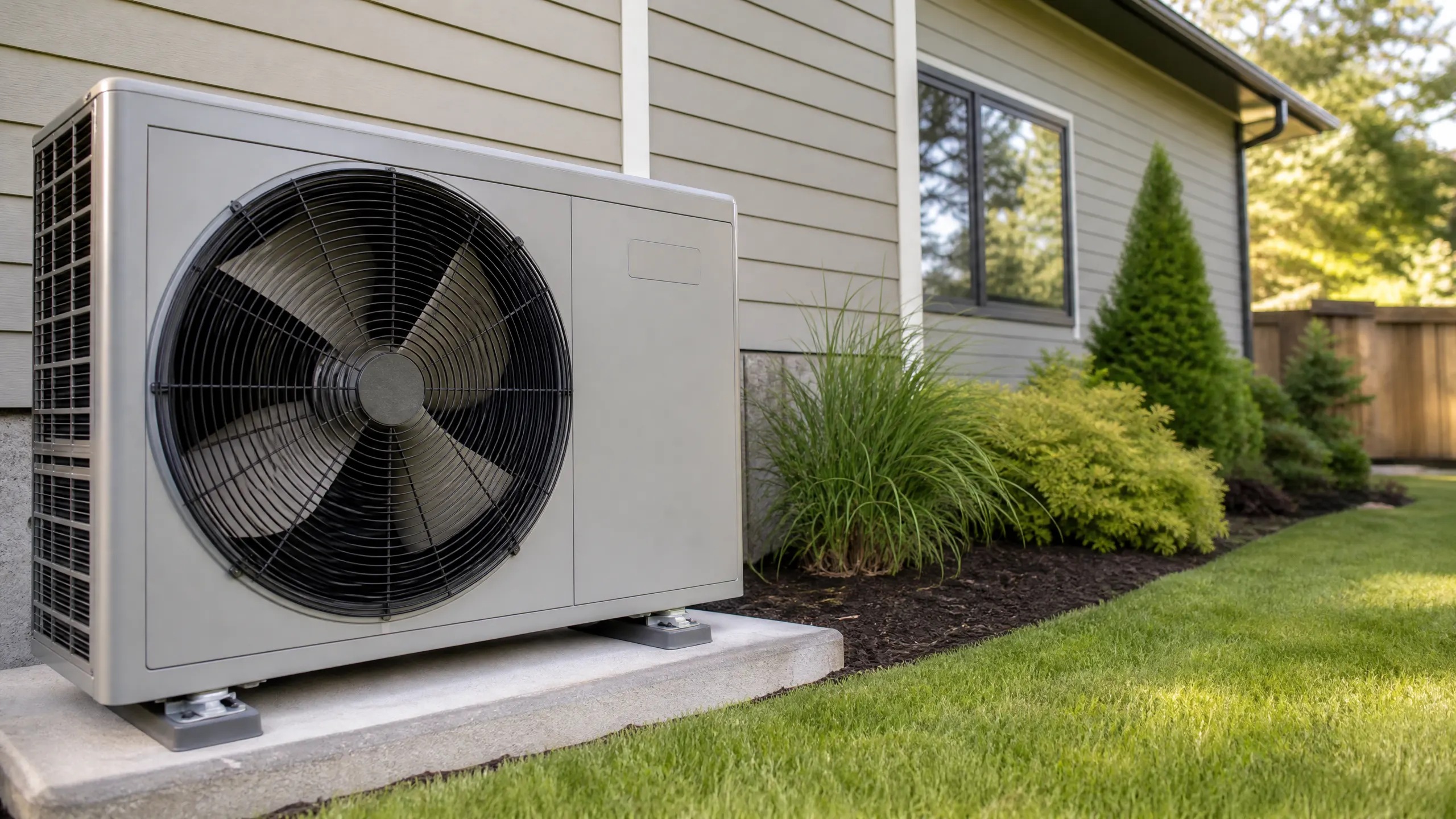
An outdoor heat pump unit mounted on a concrete pad beside a house with beige siding and a landscaped garden bed.

Heat Pump Repair in Savannah, GA

Tell us about the job

Takes about a minute. No obligation.

RepairHeat PumpChatham County, GA
Step 1 of 2

What ZIP code is the job in?

Weather here is hard on outdoor units

Chatham County logged 343 severe weather events between 2015 and 2024. Damaging wind made up most of that count, and hail and tornadoes hit too. The outdoor unit sits outside year round and takes whatever comes through.


A unit that still runs may still be hurt

Hail can dent the coil fins and bend the fan. Wind-blown debris can get into the cabinet. A heat pump that turns on and blows air can still be running on damaged parts, so a check after a storm catches what the thermostat can't tell you.

5 months
November through March, your system heats
6 months
May through October, it cools
42°F
the average winter night it heats against
91°F
the average summer afternoon it cools against
Isometric line illustration of a cutaway single-story house showing interior rooms, ceiling ductwork, an indoor air handler unit, and an outdoor condenser connected by a line set.
Your system heats November through March and cools May through October.

NOAA nClimDiv, 1991–2020 normals

Half the homes in Chatham County were built in 1986 or later.

A heat pump in a newer Chatham County home is usually worth repairing rather than replacing.

If your heat pump came with a newer house, get it looked at before you replace it

Half the homes here were built by 1986
246 damaging wind events from 2015 to 2024
Power costs 14.08 cents a kWh statewide

Your heat pump runs hardest right when the season turns, and that's when a weak part finally gives out. Cooling starts in May here, so April is worth a look before the first real heat. Heat starts in November, so October is the other one. A capacitor or contactor that limped through last season on milder days can fail the first week it has to run nonstop. Storm damage works the same way. A bent fin or a cracked line set might not show up on a mild day, then fails the first time the system has to work for hours straight.

After a storm, check the outdoor unit before you trust it

If your heat pump has been outside through a storm this year, get the outdoor unit checked, even if it still turns on. Hail and wind-blown debris don't always stop a system from running, they just stop it from running right.

Find a contractor
A gray heat pump condenser unit mounted on a concrete pad against the gray lap-siding exterior wall of a house.

246 storms between 2015 and 2024, and this unit rode out every one

Damaging wind hit Chatham County 246 times between 2015 and 2024. Your outdoor unit sat through every one of those. A fan blade knocked out of balance last year runs rough this year. A contactor that took a surge keeps working until the day it doesn't. None of that shows up as a sudden breakdown. It shows up as a system that runs a little worse each season until it stops.

A refrigerant leak gets worse while the system keeps running

A heat pump low on refrigerant still blows air, so nothing looks wrong at the thermostat. The compressor was built to move a full charge. Run it short and it works harder to move the same heat, and it runs hotter doing it. That heat is what wears a compressor down, and a compressor is the one part a tech cannot just patch and move on from.

A failing part can take other parts down with it

A weak capacitor makes the motor it starts draw more current than it should. A contactor with worn contacts makes the compressor pull harder to get going. The motor or compressor can run like this for a while, but every cycle under that strain wears it down faster. The part that finally gives out is sometimes not the one that started the problem.

A heat pump fails from the outside in. The reversing valve is usually the first thing to show its age, since it's what switches the system between heating and cooling and it works every time that switch happens. A stuck reversing valve leaves you with heat when you want cool air, or the other way around. The defrost board is another common one. It's supposed to melt frost off the outdoor coil on a schedule, and when it fails the coil ices over and the unit loses its ability to pull heat from the air at all. Bearings in the outdoor fan motor wear out from spinning in open air through heat and cold both, and a fan that slows down or stops lets heat build up in the unit fast. None of these parts fail because the system is old. They fail because they're the ones doing physical work every single cycle, year round, with no season off.

A diagnostic visit starts outside, not at the thermostat. A tech checks the refrigerant charge first. Low refrigerant doesn't announce itself, it just makes the compressor work harder until it fails. After that comes the electrical side, the capacitor, the contactor, whether the compressor is pulling more current than it should. Then the moving parts get tested. The reversing valve gets run in both directions, since a valve that's stuck partway can still let the system run, just not switch modes when you need it to. The defrost cycle gets checked too, especially if there's any sign of ice on the outdoor coil. A tech is looking for the part that's already struggling, not just the one that quit.