A illuminated white antebellum-style house with a wraparound porch, white columns, and Spanish-moss-draped oak trees, photographed at dusk.

Heat Pump Repair in Gainesville, GA

Tell us about the job

Takes about a minute. No obligation.

RepairHeat PumpHall County, GA
Step 1 of 2

What ZIP code is the job in?

Check the thermostat and the breaker first

Make sure the thermostat is set to heat or cool and the temperature is actually past the setpoint. Then check the breaker panel for the outdoor unit and the air handler. A tripped breaker or a thermostat bumped into the wrong mode causes a lot of calls that look like a dead system.


What you find changes who needs to come out

If the outdoor unit is caked in ice outside of a normal defrost cycle, or the air handler is leaking water, that points to a refrigerant or drainage problem that needs a licensed tech with gauges and parts. If it's just a tripped breaker or a dirty filter, you may have fixed it yourself before anyone shows up.

7 months
October through April, your system heats
5 months
May through September, it cools
34°F
the average winter night it heats against
87°F
the average summer afternoon it cools against
Isometric line illustration of a cutaway single-story house showing interior rooms with furniture and ceiling ductwork, connected to an outdoor condenser unit on the ground outside the left wall.
Your system heats October through April and cools May through September.

NOAA nClimDiv, 1991–2020 normals

Gainesville winters are short and mild, so a heat pump here spends most of its time doing a moderate job, not fighting extreme cold.

Less strain over the years means a unit acting up now is more likely a fixable problem than a system at the end of its life.

Hall County sees more hail and wind than most, so a unit that still runs after a storm is worth a look

106 severe weather events from 2015 to 2024
31% of homes statewide lost power a day or more in 2024
78 damaging wind events from 2015 to 2024
The first cold snap finds the weak spotHeat runs here from October through April, and trouble usually shows up in that first week it switches on.

Age and strain matter more than how something looks on the outside. A heat pump with a cabinet full of surface rust can still have a sound compressor and a sound reversing valve, because rust is weather, not wear. What matters is whether the parts that actually move heat have been failing one at a time or in a cluster. One bad capacitor or one stuck valve is a repair. A compressor that keeps losing refrigerant, or a system where one part fails not long after another got fixed, is telling you the whole unit is tired, not just unlucky. A tech who knows the repair history can tell you which one you're looking at. Without that history, the question is whether the part that failed explains everything the system is doing wrong, or whether fixing it would leave something else still acting up underneath.

Fix what broke, not the whole system

A heat pump that's had a moderate job all along is a good candidate for repair instead of replacement. Get the part that failed fixed and it keeps going.

Find a contractor
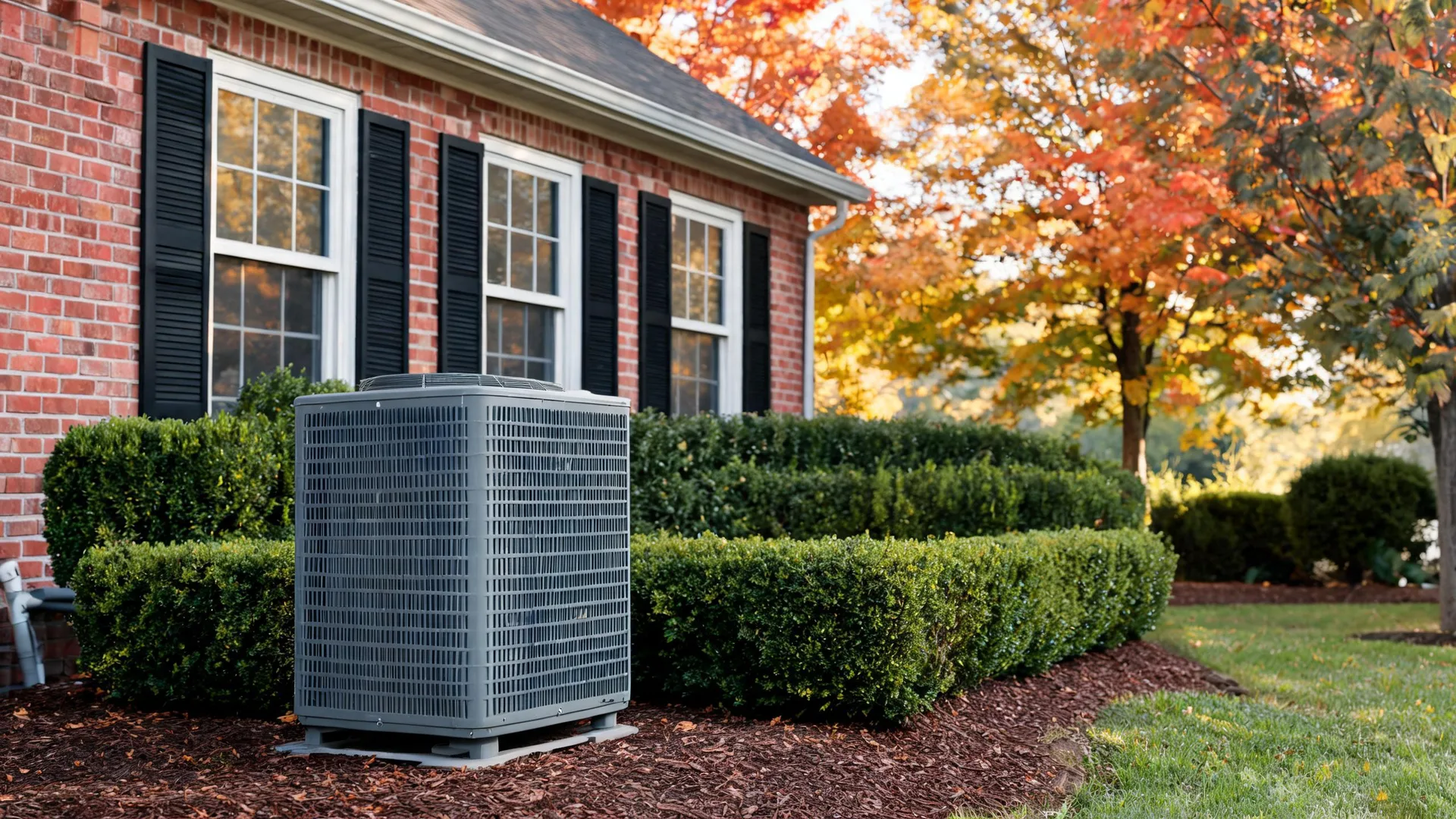
A gray heat pump outdoor unit mounted on a concrete pad next to the stone-accented exterior wall of a house.

Running fine and running wrong aren't the same thing

A heat pump that's cycling on and off faster than it used to is working around a problem, not warming up to the job. Short cycling wears the compressor down faster than steady runs do. So does a system that runs and runs without ever hitting the setpoint, because something is keeping it from moving heat the way it should. Listen for it too. A new rattle, a hard clunk when it switches between heating and cooling, or a hum from the outdoor unit that wasn't there before all mean a part is wearing out while it still runs. None of that fixes itself. The longer a strained system keeps going, the more it tends to take other parts down with it.

A frozen coil needs airflow, not more runtime

When the outdoor coil ices over, the system can't pull heat from the air the way it should. Left running, it keeps trying anyway, and the compressor ends up working against a block of ice instead of moving heat. That strain is what turns a frost problem into a compressor problem.

A refrigerant leak gets worse the longer it runs

A heat pump low on refrigerant still tries to hit the setpoint, so it runs longer and harder to get there. That extra runtime pulls more oil out of the compressor along with the refrigerant, and a compressor running low on both is being worn down every minute the system stays on.

A lot of heat pump failures trace back to the reversing valve, since that's the part doing extra work a furnace never has to do. It's what switches the system between heating and cooling, and when it sticks, the unit can get stuck blowing cold air in heating mode or just stop switching at all. Capacitors fail too, usually without warning, and a weak one can keep the outdoor fan or compressor from starting even though the system is trying. Outdoor units also take the brunt of daily cycling. The fan motor bearings wear, the contactor points pit from arcing over thousands of cycles, and either one can leave the outdoor unit silent while the indoor side keeps running. None of these are wear you can see from the thermostat. They show up as the system running but not doing its job.

A diagnostic visit starts with gauges, not guesses. A tech checks refrigerant pressure on both the high and low side, because that number says more about what's wrong than anything the system is doing on its own. From there it's amp draws on the compressor and fan motor, checking the capacitor can actually hold a charge, and watching the reversing valve switch when it's told to. Electrical connections get checked too, since a loose or corroded one can starve a part of the power it needs without tripping anything. Most of this gets done with the system running, because a problem that only shows up under load won't show up with the power off.