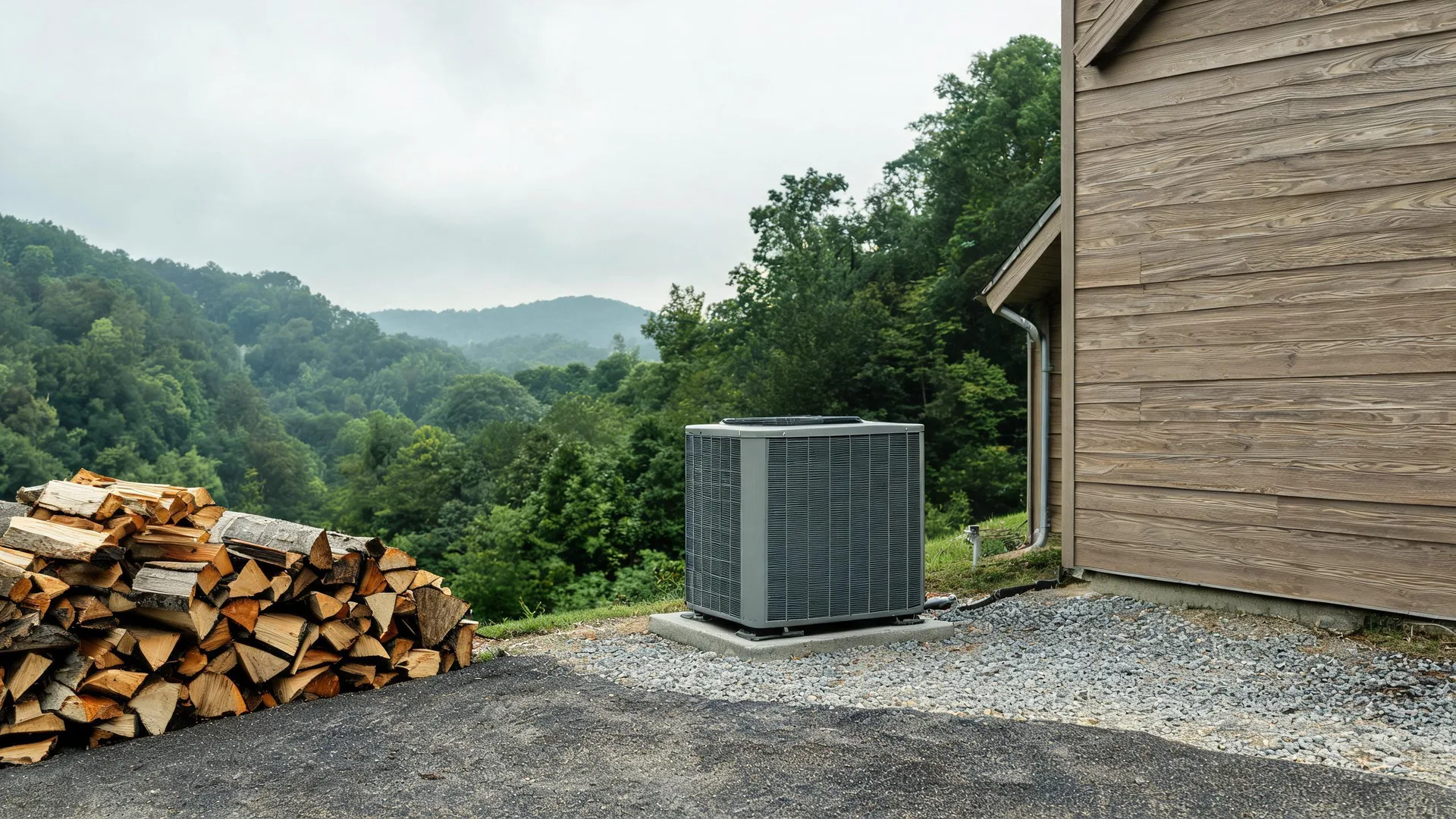
An outdoor air conditioning condenser unit mounted on a concrete pad in front of a single-story suburban house.

Heat Pump Repair in Carrollton, GA

Tell us about the job

Takes about a minute. No obligation.

RepairHeat PumpCarroll County, GA
Step 1 of 2

What ZIP code is the job in?

102 severe weather events in Carroll County

Carroll County recorded 102 severe weather events between 2015 and 2024, most of them damaging wind. Hail and tornadoes hit too, fewer times but hard when they do. That is what every outdoor heat pump unit here has to stand up to.

The outdoor unit takes the hit

Wind-driven debris can bend the fins or crack a fan blade. Hail can dent the cabinet or mark up the coil underneath. A heat pump can keep running for a while after that kind of damage before the problem shows up.

7 months
October through April, your system heats
5 months
May through September, it cools
34°F
the average winter night it heats against
88°F
the average summer afternoon it cools against
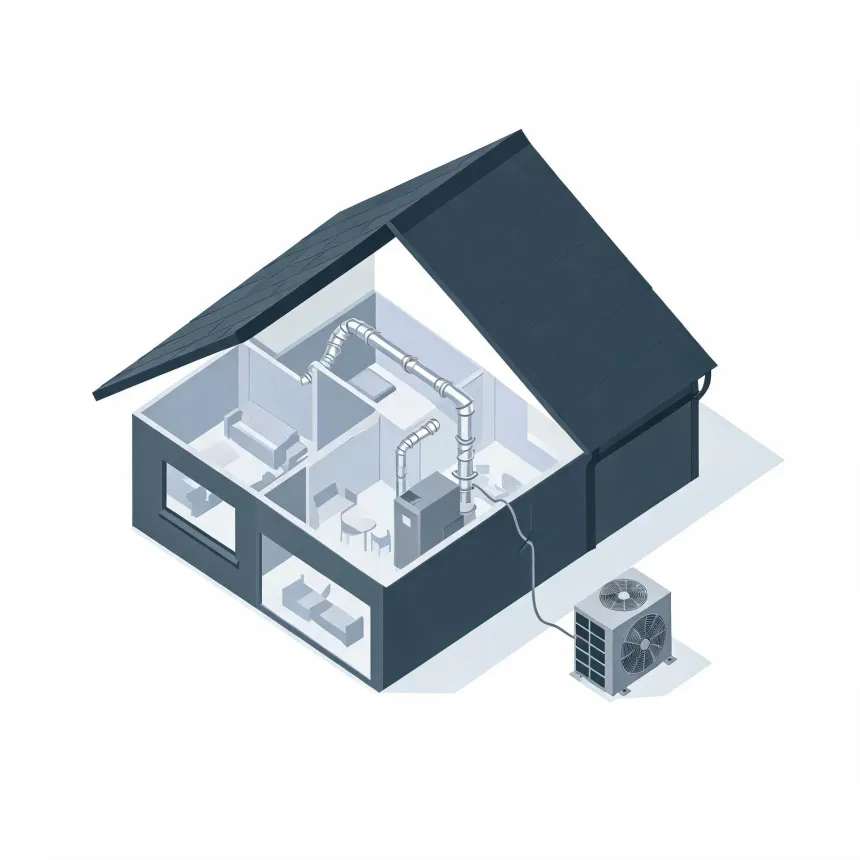
Isometric illustration of a cutaway house showing interior rooms with furniture, a furnace and ductwork, connected by a line to an outdoor condenser unit on the ground outside.
Your system heats October through April and cools May through September.

NOAA nClimDiv, 1991–2020 normals

Half the homes in Carroll County were built in 1991 or later.

A heat pump that came with a newer house still has working life in it, and that's usually a reason to repair it.

October asks the most of a heat pump that sat all September

Cooling runs May through September
Heat runs October through April
87 damaging wind events from 2015 to 2024
Carrollton winters don't ask much of a heat pumpCarroll County's winters are short and mild, zone 3A, so the system isn't straining most of the year.

If a storm came through recently, walk out and look at the unit before you assume it is fine. Bent fins, a cracked fan blade, a dented cabinet, any of that is worth a call even if the heat pump is still running. Georgia households lost power for a day or more in 31% of homes last year, and when it comes back on, a unit with hidden damage is more likely to trip or struggle than one that came through clean. A contractor can check the coil and the fan motor in one visit and tell you whether what you're looking at is cosmetic or something that will cause a breakdown later.

Your heat pump is probably worth fixing

If it came with the house, there's a good chance it's still within its working life. That's a reason to get it looked at rather than replaced.

Find a contractor
A man in a cap, dark long-sleeved shirt and brown work pants carries a worn leather duffel bag up porch steps toward an orange front door, with a potted shrub in a terracotta planter to the right.
A dark gray heat pump unit mounted on a concrete pad next to a house with gray siding and a stone veneer wall.

What actually wears out inside a heat pump

A heat pump wears out from running, not from sitting idle. The reversing valve usually goes first. It switches the system between heating and cooling every time the thermostat calls for a change, and that switching wears it down over time. When it sticks, the system blows the wrong temperature air or won't switch modes at all. The outdoor fan motor and the compressor wear the same way, from use. A compressor that has logged years of starts and stops can develop a hard start. It hums but doesn't kick on, or it seizes completely. Capacitors fail for a different reason. The outdoor unit sits out in the heat all summer, and that heat breaks down the capacitor's ability to hold a charge. It weakens gradually instead of failing all at once. A dirty outdoor coil makes everything downstream work harder, which is why keeping it clear of grass clippings and leaves matters more than most homeowners think. None of this comes from one bad day. It is wear that adds up quietly until the system can't cover for it anymore.

A refrigerant leak gets worse while the system keeps cooling

A heat pump low on refrigerant will still blow air, so nothing about the house tells you to stop it. But the compressor is built to run with a certain amount of refrigerant moving through it. Run it low long enough and the compressor itself takes the damage, not just the airflow.

A noise that gets ignored becomes a part that gets replaced

A grinding fan motor or a rattling compressor is telling you something is already failing, not something that might fail. Keep running it and the worn part can seize or take out something next to it. Caught early, it's a motor swap. Left alone, it can take the whole outdoor unit down with it.

Most calls start with something the homeowner noticed, not something they found on inspection. The heat pump runs but the air coming out doesn't feel like it should, warm when it should be cool or barely moving at all. Short cycling is another one. The system kicks on, runs a couple minutes, shuts off, then starts again before the house has actually changed temperature. That's hard on the compressor every time it happens. Ice on the outdoor unit in the middle of a mild day means the defrost cycle isn't doing its job. A burning smell on startup, a breaker that trips more than once, the outdoor fan not spinning while the indoor blower runs, any of those is the system telling you it's past due for a look rather than a fix-it-yourself afternoon.

Repair or replace usually comes down to what broke and what it sits next to. A failed capacitor or a bad fan motor is a straightforward swap, and a system that's sound otherwise is worth fixing every time. A compressor is a different question. It sits in the middle of the sealed system, and replacing it costs enough that a contractor will usually weigh that against putting the money toward a new outdoor unit instead. Age matters less than how the system got here. One that's been maintained, coil cleaned, refrigerant level checked, failures caught early, has earned the benefit of the doubt. One that's been run hard through ignored noises and low refrigerant has probably already damaged the part that's expensive to replace. A contractor who's opened the cabinet can tell you which situation you're in. Guessing from the thermostat can't.