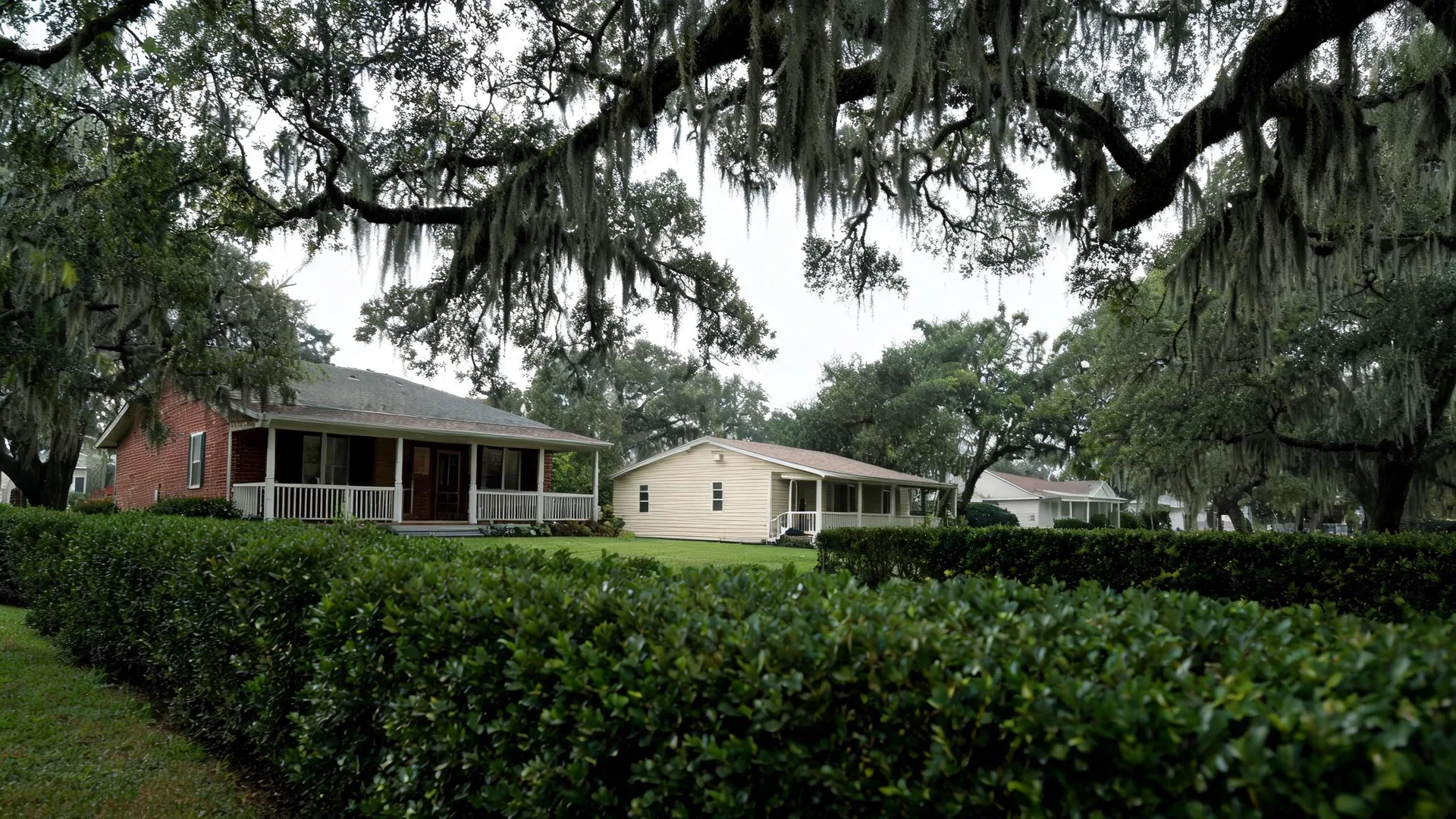
A brick house with a white porch and a light-colored single-story house behind a trimmed hedge, framed by large oak branches draped with Spanish moss.

Heat Pump Repair in Newnan, GA

Tell us about the job

Takes about a minute. No obligation.

RepairHeat PumpCoweta County, GA
Step 1 of 2

What ZIP code is the job in?

Coweta County sees real storm damage

Coweta County logged 221 severe weather events between 2015 and 2024. That includes 174 damaging wind events, 29 hail events, 9 tornadoes and 6 tropical storms or hurricanes. A heat pump's outdoor unit sits outside through all of it, exposed to wind-blown debris and hail.


A unit that still runs can still be hurt

Hail can bend the thin fins on the outdoor coil, and wind-blown debris can nick the fan blade or dent the cabinet. A heat pump with damage like that may keep running for a while before it loses efficiency or fails outright. If a storm has come through, that unit is worth a look even if nothing seems wrong yet.

5 months
November through March, your system heats
5 months
May through September, it cools
35°F
the average winter night it heats against
88°F
the average summer afternoon it cools against
Isometric grayscale illustration of a cutaway house showing interior rooms, ducted air handler and duct runs, connected by pipes to an outdoor condenser unit beside the building.
Your system heats November through March and cools May through September.

NOAA nClimDiv, 1991–2020 normals

November is when heat pumps here switch over to heat for the first time in five months.

A weak part that made it through summer often gives out the first cold night it has to carry the load.

This much wind and hail, year after year, is what your outdoor unit lives through

174 damaging wind events from 2015 to 2024
29 hail events from 2015 to 2024
Power here costs 14.12 cents per kilowatt-hour

Half the homes in Coweta County were built in 1999 or later. If yours is one of them, the heat pump may be newer too, especially if it's the one that came with the house. A unit still within its working life is usually worth repairing rather than replacing, even after storm damage or a hard winter night. The parts that fail first, a capacitor, a contactor, a control board, are the same whether the unit is five years old or fifteen. What changes is whether the rest of the system still has years ahead of it to make that repair worth doing.

After a storm, get the unit checked before it fails

If your outdoor unit has been through a storm, a check now can catch fin or fan damage before it costs you heat or cooling. Georgia households that lose power do it for a day or more more than you'd expect, so a unit that's already weakened going into an outage has that much further to fall.

Find a contractor
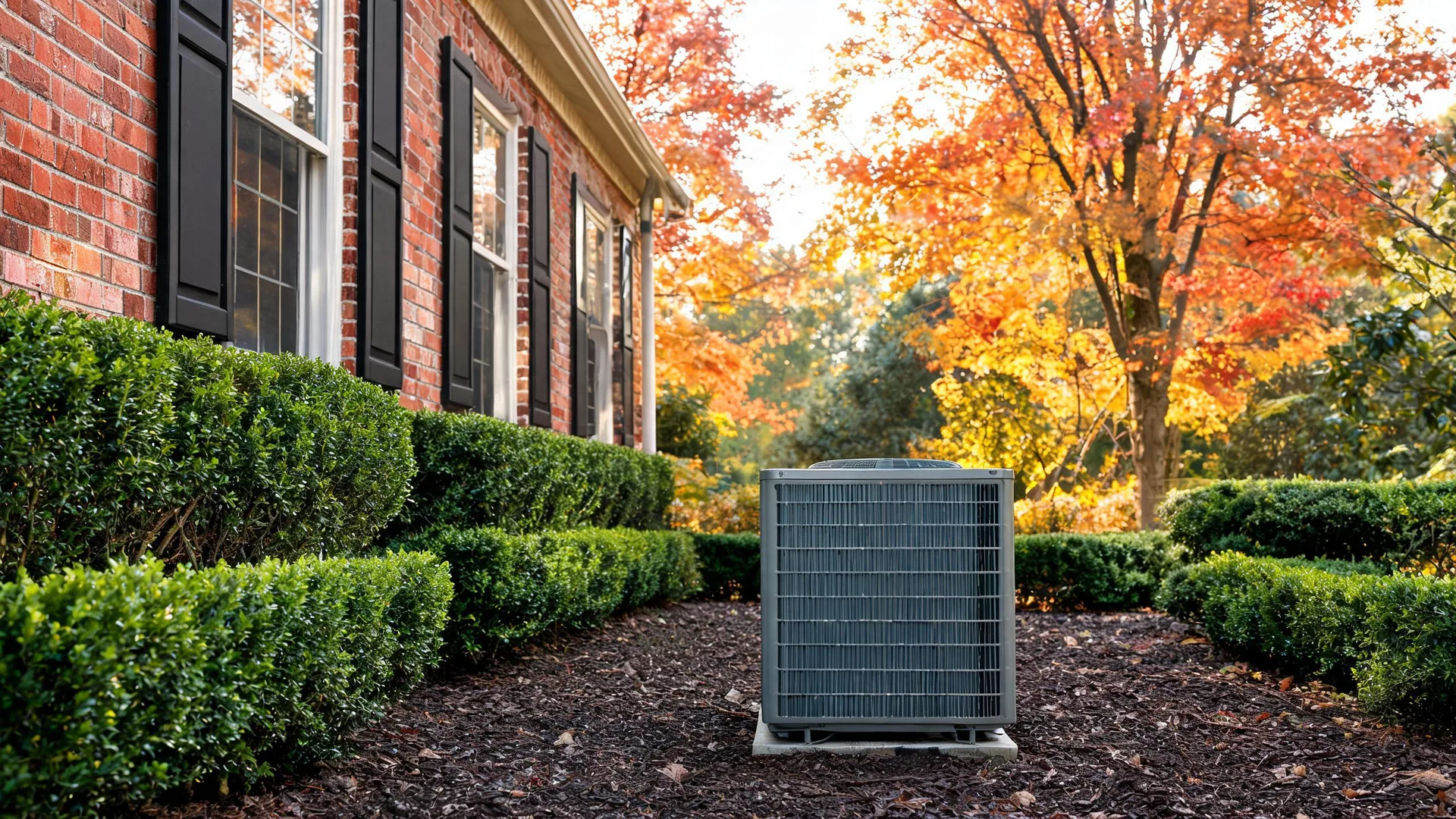
A residential heat pump outdoor unit mounted on a concrete pad next to a house with gray vinyl siding.

This unit likely has years left in it

A heat pump that came with a newer house still has most of its working life ahead of it. Day in and day out, year into night, the wear adds up slowly. A repair now is a small event in a system that has a lot of running left to do. If this is the original unit, fixing what broke makes more sense than replacing a machine that was never close to the end.

The signs are rarely subtle

A heat pump in trouble usually tells you. Air coming from the vents that's lukewarm instead of warm. The outdoor unit running nonstop without ever seeming to catch up. Ice building up on the outdoor coil when it shouldn't be there. A clicking or buzzing when it tries to start and doesn't. Short cycling, where it kicks on and off every few minutes instead of running a full cycle. Any one of these means something inside is already failing, not about to.

Running weak still costs you

A heat pump that's struggling doesn't fail all at once. It keeps running while a capacitor weakens, a contactor pits, or refrigerant charge drops, and every day it runs like that it works harder to do less. The system pulls more power to move less heat, and the strain on the compressor and motor only grows. Waiting doesn't give the problem time to sort itself out. It just gives the next part time to go with it.

A failing part rarely fails alone. A contactor pitted with wear lets current arc instead of flowing clean, and that arcing damages the contacts further every time the unit cycles. Low refrigerant charge makes the compressor work to move heat that isn't there, and a compressor running hot like that wears faster than one with the right charge. Ice on the outdoor coil blocks airflow, so the system runs longer to do less, which only builds more ice. None of these fix themselves by running more. Each hour spent compensating is an hour spent wearing down whatever is already weak, until the part that was struggling is the part that quits.

That kind of wind and hail doesn't always announce itself with a unit that won't start. Sometimes the fins get bent just enough to slow the airflow, or the fan blade picks up a small nick that throws it slightly out of balance, and the unit keeps running anyway, just worse. A visual check from the ground won't tell you which it is. What's worth doing is having someone open the cabinet, check the coil and fan, and test the electrical parts that storms tend to stress, the contactor and capacitor especially. If one of them took damage during a storm and nobody looked, it's usually still in there doing its job badly rather than announcing itself.