Heat pump blowing cold air in Newnan, GA

RepairHeat PumpCoweta County, GA
Step 1 of 2

What ZIP code is the job in?

A heat pump blowing cold air in the middle of winter usually means it's stuck in defrost or has lost its charge. Defrost is normal for a few minutes at a time, when the outdoor unit melts off ice and a backup heat strip should cover the gap, so you only feel a short burst of cool air. If the air stays cold, the system may be low on refrigerant, the reversing valve could be stuck in cooling mode, or the backup heat isn't kicking in when it should. Cold winters here mean the outdoor coil works hard and ices over more often, which is exactly when a struggling system shows its weak points. Since most homes around Newnan heat with electricity, a heat pump that's quietly failing to heat still runs up the bill while leaving the house cold. Worth checking before anything else: your thermostat setting and whether the outdoor unit is caked in ice that isn't clearing on its own.

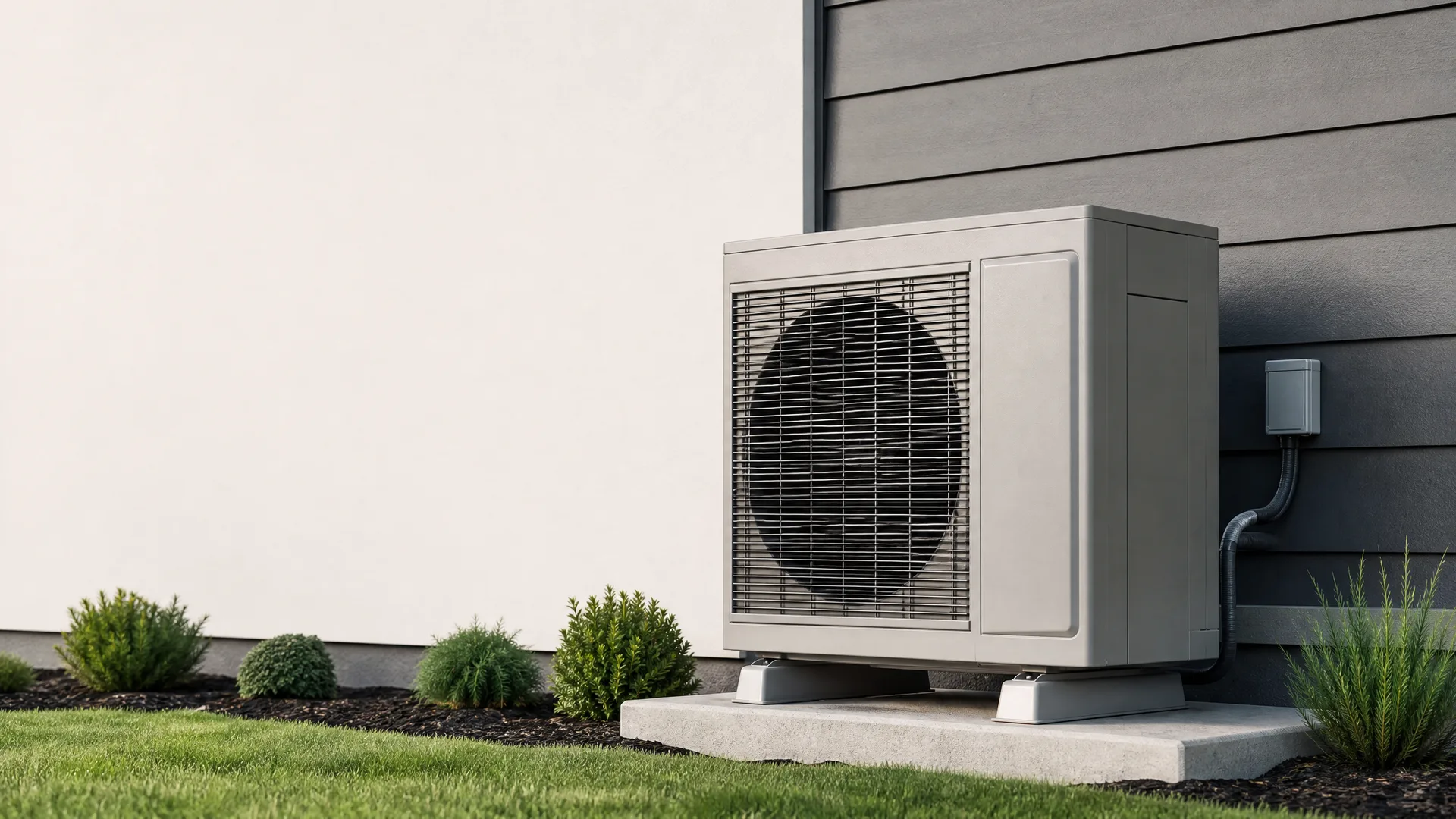
A gray outdoor condenser unit on a concrete pad beside a house with horizontal lap siding, with an electrical disconnect box and insulated refrigerant lines on the wall, gravel in the foreground and a planting bed at left.

Running normally

The outdoor unit sits quiet most of the time, cycling on and off as the house calls for heat. Air coming from your vents stays warm to the touch. Ice doesn't build up on the coil, and if it does on a cold morning, the unit clears it and goes back to work within minutes.

An outdoor air conditioner condenser unit on a concrete pad beside a house with horizontal lap siding, with refrigerant lines and a gray electrical disconnect box on the wall, surrounded by bare dirt.

Stuck and failing

The coil and fan grille are packed with dirt, leaves, and grime, the kind of buildup that keeps the unit from shedding heat or pulling it in. A unit in this shape struggles to defrost properly and can run long stretches blowing cold air while the house doesn't warm up.

Why does cold air from the vents matter more here in winter?

  • Winter nights average 35°F

    Overnight lows average 35°F through December, January and February, so cold air from the vents for too long leaves the house struggling to recover.

  • Heat runs November through March

    Heat runs November through March here, about five months, so a heat pump stuck blowing cold has a long stretch of the year to cause trouble.

  • Cooling runs May through September

    Cooling runs May through September, so for the other five months your heat pump is the only thing standing between the house and those cold nights.

NOAA nClimDiv 1991-2020

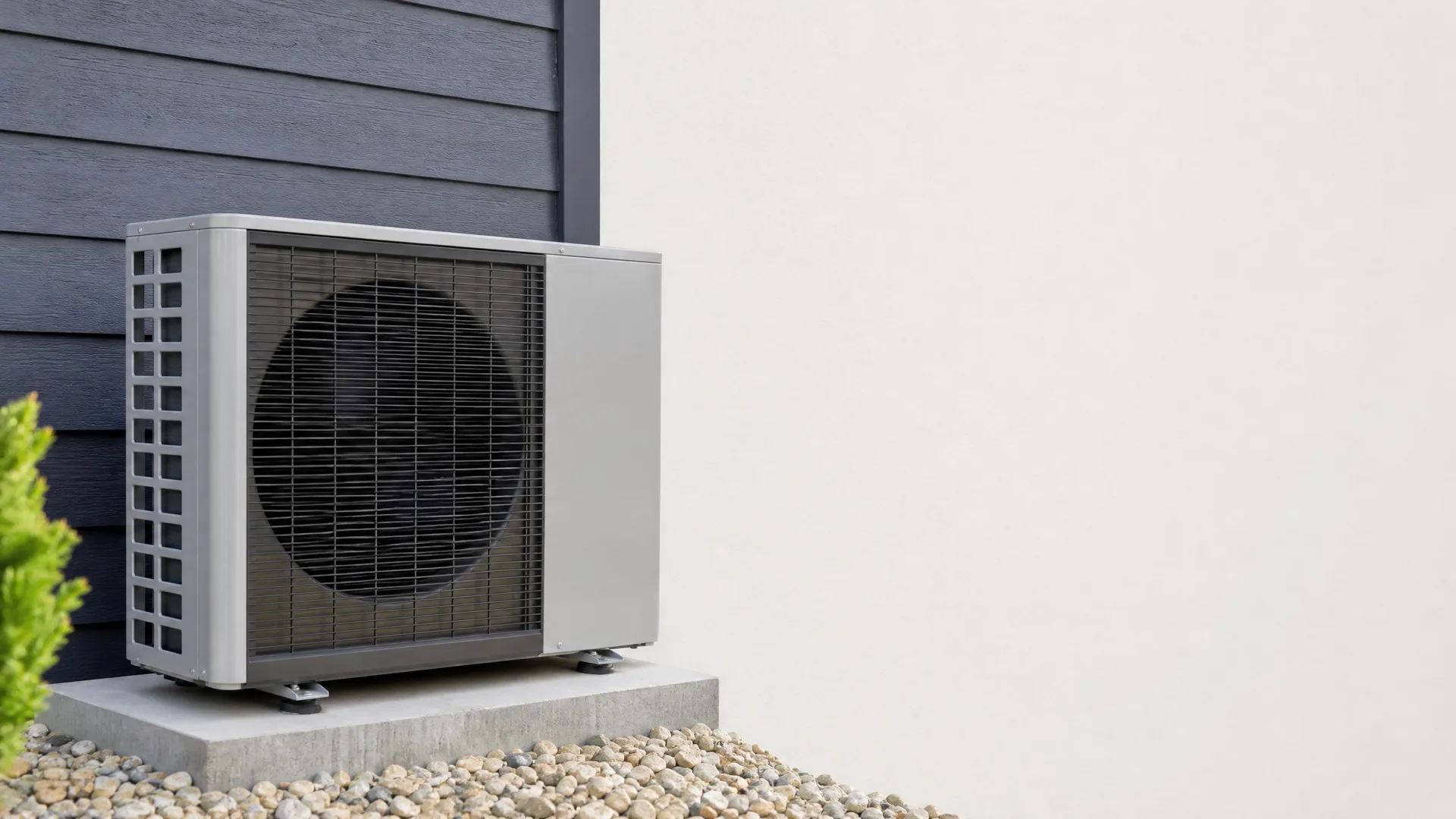
An outdoor air-source heat pump unit on a concrete pad beside a dark horizontal-board wall and a plain light-coloured wall, with gravel and a small green shrub in the foreground.

What defrost mode actually does

A heat pump pulls heat from outside air, and in cold weather frost builds on the outdoor coil. Every so often the system reverses itself, sends warm refrigerant outside to melt that frost, and runs the indoor fan at the same time. For those few minutes the air at your vents feels cool because the indoor coil isn't producing heat. The backup strip is supposed to switch on and cover the gap until the unit switches back.

A light gray outdoor heat pump unit on a concrete pad beside a house with white stucco and dark horizontal siding, with a conduit running to a wall-mounted electrical box and small shrubs and lawn in front.

When it points to lost refrigerant

If the air stays cool well past a defrost cycle, or the outdoor unit is caked in ice instead of clean after one, the system likely doesn't have enough refrigerant to move heat the way it should. A low charge means the indoor coil can't get warm enough to heat the air passing over it, even though the blower keeps running. This isn't something to top off yourself. Finding the leak and sealing it takes gauges and training a homeowner doesn't have on hand.

Defrost Cycle or Something Wrong

Normal defrost

  • The outdoor fan stops, steam or light smoke rises off the coil, and the cycle usually ends within 10 to 15 minutes.
  • Vent air may run cool or lukewarm during this stretch because the system is pulling heat from indoors to melt the coil, not making it.
  • Auxiliary heat strips should kick in during defrost to keep the air from feeling cold at the register.
  • The outdoor unit looks wet or steamy afterward, which is just the melted frost draining off, not a leak.
  • If the house temperature holds steady and the air warms back up once the cycle ends, nothing needs attention.

Needs a repair call

  • Cold air keeps blowing for 20 minutes or longer, well past a normal defrost cycle.
  • The outdoor unit is coated in thick ice rather than a light frost, which points to a coil or sensor problem.
  • The indoor temperature keeps dropping even with the system running, meaning the backup heat strips likely aren't engaging.
  • You hear the outdoor unit short-cycling, switching on and off every few minutes instead of running a full cycle.
  • A hissing or bubbling sound near the lines suggests a refrigerant leak, which a defrost cycle alone won't explain.
  • The thermostat is set to heat but the vents blow air that stays cold no matter how long the system runs.
An outdoor air conditioner condenser unit with rust spots on its top grille sits on a concrete pad beside a house with light horizontal siding, with conduit lines and an electrical box on the wall and a mulch bed to the right.
Before you get your heat pump repair
A gray outdoor air conditioner condenser unit on a concrete pad beside a house with horizontal lap siding and a stone veneer base, with a conduit running to a wall-mounted disconnect box and shrubs and evergreen trees to the left.
After you get your heat pump repair

Get matched with a heat pump pro in Coweta County

A heat pump that keeps pushing cold air past 15 or 20 minutes isn't finishing a normal defrost cycle. It's stuck, low on refrigerant, or the backup heat strip that's supposed to cover the gap isn't kicking in. None of those sort themselves out, and with lows in the 30s through a Newnan winter, a house with no real heat for hours starts to show it in the water lines and the furniture, not just on the thermostat. Finding out which of those three it is means someone checking refrigerant pressure and the defrost board, not guessing from the vent. You could spend an evening calling around Coweta County, explaining the same symptoms to five different shops, then waiting to see who calls back and who actually works on heat pumps. Or you can answer a few questions here and have a contractor who handles this equipment reach out to you directly, so the house gets warm again without you doing the legwork of finding who can get there.

Cold Air: What It Means

  • Short bursts of cool air during defrost are normal and should pass within 10 to 15 minutes.
  • Cold air that keeps blowing past 20 minutes points to a stuck defrost cycle, low refrigerant, or a backup heat strip that isn't engaging.
  • Overnight lows average 35°F here from December through February, so a system stuck blowing cold won't let the house recover.
  • Ice that doesn't clear off the outdoor coil on its own is a sign the unit needs a repair, not just time.
  • Heat runs November through March in Coweta County, which is a long stretch to carry a problem that isn't fixing itself.
  • A technician can check the refrigerant charge, the defrost control board, and the heat strip to find which one is failing.

A few minutes of cool air from the vents is just defrost doing its job. The outdoor coil ices up, the system melts it off, and warm air comes back once it's done. That's the whole story when it clears in 10 to 15 minutes.

Past that window, something isn't working the way it should. The defrost control board may not be telling the system to switch back to heat mode. The refrigerant charge may have dropped low enough that the system can't move heat the way it's built to. Or the backup heat strip, the part meant to carry the house through defrost and cold snaps, isn't engaging when it's supposed to.

None of that sorts itself out on its own. Ice sitting on the outdoor coil without clearing is the unit telling you it needs attention, not more time. And with overnight lows averaging 35°F from December through February in Coweta County, a system stuck blowing cold air leaves a house that can't catch back up to a comfortable temperature.

Heat runs November through March here. That's the stretch a malfunctioning system has to get through, and it's long enough that a problem left alone tends to get worse, not better.

A technician working through this checks the refrigerant charge first, then the defrost board, then the heat strip itself, since any one of the three can be the reason warm air isn't coming back.
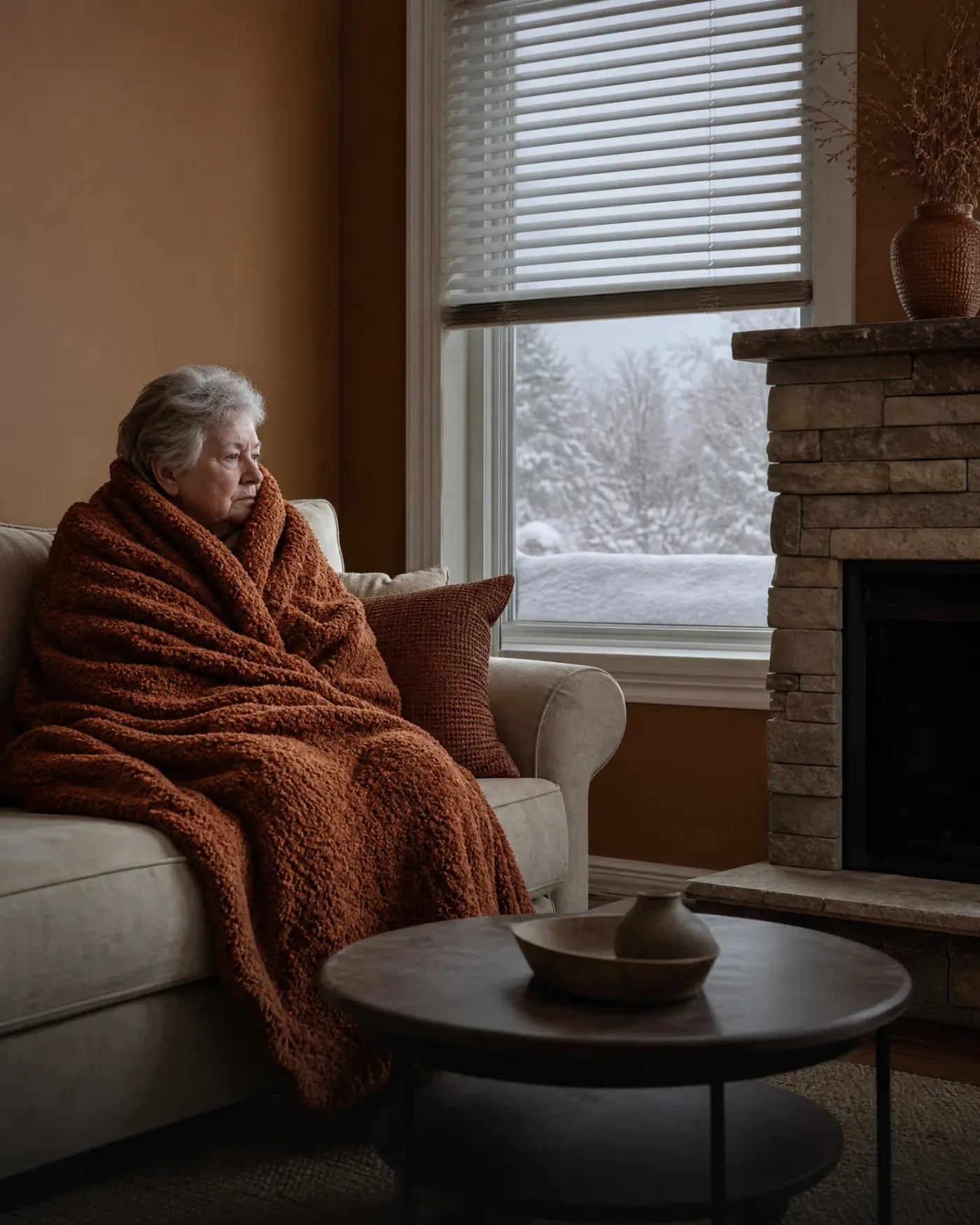

A woman wrapped in a knit blanket sits on a gray sofa in a living room, looking toward a bright window with houseplants and an armchair in the background.
A woman with long dark hair in a green knit sweater sits on a couch indoors, smiling and looking toward a window with a blurred room behind her.
A woman with dark hair in a bun wearing a cream knit sweater sits on a gray sofa in a bright living room, looking off to the side.
A woman in a gray cowl-neck sweater sits on a light sofa with cushions, smiling and looking to the side, with a kitchen and window visible behind her.

Find a heat pump repair pro in Coweta County

A heat pump stuck blowing cold air won't sort itself out, and with lows averaging 35°F overnight in Coweta County, that's not something to sit on. Finding a contractor on your own means searching, calling around, and explaining the same problem more than once before you get a quote you trust. Submit your information here and skip that part. You'll be matched with a contractor who handles heat pump repair in the Newnan area, and they'll reach out to you directly to sort out what's wrong.

Get matched

Skip calling shops to ask who repairs heat pumps in Coweta County.

There's no charge for the request.