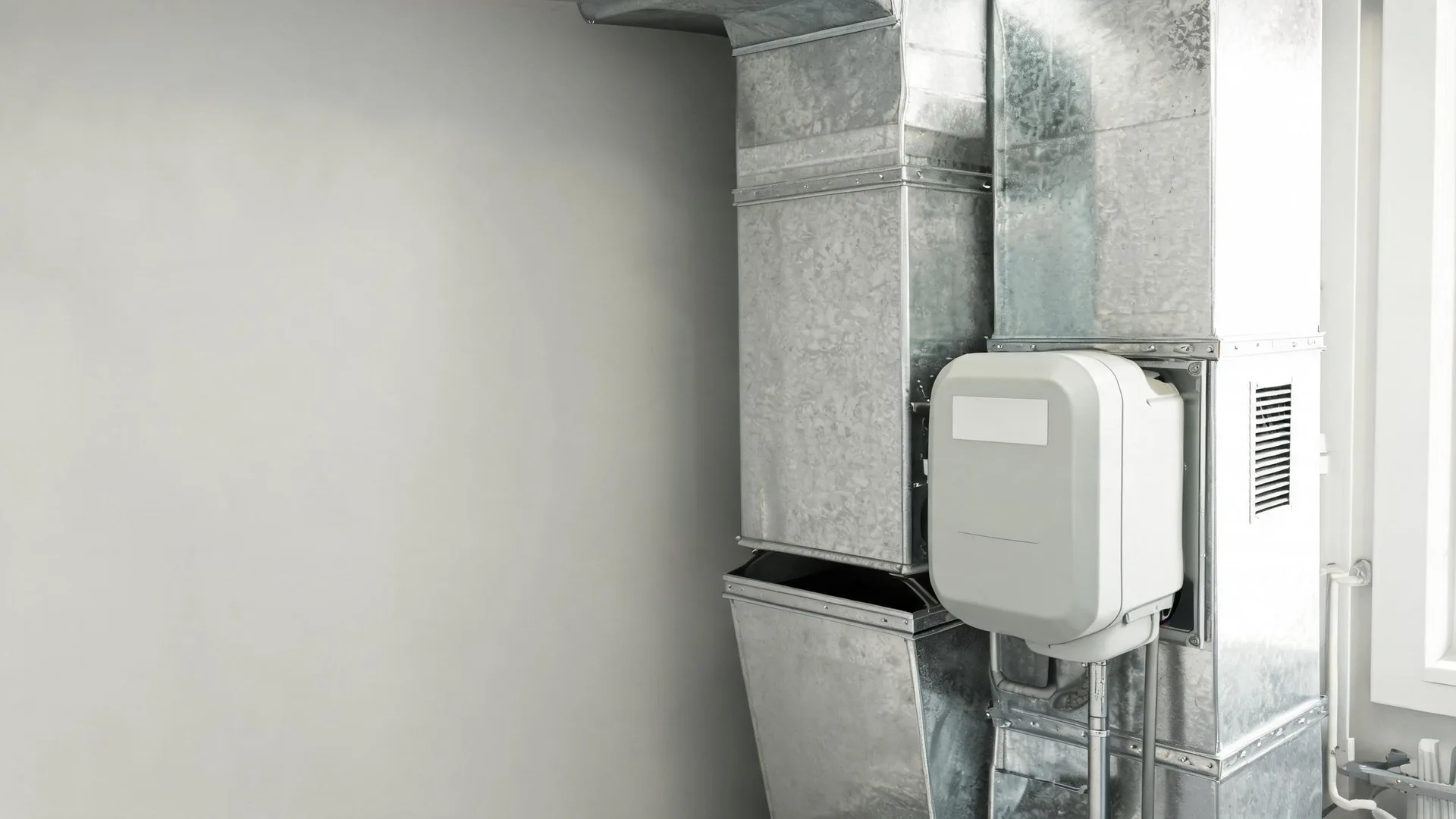
Warm air from the vents
If the air coming out isn't cold anymore, the usual cause is a refrigerant leak or a compressor that's starting to fail. Either way the system is running without doing the one job it has, and it won't fix itself.
Takes about a minute. No obligation.
Richmond County saw 118 severe weather events between 2015 and 2024, and most of those brought damaging wind. That outdoor unit sits outside year round, and wind-blown branches or grit can bend the fins or chip the fan blades. Hail showed up often enough in that stretch to dent a cabinet or crack a fan blade without stopping the unit right away. A system can keep running after that kind of hit and still be working harder than it should. If a storm came through recently, it's worth having the unit looked at even if the air is still cold.
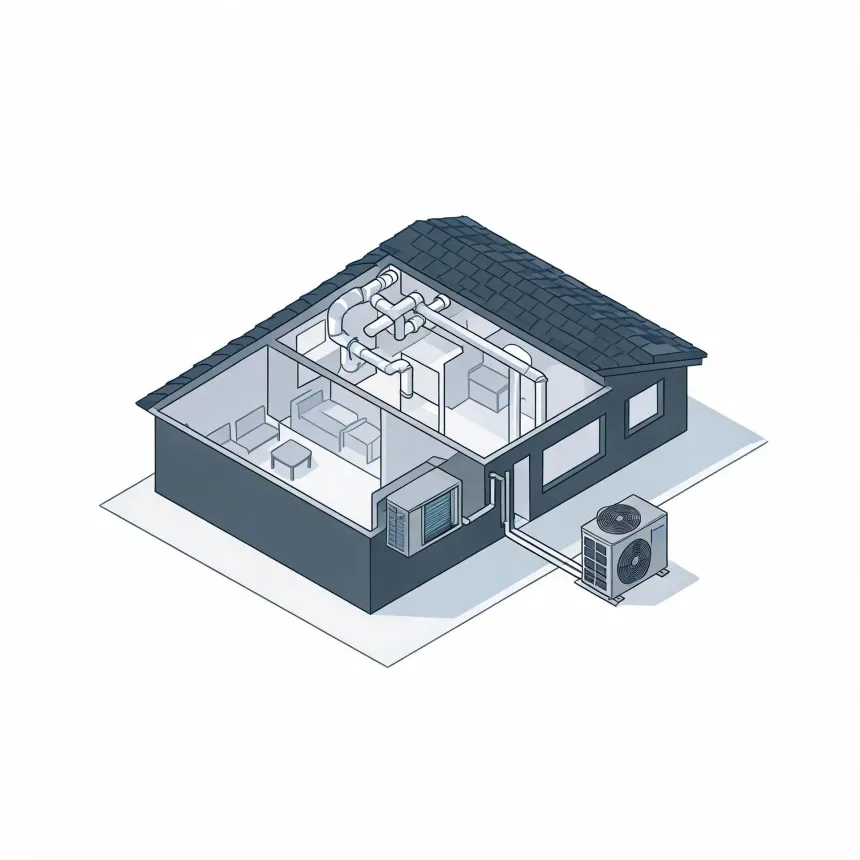
NOAA nClimDiv, 1991–2020 normals
Your AC runs five months straight here, May through September.
Afternoon highs averaging 91°F keep the compressor under load most of the summer, so a worn part gives out sooner than you'd expect.



Georgia households paid 14.08 cents per kilowatthour in 2024, and that rate matters more once a system starts struggling. A dirty coil or a low charge makes the compressor run longer to hit the same temperature, and every extra minute shows up on the bill. That's true all summer, not just on the hottest days. A unit that's short-cycling or blowing warm here and there isn't just annoying, it's costing you right now, every day it goes unfixed. The sooner it's looked at, the sooner it stops running harder than it needs to.
Half the homes in Richmond County were built in 1980 or later. If yours is one of them, the AC likely isn't old enough to be failing on its own. That points to a repair, not a replacement.
Find a contractorA unit in a newer home has had fewer summers like this one. If a part is failing now, it's more likely one part wearing out than the system itself reaching the end. Get that part named and replaced instead of pricing out a new system.
If the air coming out isn't cold anymore, the usual cause is a refrigerant leak or a compressor that's starting to fail. Either way the system is running without doing the one job it has, and it won't fix itself.
An AC that kicks on, runs a few minutes, then shuts off before the house cools is short cycling. It's often a sign of a failing capacitor or a clogged filter choking airflow. Left alone, the on-off strain wears out the compressor faster than steady running would.
Estimates for a typical Richmond County home, compared with an older unit built to the previous federal minimum, from EIA household energy data, Georgia fuel prices and NOAA climate normals. Your home will differ.
Repair makes sense when a part like a capacitor or contactor has failed.
Replacement makes sense when the compressor has failed or the system uses R-22 refrigerant, which is no longer made.
A compressor failure late in a system's life usually means replacement. The same part failing a few years in usually means repair. Age against expected lifespan is the first thing worth weighing, not how the breakdown feels in the moment. A contractor can also tell you whether the fix is isolated, a capacitor or a contactor, or whether it's a sign the compressor itself is wearing out. If the repair history on a unit is already long, each new failure is more likely connected to the last one than a fresh, unrelated problem. One failed part on an otherwise sound system is almost always worth fixing.