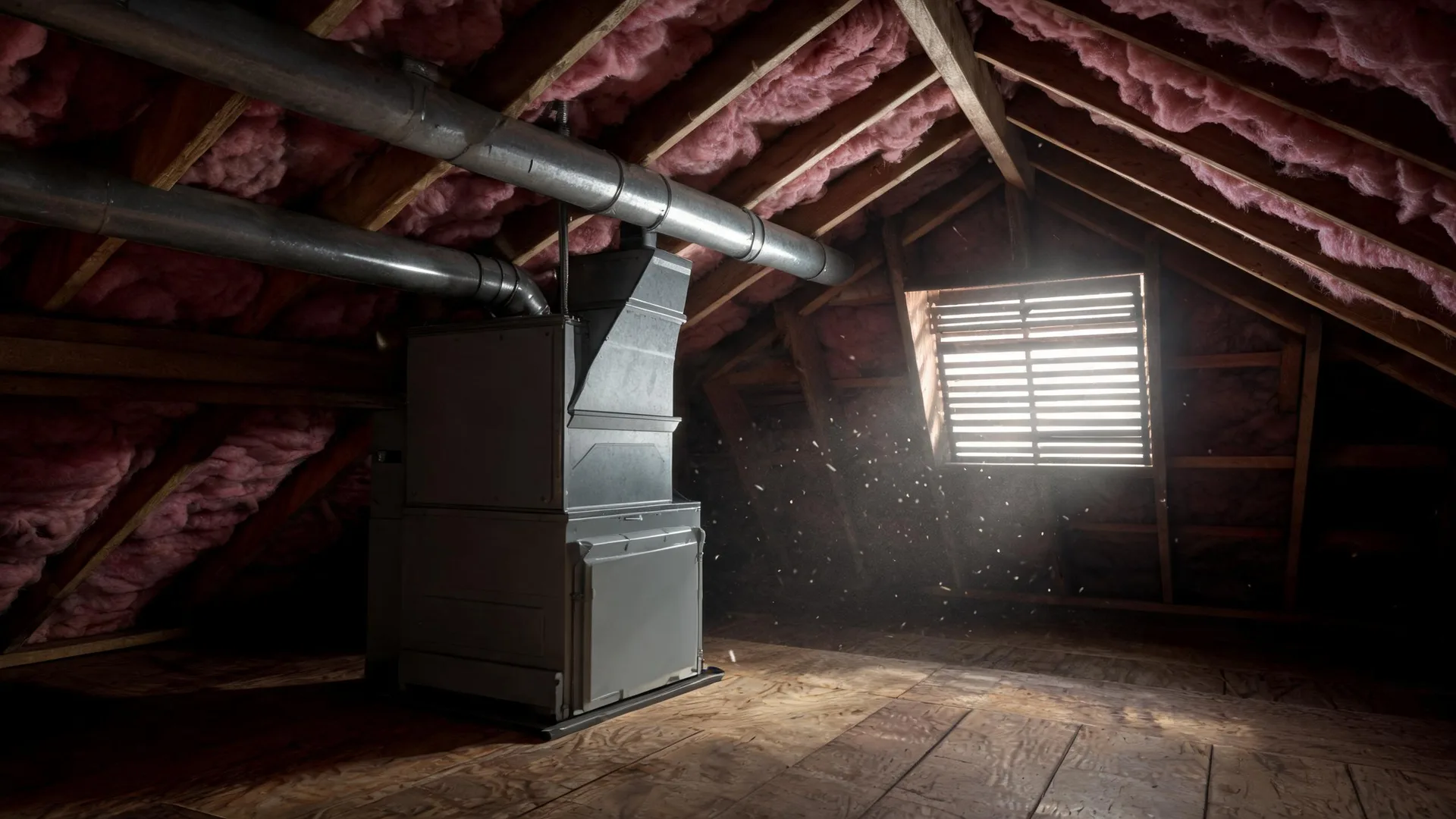
Cherokee County sees real storm damage
Cherokee County logged 186 severe weather events between 2015 and 2024, including 149 cases of damaging wind and 15 hail events. An outdoor AC unit sits through all of it with no wall to protect it.
Takes about a minute. No obligation.
Cherokee County logged 186 severe weather events between 2015 and 2024, including 149 cases of damaging wind and 15 hail events. An outdoor AC unit sits through all of it with no wall to protect it.
Hail can dent the fins on a condenser. Wind can drive debris into the cabinet without stopping the unit from turning on. Three tornadoes and two tropical storms have passed through this county between 2015 and 2024, and damage from any of them can sit unnoticed until the unit struggles later.
NOAA nClimDiv, 1991–2020 normals
Cooling starts in May here, right after a mild April.
A weak part that made it through winter often fails in the first hot week, not months in.



Cooling runs about five months here, May through September, with afternoon highs averaging 87°F in June, July and August. The dew point sits at 67°F across those same months, higher than most of the country sees, and that heavy air makes the system work to pull moisture out, not just to cool. That long stretch of hard running is usually what's behind a repair call, not a defect in the unit. A capacitor or contactor that's been cycling hard since May wears down quietly, then gives out on a day that's no different from the one before it. Getting the actual cause diagnosed, rather than just addressed, is what makes a repair hold through the rest of the summer.
If the outdoor unit took hail or debris in a storm, it can keep running for weeks before the damaged part gives out. Have it looked at now, even if it still turns on and blows cold.
Find a contractorFive months of hard running shows up in the parts that cycle the most. A technician checking a repair call here knows to look at the capacitor and contactor first, since those are what carry the load through a long summer. Diagnosing which one actually failed, instead of swapping both and hoping, is what keeps the next service call from happening in August instead of next May.
A refrigerant leak or a dirty coil makes the compressor work harder to hit the same temperature. That extra strain shows up as heat in the compressor windings and extra pressure in the lines. Left alone, the compressor can seize or a line can fail at a joint that was never the real problem to begin with.
A unit low on refrigerant or short on airflow will often still blow cold air, so it keeps getting used. Each hour it runs in that state adds wear to a compressor that was fine a week ago. Shutting it off and calling for a diagnosis when something first seems off protects parts that are expensive to replace and cheap to catch early.
Estimates for a typical Cherokee County home, compared with an older unit built to the previous federal minimum, from EIA household energy data, Georgia fuel prices and NOAA climate normals. Your home will differ.
Repair makes sense when a part like a capacitor or contactor has failed.
Replacement makes sense when the compressor has failed or the system uses R-22 refrigerant, which is no longer made.
Repair and replacement come down to what's failing and what it drags down with it. A capacitor, a contactor, a fan motor: these fail on their own, and replacing one brings the system right back to normal. A compressor is different. It usually fails because something else was wrong first, low refrigerant, a blocked coil, a restriction in the line, and by the time it gives out the rest of the system has usually been stressed too. Age matters less than people think. An old unit with a bad capacitor is still a cheap fix. An old unit with a failed compressor is a different conversation, since swapping a compressor on a unit that's already worn rarely makes sense next to starting fresh. The question worth asking isn't how old the unit is. It's whether the part that failed took anything else down with it.