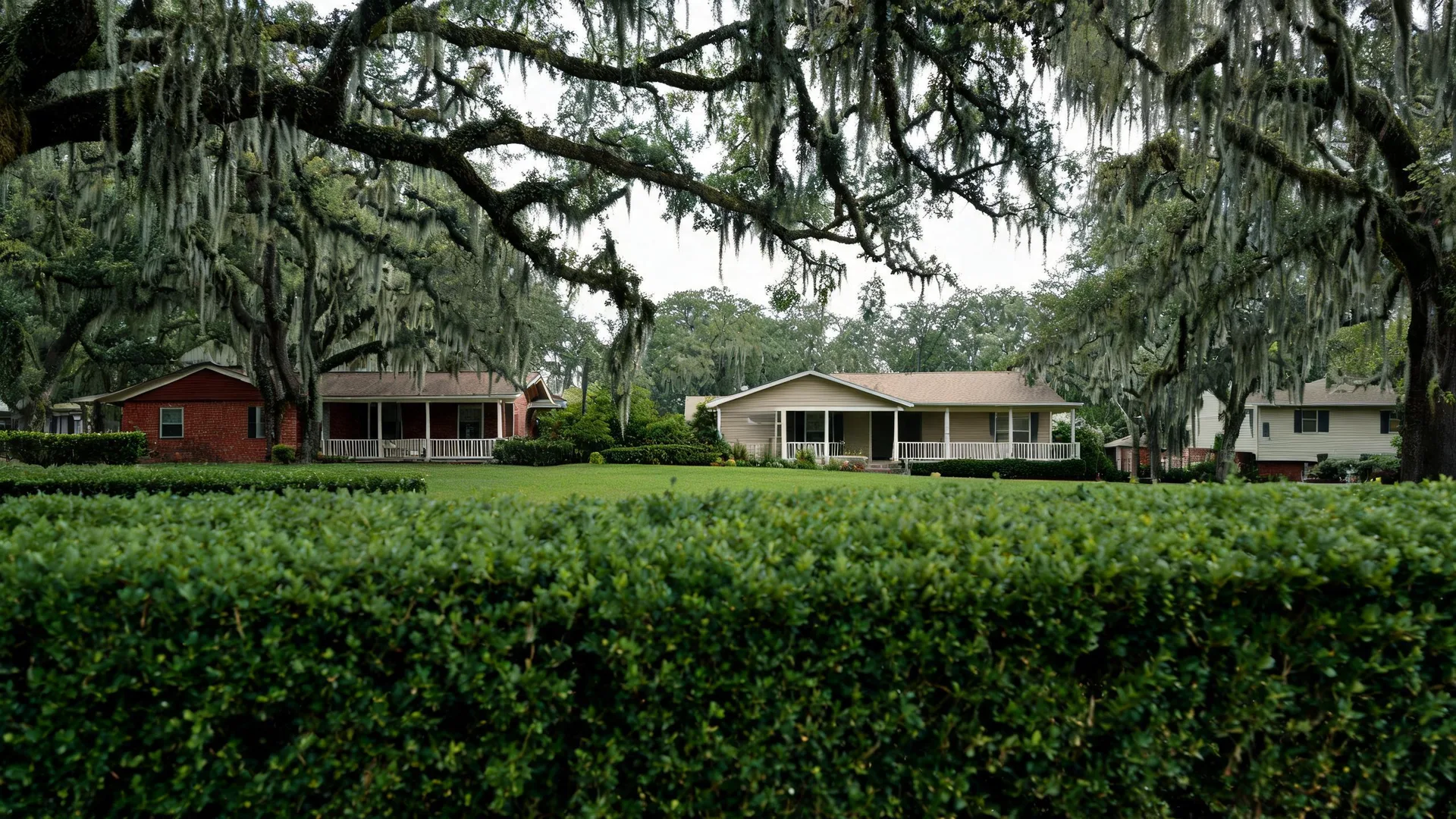





Single-story houses with covered porches sit behind a mowed lawn and a long trimmed hedge, framed by oak branches draped with Spanish moss.

AC Repair in Warner Robins, GA

Tell us about the job

Takes about a minute. No obligation.

RepairCentral ACHouston County, GA
Step 1 of 2

What ZIP code is the job in?

Houston County saw 137 severe weather events between 2015 and 2024, most of it damaging wind. Wind throws branches and debris into an outdoor AC unit, and hail dents the fins and can bend the cabinet. A unit can take that kind of hit and still run, at least for a while, so the damage isn't always obvious from the back door. If a storm has come through recently, it's worth having the unit checked even if the air coming out still feels cold. Tornadoes and hurricanes have hit this county too, and that kind of weather can knock out power along with the wind.

5 months
May through September, your air conditioner is on duty
91°F
the average summer afternoon it cools against
10 hail events
in ten years, and hail bends the fins on outdoor coils
115 wind events
in ten years, and wind drives debris into outdoor units
Isometric 3D cutaway render of a house with dark siding showing interior rooms, ductwork and an air handler, connected by lines to an outdoor condenser unit on a white background.
Your air conditioner works hardest from June through September.

NOAA nClimDiv, 1991–2020 normals

Warm air still coming from the vents means the system is losing the fight, not winning it.

Call before it quits completely, while there's still cold air to work with.

Half the homes here were built in 1994 or later, so the AC is probably worth fixing

Half the homes here were built by 1994
Cooling runs May through September
Summer afternoons average 91°F

Your AC runs five months straight here, May through September, with afternoon highs averaging 91°F through the worst of it. That's a long stretch of hard running with no real break to recover on. A compressor that's been working that hard all summer is more likely to trip on a worn capacitor or a low charge than one that's only run a few weeks. If your system is struggling now, after months of this, that timing is probably not a coincidence. Have it looked at rather than just topped off or reset, so whatever's actually worn gets replaced instead of papered over.

A struggling AC costs more to run here. Get it fixed.

At 14.08 cents per kilowatthour, a system that's struggling runs up a bigger bill every day you leave it alone. A unit short on refrigerant or working with a bad capacitor pulls more power to do less cooling, and you pay that difference here more than in most states. Getting it looked at now stops that drain.

Find a contractor
A gray residential air conditioner condenser unit mounted on a concrete pad in an open grass field.

Most AC failures start somewhere other than the compressor

A compressor doesn't usually fail on its own. Something else wears out first and makes the compressor work past what it's built for. A capacitor loses its charge over time and stops giving the motor the jolt it needs to start, so the compressor tries to start against full pressure and strains. A dirty condenser coil can't shed heat the way it should, so the system runs hotter and longer than it was designed to. Low refrigerant from a slow leak makes the compressor run constantly trying to reach a temperature it can't hit. Any one of these, left alone, turns normal wear into a burnt-out compressor or a locked rotor. Caught early, most of them are a part swap. Caught late, they take the compressor down with them.

A weak capacitor turns into a failed motor

A capacitor that's starting to go still gets the compressor running, just with a hard jolt instead of a clean start. Every start like that heats the motor windings a little more than they're built for. Keep running it that way and the windings break down for good, turning a capacitor swap into a full compressor replacement.

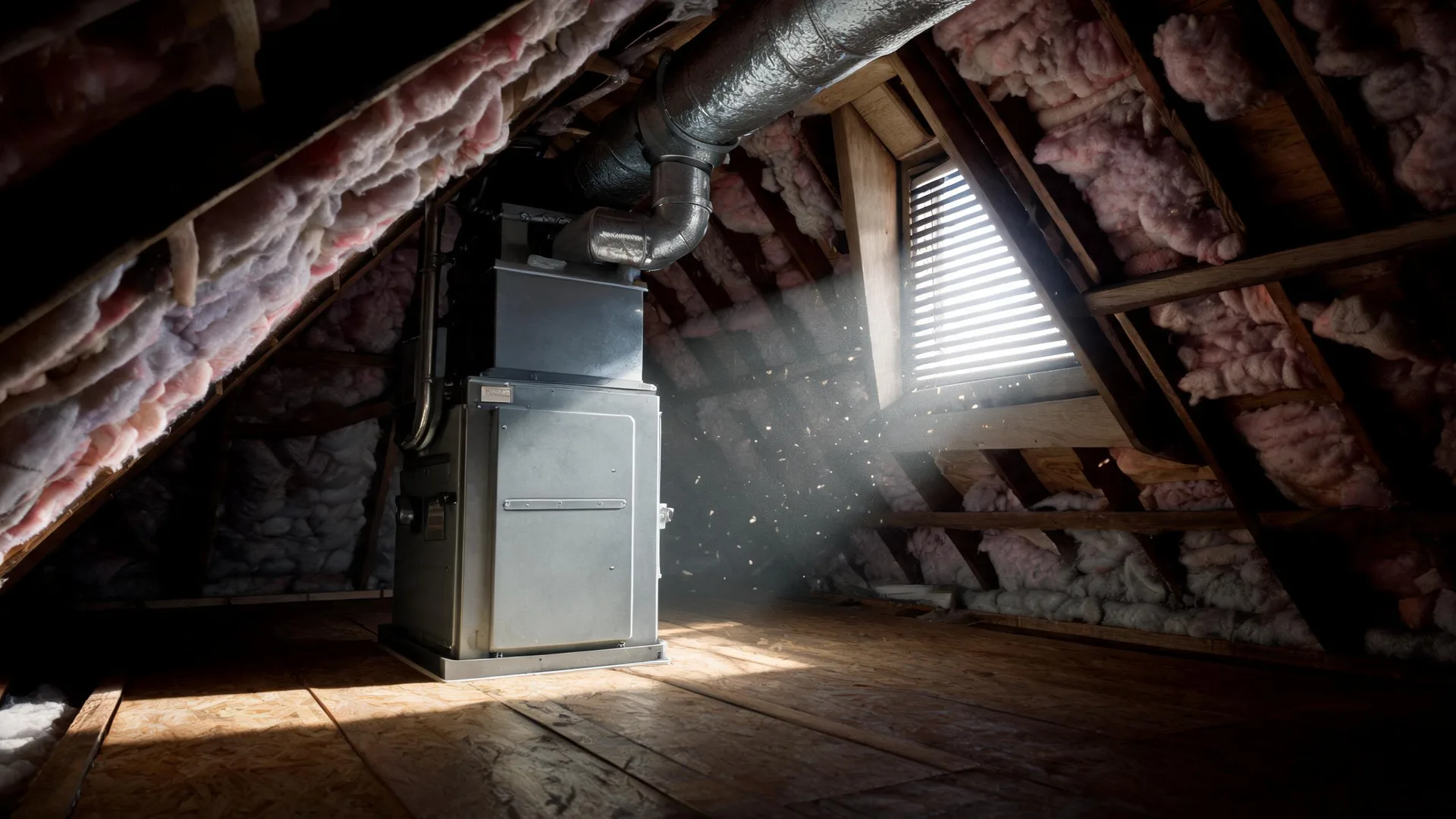
Low refrigerant makes the compressor work to failure

A system low on charge doesn't just cool less, it makes the compressor run far longer trying to hit a temperature it can't reach anymore. That extra runtime builds heat in the compressor itself. A leak that would have been a quick recharge and repair turns into a compressor that's cooked itself from the inside.

An outdoor air conditioning condenser unit positioned on a concrete pad next to a blue-sided house, surrounded by green shrubs and flowering hydrangeas at sunset.

A new air conditioner would cut about $60 a year off cooling for a typical Houston County home.

  • A new one at the federal minimum, 14.3 SEER2$450 a year
  • An older air conditioner$510 a year

Estimates for a typical Houston County home, compared with an older unit built to the previous federal minimum, from EIA household energy data, Georgia fuel prices and NOAA climate normals. Your home will differ.

Repair makes sense when a part like a capacitor or contactor has failed.

Replacement makes sense when the compressor has failed or the system uses R-22 refrigerant, which is no longer made.

A diagnostic visit starts outside at the condenser. The tech checks that the fan spins freely and looks at the coil for dirt or bent fins from debris. Then comes the electrical side. The capacitor gets tested against its actual rating, not just checked for a pulse, and the contactor gets checked for pitting that keeps it from making a clean connection. Refrigerant pressure gets checked on both sides of the system, because low charge shows a specific pattern on the gauges rather than a guess. Inside, the evaporator coil and the blower get a look too, since weak airflow there can look just like a refrigerant problem without being one. The goal is to find the part that's actually failing before it takes something bigger down with it, not to swap parts and hope.