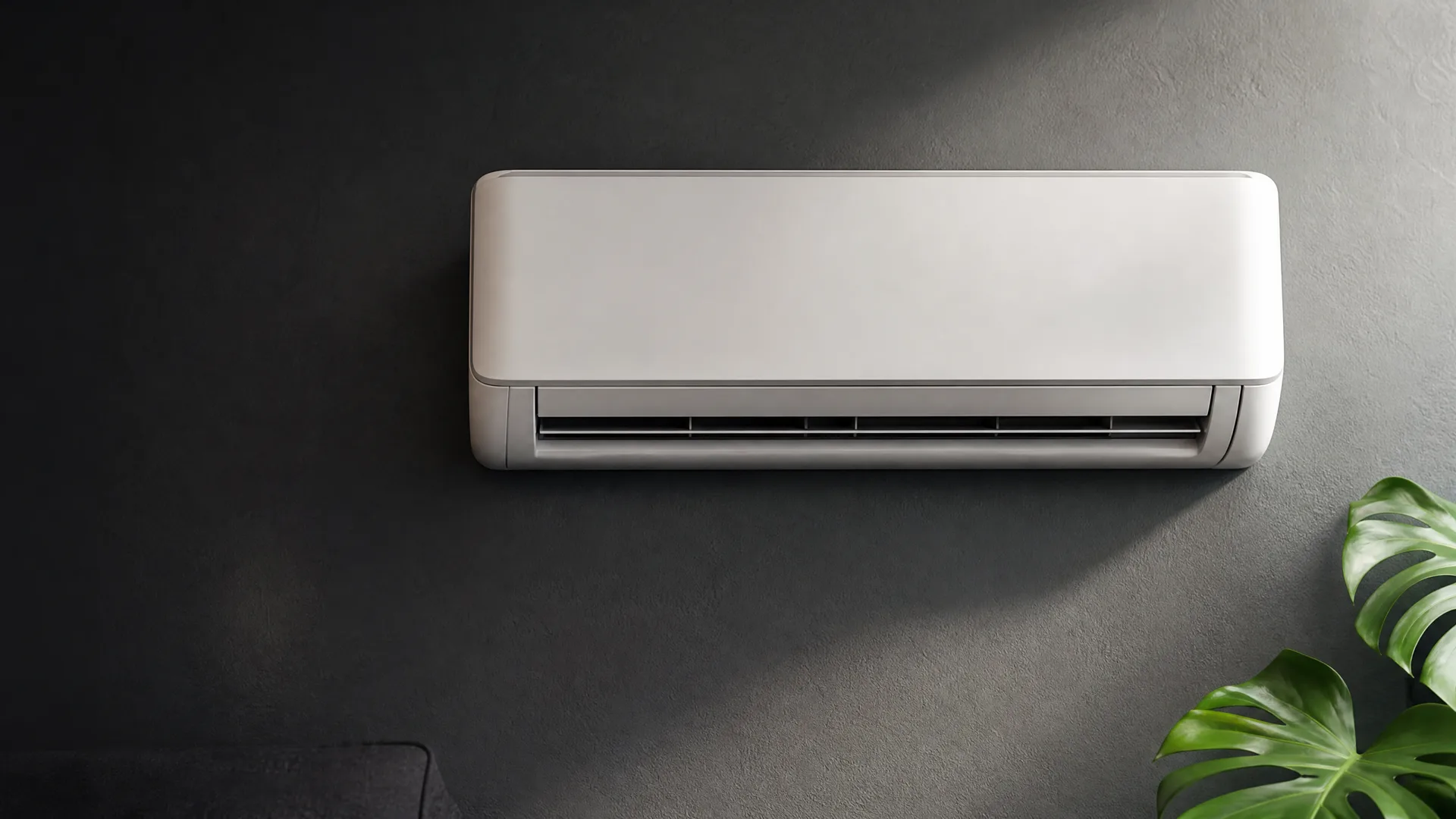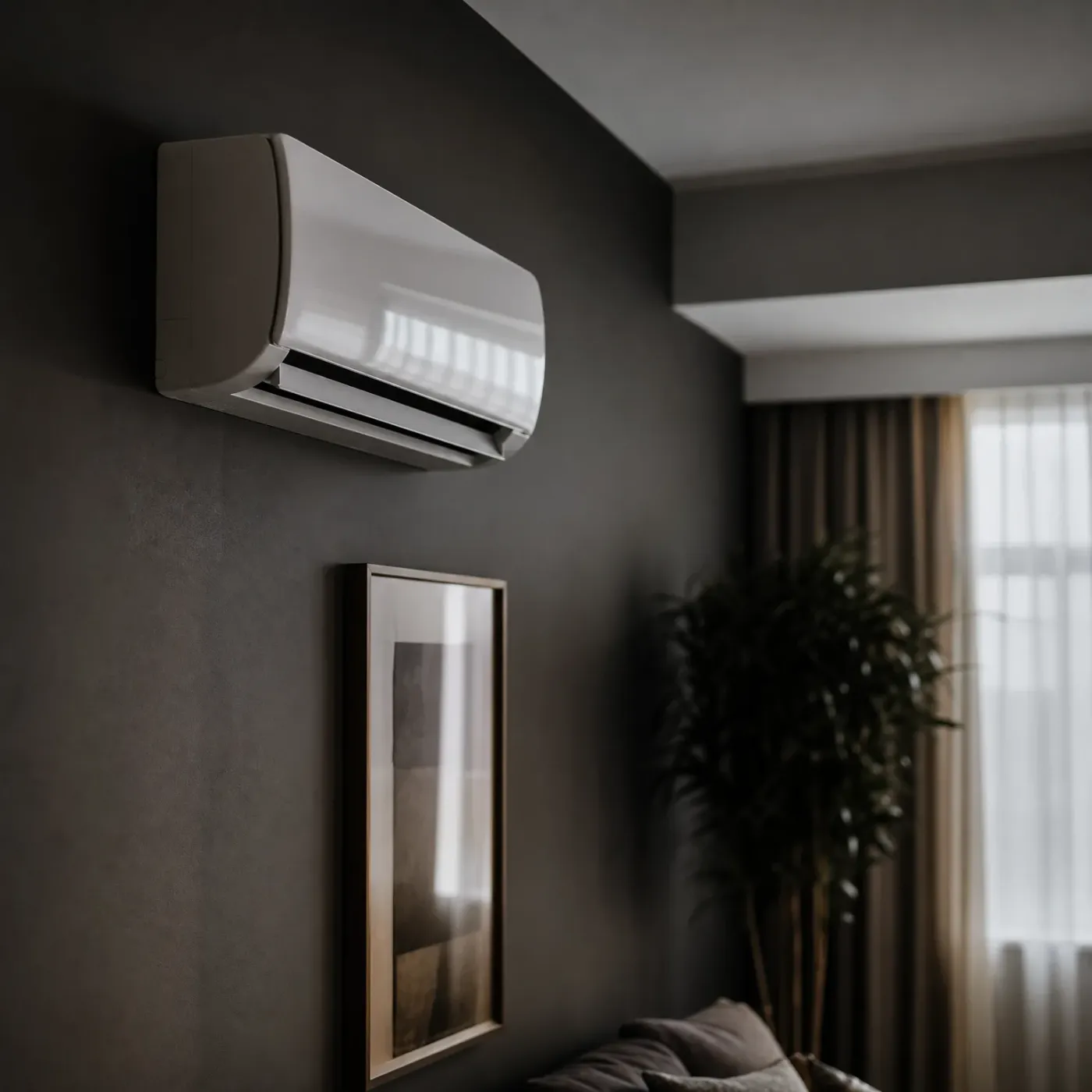






A white wall-mounted mini-split air conditioner on a dark gray interior wall above a framed picture, with a potted plant and curtained window to the right.

No quotes to chase

Where to put a mini split in a Georgia home

Where the indoor and outdoor units go affects how well a mini split handles Georgia summers and keeps up on cold mornings when it's doing the heating too. This page walks through what matters for wall placement, outdoor unit location, and sizing for your rooms, so you know what a good installation looks like before you line up quotes, call a few companies, and explain your house to each one.

Skip the search

The indoor unit goes high on an interior wall, with nothing blocking the airflow across the room, because a mini split cools and heats by throwing air, and anything in its path leaves a corner of the room untouched. In Georgia that matters most in summer, when the unit is pulling humidity out of the air as hard as it's cooling it, so a spot that lets air reach the whole room keeps the space from feeling damp in the corners even as the thermostat reads comfortable. The outdoor unit needs clearance on all sides and a spot out of direct afternoon sun, since a unit baking in full sun all summer works harder to shed heat than one with some shade. It also needs to sit where the line set run to the indoor head is short and straight. Most homes here heat with the same system, so the outdoor unit's location matters on cold mornings too, not just in July. Getting both placements right is what separates a mini split that keeps up from one that struggles in one room all year.

A man with greying hair in a dark green sweater sits on a light sofa in a sunlit living room, looking off to the side, with a large window, table lamp, framed art and white built-in shelves behind him.
A gray-haired man in a dark navy sweater sits on a light sofa in a living room, looking toward a sunlit window with a houseplant and wooden cabinet behind him.
A gray-haired man in a dark green ribbed sweater sits on a light sofa in a living room, looking toward a sunlit curtained window with a potted plant and lamp nearby.
A middle-aged man with gray hair and a beard, wearing a dark green sweater, sits on a light sofa in a sunlit living room with large windows, a potted plant, and a dining area in the background.

A mini split moves heat, it doesn't just blow air, and the outdoor unit is where that heat gets dumped in summer and pulled from in winter. If it can't breathe, nothing else about the install matters much. That's why the spot it sits in, and what's around it, does real work. The refrigerant lines running between the two units carry that heat exchange, and the farther or more bent that line runs, the harder the compressor works to move the same amount of heat. Inside, condensation forms on the indoor coil constantly during a Georgia summer, and that water has to leave through a drain line pitched downhill the whole way, with no low spots where it can sit. Georgia's pollen and summer downpours get into anything left low to the ground outside, which is part of why the outdoor unit sits up on a pad or bracket. None of this shows up on a spec sheet, but it's the difference between a system that holds up through August and one that nuisance-trips or drains slow all season.

How the placement actually works

  • The outdoor unit needs clear space on at least three sides so the fan can pull air through the coil without recirculating its own exhaust.
  • Mounting the outdoor unit on a pad or bracket off the ground keeps the coil away from grass clippings, pollen, and standing water after heavy rain.
  • The line set connecting the two units should run as short and straight as possible, since every extra bend or foot of refrigerant line costs the system some capacity.
  • A condensate drain line needs steady downward slope the entire way out, or the indoor unit will back up and shut itself off on a humid day.
  • The indoor unit's return air path should stay a few inches from the ceiling so it can pull room air evenly instead of short-cycling the air right at the top of the wall.
  • Electrical disconnects and the outdoor unit's power whip need to be sized to that specific unit, not just whatever breaker happened to be free in the panel.
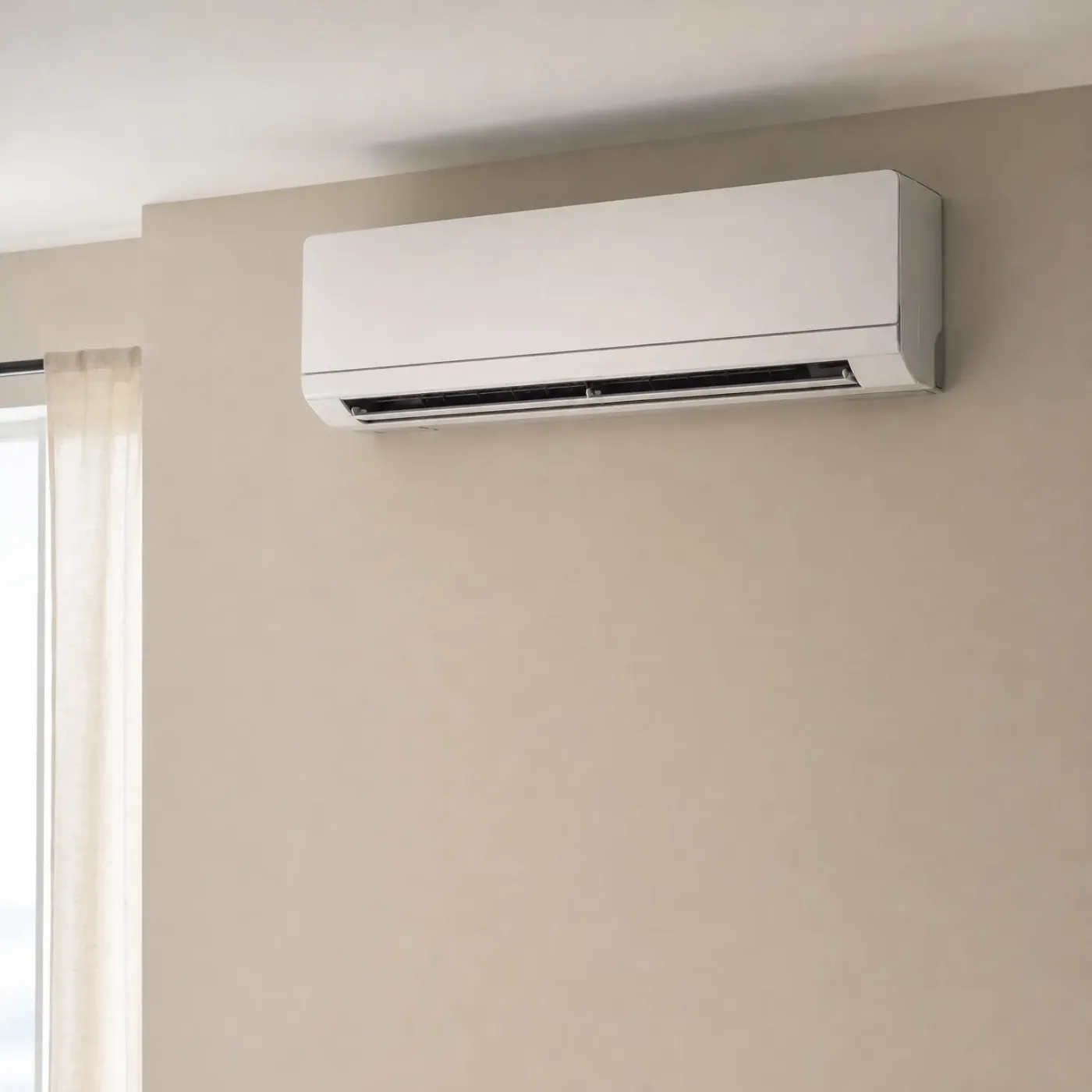
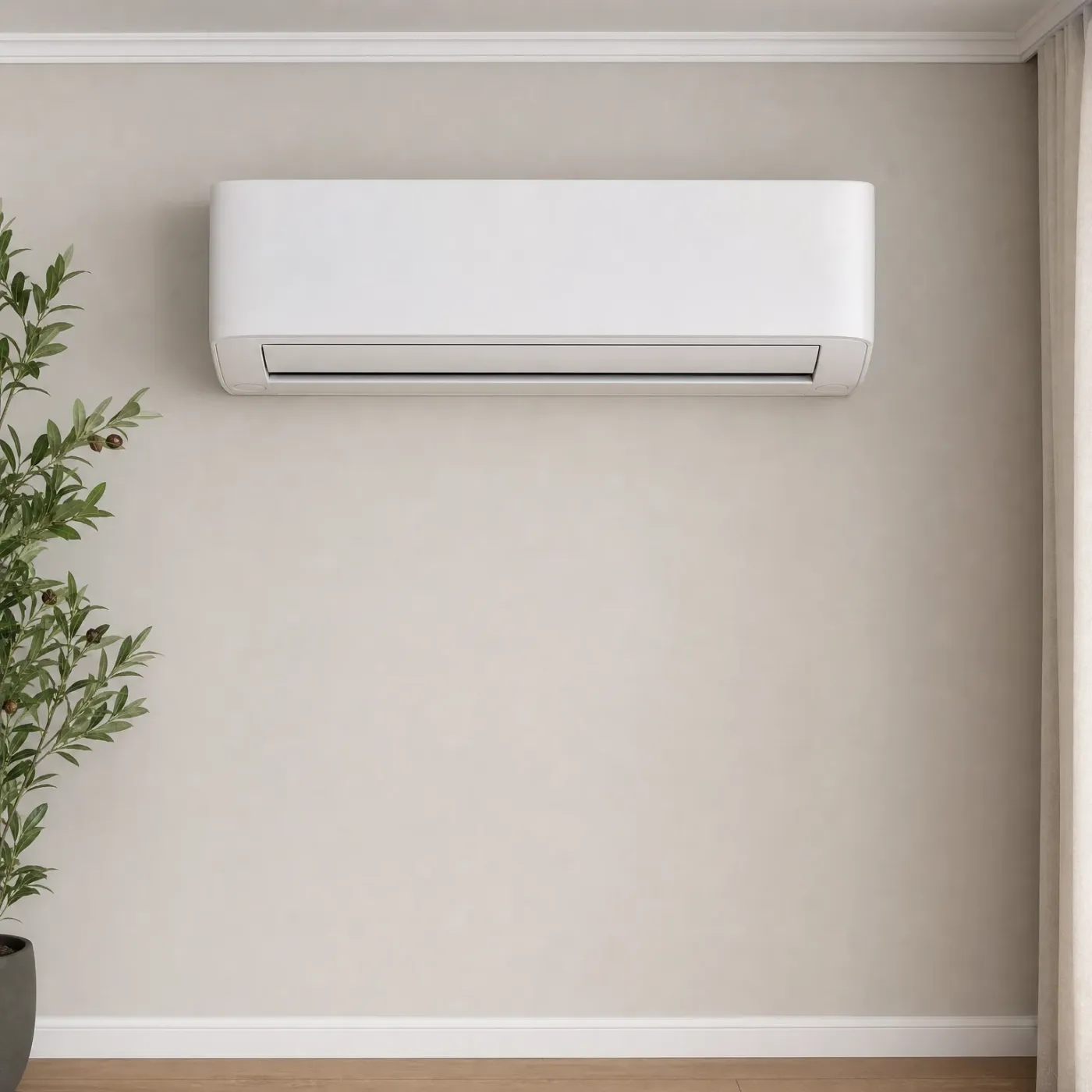
A white wall-mounted mini-split air conditioner installed near the ceiling on a beige interior wall, with a window and bamboo blind at the left edge showing green foliage outside.
Mounted high with clear wall space on both sides, this one throws air across the whole room instead of just the corner nearest the unit.
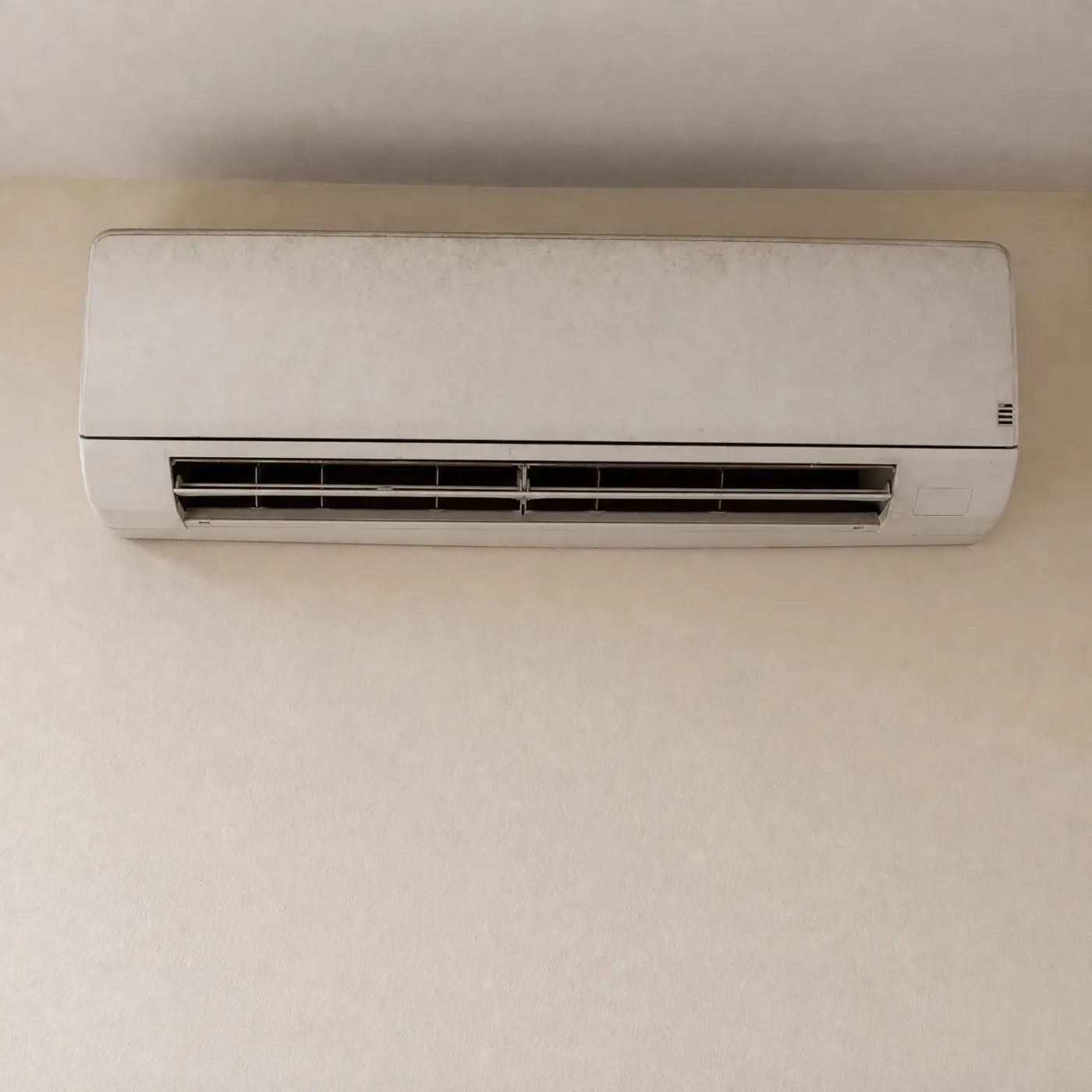
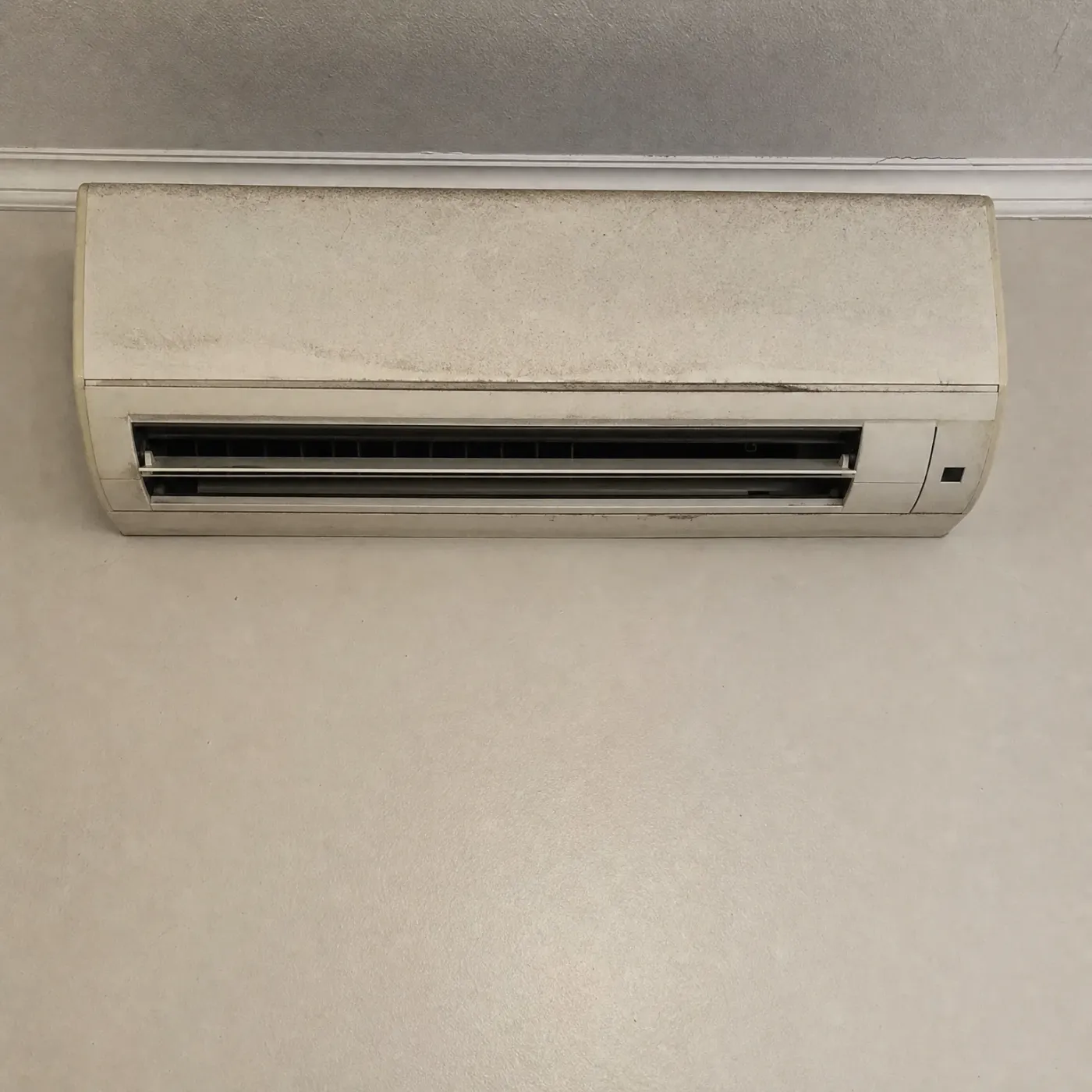
A wall-mounted mini-split air conditioner indoor unit with discolored casing and dusty vents, installed near the ceiling on a plain light-colored wall.
Dust caked across the louvers like this blocks airflow and makes the coil work harder to pull the same heat out of the room.

What Bad Placement Costs You

  • A unit mounted wrong leaves one side of the room warm in July while the thermostat reads satisfied.
  • Short cycling from poor placement drives up your electric bill since most Georgia homes heat with it too.
  • An outdoor unit crowded against a fence or wall works harder all summer and wears down sooner.
  • A tech who skips load and placement checks can leave you with a system that never quite keeps up on the hottest afternoons.
  • Pollen and grass clippings pulled into a low outdoor unit clog the coil faster than a properly raised one.
  • A poorly placed indoor head can make the thermostat satisfied while the far corner of the room stays warm all summer.

You live with placement decisions long after the installer leaves. A head mounted where something blocks its throw, a bookshelf, a cabinet, a wall jog, means part of the room never gets the air, and you find out on the first ninety-degree day when one corner stays sticky while the thermostat says the room is done. That mismatch pushes the unit to run longer than it should, cycling on and off instead of settling into a steady run, and since most homes here heat with electricity too, that inefficiency shows up on the bill in both July and January. Outside, the fan needs room to breathe. Set the condenser too close to a fence, a wall, or dense shrubs, and it ends up pulling in the warm air it just pushed out, working harder to move the same heat all summer and wearing out sooner for it. Set it low to the ground instead of on a raised pad or bracket, and pollen, grass clippings, and yard debris work into the coil faster, cutting into airflow bit by bit until the system is straining to do what used to come easy. None of this shows up on day one. It shows up as a warm corner in August, a higher bill than the unit's rating promised, or an outdoor coil clogged well before it should be. A contractor who checks the room's layout and the site before mounting anything is the difference between a system that keeps up and one that's always catching up.

A dusty, discolored wall-mounted mini-split air conditioner indoor unit near the top of a plain light-colored interior wall below a white molding strip.
Before you get your mini split installation
A white wall-mounted mini-split indoor unit on a beige interior wall, with a potted leafy plant at the left and a curtain edge at the right.
After you get your mini split installation

Why line set length matters

The indoor and outdoor units connect through a line set that carries refrigerant between them. A longer run between the two means more refrigerant in the system and a harder time for it to cycle efficiently, so placing the outdoor unit as close as the layout allows helps the system hold its charge and recover faster after a hot afternoon or a cold snap. Installers also account for every bend in that line, since each one adds resistance. A straight, short path between indoor and outdoor units keeps the system working the way it was sized to work, rather than fighting the distance.


Why the condensate line needs a slope

The indoor unit pulls moisture out of the air and has to drain it somewhere, through a condensate line that runs out to the exterior. That line needs a steady downward slope the whole way, because any low spot lets water sit and back up into the unit instead of draining out. In Georgia's humid summers, the indoor unit pulls a lot of water out of the air over a cooling season, so a poorly sloped line shows itself fast, usually as water dripping from the unit or a musty smell from standing moisture inside it.

A woman with shoulder-length graying hair, wearing a light knit cardigan over a striped shirt, sits in an upholstered armchair and looks off to the side, with a bookshelf and houseplant behind her.
A woman holds a sleeping boy wrapped in a gray knit blanket on a couch, with a lit table lamp and houseplant blurred in the background.
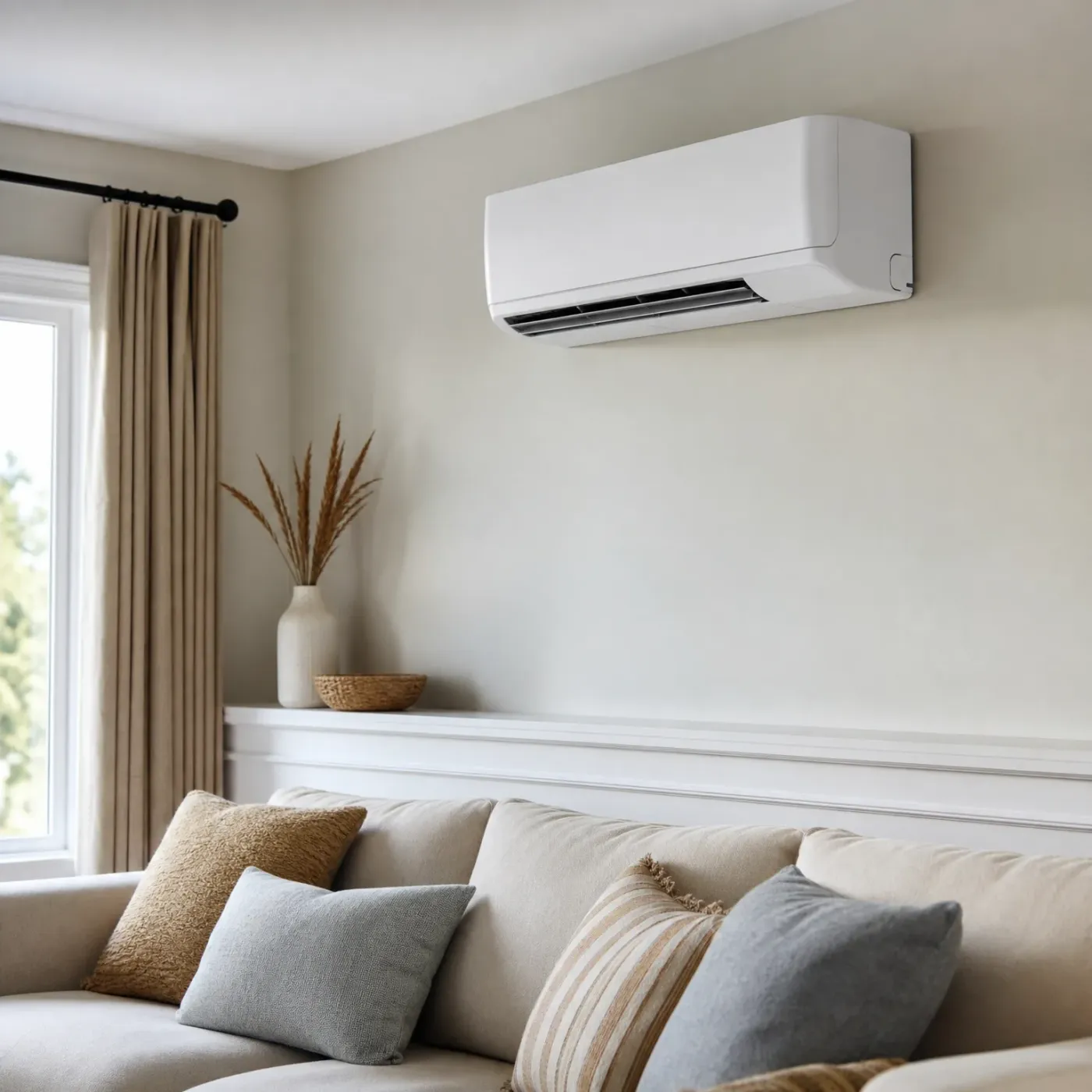
A white wall-mounted mini-split air conditioner on a pale wall above a beige sofa with assorted cushions, beside a window with long curtains and a shelf holding a vase of dried grasses and a woven bowl.

Skip the search

One installer gets your project, so there's no bidding war over it.

Skip collecting and comparing quotes for the new mini split.

Get one local pro

You only hire the pro if you want to.

One Room or Several: Choosing Your Setup

Wall-mounted single zone

  • One indoor head covers one room or an open area, so placement only has to work for that space.
  • The outdoor unit pairs with a single line set, which keeps the run short if you put it near the room being served.
  • Good for an addition, a garage, or a room an existing duct system never reached well.
  • Sizing is simpler because the contractor is matching one head to one space instead of balancing several.

Multi-zone system

  • One outdoor unit feeds several indoor heads, so the outdoor placement has to work for line sets running to every room.
  • Each indoor head still needs its own clear wall and open airflow, so a good spot in one room doesn't guarantee one in the next.
  • Line set lengths vary by room, and the farthest head from the outdoor unit is the one most affected by that distance.
  • Works well when several rooms need coverage, since it avoids running one outdoor unit per room.
  • A contractor has to plan the whole layout at once, matching capacity across zones instead of sizing a single head.
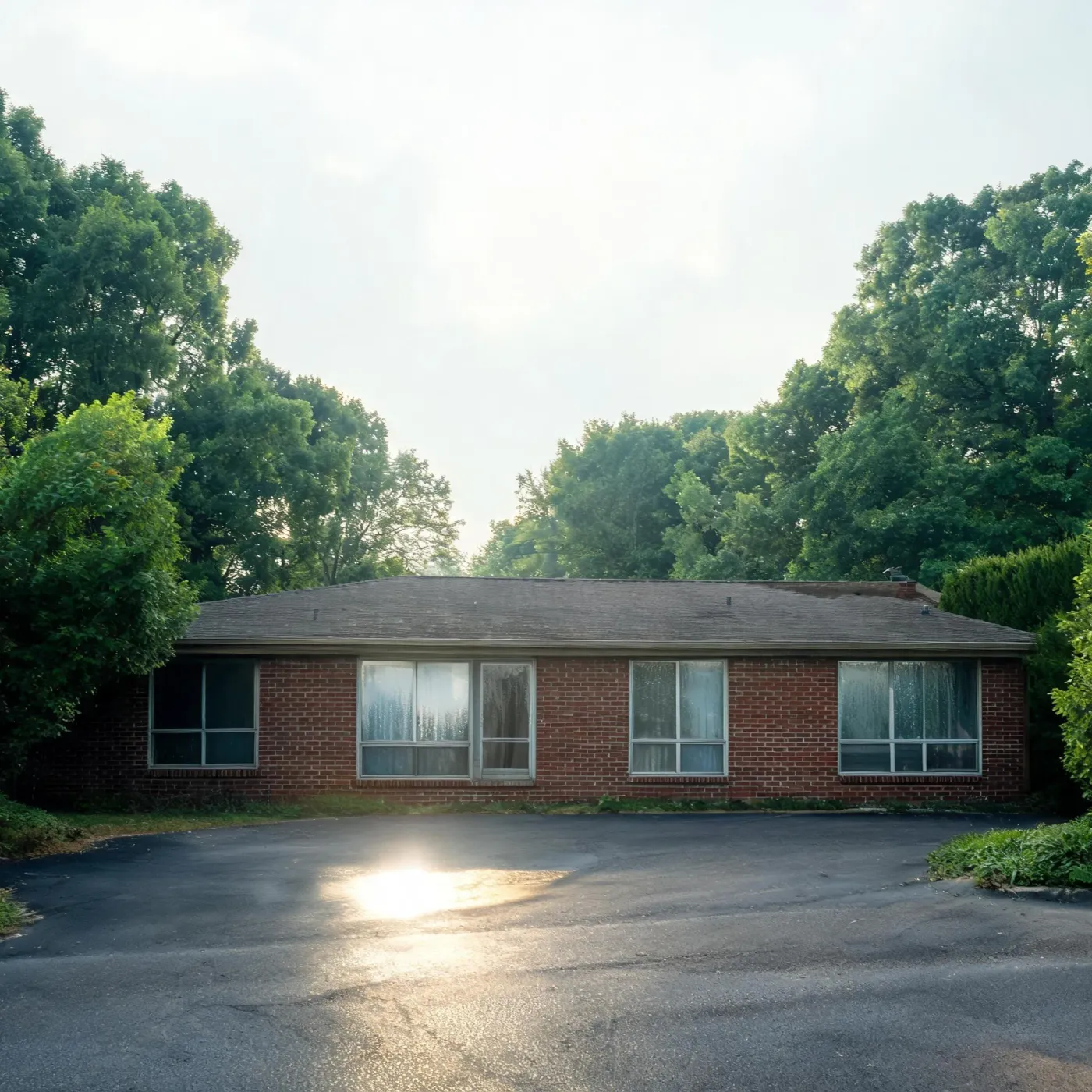
A single-story red brick building with a low shingled roof and large windows, fronted by a wide asphalt parking area with sun glare, surrounded by dense green trees and shrubs.

A Georgia summer doesn't just run hot, it runs thick. Averaged across June, July and August, the dew point here sits at 68°F, and that's the number behind why the air feels heavy even after the thermostat says the room is cool. A mini split sized and placed right pulls that moisture out along with the heat, through the indoor coil. One placed poorly, or sized off a guess, struggles to keep up, and you'll notice it as clammy air and a room that never quite feels dry, no matter how low you set the temperature.

Source: NOAA climate normals.

NASA POWER T2MDEW county cells weighted by homes

Is your mini split actually placed right

Stand under the indoor unit and feel where the air lands. If it blows straight down on the couch and the far corner of the room stays warm, it's mounted wrong or something's in its path. Outside, check the clearance around the condenser. If it sits tight against a fence, buried in shrubs, or caked with grass clippings and pollen, it's pulling in its own exhaust instead of fresh air. You might hear it run longer than it should, or notice the unit cycling on and off every few minutes rather than settling in. Left alone, that strain adds up on the electric bill, since most homes here heat with it too, and it wears on the compressor faster than it should.

  1. Technician checks the room for wall space and airflow path

  2. Load calculation sets the right size for the space

  3. Indoor unit mounts high with its line set holes drilled

  4. Outdoor unit sets on a pad with clearance on three sides

Power costs 14.74 cents per kilowatt-hour statewide

At 14.74 cents per kilowatt-hour, every bit of short cycling or air dumped on one corner of the room shows up on your bill. A mini split placed right doesn't fight itself to satisfy the thermostat, so the compressor isn't running longer than it needs to.

EIA-861 2025 statewide residential average

A white wall-mounted mini-split air conditioner installed high on a beige interior wall near the ceiling, with a sheer curtain and window at the left edge.

Mounted and placed right

Set high on the wall with open space on both sides, this unit throws air clean across the room. No louver crowded against drapes, no corner left out of reach. A licensed installer who works on these year-round in Georgia knows where that air needs to land before the bracket ever goes up.

A white wall-mounted mini-split air conditioner indoor unit with visible dust and discoloration, installed near the ceiling on a plain beige wall.

Placed without that in mind

Dust has caked across the louvers and the vent can't move air the way it's supposed to. Close to a window or boxed in by a curtain, a unit like this works harder for less. Getting the location right the first time, with someone qualified, is what keeps a mini split from ending up here.

A closed laptop and a speckled ceramic mug sit on a wooden table beside a stoneware vase with a leafy branch, with a wooden chair, kitchen counter with cutting board and bowl, and dark upper cabinets in the dim background.

Placement is what makes a mini split work

Where the indoor head hangs and where the outdoor unit sits decides whether the system keeps up in a Georgia summer or leaves one corner of the room warm while the thermostat says it's satisfied. High on the wall, clear path, short line set, and three sides of open air around the compressor outside. That's the answer, and it holds for a single room addition or a full house split into zones.

Getting there means someone who's measured a hundred Georgia living rooms and knows where the sun hits that wall in July. A licensed installer local to you has already seen what fails when a unit gets mounted over a doorway or crowded against a fence, so you're not explaining your house from scratch or weighing bids from three different companies to find out who actually knows this equipment. One contractor, already familiar with homes like yours, looks at your walls and tells you where it goes.

A gray upholstered sofa with a matching cushion sits beside a potted plant and a wooden table holding a small green plant in a stone pot, near a curtained window.
A white wall-mounted mini-split air conditioner on a dark grey textured wall, with a monstera plant leaf at the lower right corner.

Explain it one time

New system or replacementMini-splitGeorgia
Step 1 of 2

What ZIP code is the job in?