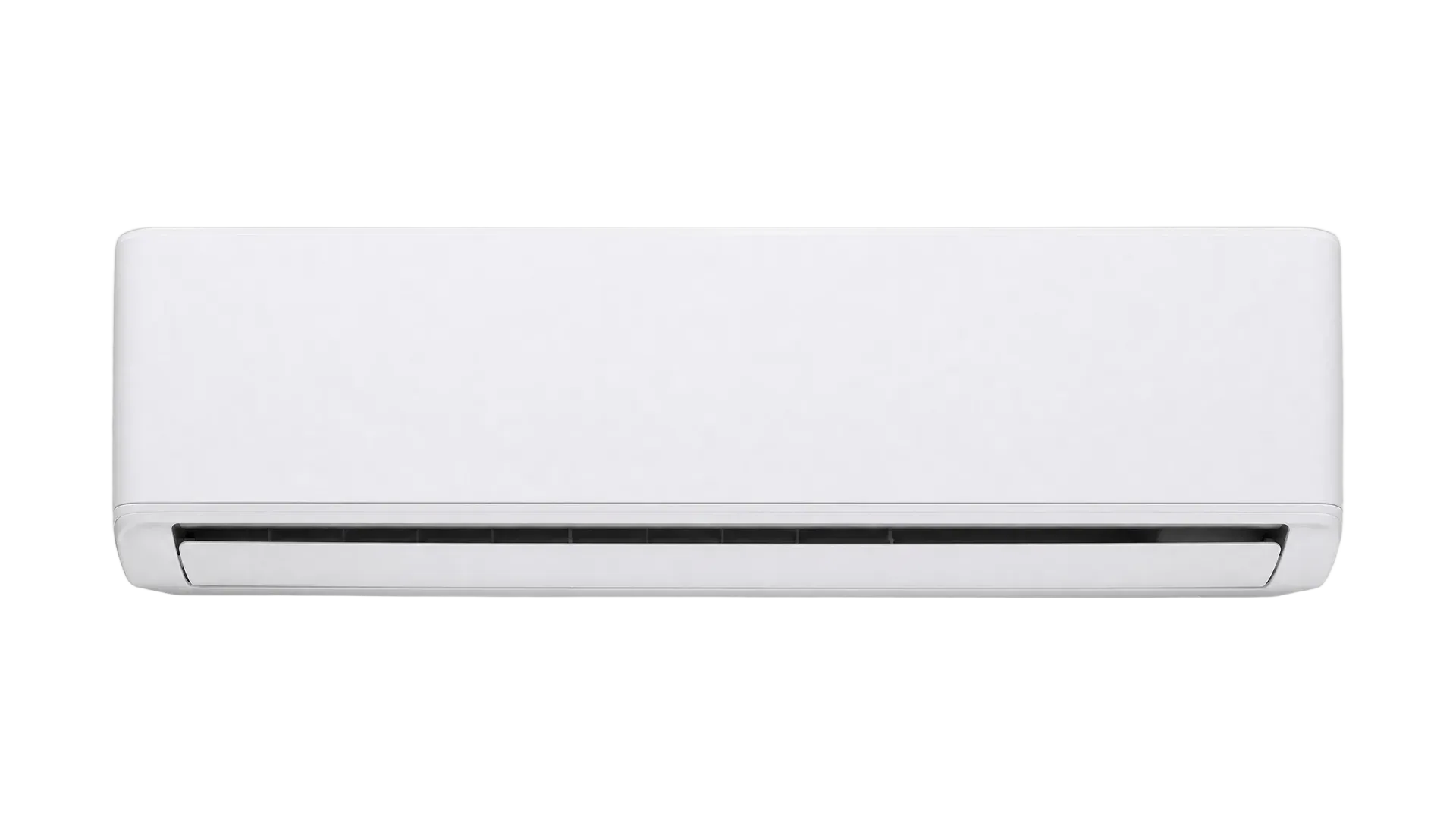

No ductwork required
An old house without ducts, or with ducts that never reached certain rooms, can still get even heating and cooling. The lines run through a hole a few inches wide.
You've got an older house in Georgia and you're planning ahead for next summer. No ductwork to speak of, or ducts that don't reach every room, and you're trying to figure out if a mini split actually makes sense here instead of ripping into walls or gambling on window units again.
A mini split doesn't need ductwork, so it goes into an older home without cutting into plaster or framing to run vents. Each indoor unit cools and heats just the room it's mounted in, which matters in a house where rooms were added on over the years or never shared one duct system to begin with. Most homes in Georgia heat with electricity, and a mini split runs on electricity too, so it can replace both a window unit and a space heater with one piece of equipment. Summers here stay muggy for months, and a mini split pulls that moisture out of the air as it cools, which older homes without good insulation often need more help with.
An outdoor compressor unit pulls heat from the air, even in winter.
Refrigerant lines run through a small hole drilled in the wall.
An indoor air handler mounted on the wall blows conditioned air directly into the room.
A thermostat or remote lets you set each zone on its own.




An old house without ducts, or with ducts that never reached certain rooms, can still get even heating and cooling. The lines run through a hole a few inches wide.
Most homes in Georgia already heat with electricity, so a mini split fits the wiring that's there. It heats and cools from the same unit, all year.
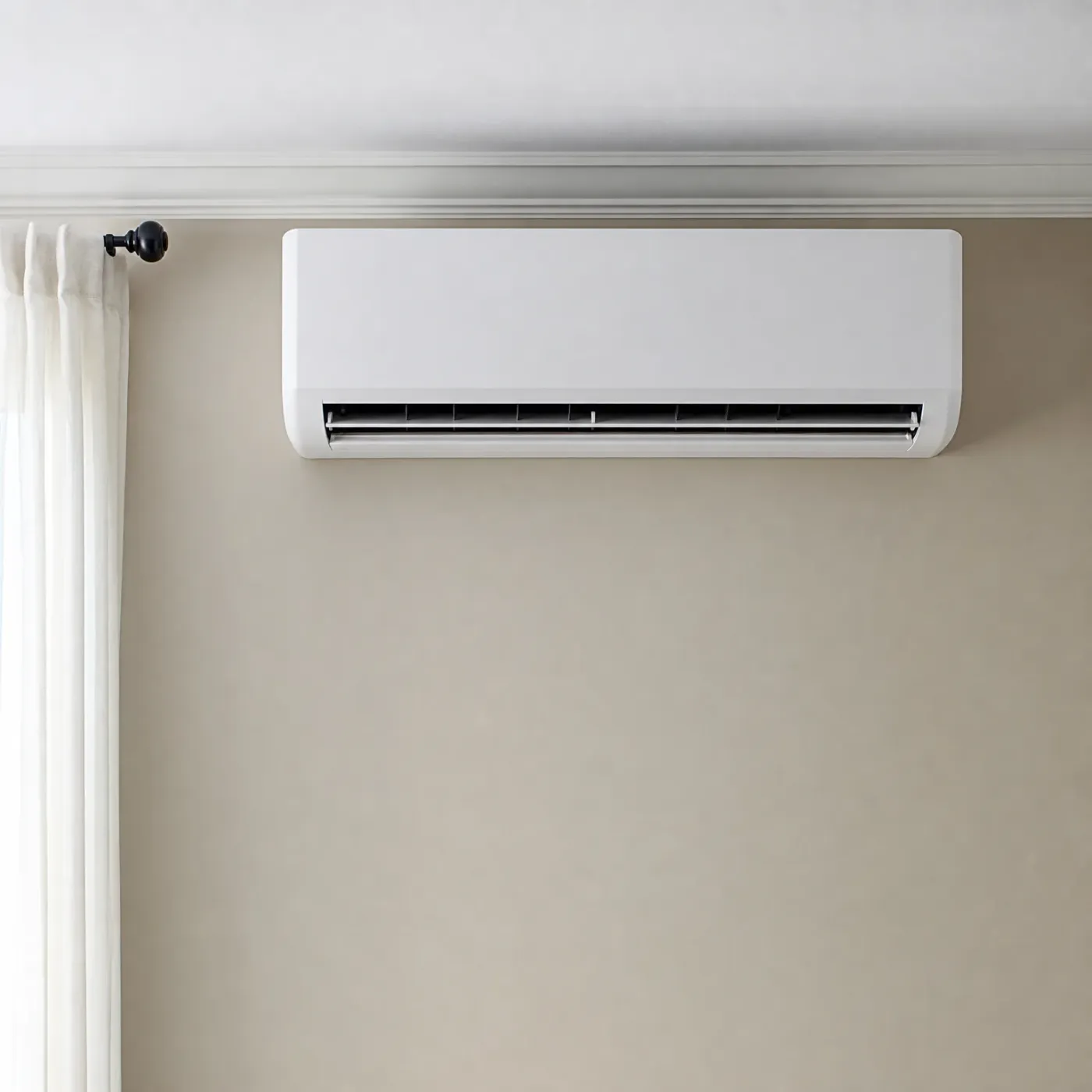
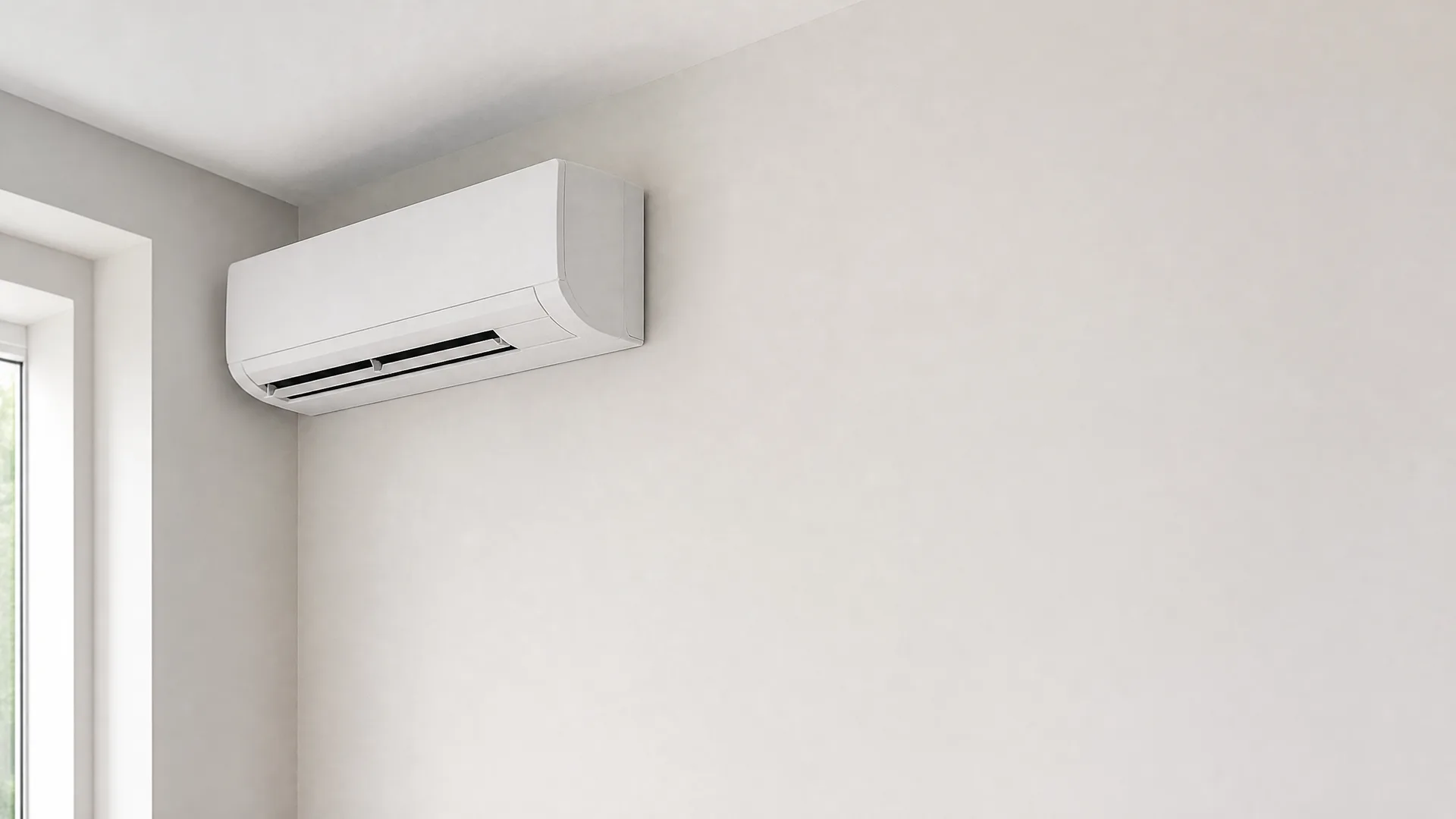
This is what a mini split looks like when it's keeping up. The wall unit stays white, the air moves quiet, and every room it covers holds its temperature without a window unit propped in the frame.
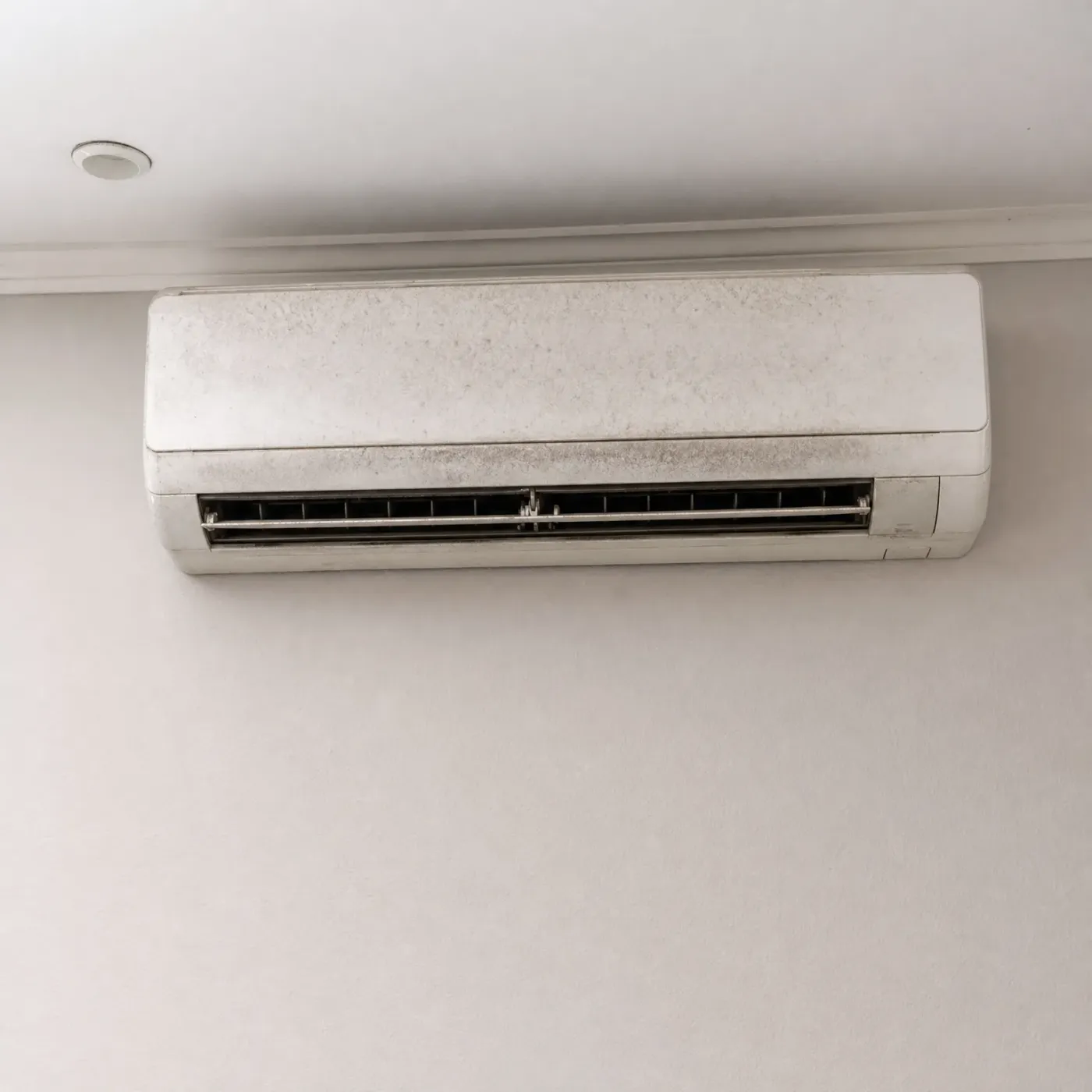
This is what gets missed. Grime builds up on the casing and inside it, on the coil and the filter, and the unit has to work harder to push air through. Left alone, it loses ground against a Georgia summer.

Think about the rooms a window unit can't cover or the ones your ducts never reached. A back bedroom that stays ten degrees warmer in July. A sunroom you've given up on. A mini split head goes right in that room and handles it on its own, with its own thermostat, so you stop choosing between running the whole house harder or just living with one bad room.
Right now, fixing that means finding a contractor who'll even take on a house without full ductwork, then another call to check the quote, then explaining the same layout a third time. Send one form and that part is done. You're not sorting through names or repeating yourself room by room. Someone who already knows older Georgia houses takes it from there, and you get to stop thinking about next summer before it arrives.


This is a mini split doing its job. The wall unit stays clean, the room holds its temperature, and nobody's propped a window unit in the frame to fight the heat. Whatever room this is in Georgia, it stays even through the muggiest part of July.

Dust and grime build up along the vents and casing edges like this when a mini split hasn't been serviced in a while. It still runs, but it's working harder to push air through, and a unit working harder is one more likely to need a repair call before next summer.


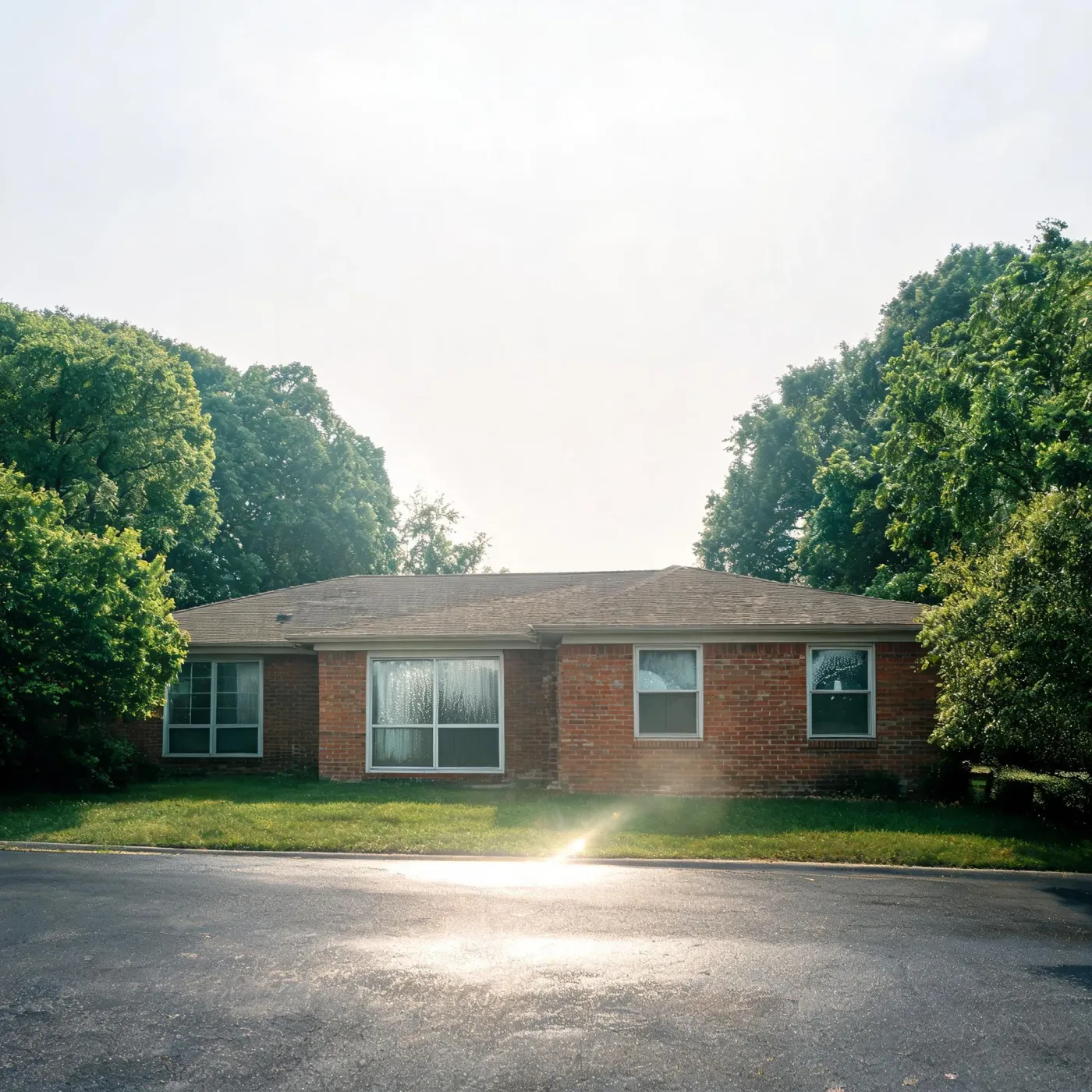
Summer air in Georgia carries a dew point around 68°F, averaged across June, July and August, according to NOAA climate records. That's heavy air, the kind that sits on your skin even in shade. A mini split pulls moisture out as it cools, so a room it covers feels dry and even, not just cooler. Rooms it doesn't reach, the back bedroom or the sunroom, stay sticky no matter what the thermostat says, because the air itself hasn't changed. That's the difference you'd notice first, before you even check the temperature. Once installed, each head handles the air right where you live in it, instead of leaving the muggiest rooms to fend for themselves.
NASA POWER T2MDEW county cells weighted by homes
Skip collecting and comparing quotes for the new mini split.
No fee to send it, and nothing to sign.
You pick the room that gives you the most trouble, a sunroom or a back bedroom the ducts never reached, and get a head installed there before next summer. The rest of the house keeps doing what it's always done, window units, space heaters, whatever's worked so far. It's a smaller job, and it answers one problem instead of all of them at once. You can see how the unit handles the room through a full summer before deciding whether another one goes in somewhere else.
A multi-zone system puts a head in several rooms at once, all run off the same outdoor compressor. No more carrying window units up from the basement every spring, no more space heaters crowding an outlet in January. It's a bigger job up front, with more lines run and more holes drilled, and it asks more of your electrical setup since everything draws from one circuit. But once it's in, every room it covers gets handled the same way, on the same thermostat, all year.
At 14.74 cents per kilowatt-hour, running a mini split on electric heat through winter costs about what your current electric heat already costs. It won't spike your bill just for being new equipment, and since it only conditions the room it's mounted in, you're not paying to heat or cool space you don't use.
EIA-861 2025 statewide residential average
You don't have to redo the whole house to get relief in the room that needs it most. A single outdoor unit can run one indoor head or several, so you can start with the sunroom or the back bedroom and add on later if it makes sense. Each head runs on its own, so the rest of the house keeps using whatever it's using now while that one room finally holds its temperature.

If the window units and space heaters are scattered through most of the house, a multi-head system sized for several rooms at once is the other way to go. It costs more up front than one head, but it means every room on the system gets handled the same way, by the same equipment, instead of room by room over a few years. Either path gets planned out with a contractor who can look at your house and tell you which rooms a single outdoor unit can actually cover.
A mini split makes sense for an older Georgia house. No ducts, or ducts that never reached the back bedroom, and it still gets you even heat and cool in that room. It runs on the electricity your house already uses to heat, at the rate you already pay. It pulls the moisture out of thick summer air while it cools. You can start with one room and add another head later if it works out. What it doesn't fix on its own is finding someone to put it in right, sizing the unit, running the lines, setting the outdoor compressor where it belongs. That's the part that usually means calling around, explaining your house more than once, and sorting through quotes you can't really compare. Send the form and that work is off your plate. You'll know where you stand on the room that's given you trouble for years, before next summer gets here.

Send one request and you're done looking