






A tall red brick wall with a row of shrubs runs along the left side of a mown lawn, with a single-story light-colored house and tall pine trees in the background under an overcast sky.

AC Installation in Grovetown, GA

Tell us about the job

Takes about a minute. No obligation.

New system or replacementCentral ACColumbia County, GA
Step 1 of 2

What ZIP code is the job in?

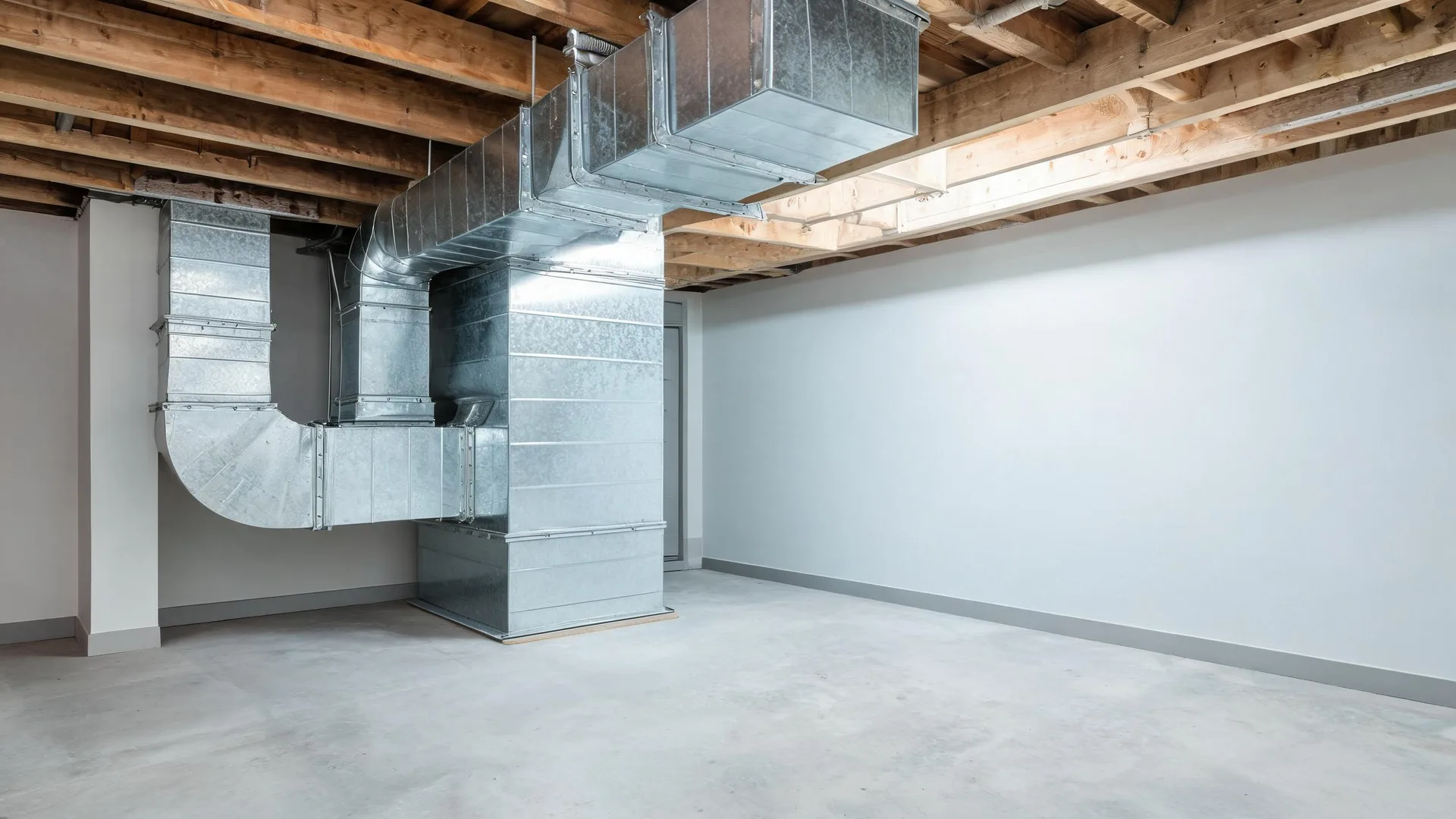
The unit itself is only part of what you're paying for. Sizing matters more than most people expect. A system too big for the house cools the air fast but shuts off before it pulls the moisture out, so rooms end up feeling clammy. One too small just runs and runs and never quite catches up. Getting that right means a contractor calculating the load for your house instead of guessing based on the old equipment. Ductwork is the other big piece. If the existing ducts are undersized, leaky, or routed poorly, the new system has to fight them, and part of the job may mean repairing or modifying those runs rather than just swapping the condenser and coil. The refrigerant lines, the electrical disconnect, the pad the unit sits on, all of that factors in too, especially if any of it needs upgrading to match the new equipment.

5 months
May through September, your air conditioner is on duty
90°F
the average summer afternoon it cools against
23 hail events
in ten years, and hail bends the fins on outdoor coils
13.4 SEER2
the federal minimum any new unit must meet
Isometric line illustration of a cutaway house showing interior rooms, ceiling ductwork, an indoor air handler unit, and an outdoor condenser connected by lines along the exterior wall.
Your air conditioner works hardest from June through September.

NOAA nClimDiv, 1991–2020 normals

A load calculation looks at square footage, windows, insulation and ceiling height, not just the size of the unit being replaced.

Matching the new system to that number is what keeps the house cool and dry instead of just cold.

Most homes in Columbia County heat with electricity, and a new AC install is a chance to plan around it

62.7% of homes heat with electricity
Cooling runs May through September
Summer afternoons average 90°F
Power here isn't cheapGeorgia homes paid 14.08 cents per kilowatthour in 2024

Cooling here starts in May, so April is the month to have the new system in. Install it before that first stretch of heat and a contractor can size it, set it and test it without anyone sitting in a warm house waiting on the work. Wait too long and you're installing under pressure, picking from whatever equipment is on hand instead of what actually fits the house. Columbia County runs AC about five months a year, May through September, which is a long stretch to discover the ductwork needs work or the breaker can't carry the new unit. Spring gives a contractor room to find that out and fix it before the system has to carry the house all summer.

A new AC has to meet a higher bar here, and there's a credit for it

Any new system here has to meet 14.3 SEER2, the regional minimum for this size of equipment, which is higher than what the rest of the country requires. That rules out lower-efficiency units you might find priced to move elsewhere. A federal tax credit is available on qualifying equipment, which helps offset the difference.

Find a contractor
A man in a cap, dark long-sleeved shirt and tan work pants climbs wooden porch steps toward an orange front door, carrying a canvas tool bag with tools in it, beside a potted shrub in a terracotta planter.
An outdoor residential air conditioning condenser unit mounted on a concrete pad, surrounded by gravel with a blue sky in the background.

This system will run for months without a break, ask how it's built for that

A system that runs most of the day for months at a stretch wears differently than one that cycles on and off a few times a week. When you're comparing options, ask how each one handles a full season of steady run time, not just how it performs on a mild day. Ask about the compressor warranty specifically, since that's the part doing the work hour after hour. Ask what the manufacturer rates the system for in terms of duty cycle, and whether the model you're looking at is built for long runs or short bursts. A contractor who installs this equipment regularly should be able to tell you how it holds up after a few years of real use, not just what the spec sheet says on day one.

The old unit still has refrigerant in it

A working AC system holds refrigerant under pressure, and that has to be recovered before the old unit comes off the pad. A licensed contractor removes it with a recovery machine rather than letting it vent into the air, which is both the legal way to do it and the right one. This happens before anything gets disconnected.

Removal is part of the job, not an extra step

Once the new condenser and coil are set, the old equipment gets hauled off as part of the install. The condenser, the indoor coil, and sometimes the old line set all come out together if the new system uses different connections. Ask whether haul-away is included before the work starts, since it usually is but it's worth hearing it said plainly.

Overhead view of a gray outdoor AC condenser unit on a concrete pad beside a mulched garden bed and a house with vinyl siding.

Going above the federal minimum saves little here, about $20 a year.

  • A higher-efficiency unit$390 a year
  • A new unit at the federal minimum, 14.3 SEER2$410 a year

Estimates for a typical Columbia County home, from EIA household energy data, Georgia fuel prices and NOAA climate normals. Your home will differ.

Installation day starts with the old system coming out, then the new pad or frame gets leveled before anything new goes on it. A condenser that sits crooked vibrates more and drains worse over time, so this step matters even though it looks minor. From there a contractor sets the new condenser outside, mounts or connects the indoor coil, and runs refrigerant lines between them, brazing the joints rather than just fitting them together. The lines get pressure tested for leaks before any refrigerant goes in, since a joint that leaks slowly can take months to show up as a performance problem. Once the system holds pressure, it gets charged, the electrical connections are made, and the whole thing runs through a startup check, airflow, temperature split, the thermostat talking to the equipment correctly. None of this is fast work if it is done right, and rushing the brazing or skipping the pressure test is how a brand new system ends up with a slow leak in its first year.