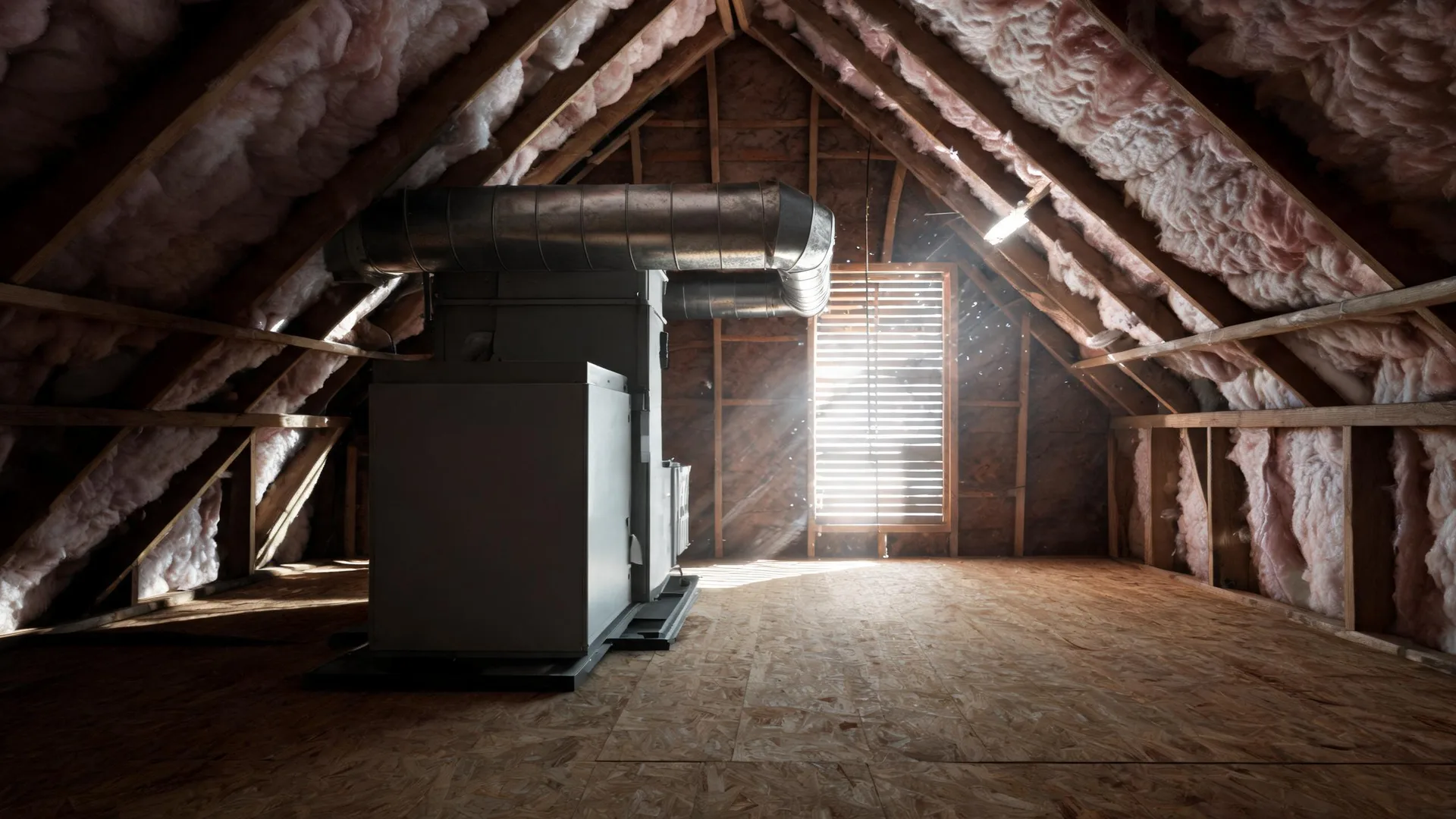
Electric heat is the norm here
Electricity heats 80.7% of homes in Catoosa County. That usually means a heat pump, or an electric furnace paired with the AC, sharing the same ductwork and sometimes the same outdoor unit as the cooling side.
Takes about a minute. No obligation.
Electricity heats 80.7% of homes in Catoosa County. That usually means a heat pump, or an electric furnace paired with the AC, sharing the same ductwork and sometimes the same outdoor unit as the cooling side.
If your home already runs on electric heat, a new AC can likely tie into the existing ductwork and wiring without major changes. A contractor can confirm what your current setup will support before quoting the job.

NOAA nClimDiv, 1991–2020 normals
Catoosa County saw 51 damaging wind events between 2015 and 2024.
An AC installation here calls for a unit set and anchored correctly, not a bigger size.




Catoosa County sits in climate zone 3A, warm with long summers and a short, mild winter. Any split-system AC installed here under 45,000 Btu/h has to meet 14.3 SEER2. Larger units need at least 13.8 SEER2. Both are higher than the minimum that applies in other parts of the country. A contractor quoting your install will already be working from this regional number, not a national one.
Cooling runs five months here, May through September, with afternoon highs around 88 in June, July and August. That calls for a standard size system, correctly matched to your home, nothing bigger. Get the sizing right and the install set before the season starts.
Find a contractorSizing an AC comes down to a load calculation, not a guess based on square footage. A contractor measures the home, checks window area and orientation, looks at insulation, and figures out how much heat actually builds up inside on a hot afternoon. That number tells them what size unit to put in, not the other way around. Go bigger than that number and the unit short cycles, running in quick bursts that cool the air fast but never run long enough to pull humidity out of it. The house feels clammy even when the thermostat says it's satisfied. Those short cycles also put more wear on the compressor over the unit's life, since starting up is the hardest thing it does. Go smaller and the unit runs long enough to dry the air out fine, but it struggles to keep up on the hottest days and never quite gets the house to temperature. Right sized, it runs in long, steady stretches, holds the temperature, and pulls the humidity down along with it. That's what the load calculation is for.
Once the new system is in place, the installer disconnects the old outdoor unit and indoor coil, caps or reworks the refrigerant lines, and removes the equipment from the property. The refrigerant in the old unit has to be recovered into a tank rather than released, since venting it is not allowed.
Replacing an AC does not normally mean replacing the ducts underneath it. If the old ductwork was sized and sealed for the old system, a contractor checks that it still suits the new one before connecting it, rather than tearing it out and starting over.
Estimates for a typical Catoosa County home, from EIA household energy data, Georgia fuel prices and NOAA climate normals. Your home will differ.
Comparing quotes comes down to a few questions worth asking every contractor. Ask what load calculation they ran and what size they landed on, not just the brand they're pushing. Ask what SEER2 rating the unit carries and whether that's the efficiency at the size they're quoting, since the rating changes with capacity. Ask if the quote includes a new line set or reuses the old one, and whether the existing ductwork was inspected or just assumed to work. Ask what happens to the refrigerant in the old unit, since it has to be recovered, not vented. A contractor who answers these without hesitation has actually done the work behind the number on the page.