





Three white clapboard houses with wraparound porches glow with warm interior and landscape lighting beneath Spanish moss-draped oak trees at dusk.

AC Installation in Rome, GA

Tell us about the job

Takes about a minute. No obligation.

New system or replacementCentral ACFloyd County, GA
Step 1 of 2

What ZIP code is the job in?

Electricity in Floyd County ran 15.50 cents per kilowatt-hour in 2025. That rate applies to every kilowatt a new air conditioner pulls, all summer long. A unit that wastes power on a hot afternoon in Rome bills you for that waste at this rate, not some lower one. The efficiency rating on the system you choose matters more here than it would somewhere power costs less. What it takes to cool your house shows up on the meter, and the meter runs off this number.

5 months
May through September, your air conditioner is on duty
89°F
the average summer afternoon it cools against
6 hail events
in ten years, and hail bends the fins on outdoor coils
13.4 SEER2
the federal minimum any new unit must meet
Isometric cutaway illustration of a house showing interior ductwork, an air handler and furnace unit, and an outdoor condenser connected by lines outside the wall.
Your air conditioner works hardest from June through September.

NOAA nClimDiv, 1991–2020 normals

Electricity heats 55.1% of homes in Floyd County, more than any other fuel.

A new air conditioner here usually pairs with electric heat already in place, so installing one means fitting it to a system already built around electricity.

May starts cooling season here. April is when you want this done.

Cooling runs May through September
Climate zone 3A
Power here costs 15.50 cents per kilowatt-hour

Floyd County saw 115 severe weather events between 2015 and 2024. Damaging wind caused most of them, 95 times in that stretch. Hail hit 6 times, tornadoes touched down 3 times. That outdoor unit sits outside through all of it, so where it goes matters. Keep it clear of the spot where a dead limb or wind-blown debris is likely to land, and ask your installer about a cover or cage for hail. Statewide, 31% of Georgia households lost power for a day or more in 2024. A summer outage means no cooling until the power comes back, so it's worth knowing ahead of time how you'll manage that stretch.

Picking the Rating Now Decides What the Meter Says Later

The efficiency rating on the unit you pick now is the one billed at this rate for as long as you own it. Ask about that rating alongside the price when you compare systems.

Find a contractor
A gray residential air conditioning condenser unit mounted on a concrete pad outdoors, surrounded by green grass under a partly cloudy blue sky.

Five Months of Running Is What This Unit Signed Up For

Cooling runs about five months here, May through September. Through June, July and August the afternoon high averages 89°F, and the air carries a dew point around 67°F, heavier than most of the country feels. That combination keeps a system cycling on through the afternoon and into the evening, day after day, for the whole stretch. A unit sized and installed right handles that load without strain. One that's oversized, undersized, or just poorly matched to your house will show the wear sooner: a capacitor or a contactor going bad earlier than it should, a coil working harder than it needs to. Pick for the long summer this system will actually run, not the mildest week of it.

The Old Unit Gets Hauled Away

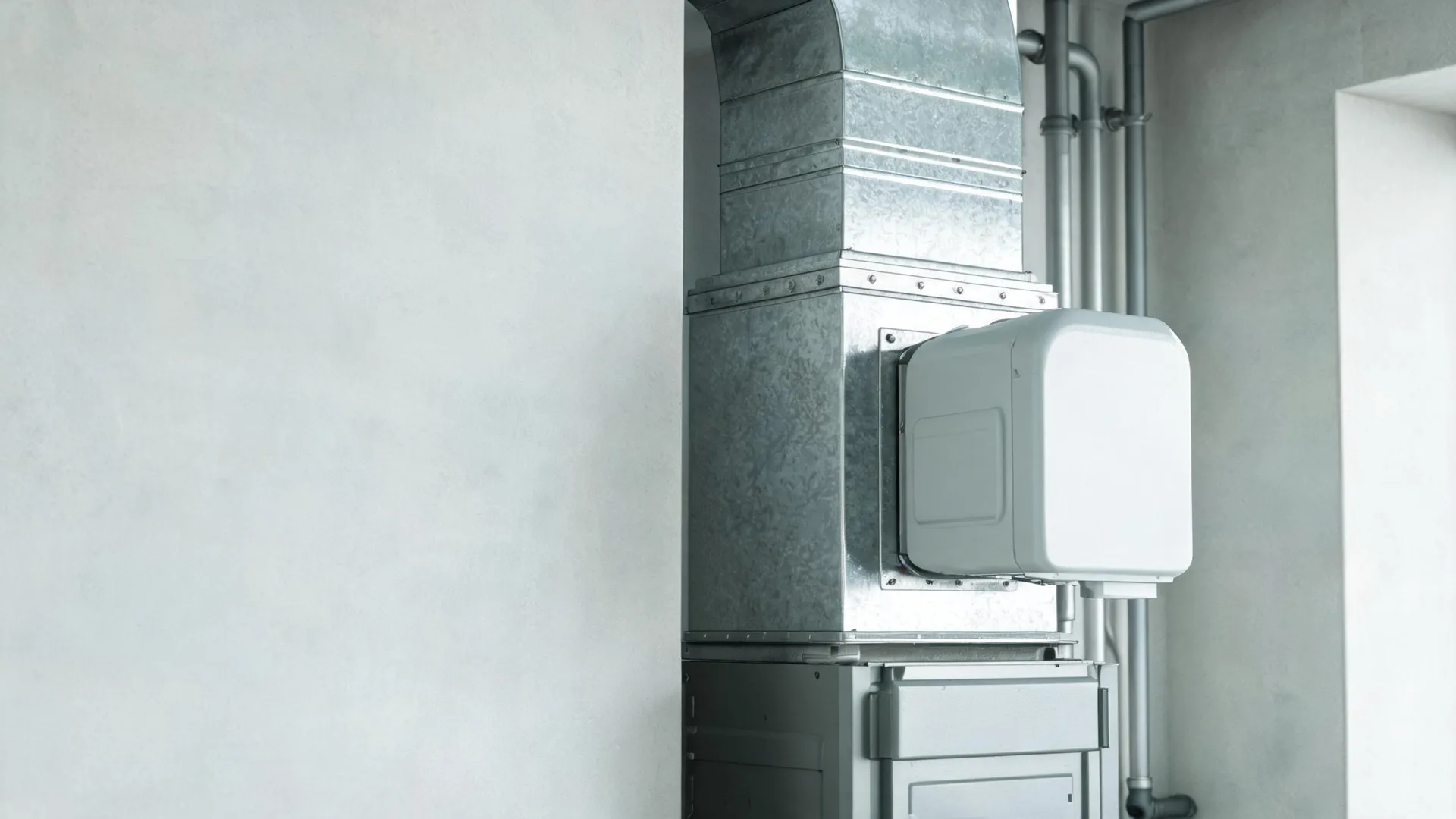
A licensed installer disconnects the old condenser and air handler, recovers the refrigerant left in the lines, and removes both. Refrigerant can't legally be vented into the air, so a certified technician has to pull it out and capture it before anything gets cut loose or carried off. The old equipment itself usually gets scrapped for the metal, since the parts inside rarely have any resale value once a system is that old.

The Line Set and Pad Need a Look

New equipment doesn't always mean every part gets replaced. Some installers reuse the old refrigerant lines or the concrete pad outside if they're still in good shape, which can cut down on the work. But lines sized for an old system may not suit a new one, and a cracked or sunken pad needs to be redone before the new condenser sits on it. Ask your installer what they plan to reuse and why, so you know what's new and what's holding over from before.

An outdoor air conditioning condenser unit positioned beside a blue-sided house at sunset.

Going above the federal minimum saves little here, about $20 a year.

  • A higher-efficiency unit$320 a year
  • A new unit at the federal minimum, 14.3 SEER2$340 a year

Estimates for a typical Floyd County home, from EIA household energy data, Georgia fuel prices and NOAA climate normals. Your home will differ.

Installation usually takes a full day, sometimes less for a straightforward swap. The crew sets the outdoor unit on its pad, runs or connects the line set, and installs the indoor coil and air handler or furnace coil, depending on what your system uses. Once everything's connected, the lines get pulled into a vacuum to clear out moisture and air before any refrigerant goes in. Skipping that step leaves moisture in the system, and moisture in the lines causes problems down the road that are harder to fix than the install itself. After charging, the technician checks airflow, checks the temperature split between the air going in and the air coming out, and tests the thermostat and safety controls before calling it done. A good installer walks you through the thermostat and the filter location before leaving, since those are the two things you'll handle yourself from then on.