Lowndes County sees serious weather
Lowndes County logged 269 damaging wind events between 2015 and 2024, plus hail, tornadoes and tropical storms. The outdoor unit sits through all of it, so where it goes and what shields it matters.
Takes about a minute. No obligation.
Lowndes County logged 269 damaging wind events between 2015 and 2024, plus hail, tornadoes and tropical storms. The outdoor unit sits through all of it, so where it goes and what shields it matters.
Close to a third of Georgia households went at least a day without power in 2024. A new system should go in with that in mind, including how the house stays cool until power comes back.

NOAA nClimDiv, 1991–2020 normals
Georgia electricity ran 14.08 cents per kilowatthour in 2024.
An efficient system costs less to run here every month it's hot.



Electricity heats 90.1% of homes in Lowndes County, which means almost every central air system here pairs with an electric furnace or heat pump rather than a gas one. Utility gas only reaches 6.7% of homes, and LP gas another 1.5%, so a gas furnace is the exception, not the rule. If your current system is electric, matching it keeps the installation straightforward and keeps the ductwork and wiring already in place doing the same job they do now. A heat pump is worth asking about too, since it handles both sides of the job, cooling in summer and heat in winter, on the same electric service the house already has.
Any system installed here now has to meet 14.3 SEER2, the Southeast minimum for units under 45,000 Btu/h, which is higher than what the rest of the country requires. That rules out the lower-efficiency units still sold elsewhere. A federal tax credit is available for qualifying equipment, worth asking about while you're comparing systems.
Find a contractor
The number on that label is a ratio, cooling delivered against power drawn to do it. A higher number means the compressor moves the same heat out of the house using less electricity to do it. That matters most on the day the unit runs almost around the clock, because a unit sitting at the edge of its capacity on a hot afternoon is exactly where the difference between a low rating and a high one shows up on the meter. It's also worth knowing the rating is measured over a season, not a single moment, so it reflects how the system behaves run after run, not just its best performance on a mild day. A system sized right for the house will hold that rating across the summer. One that's oversized will short cycle, shutting off before it finishes a full dehumidifying run, and that wears at the rating in practice even if the label never changes.
A load calculation looks at square footage, window area, insulation and ceiling height to find the right tonnage for the house. Installers who skip it and just match the old system's size pass along any mistake the first installer made, and an oversized unit costs more up front for worse performance.
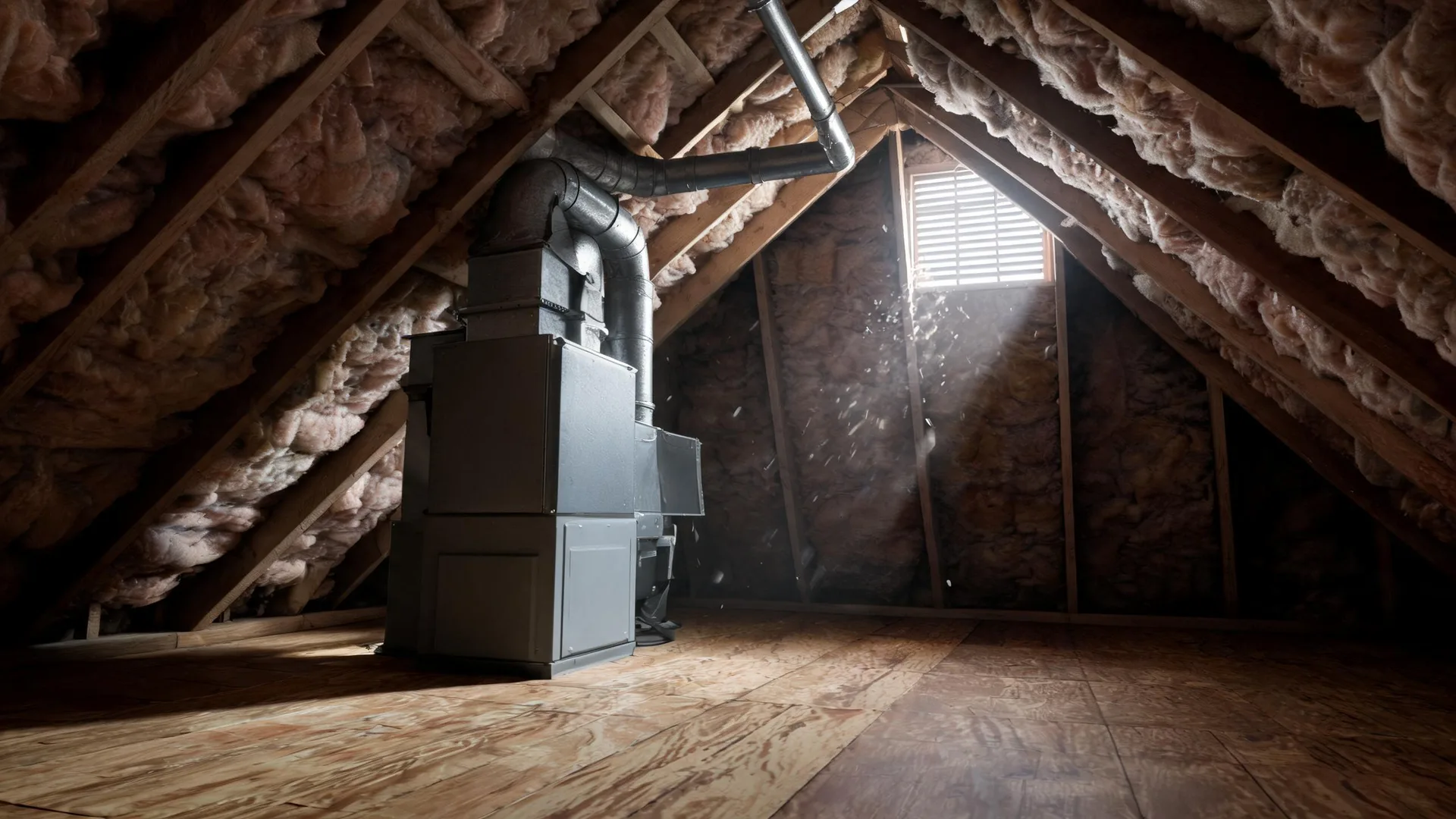
If the existing ducts are sealed, sized right and in good shape, the installer connects to them and the job stays contained. If they're leaky, undersized or were built for a different unit, bringing them up to par is part of the work. That part of the job isn't visible until the installer gets into it.
Estimates for a typical Lowndes County home, from EIA household energy data, Georgia fuel prices and NOAA climate normals. Your home will differ.
The installer shows up with the load calculation already done, so the first work of the day is turning off power to the old system and recovering the refrigerant from it, which has to happen before anything gets disconnected. The old outdoor unit comes out, the old coil comes out of the plenum, and whatever's left gets checked against what the new system needs rather than assumed to be fine. Setting the new outdoor unit means getting the pad level, since a unit that settles unevenly strains the refrigerant lines over time. Inside, the new coil goes in, the line set gets connected, and the whole system gets pulled down into a vacuum to clear out moisture and air before any refrigerant goes in, because either one left behind will damage the compressor. Once it's charged and running, the installer checks airflow at the vents and the temperature split between the air going in and the air coming out, which is how they confirm the system is actually doing its job rather than just turning on.