An outdoor air conditioning condenser unit positioned on a concrete pad next to a blue-sided house, surrounded by green shrubs and flowering hydrangeas at sunset.

AC Installation in Cartersville, GA

Tell us about the job

Takes about a minute. No obligation.

New system or replacementCentral ACBartow County, GA
Step 1 of 2

What ZIP code is the job in?

Storms come through Bartow County often

Bartow County recorded 117 severe weather events between 2015 and 2024. That includes 90 damaging wind events, 12 hail events, 5 tornadoes and 4 tropical storms or hurricanes. A new air conditioner here needs to handle more than heat and humidity.

Power doesn't always stay on

Close to a third of Georgia households went at least 24 hours without power in 2024. An outage that long stops a central air conditioner cold, no matter how new or efficient it is. Where the outdoor unit sits and what backs it up both matter when the power goes out.

5 months
May through September, your air conditioner is on duty
88°F
the average summer afternoon it cools against
12 hail events
in ten years, and hail bends the fins on outdoor coils
13.4 SEER2
the federal minimum any new unit must meet
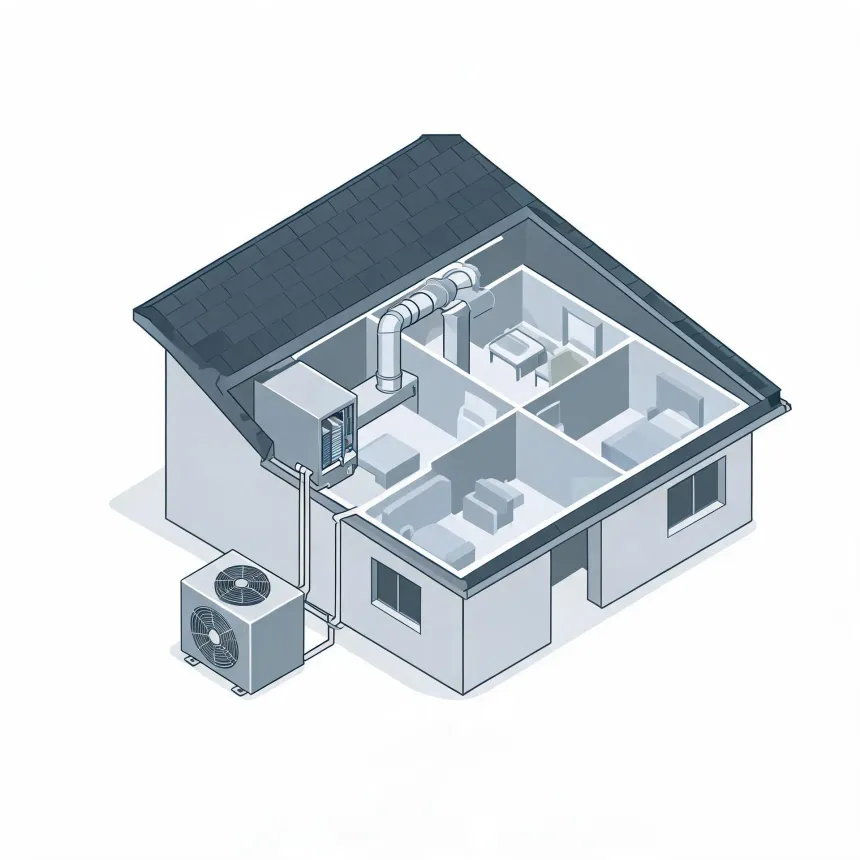
Isometric cutaway illustration of a single-story house showing interior rooms, ceiling ductwork connected to an indoor air handler, and an outdoor condenser unit beside the exterior wall.
Your air conditioner works hardest from June through September.

NOAA nClimDiv, 1991–2020 normals

Afternoon highs average 88 degrees across June, July and August here.

A new system has to pull that heat down for five months straight, year after year.

Power here runs 14.68 cents a kilowatt-hour, and this system will run most days from May to September

Power here costs 14.68 cents per kilowatt-hour
Cooling runs May through September
Summer afternoons average 88°F
Most homes here run on electricity63% of homes in Bartow County heat with electricity, so an electric furnace likely sits next to the air handler, and a new AC has to work with it.

Cooling runs May through September here, five months straight, which makes April the time to get a new system in. Install it before the first hot week and a contractor can size the job right and test it with nobody sweating it out in the next room. Wait until the season has already started and you're making that call mid-summer, often after the old unit has already quit. Storms and outages don't wait for a convenient month either. A system put in ahead of May is one less thing riding on bad timing once the heat sets in.

Plan the installation around the outages, not just the heat

Ask about where the new outdoor unit goes and what protects it from wind and hail. If the power goes out, a furnace and a water heater that run on electricity stop with it, so it's worth asking a contractor what options exist for backup. Settle this when the system goes in, not after a storm already found the gap.

Find a contractor
A gray cylindrical air conditioning condenser unit mounted on a concrete pad next to a light-colored vinyl-sided house exterior.

This system earns its keep every summer, starting the first year

Five months of cooling, running most days against 88 degree afternoons, is steady work for any system. A unit sized wrong for this house will run longer than it should to keep up, and the parts that cycle most, the compressor, the fan motor, are the ones that wear first. Get the load calculated for this house instead of matched to the old unit's size. A contractor who sizes it right up front is doing more for the system's long run than any add-on sold later.

Ask what SEER2 rating you're paying for

SEER2 measures efficiency, not how much cooling the unit delivers. A higher number should mean lower running costs over the years, but only if the system is sized right for the house. Two systems with the same rating can perform differently depending on the ductwork they're tied into, so ask how that number was tested and whether it accounts for the duct losses in this specific install.

Ask who calculated the load, and how

A contractor should size the system to the house, not match whatever was there before. That means a room by room load calculation, not a guess based on square footage. If nobody mentions doing one, ask directly. A unit that's too big will short cycle and wear out its compressor early. One that's too small will run constantly and still struggle to keep up.

Overhead view of a gray residential air conditioning condenser unit mounted on a concrete pad beside a house with asphalt shingle roofing.

Going above the federal minimum saves little here, about $20 a year.

  • A higher-efficiency unit$310 a year
  • A new unit at the federal minimum, 14.3 SEER2$330 a year

Estimates for a typical Bartow County home, from EIA household energy data, Georgia fuel prices and NOAA climate normals. Your home will differ.

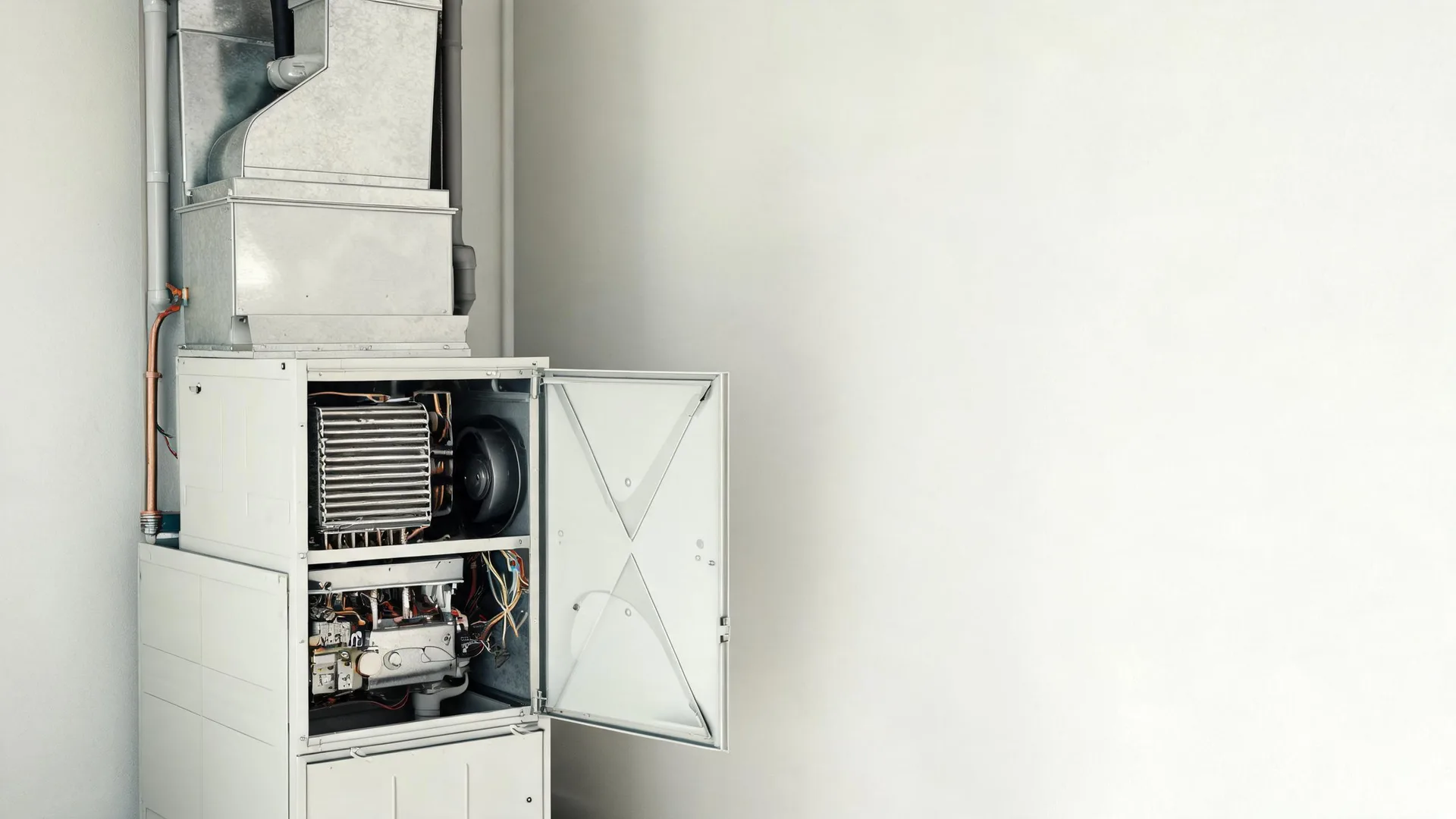
A contractor starts by sizing the job, not just swapping box for box. The old line set and ductwork get checked before anything new goes in, since a new system tied to leaky or undersized ducts won't perform the way it's rated to. The outdoor unit gets set on a pad, leveled, and connected to the line set and electrical disconnect. Inside, the evaporator coil goes in above or beside the furnace, and the refrigerant lines get connected and sealed. Once everything's in place, the system gets charged with refrigerant to the exact amount the manufacturer specifies, then run through a startup check, airflow, pressures, temperature split at the vents. A system that's low on charge or has restricted airflow will cool poorly from day one and wear out faster, so that final check matters as much as the install itself.