






Overhead view of a gray residential air conditioning condenser unit mounted on a concrete pad beside a house with asphalt shingle roofing.

AC Installation in Jefferson, GA

Tell us about the job

Takes about a minute. No obligation.

New system or replacementCentral ACJackson County, GA
Step 1 of 2

What ZIP code is the job in?

Most houses in Jackson County heat with electricity, close to eight in ten. That usually means a heat pump or an electric furnace already in place, paired with the air handler your new AC installation will tie into. If your home is one of those, swapping in a matched electric system is the straightforward route, since the wiring and ductwork are already sized for it. Gas heat is the exception here, not the rule, at 16.2 percent, so a contractor sizing your AC needs to know which setup your house actually has before quoting anything.

5 months
May through September, your air conditioner is on duty
88°F
the average summer afternoon it cools against
9 hail events
in ten years, and hail bends the fins on outdoor coils
13.4 SEER2
the federal minimum any new unit must meet
Isometric line illustration of a cutaway house showing interior rooms, ceiling ductwork connected to an indoor air handler, and an outdoor condenser unit linked by refrigerant lines.
Your air conditioner works hardest from June through September.

NOAA nClimDiv, 1991–2020 normals

Jackson County saw 66 severe weather events between 2015 and 2024, most of them wind.

A standard install with a disconnect box and solid mounting handles that fine, no special equipment needed.

Five months of 88 degree afternoons, nothing a standard system can't handle

Cooling runs May through September
Summer afternoons average 88°F
Power costs 14.08 cents a kWh statewide

A standard size and efficiency unit is the right call for a Jefferson install. There's nothing about the climate or the county's housing stock that pushes you toward a bigger system or a higher-tier one. Georgia homes paid 14.08 cents per kilowatthour in 2024, which is close to the national average, so there's no steep power cost here making the case for spending more upfront on efficiency. A contractor sizing the unit will still go by your square footage, insulation and duct layout, same as anywhere. Nothing about Jefferson changes that math.

Your new AC has to clear 14.3 SEER2 here, and a tax credit can help cover it

Any new split system installed in Jackson County has to meet 14.3 SEER2, the Southeast's minimum, a step above the 13.4 SEER2 required nationally. That floor is already built into what contractors quote here, so you're not choosing between a cheaper, lower-efficiency unit and this one. A federal tax credit is available on qualifying equipment, worth looking into before you settle on a system.

Find a contractor
A man in a gray T-shirt and tan work pants, carrying a canvas tool bag, climbs porch steps toward an orange front door beside a potted shrub.
An outdoor air conditioning condenser unit mounted on a concrete pad surrounded by gravel, photographed against a partly cloudy blue sky.

April is the month to do this, not May

May through September is five months of cooling here. Get the system in during April and it's running before the first hot stretch, with time to fix anything that needs fixing. Wait until the heat is already on and you're choosing from whatever's in stock, scheduled around everyone else who waited too.

Sizing is a calculation, not a guess from square footage alone

A contractor works out the right size using a load calculation, which weighs square footage against window area, insulation, ceiling height, and how many rooms face the sun. Houses that look alike from the street can still need different tonnage. Skip this step and the number on the unit is just a guess.

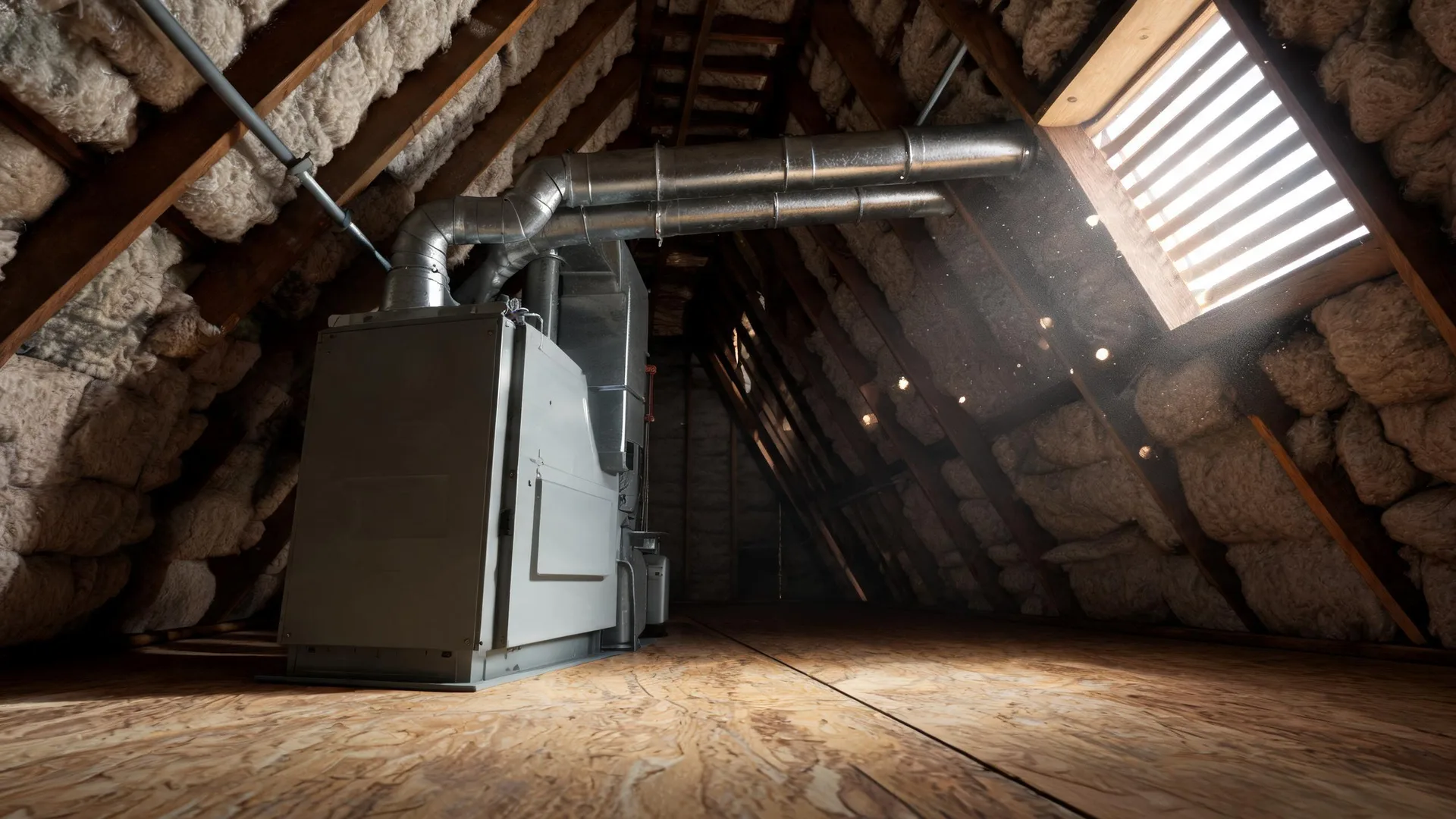
Oversized cools fast and still leaves the house uncomfortable

A unit that's too big cools the air quickly and shuts off before it pulls the moisture out, so the house feels cold and damp instead of just comfortable. It also cycles on and off more than it should, and that short cycling wears the compressor faster than steady, longer runs would.

Aerial view of a gray central air conditioning condenser unit on a concrete pad next to a house with vinyl siding.

Going above the federal minimum saves little here, about $20 a year.

  • A higher-efficiency unit$310 a year
  • A new unit at the federal minimum, 14.3 SEER2$330 a year

Estimates for a typical Jackson County home, from EIA household energy data, Georgia fuel prices and NOAA climate normals. Your home will differ.

Once you've got quotes in hand, the SEER2 number is only part of the comparison. Ask what the load calculation showed, and ask to see it, not just the tonnage someone decided on. Contractors can land on different sized systems for the same house, and that gap usually means one of them skipped the calculation. Ask what's happening to the ductwork too. A new system moving air through old, leaky or undersized ducts won't perform the way the equipment label suggests, so duct sealing or modification might belong in the quote even if the line item looks optional. Ask about the warranty on the compressor versus the warranty on labor, since those come from different places, the manufacturer and the installer, and often run different lengths. And ask who's pulling the permit and doing the startup check, because a system charged correctly and tested under load at install is the one that still runs right years down the road.