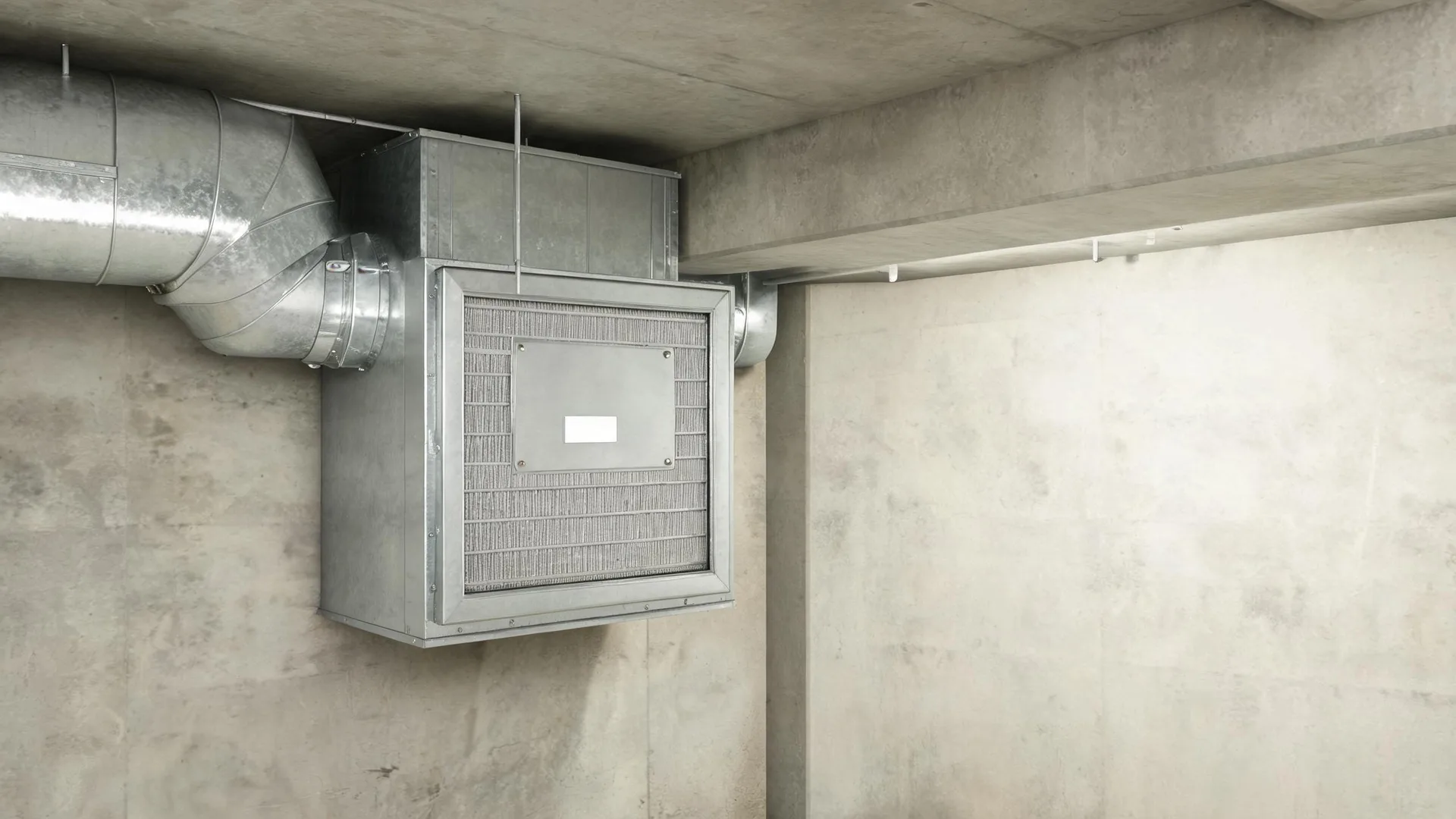
Gas furnaces are the common pairing here
Half the homes in Rockdale County heat with utility gas, more than any other fuel. A new AC usually pairs with the gas furnace already in place, sharing the same ducts and air handler.
Takes about a minute. No obligation.
Half the homes in Rockdale County heat with utility gas, more than any other fuel. A new AC usually pairs with the gas furnace already in place, sharing the same ducts and air handler.
If your home heats with gas, the job is matching a new coil and condenser to the furnace that's already there. The furnace itself stays put. Getting that match right is what the installer needs to look at first.

NOAA nClimDiv, 1991–2020 normals
A standard size and efficiency match most homes in Conyers.
At 14.08 cents per kilowatt-hour, there's no local reason to pay more for a bigger or higher-tier system than this house needs.




Rockdale County is zone 3A, hot and humid for most of the year with only a short mild winter. That long stretch of cooling is why the Southeast has its own efficiency rule, separate from the rest of the country. A split system installed here has to meet 14.3 SEER2 if it's rated below 45,000 Btu/h. Anything a contractor quotes for this address should already meet that number. A new system installed this year may also qualify for a federal tax credit, worth asking about before the work is done.
May through September is when this system has to work. Putting a new one in during April means it's tested and running before that stretch starts, not during the first hot week of it.
Find a contractorMay through September is five months of the compressor running against 89 degree afternoons. That is the stretch a new system has to hold up through, year after year. A unit sized right for this house will cycle on and off through all of it instead of running flat out. That's less wear over those five months, not just a quieter living room. The size that fits most homes in Conyers still has to be matched to this one, same tonnage, right install.
If the existing ducts are undersized or leaky, a new system has to be matched to what they can actually carry. Air flow suffers no matter how good the equipment is otherwise. Sealing or modifying duct runs adds work beyond setting a condenser on a pad. An installer who checks the ducts before quoting is pricing the job that's actually there.
Line set length and the path between the condenser and the air handler affect how much copper, insulation and labor the job takes. A straightforward run costs less to install than one that has to go through tight framing or cover more distance. A new condenser also needs a dedicated circuit sized to it. If the panel can't take that load, the panel work becomes its own job before the AC goes in.
Estimates for a typical Rockdale County home, from EIA household energy data, Georgia fuel prices and NOAA climate normals. Your home will differ.
Install day starts with the old equipment coming out, not the new going in. The condenser gets disconnected and hauled off. The old coil comes out of the air handler. The line set gets checked to see if it can be reused or needs replacing. Once the new coil is set and the condenser is on its pad, the real work happens in the connections. The lines get brazed, then the system gets put under vacuum to pull out any air and moisture before it ever runs. Skip that step and the system will power on and run for a while, then fail early. After that comes the charge, measured out to the exact amount the equipment calls for, and a check of airflow across the new coil. None of this shows once the panels are back on, which is why it matters more than how clean the install looks from the yard.