Power here isn't cheap
Homes in Fayette County paid an average of 14.47 cents per kilowatt-hour in 2025. A new air conditioner runs on that rate every time it cycles on.
Takes about a minute. No obligation.
Homes in Fayette County paid an average of 14.47 cents per kilowatt-hour in 2025. A new air conditioner runs on that rate every time it cycles on.
Two systems cooling the same house can pull very different amounts of power to do it. At this rate, the difference shows up every month, not just on the install invoice.
NOAA nClimDiv, 1991–2020 normals
Gas heats 63.5 percent of homes in Fayette County.
If your furnace already runs on gas, pairing it with a matched AC unit is the straightforward route.



The rate per kilowatt-hour is already set. The efficiency rating on the system you install is not, and it decides what that rate costs you every month from here on. Get that figured before the new unit goes in, not after.
Find a contractorFive months of running time, same as the card above, but think about what that means for sizing. A unit that's too small runs flat out May through September trying to keep up. One that's too big cycles on and off too fast and never runs long enough to dehumidify the air properly. Either way you're buying the wrong system, and you'll pay for that mistake every summer it's installed. Get the load calculated for your house, not guessed from the size of the old unit.
An oversized air conditioner cools the air fast and shuts off before it pulls the moisture out. The house feels clammy even at the temperature you set. An undersized one never shuts off at all, and it still can't catch up on the hottest afternoons. The right size runs long enough to dry the air and still keeps up with the heat.
A proper installer works out the load room by room, counting the windows, the insulation, the square footage and the layout, not just the size of the unit that's coming out. Two houses the same size can need two different systems depending on how they're built. Matching the new unit to the old one skips that math and carries the old mistake forward.
Estimates for a typical Fayette County home, from EIA household energy data, Georgia fuel prices and NOAA climate normals. Your home will differ.
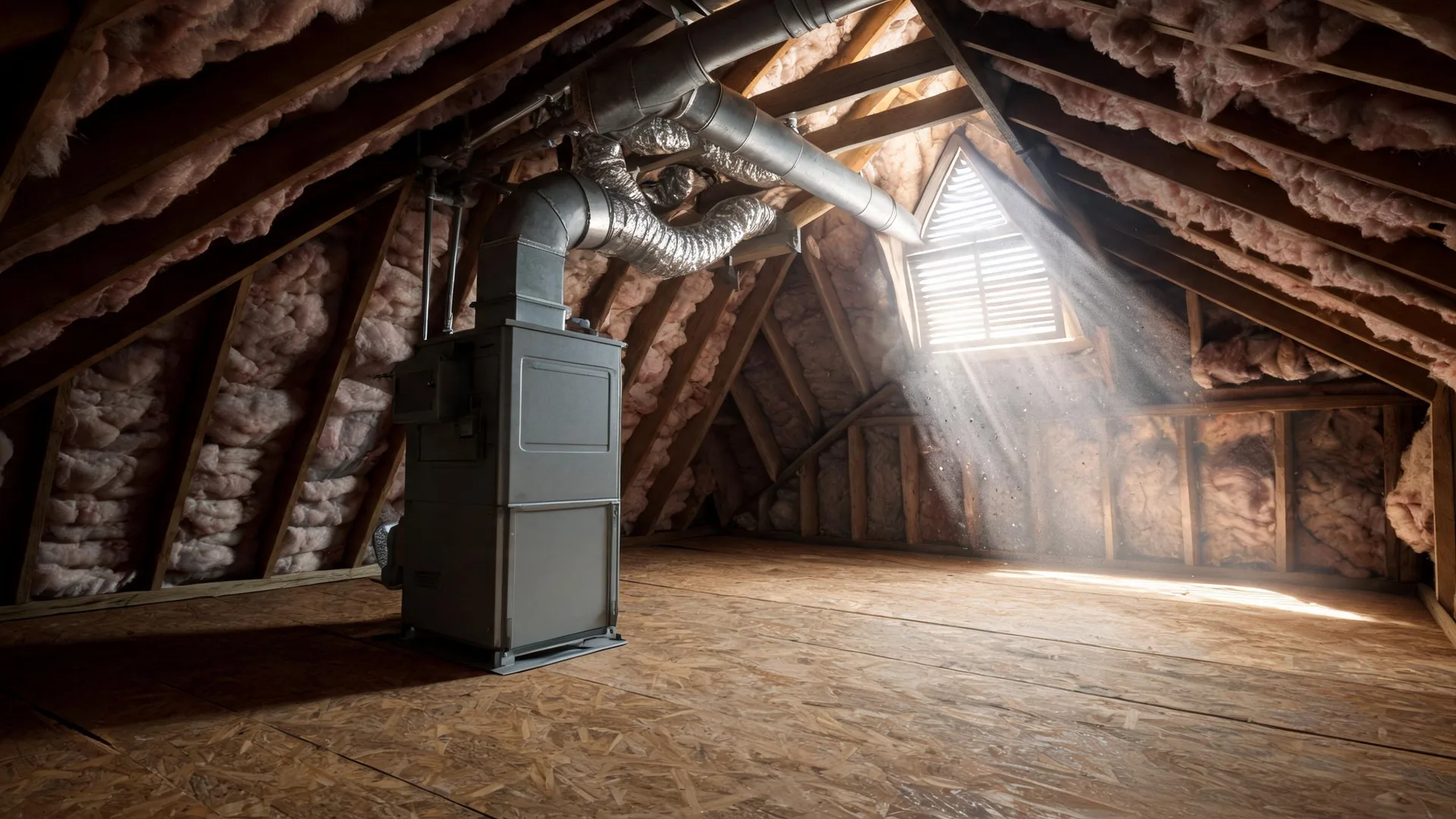
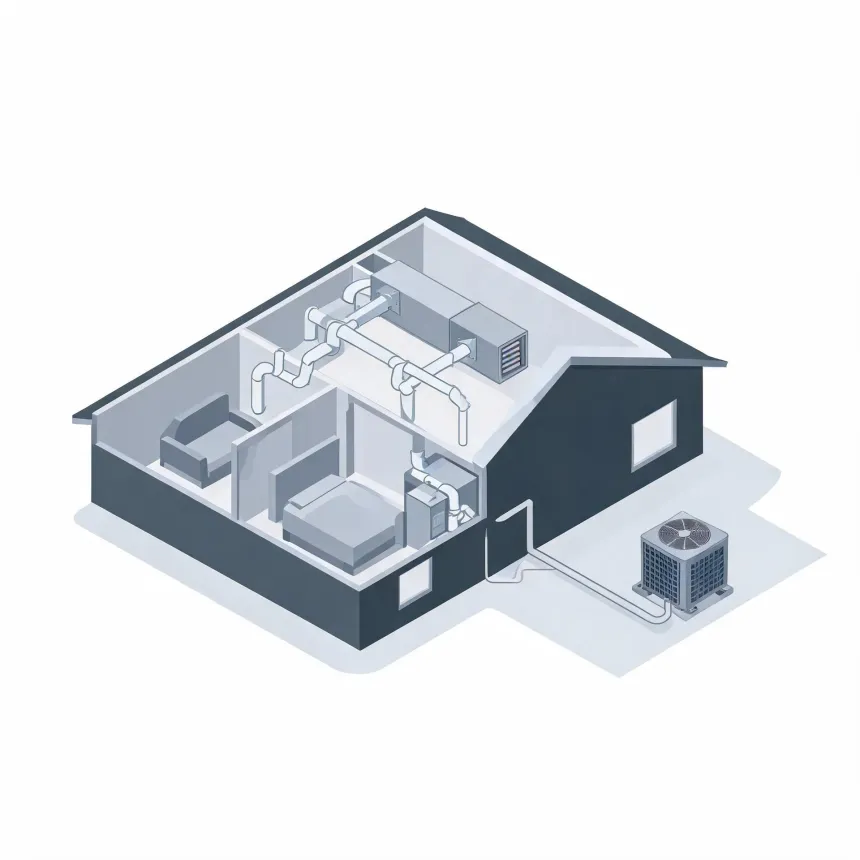
Installation day starts before anyone touches the old unit, with a walkthrough of the ductwork and the spot where the new equipment will sit. The old system gets disconnected and hauled out, refrigerant lines and electrical whips included, because reusing a line set built for a different unit can cause problems down the road. Setting the new condenser and air handler is only part of the job. The lines get connected, the system gets charged with refrigerant to the exact amount that unit calls for, and the electrical and condensate drain get tied in. Once it's running, a tech checks the airflow at the vents, the refrigerant charge, and the temperature drop across the coil to confirm the system is actually performing the way it's rated to. A unit that's sized and set up right should run quietly and keep steady temperatures from room to room, not just blow cold air at the nearest vent.