






Two white Southern-style homes with wraparound porches lit by landscape lighting at night, flanked by live oak trees hung with Spanish moss.

AC Installation in Rincon, GA

Tell us about the job

Takes about a minute. No obligation.

New system or replacementCentral ACEffingham County, GA
Step 1 of 2

What ZIP code is the job in?

The efficiency rating on a new air conditioner tells you how much cooling it gets out of the power it draws. A higher rated unit moves the same heat out of the house while using less electricity to do it. That number comes from a lab test under fixed conditions, so it won't match exactly what you see running in your own home, but it still gives you a fair way to compare one unit against another. The rating describes the equipment itself, not the ductwork it gets connected to or how carefully the refrigerant charge is set during installation. A unit that's sized wrong for the house, or charged incorrectly, can run well below its rating no matter what the label says. Treat the number as a starting point for comparing options, not a promise of what you'll see once the system is installed and running.

6 months
May through October, your air conditioner is on duty
91°F
the average summer afternoon it cools against
24 hail events
in ten years, and hail bends the fins on outdoor coils
13.4 SEER2
the federal minimum any new unit must meet
Isometric cutaway illustration of a single-story house showing interior rooms with ductwork and an air handler, connected by refrigerant lines to an outdoor condenser unit on the left.
Your air conditioner works hardest from June through September.

NOAA nClimDiv, 1991–2020 normals

Electricity heats 91 percent of homes in Effingham County.

A straight electric replacement is the easiest system to match to this house.

Six months of 91 degree afternoons is what your new system is signing up for

Cooling runs May through October
Summer afternoons average 91°F
Power costs 14.08 cents a kWh statewide
Put the new system in before MayCooling runs May through October here, so April is the month to get it done.

Rincon falls under zone 2A, a hot and humid climate where cooling carries most of the load. Georgia and the rest of the Southeast have their own minimum for new central air conditioners, higher than what the rest of the country requires. A split system under 45,000 Btu/h has to hit at least 14.3 SEER2 here, where the national floor is 13.4. That rules out some lower-end units you might find listed for sale in other states. Anything a contractor installs in Rincon has to meet the regional number, not just the federal one.

Power costs more here, so the rating on the label matters more

Georgia homes paid 14.08 cents per kilowatthour for electricity in 2024, more than homes in most states pay. A system that runs all summer on that rate makes the efficiency rating worth comparing closely, because the difference between units shows up on every bill for as long as the system runs.

Find a contractor
An outdoor air conditioning condenser unit mounted on a concrete pad surrounded by gravel, photographed against a partly cloudy blue sky.

Sized for your house, not just your old system

Six months of running time a year is what this purchase has to hold up under. Get the size right before anything else. A unit too big cools the house down fast and shuts off before it has pulled the moisture out of the air, so the place feels damp even at the right temperature. A unit too small runs flat out all afternoon trying to catch up and never does. Ask the contractor for a load calculation on your house, not a guess based on square footage or what was there before.

The ductwork decides as much as the unit

A new condenser and air handler can only do what the duct system lets them do. Ducts that are too small for the new unit's airflow choke it, and leaky runs in the attic or crawlspace lose cooled air before it reaches the room. If the ducts need sealing, resizing, or new runs to match the equipment, that work costs more than the equipment swap itself and belongs in the same conversation as the unit you're buying.

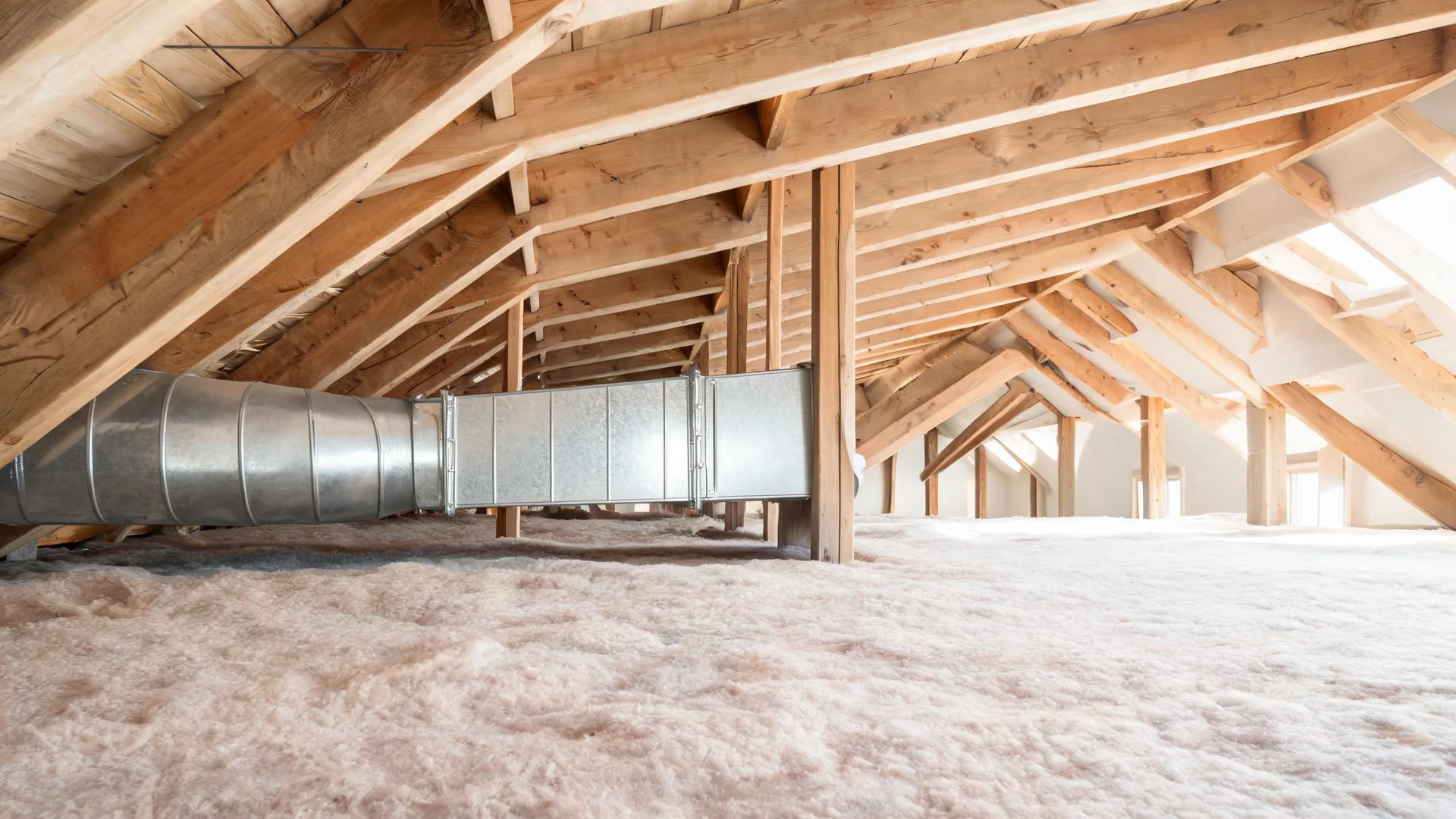
Where the air handler and lines go changes the job

Setting the new equipment in the same spot as the old one keeps the job simple. Moving the air handler, relocating the condenser, or running new refrigerant line to a different spot on the house all add labor beyond hanging and connecting a unit. Tight attics, finished walls, and long line runs between the indoor and outdoor units all add time a straightforward swap doesn't need.

An outdoor air conditioning condenser unit positioned beside a blue-sided house at sunset.

A higher-efficiency unit would save about $30 a year to run in Effingham County compared with a new unit at the federal minimum.

  • A higher-efficiency unit$450 a year
  • A new unit at the federal minimum, 14.3 SEER2$480 a year

Estimates for a typical Effingham County home, from EIA household energy data, Georgia fuel prices and NOAA climate normals. Your home will differ.

Install day starts with the old equipment coming out, not the new one going in. The condenser, the air handler, and the line set all have to be disconnected and cleared before anything new goes in their place. The new condenser gets set on its pad outside, the air handler goes in wherever the old one sat, and new line set gets run and connected between them. Once everything's in place, the system gets charged with refrigerant to the exact weight the manufacturer specifies, not just until it starts blowing cold. That charge gets checked against the target before anyone calls the job done, because a unit that's off on charge won't hit its rated efficiency no matter how new it is. Last comes startup and a check of airflow at the vents, static pressure in the ducts, and temperature split between the air going in and the air coming out.