Aerial view of a residential air conditioning condenser unit mounted on a concrete pad next to a house with vinyl siding and a sliding glass door.

AC Installation in Savannah, GA

Tell us about the job

Takes about a minute. No obligation.

New system or replacementCentral ACChatham County, GA
Step 1 of 2

What ZIP code is the job in?

Ask for a load calculation, not a guess

The size of the new system should come from a room by room load calculation, not from matching the tonnage of the old unit. A contractor who skips this step is guessing, and a system that's too big will cycle on and off without properly removing humidity from the air.

Ask what happens to the ductwork

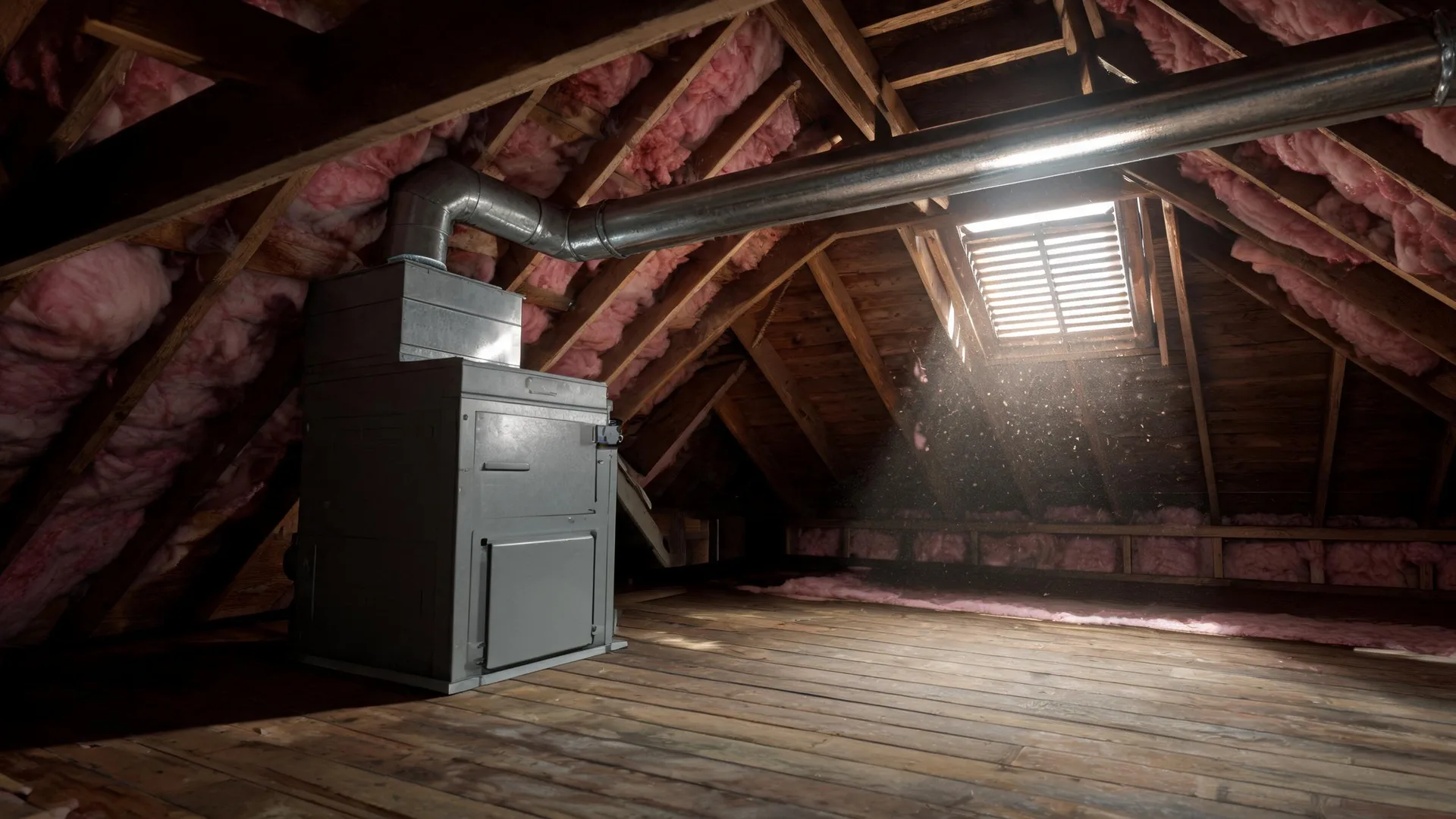
A new outdoor unit and air handler can't fix ducts that are leaking, crushed, or sized wrong for the new system. Ask whether the ducts were inspected and whether they can handle the airflow the new equipment needs. Installing a better system onto bad ductwork wastes the upgrade.

6 months
May through October, your air conditioner is on duty
91°F
the average summer afternoon it cools against
32 hail events
in ten years, and hail bends the fins on outdoor coils
13.4 SEER2
the federal minimum any new unit must meet
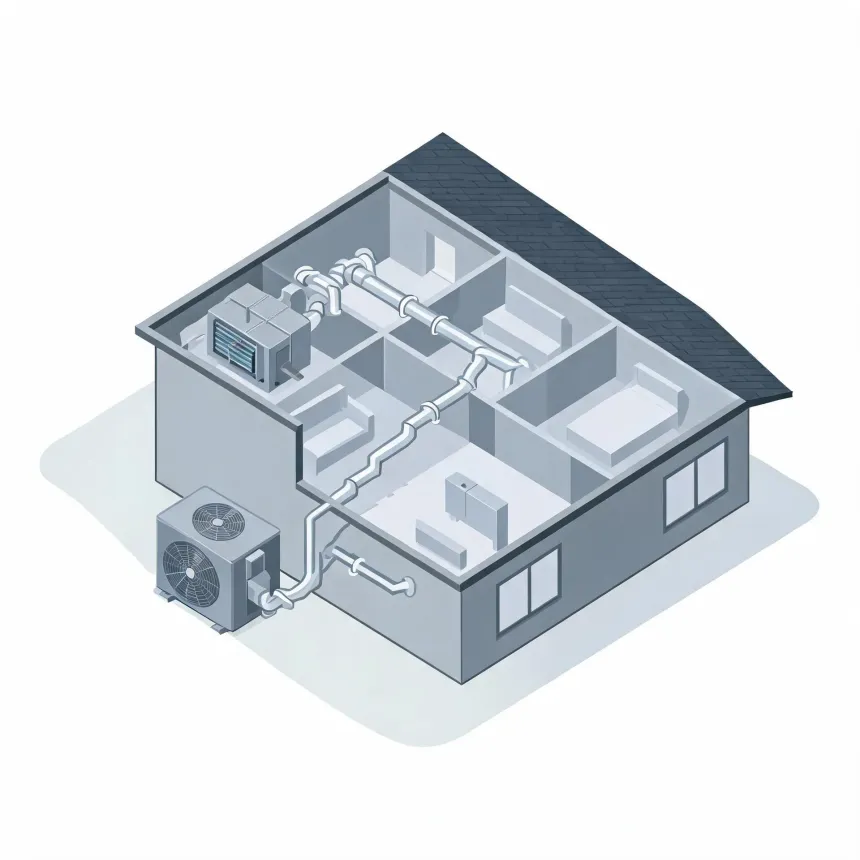
Isometric grey illustration of a cutaway single-story house showing interior rooms, ceiling ductwork connected to an indoor air handler, and an outdoor condenser unit linked by lines outside the wall.
Your air conditioner works hardest from May through September.

NOAA nClimDiv, 1991–2020 normals

Georgia electricity ran 14.08 cents per kilowatt-hour in 2024.

A new AC that's sized and installed right earns back that cost on every bill it runs.

Replace it in April, before cooling starts in May

Cooling runs May through October
Summer afternoons average 91°F
246 damaging wind events from 2015 to 2024

Chatham County sits in climate zone 2A, a hot and humid zone where cooling runs more of the year than heating does. Any new split system under 45,000 Btu/h installed here has to meet 14.3 SEER2. That's higher than what the same unit would need in most of the country. A contractor quoting a system for this install should be working from that Southeast number. If a bid comes in lower, ask why.

Electricity already runs this house, so the new AC can plug right into it

Most homes in Chatham County run on electricity already, and a central air system plugs into that same power. That's one less thing to change when the old unit goes out. A straight swap keeps the install simple, and the wiring already in place is one reason to get it scheduled.

Find a contractor
A man in a cap, dark work shirt and tan pants, seen from behind, climbs porch steps toward an orange front door while carrying a worn leather tool bag.
An outdoor residential air conditioning condenser unit mounted on a concrete pad, surrounded by gravel with a blue sky in the background.

Six months of summer, every year

A new system here runs six months straight, May through October, with afternoon highs averaging 91 through June, July and August. That is the load it sits under every summer, not an occasional push. A unit sized right for that load will cycle properly and keep up. One sized wrong, too big or too small, will struggle or short cycle through all six months, and the strain shows up sooner than it would somewhere milder.

The equipment is only part of the bid

The outdoor unit and air handler are one line item. Labor to set the lineset, run new electrical if the disconnect or breaker needs upgrading, a new pad or stand, and disposal of the old equipment all add to the job. A quote that lists only equipment isn't the full picture.

Matched parts cost less to run right

An outdoor condenser and the indoor coil are rated to work together. Pairing a new condenser with an old coil can work, but it can also undercut the efficiency you're paying for and shorten the life of the compressor. Ask whether the coil is being replaced along with the rest of the system, or only the parts outside.

An outdoor air conditioning condenser unit mounted on a concrete pad next to a blue-sided residential house at sunset.

A higher-efficiency unit would save about $30 a year to run in Chatham County compared with a new unit at the federal minimum.

  • A higher-efficiency unit$480 a year
  • A new unit at the federal minimum, 14.3 SEER2$510 a year

Estimates for a typical Chatham County home, from EIA household energy data, Georgia fuel prices and NOAA climate normals. Your home will differ.

The old outdoor unit and air handler come out first. The lineset gets replaced rather than reused, since an old lineset can carry contaminants into the new compressor. The pad gets leveled or replaced if it's cracked or sinking. Once the new equipment is set, the technician pulls a vacuum on the line to clear out moisture and air before the refrigerant goes in. Either one left behind will damage the compressor over time. After startup, a tech checks the refrigerant charge against what the manufacturer specifies and confirms airflow at the vents, not just that the system turns on. Before they leave, they walk through the thermostat, the filter schedule, and what the warranty covers.