





White two-story houses with wraparound porches and Spanish moss-draped oak trees photographed along a residential street at night.

AC Installation in Stonecrest, GA

Tell us about the job

Takes about a minute. No obligation.

New system or replacementCentral ACDeKalb County, GA
Step 1 of 2

What ZIP code is the job in?

DeKalb County recorded 165 severe weather events between 2015 and 2024. Damaging wind caused most of them, 132 times in that span, with 14 hail events and 5 tornadoes mixed in. Tropical storms and hurricanes reached the county 9 times over those years. Any of that can knock out power, and nearly a third of Georgia households went at least 24 hours without it in 2024. An outdoor condenser sits outside through all of it, exposed to wind and hail. A new system here needs to handle that exposure, and you need a plan for the hours or days the power might be out.

5 months
May through September, your air conditioner is on duty
88°F
the average summer afternoon it cools against
14 hail events
in ten years, and hail bends the fins on outdoor coils
13.4 SEER2
the federal minimum any new unit must meet
Isometric cutaway illustration of a single-story house showing interior ductwork and an air handler connected by lines to an outdoor condenser unit on a pad beside the building.
Your air conditioner works hardest from June through September.

NOAA nClimDiv, 1991–2020 normals

Electricity in DeKalb County runs 15.79 cents per kilowatt-hour.

A more efficient condenser costs less to run every month it's cooling your home.

May is when this county's weather starts testing a new system

Cooling runs May through September
Summer afternoons average 88°F
132 damaging wind events from 2015 to 2024

DeKalb County falls in zone 3A, a warm, humid climate with a long cooling season. Any split-system air conditioner installed here under 45,000 Btu an hour has to hit at least 14.3 SEER2, higher than what's required in most of the country. At or above that size, the floor is 13.8 SEER2. That's a federal rule tied to this region, not a sales pitch, and it rules out lower-end units sold elsewhere. A system that clears this bar also tends to hold up better against the wind and hail this county sees, since the same build quality that gets the efficiency rating usually means sturdier components inside the cabinet. If a system you're considering doesn't meet these numbers, it likely can't be installed here legally.

Plan for the storm before the unit goes in

Where the installer sets the new condenser, and what's around it, matters here. Ask about placement and protection before the work starts, not after a storm. And since an outage can mean no heat and no hot water along with no cooling, it's worth asking what backup options exist for the times power doesn't come right back.

Find a contractor
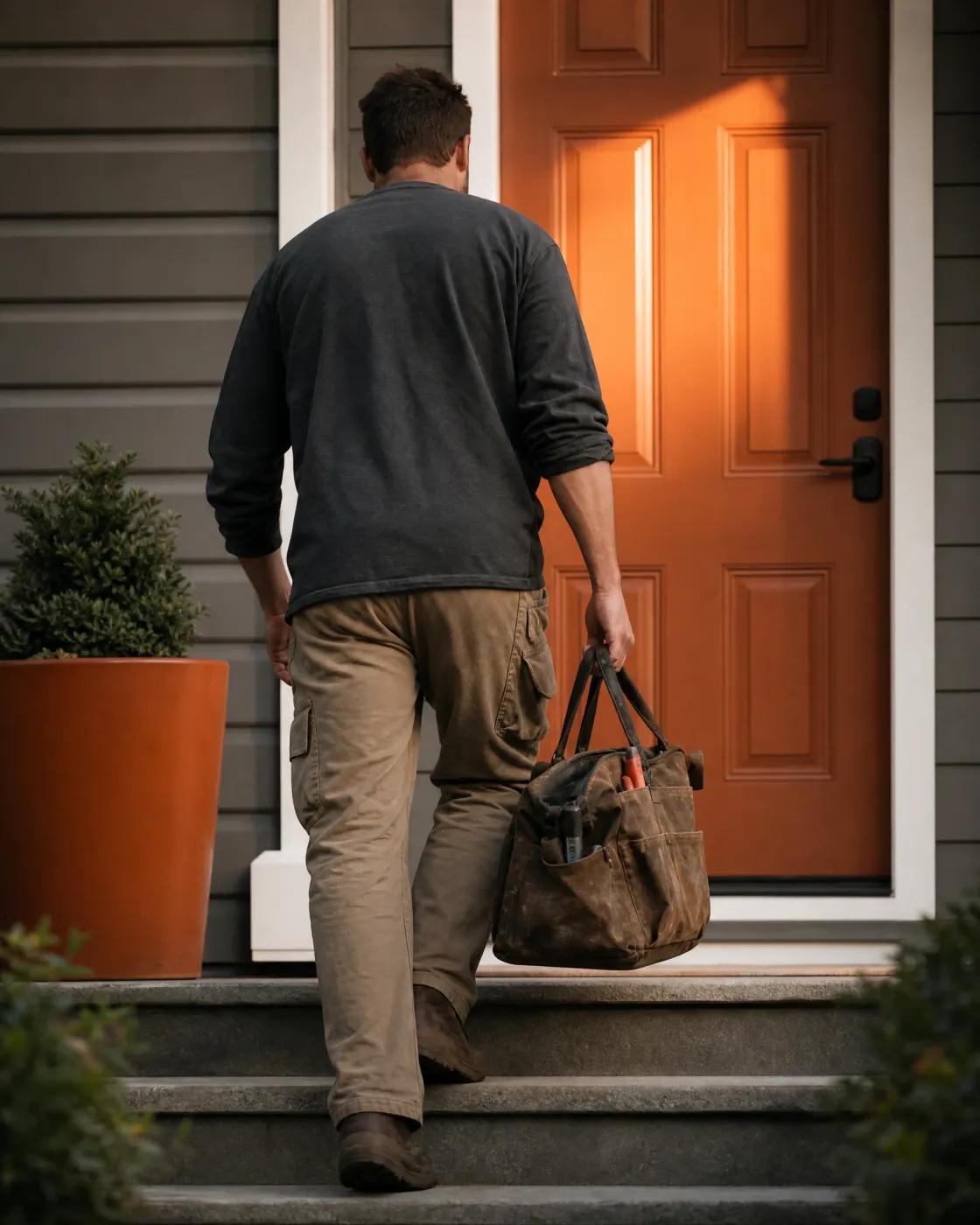
A man in a dark long-sleeve shirt and tan work pants walks up concrete steps toward an orange front door, carrying a waxed canvas tool bag in his right hand, with a potted shrub beside the gray-sided house.
An outdoor air conditioning condenser unit mounted on a concrete pad surrounded by gravel, photographed against a partly cloudy blue sky.

Five months of heat, every year, starting in May

Cooling here runs five months a year, May through September. Afternoon highs average 88°F in June, July and August, and the condenser outside is working the whole time those months run long and hot. The dew point averages 67°F across that same stretch, higher than most of the country sees, and thick air like that makes a condenser work harder to pull moisture and heat out of your home. Wind and storms add to the load on top of the heat. A system sized right for this county holds up against all of it. One that's undersized or built cheap tends to show wear early, often right in the middle of the summer when you're counting on it most.

The right size is a calculation, not a guess from the old unit's label

A contractor works out the cooling load by looking at the square footage, the windows, the insulation, the orientation of the house, and how many people live there. This is a room by room count of how much heat actually gets into the house, not a number copied off the system being replaced. An old unit might have been wrong from the day it went in.

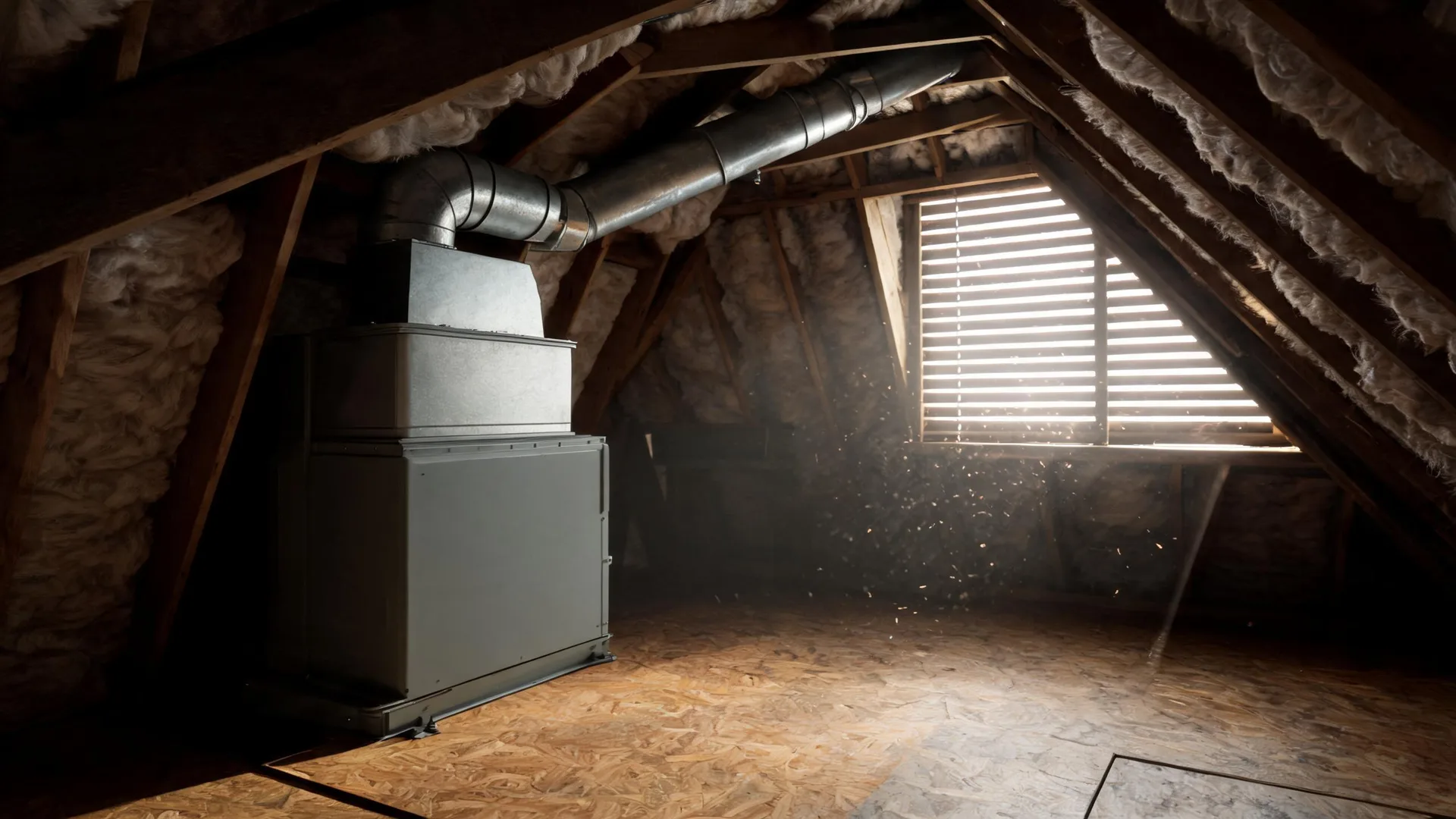
Oversized cools fast but never dries the air out

A condenser that's too big blasts the house down to temperature and shuts off before it's run long enough to pull the humidity out. The air feels cold and damp at the same time. It also cycles on and off more than it should, and every start and stop puts wear on the compressor. Undersized has the opposite problem: it runs constantly and still can't keep up when the heat is worst.

Aerial view of a gray central air conditioning condenser unit on a concrete pad next to a house with vinyl siding.

Going above the federal minimum saves little here, about $20 a year.

  • A higher-efficiency unit$320 a year
  • A new unit at the federal minimum, 14.3 SEER2$340 a year

Estimates for a typical DeKalb County home, from EIA household energy data, Georgia fuel prices and NOAA climate normals. Your home will differ.

Installation usually takes a full day, sometimes two if the ductwork needs work along with the new equipment. The crew starts by removing the old condenser and air handler or furnace coil, then runs new line set if the old copper doesn't match what the new system needs. Ductwork gets checked for leaks and proper sizing while the old equipment is out, since that's the easiest time to fix a duct run that's choking off airflow to a room. The new condenser goes on a pad outside, leveled and set with clearance on all sides so it can pull air through the coil. Inside, the coil and air handler or furnace get connected, the refrigerant lines get evacuated and charged to the right pressure, and the electrical and condensate drain lines get tied in. Before the crew leaves, the system runs through a startup check: refrigerant charge, airflow, thermostat communication, and a test cycle to confirm it's cooling and the drain is clearing water the way it should.