





White plantation-style houses with wraparound porches lit at night, surrounded by Spanish moss-draped live oak trees.

AC Installation in Augusta, GA

Tell us about the job

Takes about a minute. No obligation.

New system or replacementCentral ACRichmond County, GA
Step 1 of 2

What ZIP code is the job in?

A new air conditioner has to match the house, not just the room it's cooling. A contractor works this out with a load calculation, looking at square footage, window placement, insulation, and how many walls face the sun. Too big and the unit cools the air fast but shuts off before it pulls the humidity out, so the house feels clammy even at the right temperature. Too small and it runs constantly, straining to keep up on the hottest days, and still falls behind. The right size runs long, steady cycles that bring the temperature and the moisture down together. Guessing by square footage alone skips the parts of the calculation that actually matter.

5 months
May through September, your air conditioner is on duty
91°F
the average summer afternoon it cools against
26 hail events
in ten years, and hail bends the fins on outdoor coils
13.4 SEER2
the federal minimum any new unit must meet
Isometric cutaway illustration of a small home interior with furniture and ducting, showing an indoor air handler connected by lines to an outdoor condenser unit on a pad.
Your air conditioner works hardest from June through September.

NOAA nClimDiv, 1991–2020 normals

Cooling runs May through September in Richmond County.

Install before May and the new system is already running when the first hot week hits, not getting broken in during it.

Most homes here cool with electric AC already, which makes a straight swap the simplest install

57.8% of homes heat with electricity
Cooling runs May through September
Summer afternoons average 91°F

Georgia homes paid 14.08 cents per kilowatthour in 2024. That rate applies to every cycle this new system runs, and it runs for most of the year here. A unit sized and installed right settles into fewer long, steady cycles instead of short strained ones, and it uses less power doing it. SEER2 ratings tell you how efficient a model is at turning that power into cooling, so it's worth comparing before picking one. The difference shows up on every bill the system sends for as long as it runs.

Any system installed here has to clear the Southeast's 14.3 SEER2 minimum

Installed here, a new system has to meet 14.3 SEER2, the Southeast minimum and higher than what's required nationally. That floor is already set. The decision left to make is what goes in and who puts it in.

Find a contractor
A gray residential air conditioner condenser unit mounted on a concrete pad in an open grass field.

This system will run hard every summer here

Five months of cooling a year, with afternoons averaging 91°F through June, July and August. A new system sized right for this house still runs long hours against that heat, cycle after cycle, all summer. That kind of use wears on a unit faster than it would somewhere milder. The parts most likely to show strain first, the compressor and the capacitor, are worth asking about when you compare installers and equipment.

The equipment is one line item among several

The condenser and air handler are only part of what gets paid for. Line sets, a new disconnect, a pad, modifications to the ductwork, and the electrical whip all factor in. A system that has to be craned to a second story or squeezed into a tight mechanical closet takes more labor than one with open access. Jobs with the same size unit can still cost different amounts once the site itself is accounted for.

What's already there decides how much changes

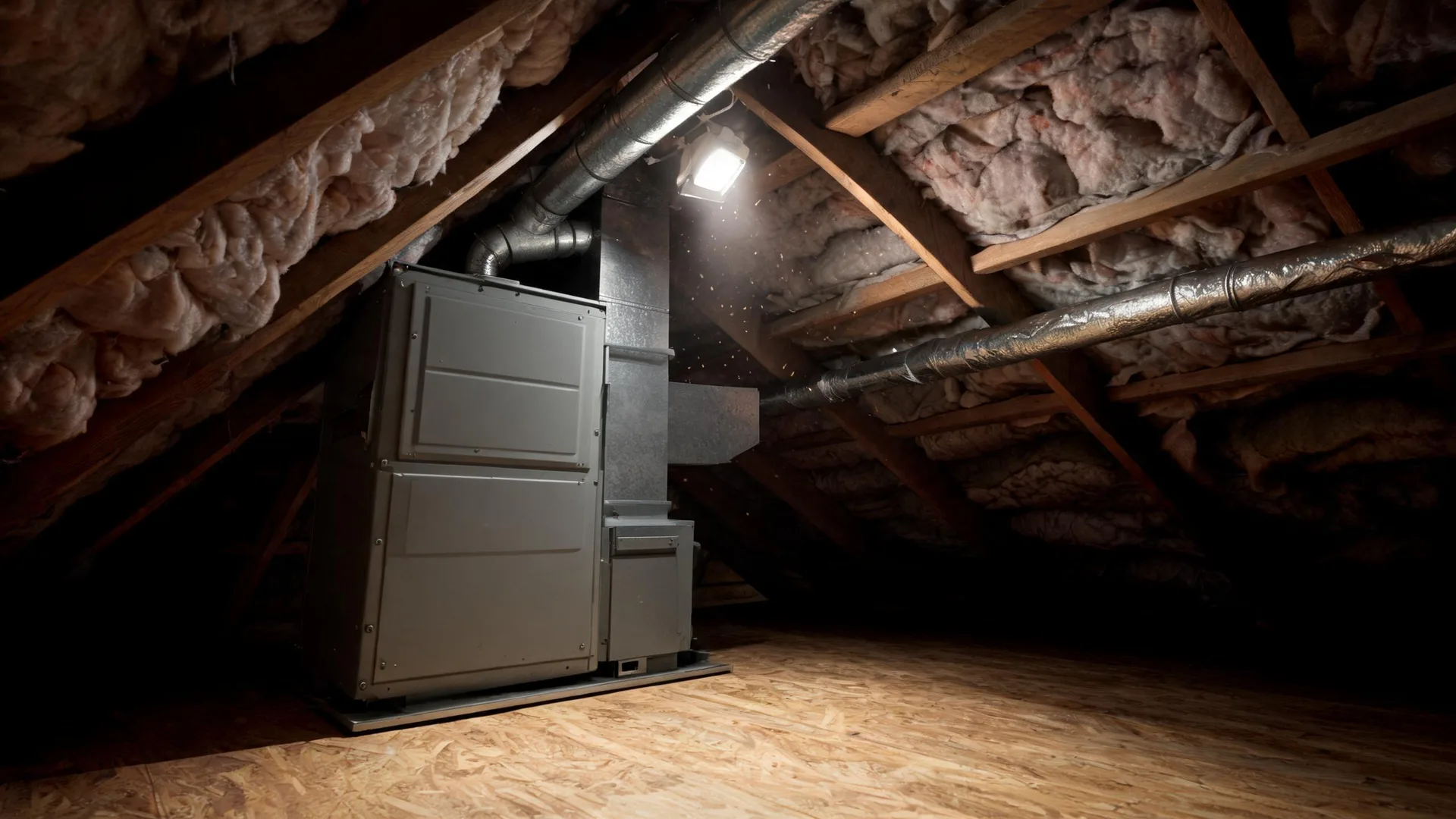
A straight swap, the same type of system in the same spot, keeps labor down because the line set, the ductwork, and the electrical are already in place and sized correctly. Changing the type of system, moving the air handler, or finding the existing ductwork too small or leaky for the new unit adds work that a straight swap never touches. None of that shows up until someone looks at what's actually behind the walls and in the attic.

An outdoor air conditioning condenser unit positioned beside a blue-sided house at sunset.

A higher-efficiency unit would save about $30 a year to run in Richmond County compared with a new unit at the federal minimum.

  • A higher-efficiency unit$410 a year
  • A new unit at the federal minimum, 14.3 SEER2$440 a year

Estimates for a typical Richmond County home, from EIA household energy data, Georgia fuel prices and NOAA climate normals. Your home will differ.

Installation day starts with the old equipment coming out, not the new one going in. The outdoor unit, the indoor coil, and the line set all get disconnected and hauled off before anything new gets set. If the line set isn't being reused, that gets run fresh, and the new coil goes in on top of or inside the existing air handler or furnace. Once the new condenser is set on its pad and the lines are connected, the system gets evacuated to pull out air and moisture before refrigerant goes in. It's charged to the exact weight the manufacturer specifies, not just until it feels cold. Then it runs through a startup check. Static pressure, airflow, the temperature split across the coil, and refrigerant pressures all get checked against what the equipment is rated for. A system that's never tested under full load before the crew leaves is one nobody's actually confirmed works right.