




A single-story brick house with a white-columned wraparound porch and a neighboring light-colored siding house, seen across a lawn behind a trimmed hedge, under oak branches draped with Spanish moss.

AC Installation in Newnan, GA

Tell us about the job

Takes about a minute. No obligation.

New system or replacementCentral ACCoweta County, GA
Step 1 of 2

What ZIP code is the job in?

Coweta County logged 221 severe weather events between 2015 and 2024. Most of that was wind, 174 events, with 29 hail events and 9 tornadoes mixed in. Hail dents a condenser cabinet and bends its fins. Wind drives branches and debris into it. Statewide, 31% of Georgia households lost power for a full day or longer in 2024, and a new system has to be chosen and placed with that in mind, not just sized for a hot afternoon.

5 months
May through September, your air conditioner is on duty
88°F
the average summer afternoon it cools against
29 hail events
in ten years, and hail bends the fins on outdoor coils
13.4 SEER2
the federal minimum any new unit must meet
Isometric cutaway illustration of a small house showing interior rooms, ductwork, an indoor air handler, and an outdoor condenser unit connected by lines, on a plain white background.
Your air conditioner works hardest from June through September.

NOAA nClimDiv, 1991–2020 normals

Coweta County summers run hot for five months straight, with afternoon highs averaging 88°F and a dew point that sits higher than most of the country ever feels.

A new AC here needs to be sized for that long, heavy stretch, not just for one bad afternoon.

Over half the homes in Coweta County run on electric heat, so the AC going in often has to work with an electric furnace or heat pump already in place

51.4% of homes heat with electricity
Climate zone 3A
Power here costs 14.12 cents per kilowatt-hour

May is when cooling starts here, which makes April the month to get a new system in. Homes in Coweta County run the AC from May through September, five months straight, and once that stretch begins a failed installation is a hard thing to schedule around. Doing it in April means picking the unit, checking the sizing, and setting the install date before the house needs it running. It also means the system is tested and working before summer's storms start putting hail and wind debris in its path. Wait too long and the choice gets rushed, because once summer sets in, cooling isn't optional.

Plan the install around the outages, not just the heat

Placement and protection are part of the install, not an extra step after. Where the outdoor unit sits, what's around it, and how it's mounted all factor into how it holds up to wind and hail. And since a day or more without power isn't rare here, it's worth asking what happens to heat and hot water when the grid goes down, before the unit goes in rather than after it's needed.

Find a contractor
An outdoor air conditioning condenser unit mounted on a concrete pad surrounded by gravel, photographed against a partly cloudy blue sky.

Five Months On, Every Year

Five months of that heat is a lot of hours on one machine. Running from May through September means the compressor cycles on and off thousands of times before fall gets here, and it does that every year for as long as the system is in the house. A unit sized right for this county handles that load without strain. One sized wrong, or sized for a smaller house down the street, works harder than it should every single day of those five months, and the parts inside feel it sooner. Get the sizing checked against this house, not a rule of thumb.

The size of the job, not just the unit

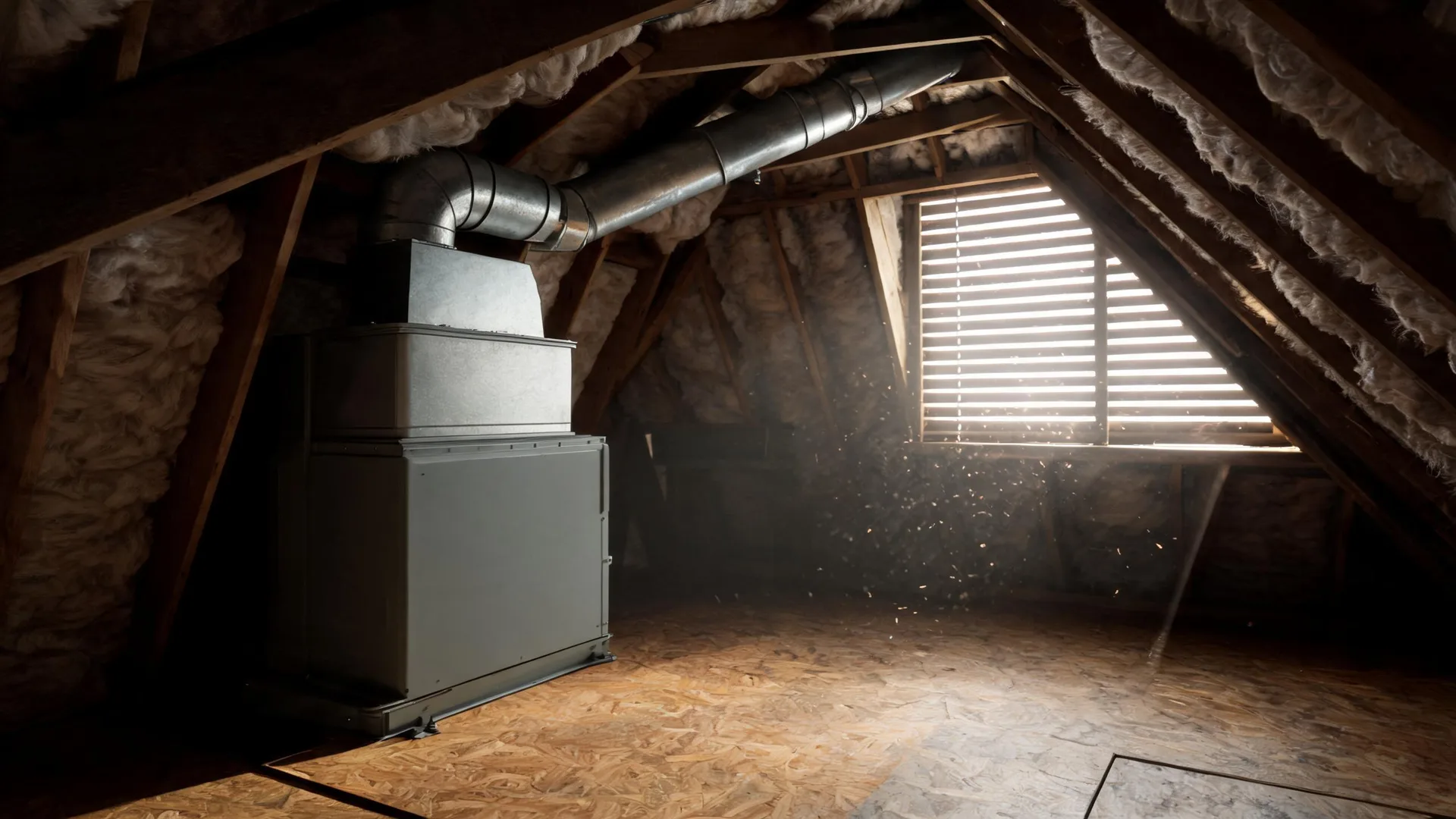
A condenser and an air handler are only part of what gets priced. The line set has to be run between them, the electrical disconnect and breaker sized to the new equipment, and the pad or mount set level and solid. If the old ductwork is undersized or leaky, the new system won't perform right no matter how good it is, and that's a separate job from swapping the boxes outside and in.

Matching parts, matched performance

An outdoor condenser and an indoor coil are built to run as a pair. Put a new condenser on an old coil and the system can short cycle, struggle to dehumidify, or wear out early even if it's the right size. Replacing both at once costs more up front than replacing one, but it's the difference between a system running the way it's rated to and one fighting its own mismatch for years.

Aerial view of a gray central air conditioning condenser unit on a concrete pad next to a house with vinyl siding.

Going above the federal minimum saves little here, about $20 a year.

  • A higher-efficiency unit$330 a year
  • A new unit at the federal minimum, 14.3 SEER2$350 a year

Estimates for a typical Coweta County home, from EIA household energy data, Georgia fuel prices and NOAA climate normals. Your home will differ.

Installation day starts with the old equipment coming out, the condenser outside, the coil and air handler or furnace inside, and the line set running between them. The crew checks the pad or mounting bracket before the new condenser ever goes on it, because a unit set on a cracked pad or loose bracket will shift over time. Line sets get cut to length, connected, and pressure tested for leaks before anything gets charged with refrigerant. The electrical disconnect and wiring get matched to the new equipment, not just reused from the old setup. Once it's wired and charged, the system gets run through its paces, checking airflow at the vents, checking the refrigerant charge, checking that the thermostat is actually talking to the equipment. A system that looks finished but hasn't been tested running isn't actually done.