Running the way it should
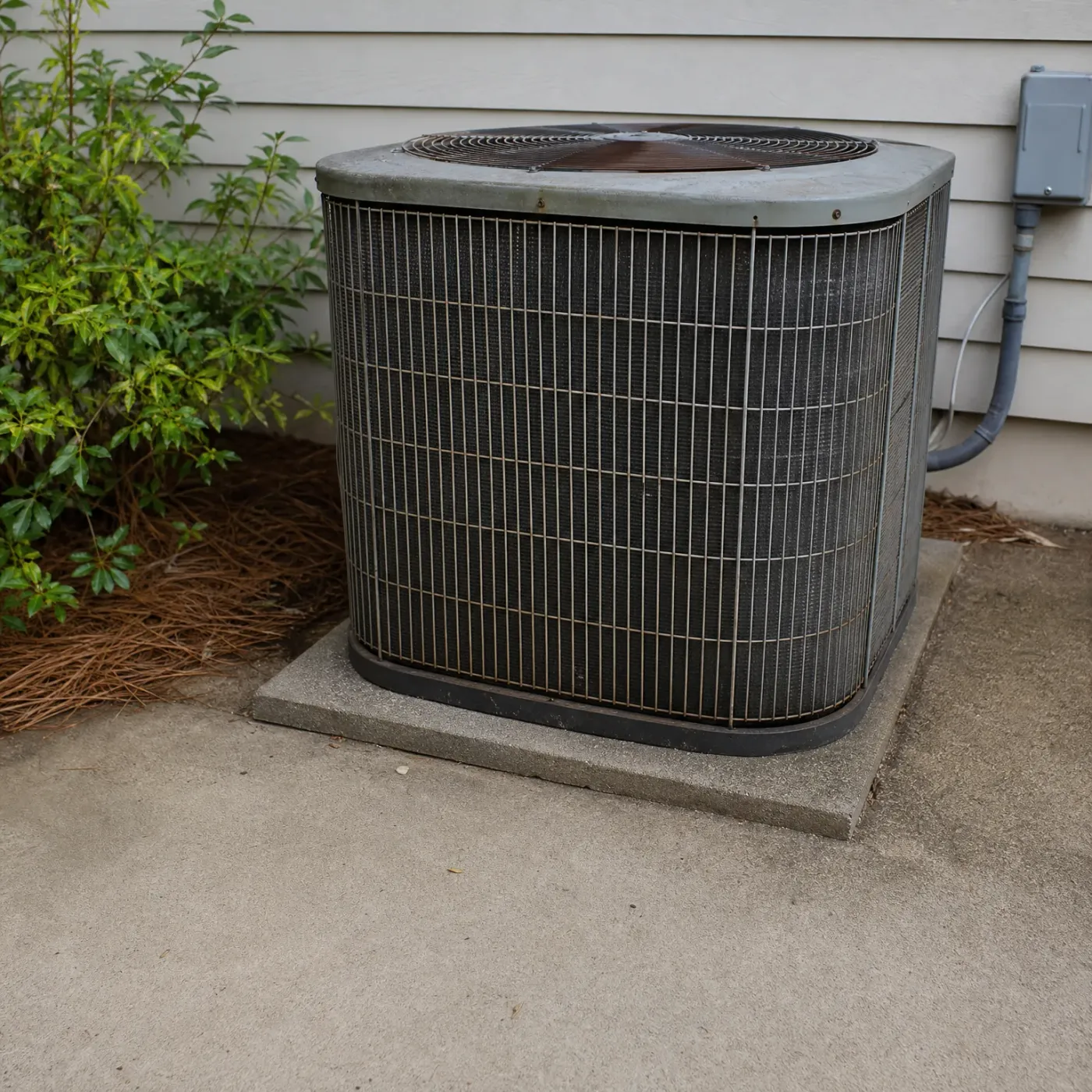
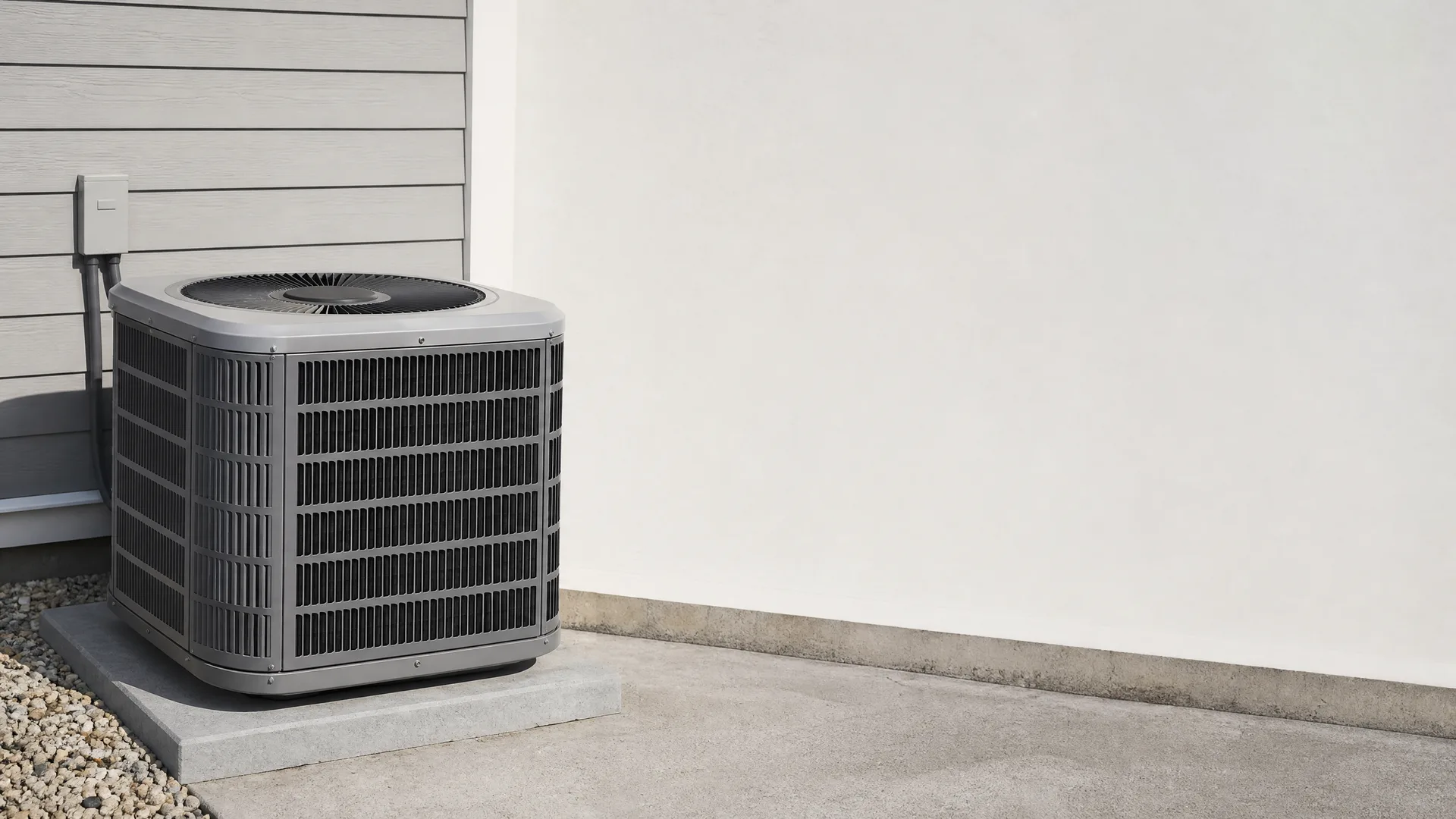
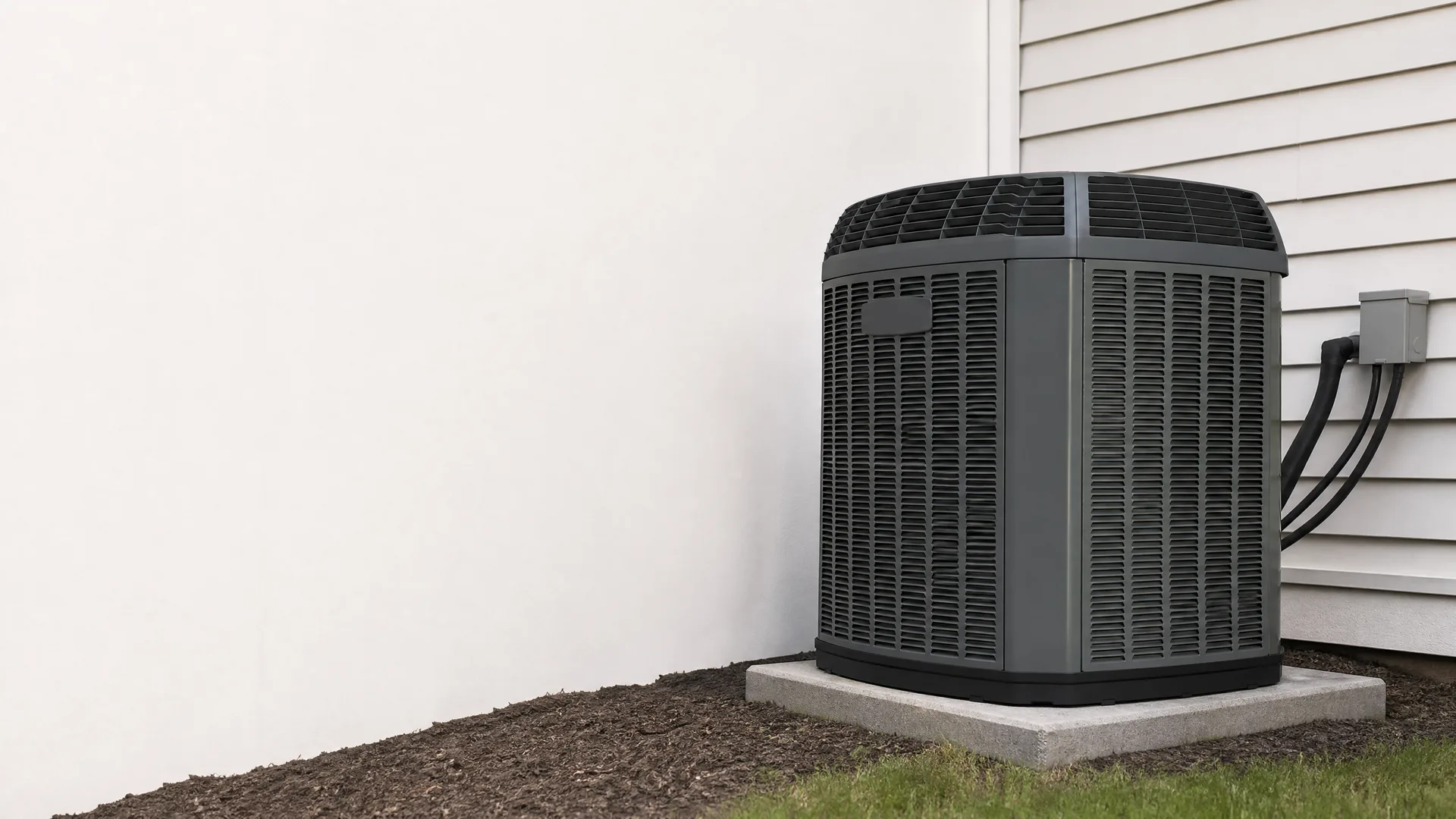
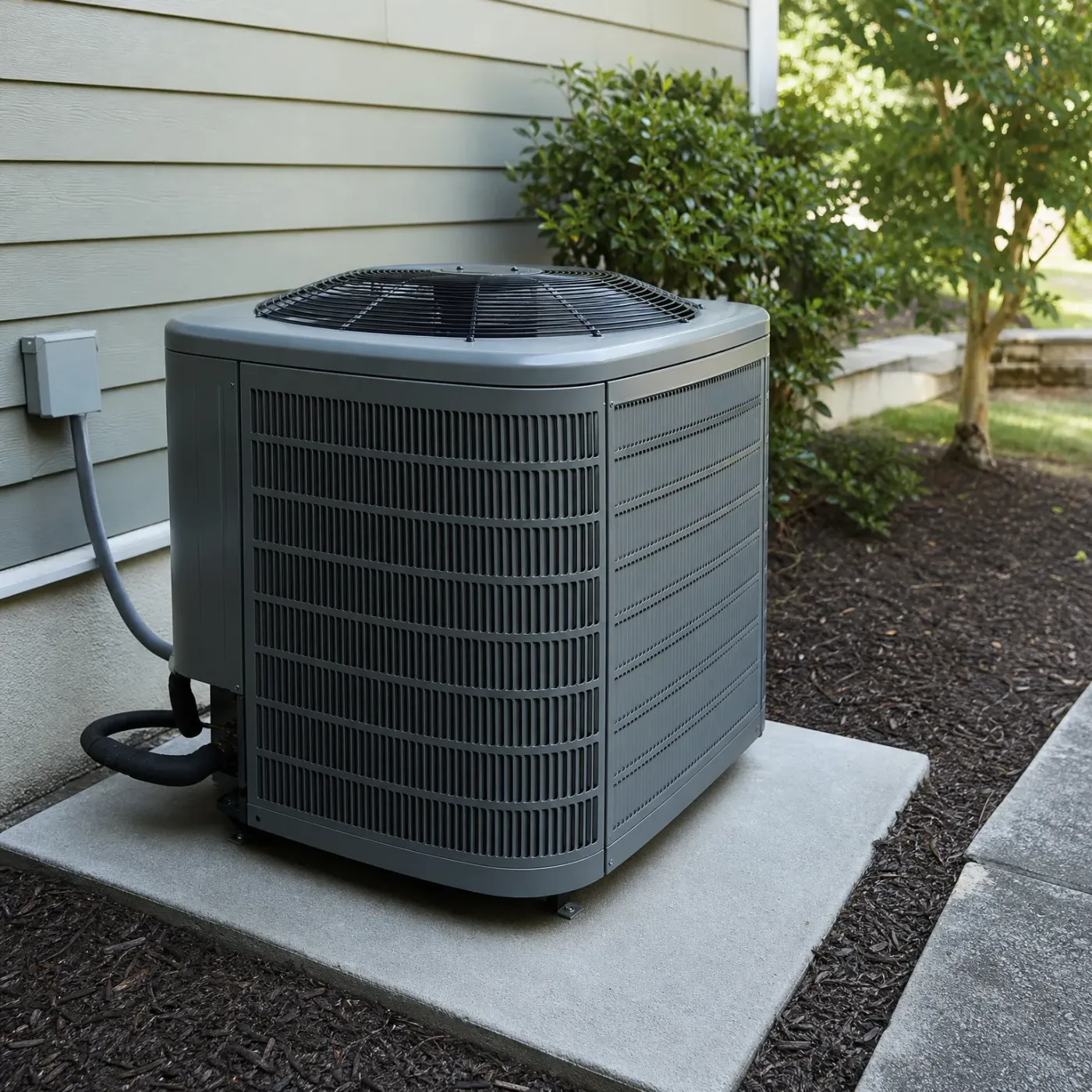
The condenser hums along on its pad, the fan turning, air moving out the top. The disconnect box stays shut. Nothing rattles. This is what you want to see when you check on it during a hot stretch.
Heat like this doesn't wait, and a unit that won't start even once leaves you checking the thermostat twice and wondering if it's something simple or something that needs a tech. You just want to know what's going on before the house heats up on a long summer evening.
A few things cause this more than anything else. The breaker for the outdoor unit can trip from a hard start, especially on a hot afternoon when the compressor works harder to kick on. The capacitor that gives the compressor and fan motor their initial push can wear out and simply fail to deliver that jolt. Or the thermostat itself has lost power, lost its setting, or isn't signaling the system at all. With summers here running long and muggy, the system cycles on and off far more than it would somewhere milder, and that extra cycling is what wears a capacitor down or trips a breaker sooner than you'd expect. Checking the breaker panel and thermostat batteries first costs you nothing and rules out the easiest fixes.

The condenser hums along on its pad, the fan turning, air moving out the top. The disconnect box stays shut. Nothing rattles. This is what you want to see when you check on it during a hot stretch.

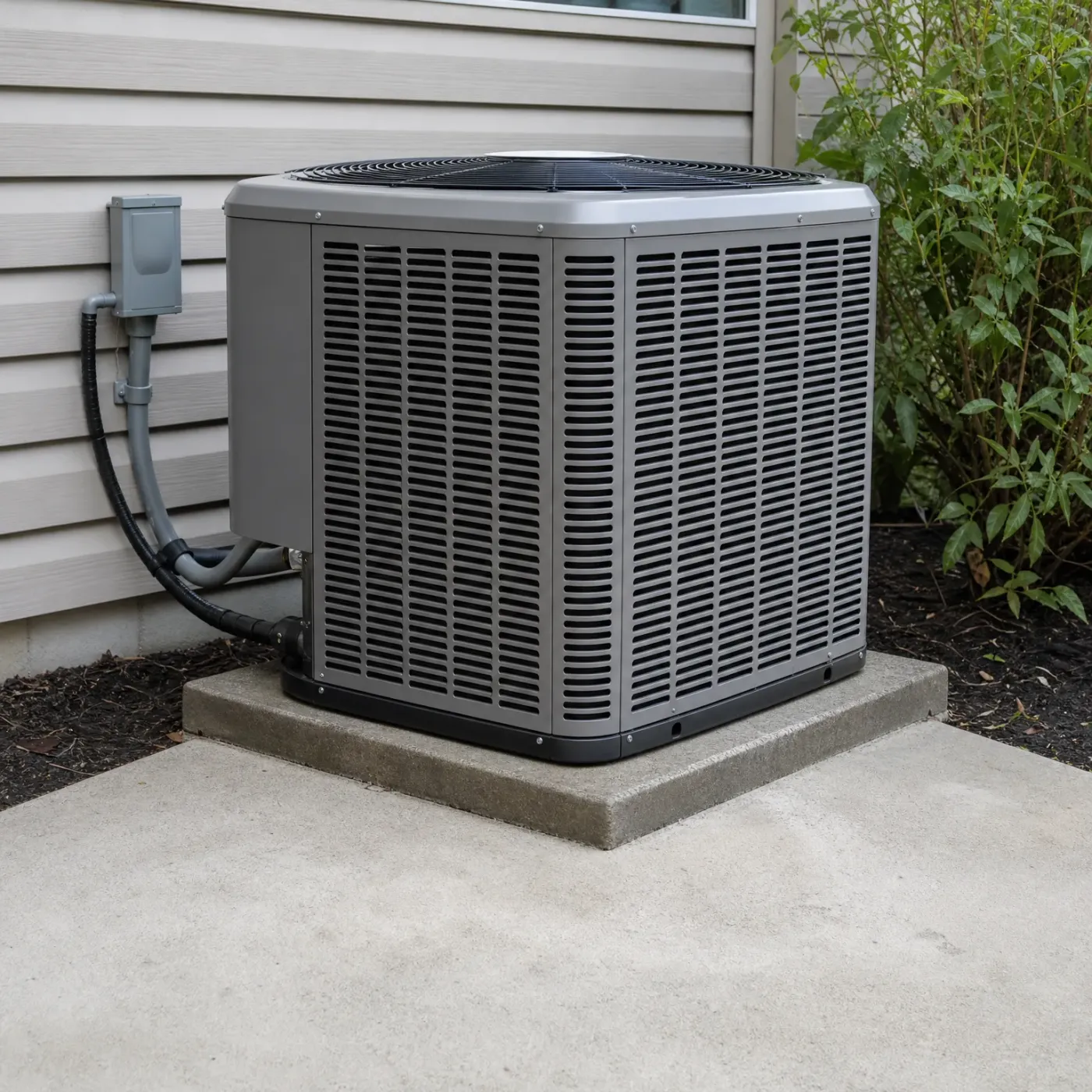
Dust and grime cake the cabinet mesh, thick enough to block airflow through the coil. A unit caked like this works harder to cool your house, and in Newnan's long summers that strain can be why it won't start at all.


A tripped breaker or a float switch stopped by condensate can shut the whole system down. Checking those two spots takes a minute and often explains a dead unit.
An AC here can run most hours of the day for months straight. That kind of use wears on contactors, capacitors and relays faster than a unit that only runs now and then.




Your thermostat doesn't power the compressor directly. It sends a low-voltage signal to a contactor at the outdoor unit, and that contactor is what pulls in and sends real power to the compressor and fan. If the capacitor behind it is weak, you'll hear a hum but the compressor won't spin. That's a different problem than no power reaching the unit at all. Check the disconnect near the condenser first. It's a separate pull-out block or small breaker, not the one in your main panel, and it's an easy thing to bump loose. Inside, the air handler runs off its own breaker too, so it's possible for one half of the system to have power while the other doesn't. A full drain pan will also shut things down on purpose through a float switch, protecting your ceiling or floor from an overflow rather than signaling a failure. And if the compressor pulled too much current recently, it may have tripped an internal overload that needs a few minutes to reset before it tries again.
Your AC in Coweta County runs about five months straight, May through September. That long a stretch asks a lot of a capacitor or a contactor, and the strain shows up as a unit that won't start right when you need it most.
NOAA nClimDiv 1991-2020


After you send the request, you're done searching.
Get matched with a pro who works on air conditioners in Coweta County.
You only hire the pro if you want to.

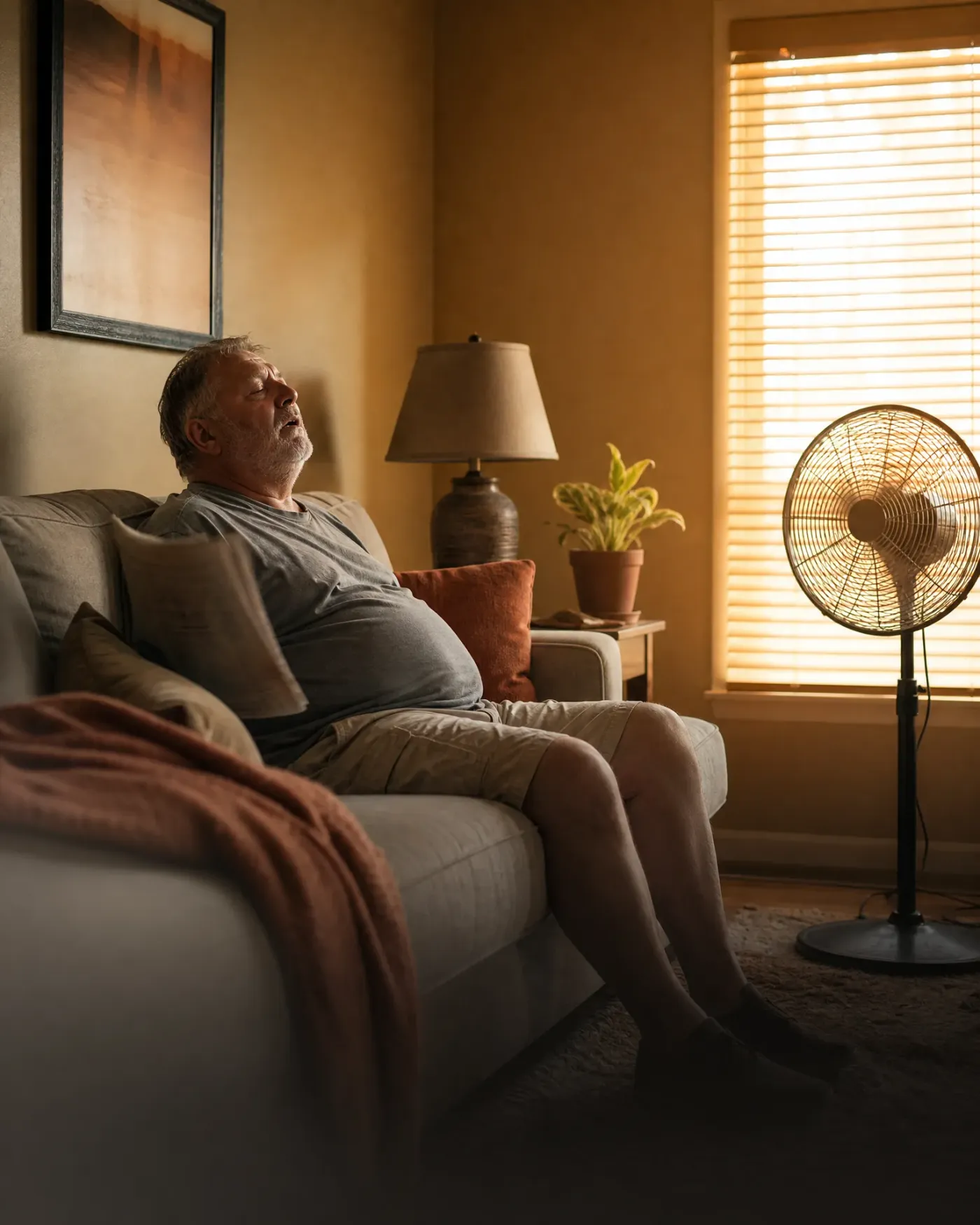
If it's the afternoon and the house is already climbing past 80, a dead unit isn't an inconvenience, it's the next six hours. Upstairs rooms go first. Anyone with a baby, a dog, or a reason to stay home feels it fast. You can open windows and run fans, but in a Newnan summer that buys you an hour, not an evening.
The part that actually breaks, a capacitor, a contactor, a float switch, isn't something you're meant to carry around in your head. You just need someone who already knows which one it is. Send the request and the search part is done. A contractor who handles this in your area gets your information and calls you, and you go back to waiting out the heat instead of waiting on hold.

A breaker that's tripped from the heat sits in the middle position, not fully off. Flip it all the way off first, then back on. If it holds, the AC should start on the next thermostat call. If it trips again right away, something downstream is pulling too much current, and that's a job for a contractor, not another reset.
A unit that hums, clicks, or trips the breaker again after a reset usually isn't a simple fix. Loose wiring at the disconnect, a failing compressor, or a refrigerant leak all show up this way, and none of them get better with another reset. Forcing it can damage the compressor further, so this is where the job goes to someone licensed to open the panel.
A dead AC usually comes down to a tripped breaker, a float switch stopped by condensate, a bad capacitor, or a contactor that's worn out from a long summer of cycling on and off. Some of that you can check yourself in a minute. The rest needs a tech with a meter. Either way, the point of checking is the same: find out if this is a five-minute fix or a part that has to be replaced, so you're not guessing while the house heats up. Once you send the form, you're done hunting for someone to call. A contractor who works on systems like yours in Coweta County gets your information and reaches out to you. You can stop checking the breaker every twenty minutes and let someone who does this for a living take it from here.
Send the request today and stop worrying about who to call.
Asking costs nothing, and the choice to hire stays yours.