Paulding County sees its share of storms
Paulding County logged 125 damaging wind events between 2015 and 2024, plus hail, a tornado and tropical storm activity. Wind and hail that strong will reach an outdoor condenser sitting out in the open.
Takes about a minute. No obligation.
Paulding County logged 125 damaging wind events between 2015 and 2024, plus hail, a tornado and tropical storm activity. Wind and hail that strong will reach an outdoor condenser sitting out in the open.
Nearly a third of Georgia households went at least 24 hours without power in 2024. If that happens on a hot day, ask the installer where the unit sits and what it would take to add backup power later.
NOAA nClimDiv, 1991–2020 normals
The efficiency number on the label is a ratio of cooling output to power used over a season, not a fixed number you'll see on a bill.
A higher rated system costs more going in, so weigh that against how long you plan to stay in the house.



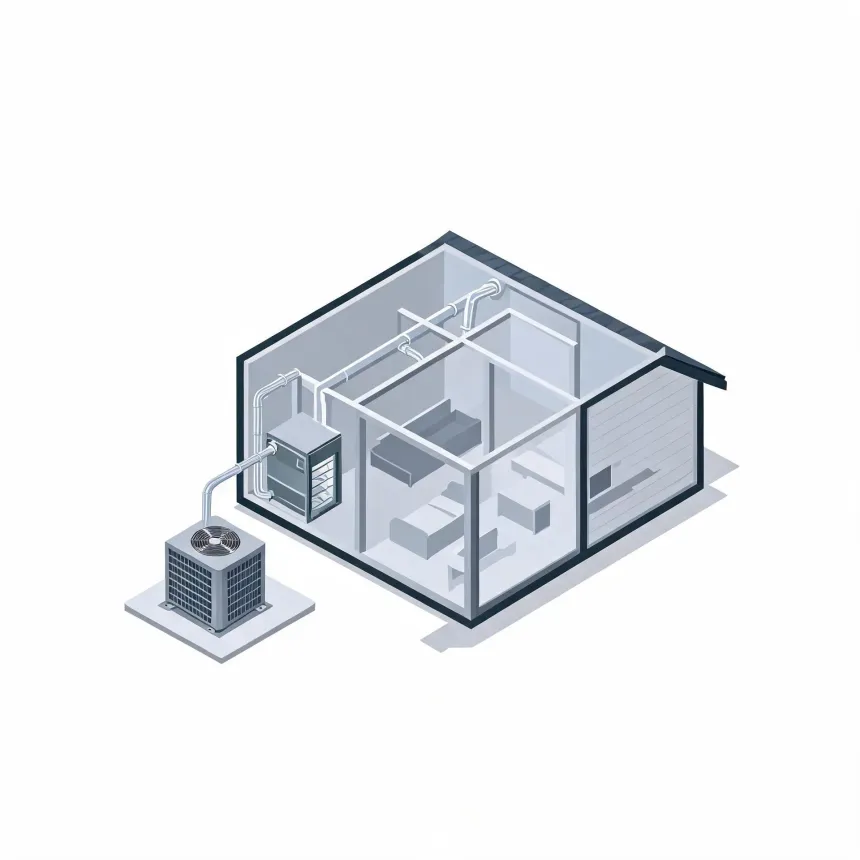
Gas heats most homes in Paulding County, just over half. Electricity heats most of the rest. None of that touches the AC itself, since cooling runs on electricity no matter what fuel the furnace uses. What it does mean is that your installer is probably working with a gas furnace and matching an AC coil to it, or wiring a heat pump setup if yours is electric. Tell them which one you have before they quote the job.
Dallas sits in zone 3A, a region the federal government rates for a higher minimum than most of the country. Any new split-system AC under 45,000 Btu/h has to meet 14.3 SEER2 here, not the national floor of 13.4. That rules out some lower-end units you might find quoted for other states. A federal tax credit is available on qualifying high-efficiency equipment, worth asking your installer about when you compare systems.
Find a contractor
Cooling runs here from May through September, five months straight, and afternoons in June, July and August average 88°F. That's the stretch where the system can't catch a break between cycles. A unit sized right for this load will still put in long hours across those months. One sized wrong, too small for the heat or too big and short-cycling, wears out its weak points faster. Ask the installer to size it off a load calculation for your house, not a guess based on the old unit or the square footage alone.
A tech will cap or purge the refrigerant lines, disconnect the electrical, and unbolt the condenser from its pad. The indoor coil comes out too if it's being swapped. Refrigerant can't just be vented to the air, it has to be recovered into a tank, so part of the job is doing that properly before anything gets carried away.
Old systems running an older refrigerant can't just be topped off anymore, and a licensed installer has to recover whatever is left in the lines rather than release it. That recovery step is regulated, so it's worth asking how the old refrigerant and the unit itself get disposed of or recycled before the new system goes in.
Estimates for a typical Paulding County home, from EIA household energy data, Georgia fuel prices and NOAA climate normals. Your home will differ.
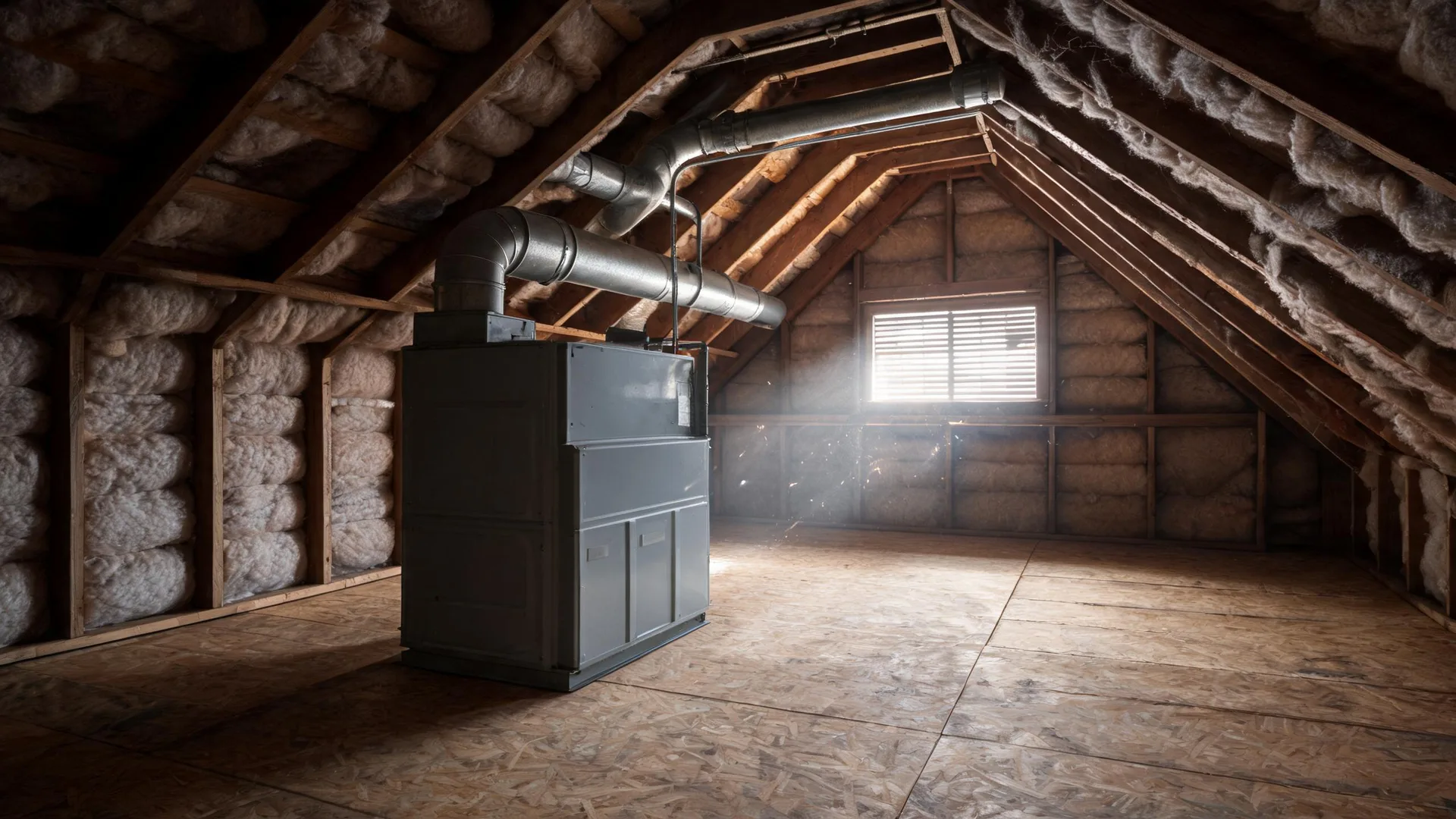
Most installs run a full day, sometimes into a second if the ductwork or electrical needs changes. The crew sets the new condenser on its pad, runs refrigerant lines, and mounts the indoor coil to the furnace or air handler. Every joint gets brazed and then pressure tested before any refrigerant goes in, since a slow leak at a bad joint is one of the more common callbacks. Once the system holds pressure, it's charged, the electrical gets tied in, and the thermostat is wired or paired. Before the crew leaves, the system should run a full cycle while someone checks the supply air temperature and the refrigerant charge against the manufacturer's numbers, not just a quick on-off test. Ask what happens if something isn't right that day, and whether the startup check and any permit inspection are part of the job or a separate visit.