Most homes here run on electric heat
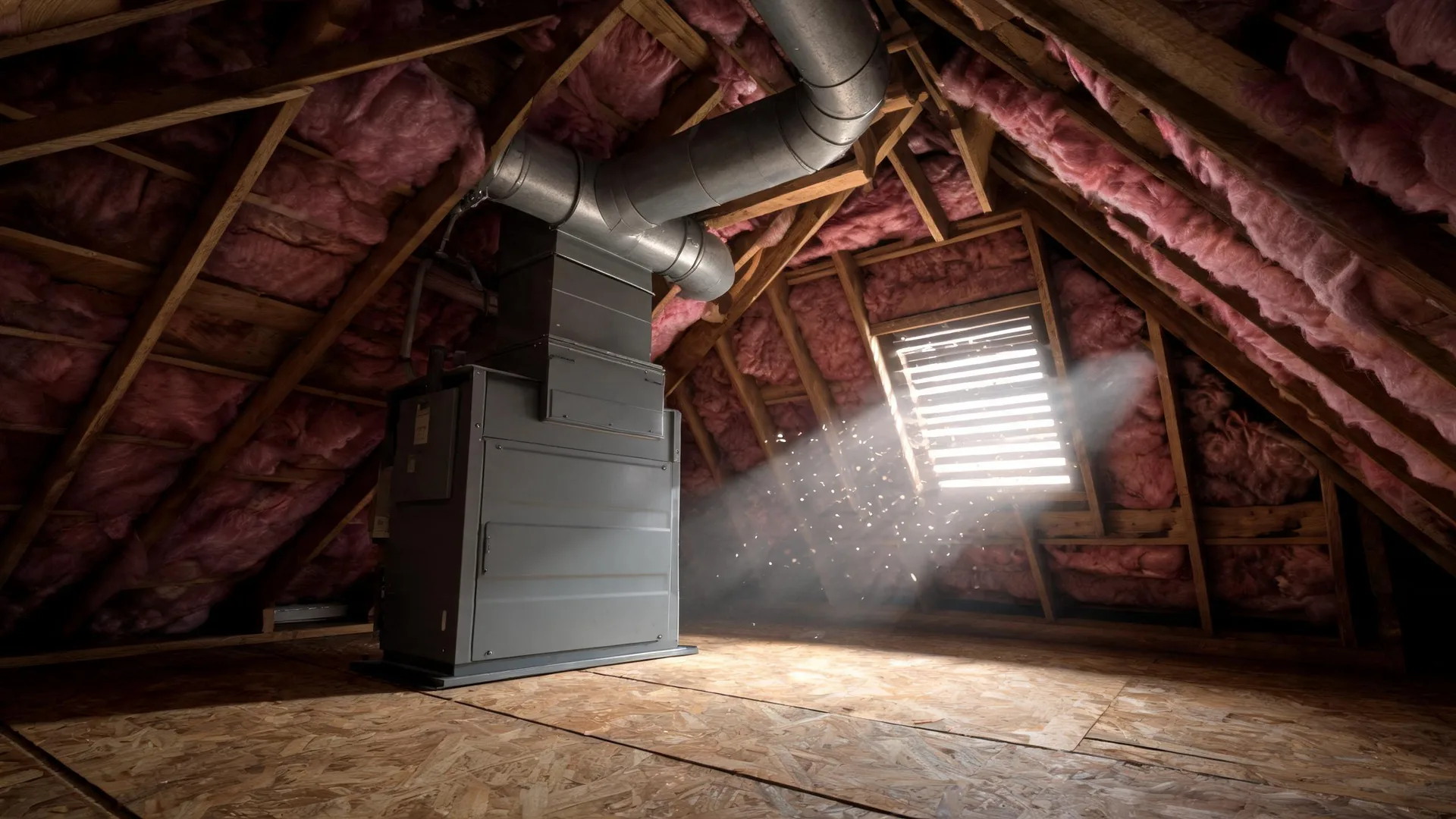
Electricity heats 68.4% of occupied homes in Gordon County. A new AC install in a home like this usually means working alongside an electric furnace or a heat pump, not a gas furnace.
Takes about a minute. No obligation.
Electricity heats 68.4% of occupied homes in Gordon County. A new AC install in a home like this usually means working alongside an electric furnace or a heat pump, not a gas furnace.
If your home already runs on electricity, a straightforward AC replacement fits what is already there. Homes on bottled or utility gas need the installer to account for how the gas furnace and new AC unit work together, which is a different job than swapping out an all-electric system.

NOAA nClimDiv, 1991–2020 normals
Cooling in Gordon County runs May through September.
April is the month to put in a new AC, before the first warm week puts it to work.




A standard size and efficiency fit a Calhoun home without any adjustment for what's local. Nothing about the climate or the grid here asks for oversizing or a premium unit. Georgia homes paid 14.08 cents per kilowatthour in 2024, and that rate is what it is no matter which system goes in. A correctly sized unit will cost less to run every month than one that's too big for the house, so getting the size right matters more here than the price of the equipment itself. The installer should size it to the house, not to the season.
Gordon County falls under the Southeast's regional rule, not just the national one. A split system below 45,000 Btu/h has to hit 14.3 SEER2 here, higher than the 13.4 SEER2 minimum manufacturers build to elsewhere. That rule narrows what an installer can legally put in your home, and a federal tax credit is available on top of it.
Find a contractorThe unit on the pad is only part of the job. Line set has to run from the condenser to the indoor coil, and if the old lines aren't reused, that means new copper, new connections, a new path through the wall. Once it's connected, the lines get pulled down to a vacuum before any refrigerant goes in. Skip that step and moisture stays trapped in the system, and it wears on the compressor for years after the crew is gone. Ductwork matters just as much. If the existing ducts are sized right and sealed well, the new system connects to them with no extra work. If a duct run is too small for the new unit's airflow, or there's a leak somewhere in the attic, that has to get fixed or the system never puts out the air it's rated for. A permit and the inspection that follows it are part of the job, not something tacked on after. The thermostat matters too. It has to match the system, and if the new unit is a heat pump, the thermostat needs to be set up for that or it won't run the way it should.
The right size comes from a room by room load calculation, not a square footage guess. The installer checks window area, insulation, ceiling height and how many exterior walls the house has, because homes that look alike from the street can need different tonnage. Skip this step and the installer is just guessing at a number.
A bigger unit doesn't cool a house faster in any way that helps. It blasts cold air, hits the thermostat setting, and shuts off before it finishes pulling moisture out of the air. The house ends up cold and damp, the compressor short cycles on and off, and that start and stop wears parts out faster than steady running would.
Estimates for a typical Gordon County home, from EIA household energy data, Georgia fuel prices and NOAA climate normals. Your home will differ.
Installation day starts before the crew touches the old unit, with the power shut off and the refrigerant recovered from the existing system rather than vented. The old unit comes off the pad, and if the line set is being replaced, that old copper comes out too. Setting the new condenser means getting it level on the pad, because a unit that sits tilted puts strain on the compressor mounts over time. Indoors, the coil goes in above or beside the furnace, matched to the new condenser rather than paired with whatever coil was already there. Once everything is connected, the lines get pulled into a vacuum to clear out moisture and air before any refrigerant is released into the system. Only after that does the crew check airflow at the vents and run the system through a full cycle to see that it's cooling and holding the temperature it's set to.