Electricity here isn't cheap
Georgia homes paid 14.08 cents per kilowatthour in 2024. A new AC in Hinesville runs on that rate for as long as you own it.
Takes about a minute. No obligation.
Georgia homes paid 14.08 cents per kilowatthour in 2024. A new AC in Hinesville runs on that rate for as long as you own it.
At that price, a unit that uses less power to do the same job earns its keep over the years you run it. Ask what SEER2 rating a system carries before you decide between models.

NOAA nClimDiv, 1991–2020 normals
Homes in Hinesville start running the AC in May, and it runs through October.
Replace your system in April and it's already working before the first hot week, not during it.



Cooling runs May through October here, six months of the year. June, July and August, the afternoon high averages 91°F, so for a good stretch of that run the unit is working against real heat, not mild days. A system sized wrong for this load either runs constantly and still falls short, or short-cycles and wears its parts out faster than it should. Size it for what this place actually demands, not for what fits a sales sheet.
Liberty County saw 128 severe weather events between 2015 and 2024, most of them damaging wind. An outdoor unit sits outside, exposed to both wind and hail. Installation is the time to decide where it goes and what shields it, not after a storm has already found it. Statewide, close to a third of Georgia households lost power for a day or more in 2024, and a day without power is a day without cooling.
Find a contractor
The SEER2 number on the label tells you how much cooling a unit delivers for the power it draws over a full season, not on one mild afternoon. A higher rating means the compressor and fan are doing the same job while pulling less electricity to do it. That number is a ceiling, not a guarantee. A system reaches it when the ductwork is sealed, the charge is set right, and the airflow across the coil matches what the unit was built for. Skip any of that at install and the real number falls below what's printed on the label, no matter how good the equipment is. The rating also only describes cooling output against power drawn. It says nothing about how long the compressor lasts or how well the unit handles a long stretch of high heat, so weigh it alongside the installation itself, not instead of it.
An oversized unit cools the air fast and shuts off before it pulls the moisture out of it. The house ends up feeling clammy even at the right temperature. It also cycles on and off more often, and every start puts more wear on the compressor than a long steady run would.
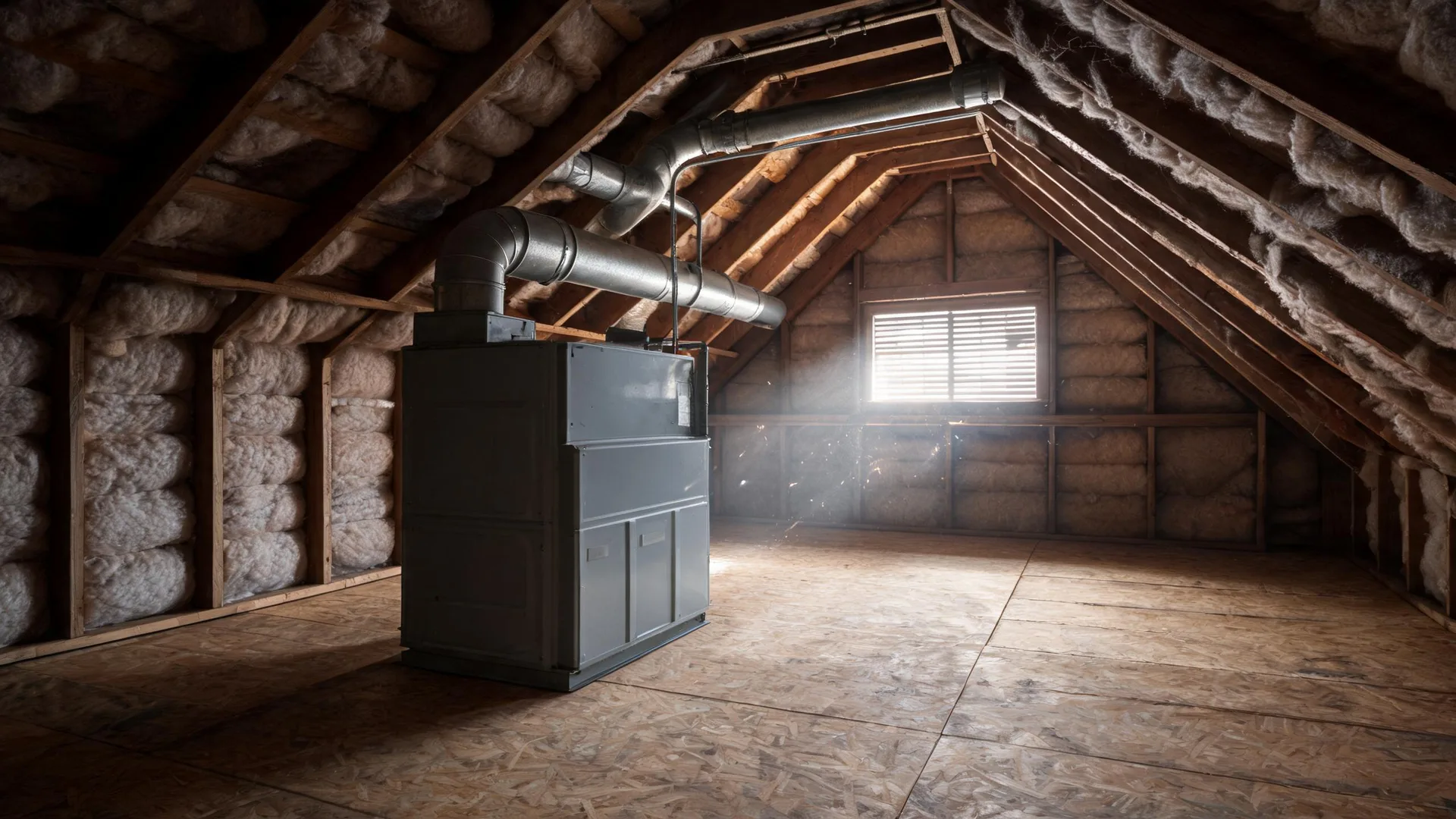
Sizing a system means walking the house. An installer looks at the square footage, how many windows face the sun, how much insulation is in the attic, what sits above and below each room. That load calculation is what tells them which size unit to put in. The size of the one being replaced doesn't answer that question on its own.
Estimates for a typical Liberty County home, from EIA household energy data, Georgia fuel prices and NOAA climate normals. Your home will differ.
Install day starts with the old system coming out, indoor and outdoor units both, along with the line set if it's not being reused. The installer sets the new outdoor unit on its pad, runs new line set or flushes the old one, and sets the indoor coil above or beside the furnace or air handler. Once everything is connected, the system gets evacuated to pull all air and moisture out of the lines before any refrigerant goes in. That step matters more than it looks. Any moisture left behind mixes with refrigerant and breaks the system down from the inside over time. After the charge is set to what the manufacturer specifies, the installer checks airflow across the coil and tests the system through a full cooling cycle before calling the job done.