
Why your AC is making a loud noise in Georgia
A loud noise from your AC usually points to something specific. A grinding or screeching sound often means a motor bearing is failing. Banging or clanking means a part has come loose inside the compressor or the blower, something that can turn into real damage if the unit keeps running. Rattling can be as simple as a loose panel or as serious as a fan blade hitting its housing. Clicking that continues past startup can mean a failing relay or capacitor. A hissing sound usually means refrigerant escaping from the line. With Georgia summers running hot and muggy for months, the system runs long hours to keep up, and that steady load wears on motors, fan blades and electrical parts faster than a system that gets to rest. A noise that is new or getting worse is the system telling you a part is wearing out or already loose, and it is worth having someone look at it before it leaves you without cooling on a hot day.


The sound your AC makes points to where the problem is before anyone opens the cabinet. Refrigerant escaping through a leak hisses as it goes, and cooling drops off as the charge runs low. A loose panel screw or something caught in the outdoor fan cage will rattle, but only when the fan is turning, so it comes and goes with the fan speed. A squeal at startup points to a belt or motor mount losing tension, though most units made in the last couple decades run direct drive and skip the belt entirely. Clicking is normal at the start and end of a cycle, that is just the relay switching power, but clicking straight through the cycle means the relay itself is wearing out. A hum with no air moving usually means the compressor is trying to start and a weak capacitor won't let it turn over. Inside the house, a rattle from the air handler can mean the blower wheel has worked loose on its shaft and is hitting the housing with every turn.
What Each Sound Is Telling You
- A hissing sound usually means refrigerant is escaping from a leak in the lines, and the system loses cooling as it empties out.
- Rattling that comes and goes with the fan speed often means a loose panel screw or a stick caught in the outdoor unit's fan cage.
- A high-pitched squeal when the unit starts up points to a belt or motor mount that has lost tension, though most home units today run direct drive with no belt at all.
- Clicking at startup and shutdown is normal for the relay switching power, but steady clicking through the whole cycle means that relay is failing.
- A low humming with no airflow usually means the compressor is trying to start against a bad capacitor and can't turn over.
- Loud rattling from the indoor unit can mean the blower wheel has come loose on its shaft and is striking the housing.




Running an AC with a failing bearing or a loose part doesn't just mean a few more days of noise. The motor can seize or the loose part can strike the fan blade, and what started as a repair turns into a full system replacement.
Georgia summers don't leave room for a system to sit broken. Once a contractor is matched to your call, finding the right help is off your plate, and that's the part that actually brings relief.


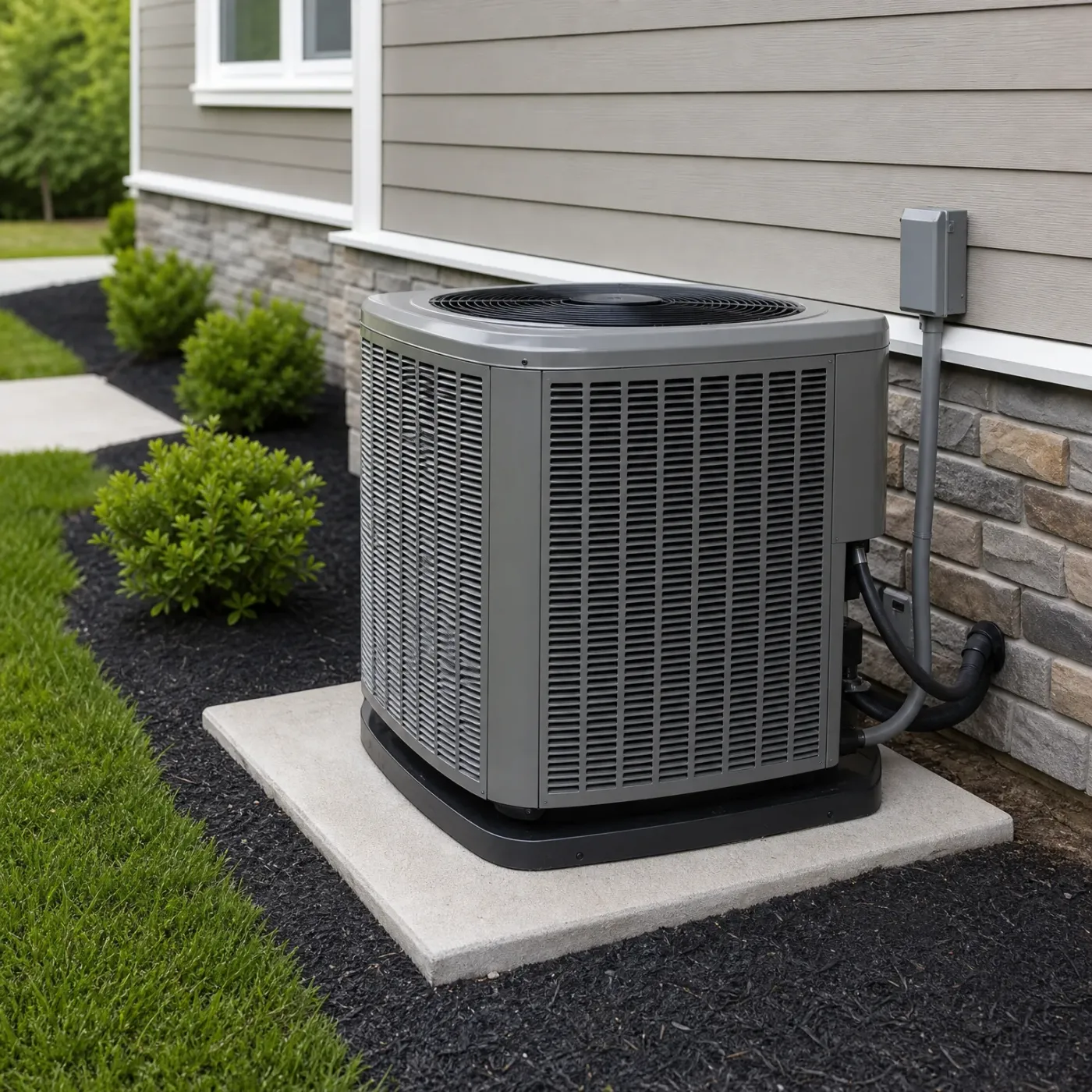
A pro who works on air conditioners
Send the request today and stop worrying about who to call.
A local pro who knows air conditioners gets your details and gets in touch.
You're not committing to anything by asking.
What's that noise actually doing to your house right now
Walk outside and put your hand near the unit. If it's hot to the touch or the noise has gotten louder since yesterday, that's the motor or compressor working harder than it should. Inside, you might notice the air isn't as cold as it was, or the system is running longer to hit the same temperature on the thermostat. A grinding sound that's been going on for more than a day or two means that bearing isn't going to heal itself. Keep running it and the motor can lock up entirely, and in Georgia heat, a house without working AC gets uncomfortable fast, especially for anyone older or on medication that doesn't mix well with heat.
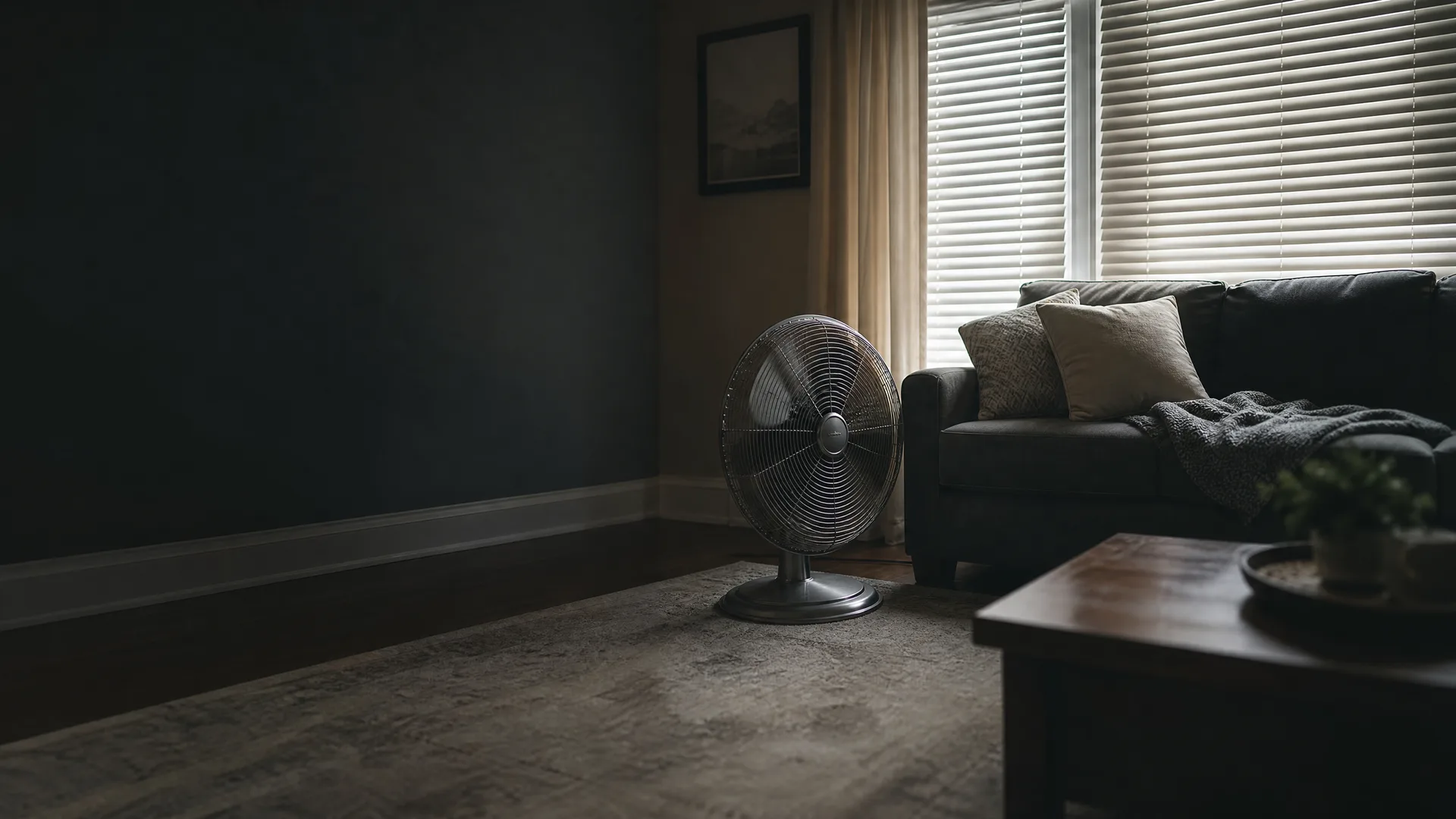
By mid-afternoon the sun is flat against the front window and the blinds stay shut to keep the room livable. The fan beside the couch turns on its slowest setting, pushing the same warm air back and forth. You've had the AC on since morning and the house still hasn't caught up. Every few minutes that grinding sound comes through the wall again, a little louder than it was yesterday. You turn the fan up a notch and sit back down, phone in hand, waiting to see if the air coming from the vent cools off or if the noise wins out first.
Power costs 14.74 cents per kilowatt-hour statewide
At 14.74 cents a kilowatt-hour, a struggling compressor or a motor running past its bearing shows up fast on your bill. A noisy unit is usually working harder to move the same air, and that extra draw adds up over a summer of steady use.
EIA-861 2025 statewide residential average
What the Noise Is Telling You
- A grinding, screeching, hissing, or banging sound each points to a different failing part, not a mystery to live with.
- Ignoring the noise risks turning a motor bearing or a loose part into a full system replacement.
- Georgia heat means a struggling AC runs longer and harder, so the damage adds up faster than it would in a mild climate.
- The sound tells you something is already wrong, and waiting for it to stop on its own just means more strain on the unit.
- A contractor can trace the noise to its source and fix it before it costs you the whole system.
- Once you send the form, a licensed contractor serving your area takes it from there and reaches out to you.
The sound your AC is making isn't random. Grinding and screeching usually trace back to a motor bearing. Hissing points to refrigerant escaping somewhere in the lines. Banging or clanking means something has come loose where it can do real harm to the compressor or blower. Each one is a different problem, and each one gets worse the longer the unit keeps running. In Georgia, where the AC carries the load for months at a time, that extra strain shows up faster than it would somewhere milder. A unit that's already struggling doesn't get a break to recover, it just keeps working past the point where it should have been looked at.
None of this needs to turn into a guessing game on your end. A licensed contractor can listen to the noise, find the part behind it, and fix it before a bearing seizes or a loose screw reaches the fan blade. That's the difference between a repair now and a replacement later. The part that matters most here is timing. Once you send the form, the work of finding someone stops being something you have to manage yourself. A contractor who serves your area gets the details and reaches out to you. You're not left waiting on hold or calling around while the house gets warmer and the noise gets louder. The noise told you something was wrong. The next step is just getting it looked at before it tells you something worse.





Get your air conditioner to the right pro
Send it once and finding someone is no longer on you.
It costs nothing to send, and you don't have to hire anyone.