Running the way it should
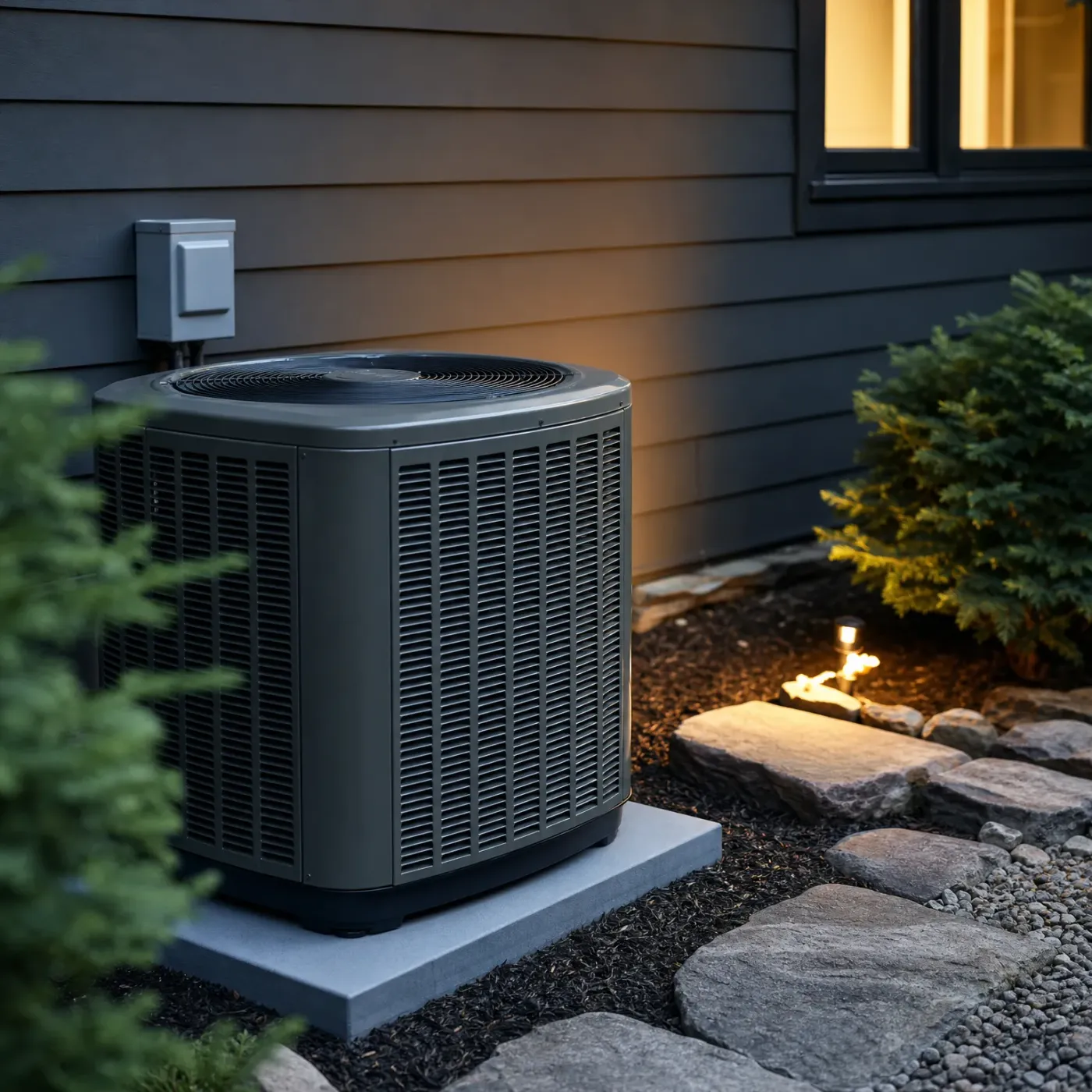
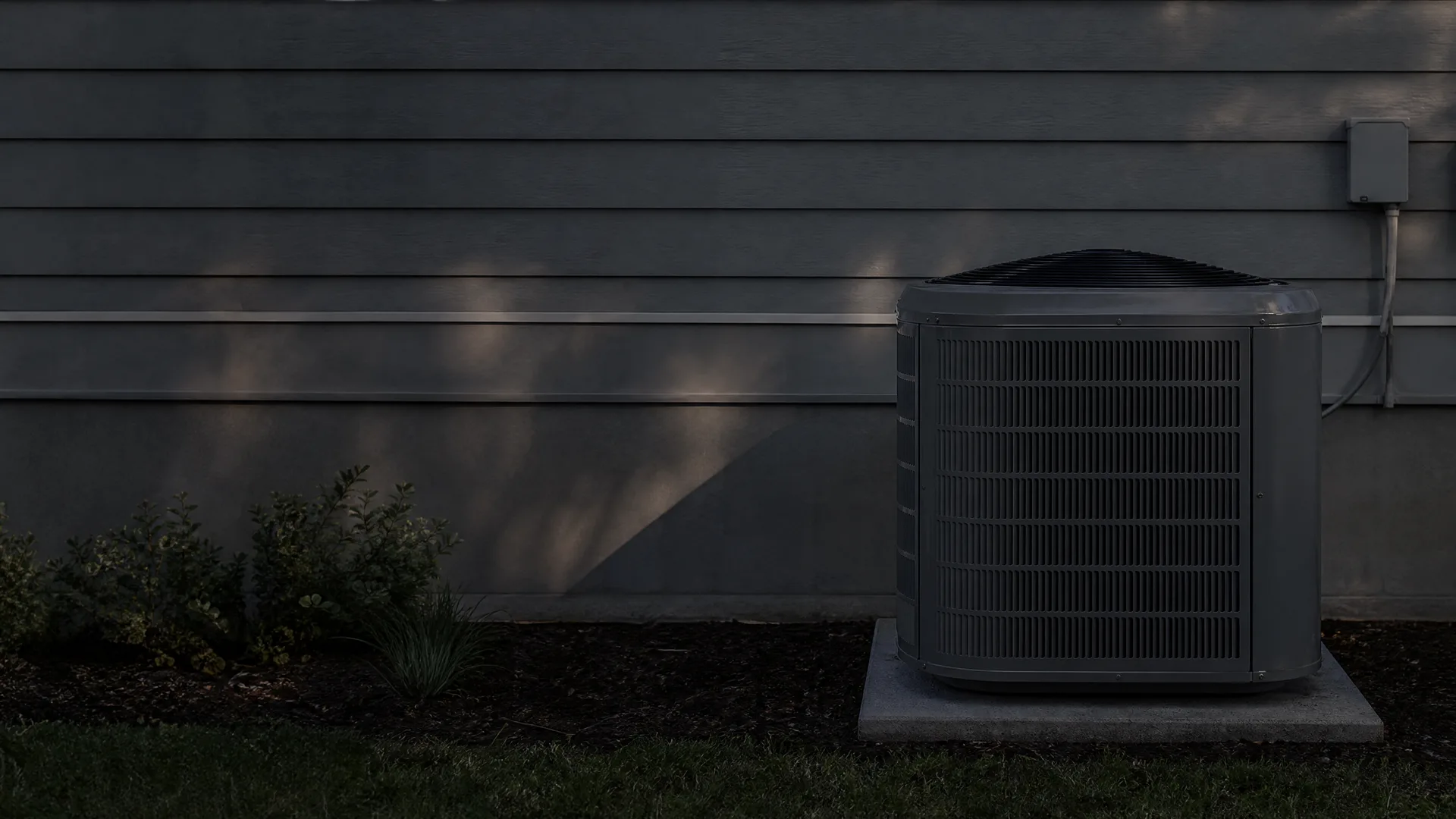
A condenser like this hums along in the heat with no puddle at the wall, no drip off the pad. The line stays clear and water goes where it's supposed to. Nothing to look at twice.
Get your air conditioner to the right pro
Water showing up around your indoor unit usually means a clogged drain line or a frozen coil that's now thawing. Sometimes it's a cracked drain pan or a pump that's quit. This page walks through why it happens and what it means for your system. A local contractor who works on AC units around Peachtree Corners all summer can take a look and match the fix to what's actually going on in your house.
Get an air conditioner proWater inside almost always means the drain line is clogged. Algae and dirt build up inside that line over a long cooling season, and Peachtree Corners runs its AC from April into October, so the line gets plenty of chances to clog. Once it backs up, the condensate has nowhere to go but out of the pan and onto your floor, ceiling, or closet. The other common cause is a frozen evaporator coil that's thawing out, usually from low airflow or low refrigerant, dripping water as the ice melts. Less often, the drain pan itself has rusted through or cracked, or the condensate pump has failed. Shutting the system off stops new water from forming while the coil thaws or the line gets checked. Left alone, a clogged line can overflow the pan and soak the subfloor or drywall around the unit, so it's worth dealing with soon rather than waiting for it to clear on its own.


Your air conditioner makes water as a normal part of cooling. The evaporator coil pulls moisture out of the air passing over it, and that moisture has to go somewhere. It drips down into a pan under the coil, then runs out through a drain line to the outside of your home. A small trap in that line holds back a bit of water so air doesn't push up through the pipe and stall the flow. Any break in that path causes trouble. A clogged filter or blocked return starves the blower of air, the coil gets too cold, and ice builds up where there should be condensation. When that ice melts, it melts faster than the pan and line were built to handle, and water ends up somewhere you can see it. If your air handler sits in the attic, which is common in two story homes, you may notice a ceiling stain well before you see any water on the floor.


That condensate line only has to carry a few feet before it clears the cabinet, and it's narrow, often less than an inch across, which is why a small clog can back up the whole system fast.
A clog that small won't clear on its own. Once the line backs up, water has nowhere to go but out through the pan, and that's when you see it on the floor or ceiling below.





A condenser like this hums along in the heat with no puddle at the wall, no drip off the pad. The line stays clear and water goes where it's supposed to. Nothing to look at twice.

Same kind of unit, same setup against the house, but check the wall inside near the indoor unit. Water on the floor or a stained ceiling means the line or the coil behind it needs a look before it causes more damage.
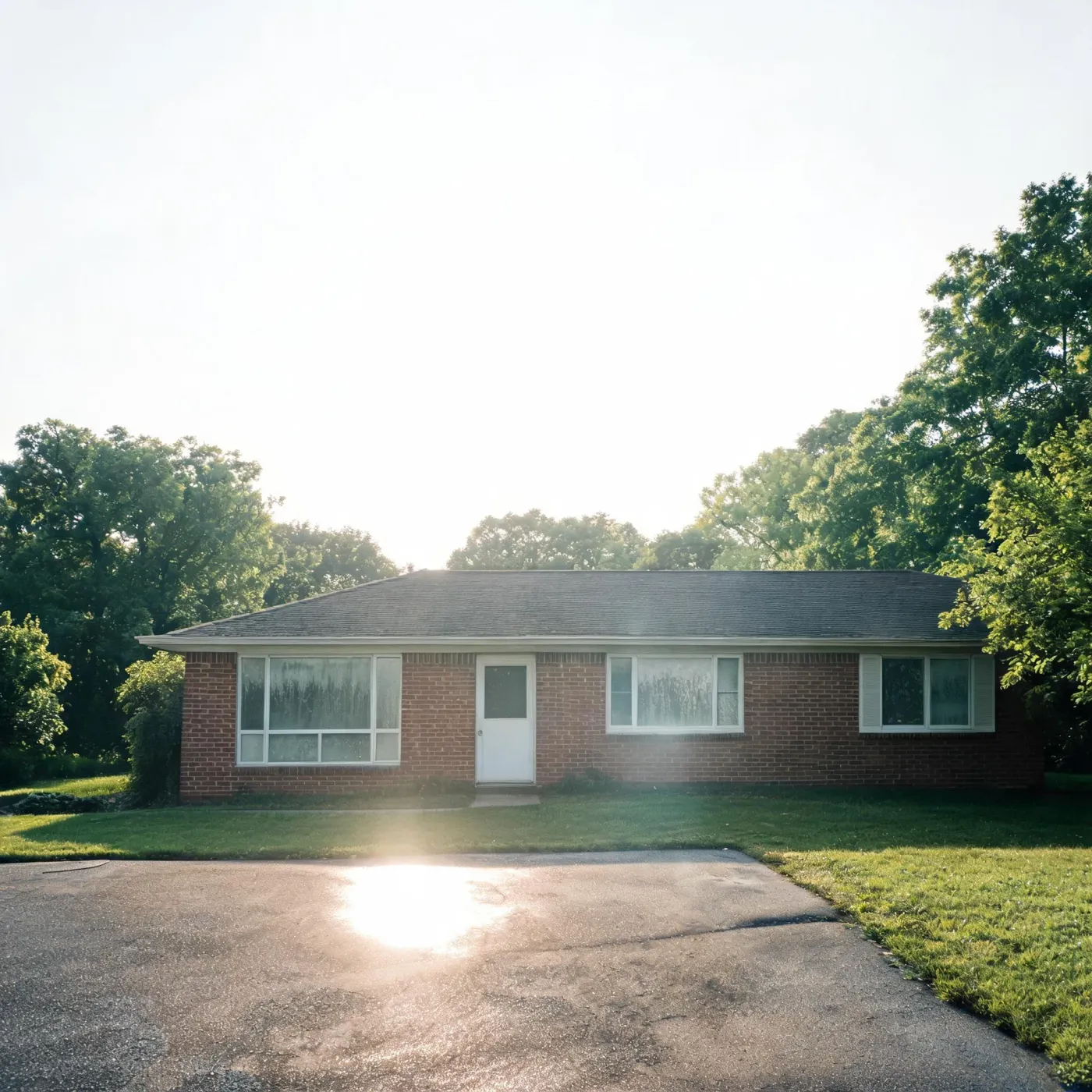
Summer air in Gwinnett County holds a dew point around 67°F, according to NOAA climate data, which is the kind of mugginess that makes your shirt stick to your back just walking to the mailbox. Your air conditioner has to pull all that extra moisture out of the air before it can even start cooling it, so the coil runs wetter and the condensate line carries more water, more often, than it would somewhere dry. That's more water looking for a way out, and more chances for a clogged line to back up and show up as a puddle by your indoor unit. A local contractor who works on systems through Peachtree Corners summers has seen what that kind of load does to a drain line over a season, and knows where to check first.
NASA POWER T2MDEW
A licensed pro who repairs air conditioners in Gwinnett County gets your request.
It costs nothing to send, and you don't have to hire anyone.
A puddle on the floor near the air handler, usually in a closet or the attic, is the first sign most people notice. If the unit sits in the attic, the water can come through the ceiling below before you ever see the puddle. Carpet or drywall near the unit may feel damp or show a stain. If the coil has frozen over, you might not see water right away, you'll see ice on the lines outside, and the puddle shows up once the system shuts off and that ice melts.
Drywall and ceiling stains from an attic unit don't go away on their own, and the longer the water sits, the more it spreads into insulation and framing. A cracked drain pan or a clog that keeps backing up can mean this happens again every few weeks until the line or pan gets fixed. Mold can start in wet insulation or drywall within a couple of days. None of this is likely to happen overnight, but it won't fix itself either, and the unit will keep shutting itself off or running poorly until the water stops.
You might notice a damp spot on the closet floor before anything else, or a musty smell that wasn't there last week. If the unit's in the attic, you may see a brown stain spreading across a bedroom ceiling instead, since the water finds the attic floor before it finds you. Some people hear it first, a steady drip behind a wall. The system itself may seem fine, still blowing cold air, which is part of why the water catches people off guard. Left alone, that water sits against drywall and framing, and a ceiling stain usually means the water's already soaked into the material above it, not just passed through.

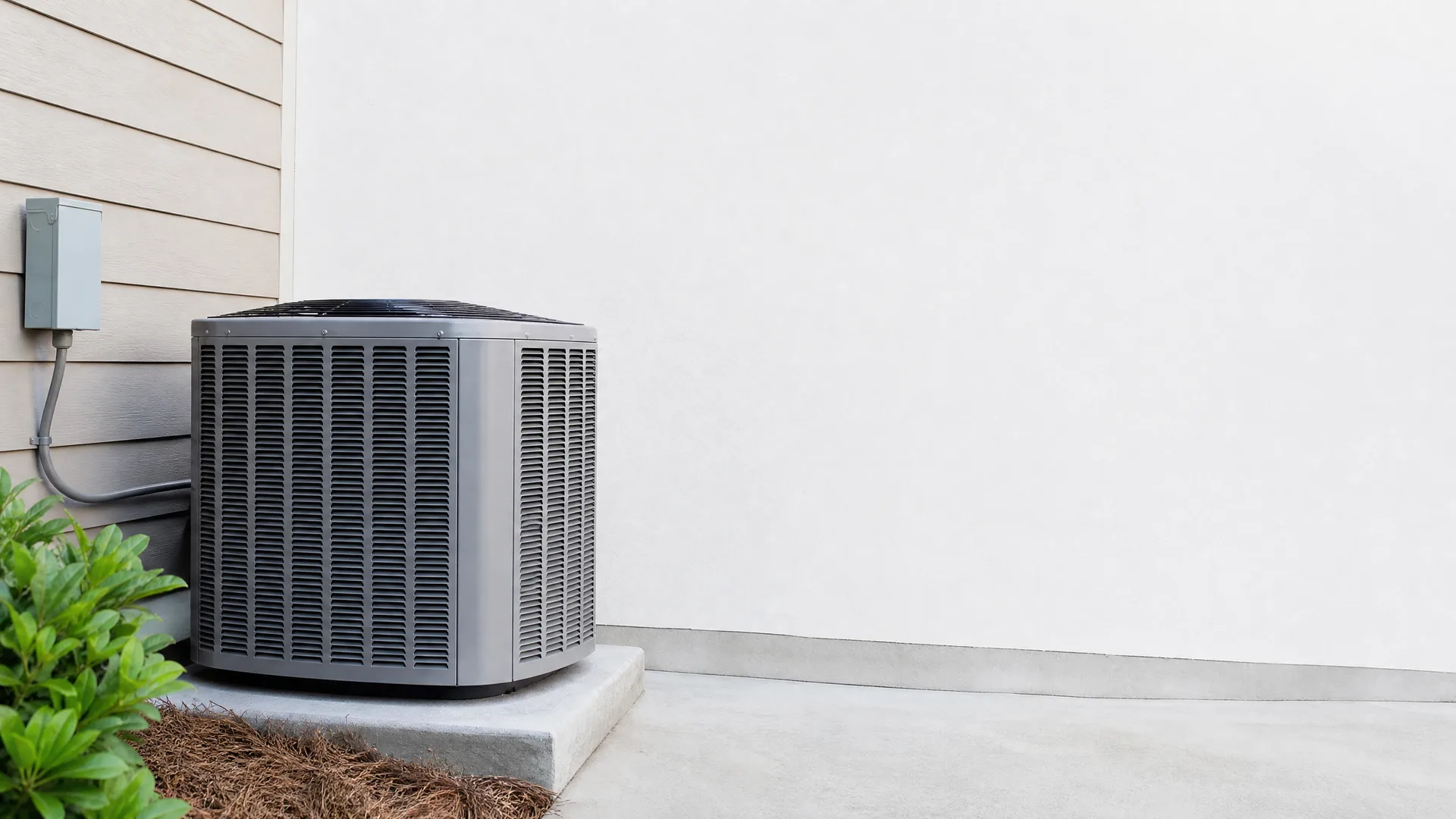
A unit like this drains the way it should. The pad stays dry, the grilles stay clear, and the line out back never backs up. Nothing shows at the wall, no puddle, no drip. It's worth a look now and then just to see it stays that way.

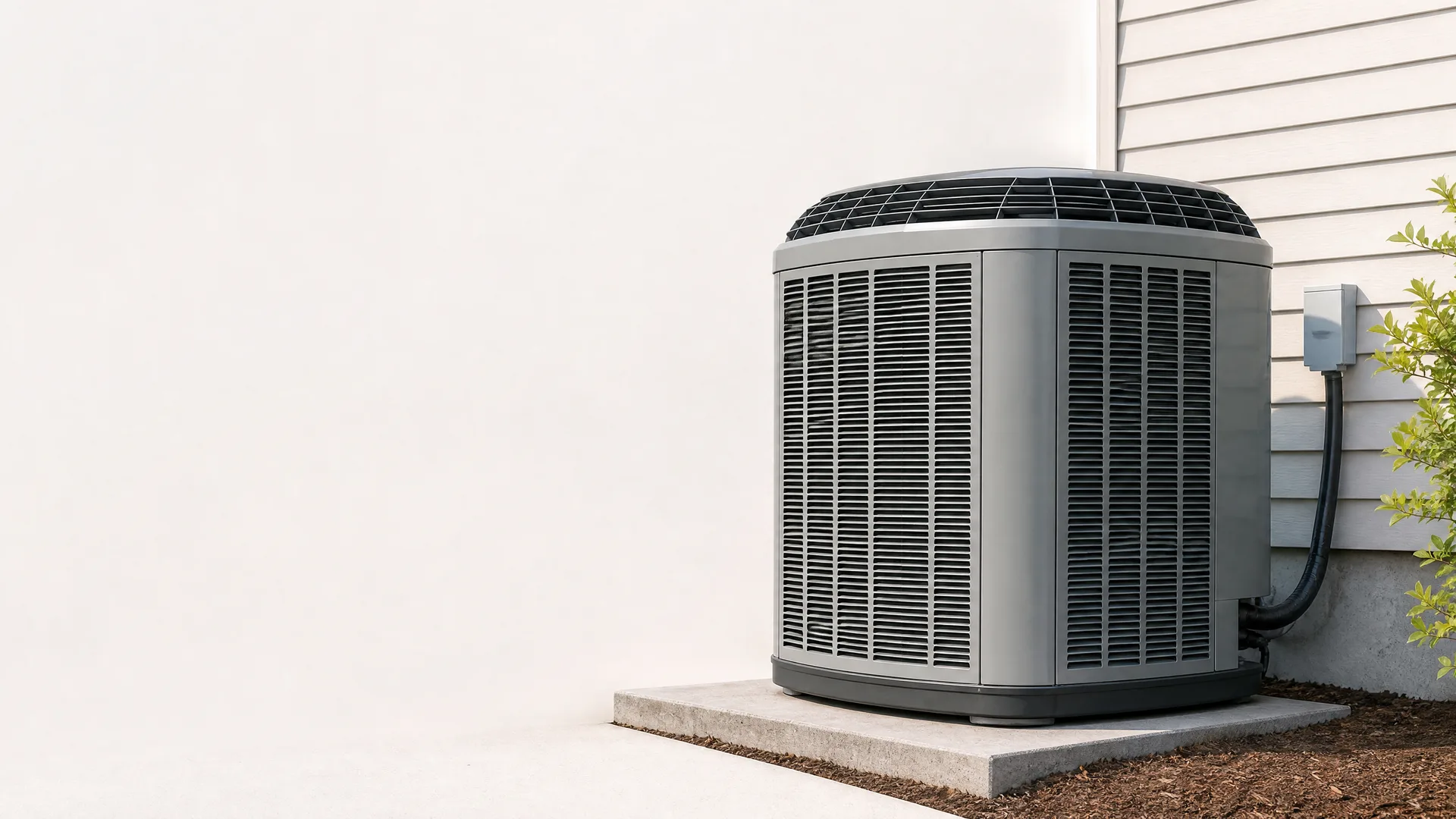
Dirt built up on the grilles here, and that same neglect usually shows up in the drain line too. Once algae clogs that line, the pan behind this unit fills and water finds its way inside, often before anyone notices the grilles needed cleaning.
Five months of that is a long stretch for one drain line to stay clear on its own. Each month your AC runs adds more buildup inside it, so a line that drained fine in May can be backed up by August. Checking it partway through the season catches a clog before it turns into a puddle by the air handler.
NOAA nClimDiv 1991-2020
Water by your indoor unit comes down to one of two things. The drain line is clogged, or the coil froze and is now melting onto the floor. Both have a clear fix, and neither gets better if you wait on it. The line will back up further. The pan will overflow, or the drywall under it will start to show the damage. A unit that's draining right makes no puddle and no stain, and that's the whole goal here.
What makes this easier is who ends up looking at it. A contractor working on AC systems around Gwinnett County all summer has seen this exact puddle more times than they can count, in houses running the same long cooling stretch yours does. They know whether to check the line first or the coil first, and usually have a good guess before the cover's off the unit. You're matched with one of them, licensed and local, not a batch of companies competing for your callback. That means one visit, one person who already has a sense of what's probably going on, and a straight answer instead of a sales pitch from three different outfits.
Partway through the season is the easier time to deal with this. The clog is smaller now than it will be in August, and the ceiling underneath is still dry. Catching it here is a short job. Catching it after months of backup usually isn't.
The pro who gets in touch is licensed in Georgia and works in Gwinnett County.
