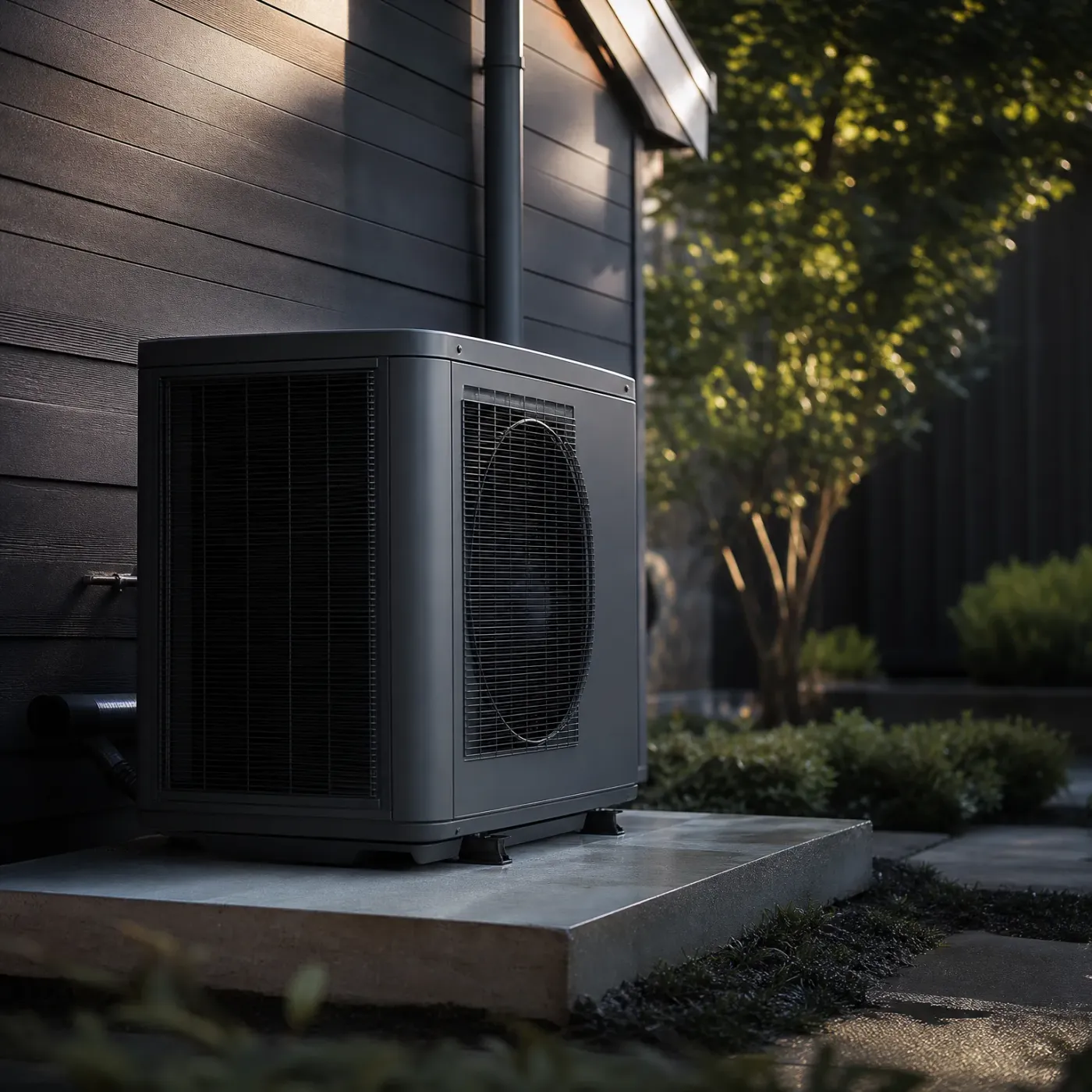




A gray outdoor condenser/heat pump unit with a side fan grille sits on a concrete pad beside a dark horizontal wood-sided house, with shrubs and a small tree nearby.

Get matched with a heat pump pro in Gwinnett County

Heat pump running all the time in Peachtree Corners, GA

A heat pump that never shuts off in a Peachtree Corners summer or winter is usually working harder than it should, not just keeping up with the weather. This page gets into what causes that, from a low charge to a unit that's simply undersized for your house, and what it means for the system long term. A local contractor who services heat pumps year round can take a look and tell you what's actually going on.

Get matched

A heat pump that runs nonstop is usually losing a fight it should be winning. In mild weather it should cycle off once the house reaches temperature. If it just keeps going, something is making it work harder than the weather calls for, even on a cold January night in Peachtree Corners or a sticky July afternoon. A low refrigerant charge is a common cause. So is a dirty outdoor coil that can't shed heat properly, or a system that was sized wrong for your house when it was installed. In winter, a heat pump that's struggling may also be stuck in defrost more than it should be, or leaning too hard on backup heat strips because the compressor isn't pulling its weight. None of this means you need to live with higher bills until the unit fails outright. It means something specific is wrong, and it's fixable once someone finds it.

A gray-haired bearded man in a dark green sweater sits on a light gray sofa in a sunlit living room with a potted plant, framed picture, and dark shelving in the background.
A man in a dark green sweater sits on a light grey sofa in a sunlit living room, looking to his left, with a shelving unit, houseplants, framed art and a large window behind him.
A man with greying hair and a beard in an olive sweater sits on a sofa in a living room, looking to his left, with an armchair, round side table and large glass doors onto trees behind him.
A middle-aged man with grey hair and a beard, wearing a grey knit sweater, sits on a light sofa in a sunlit living room with a houseplant, wooden cabinet and framed landscape picture behind him.

What running nonstop actually costs

A heat pump that cycles normally still uses less power than one that runs straight through, because it gets to rest once the house hits the set temperature. When it never shuts off, it's pulling power the whole time, whether it's a mild afternoon in Peachtree Corners or a cold snap in January. You'll see it on the electric bill before you see it anywhere else. The equipment itself doesn't wear out faster just from running long hours, but a unit that can't satisfy the thermostat is a unit that isn't doing its job, and that's worth a look regardless of the bill.


Why it still can't catch up

A heat pump moves heat instead of burning fuel for it, so it depends on refrigerant holding the right charge and the outdoor coil being able to shed or pull heat freely. A low charge means less heat moved per hour, so the system has to run longer to deliver the same warmth or cooling. A coil caked with dirt or ice does the same thing from a different direction. Either way, the system isn't broken outright. It's just working at a fraction of what it's rated for, and running constantly is how it tries to make up the difference.

Why does your heat pump have so much work to do here?

  • Winter nights average 34°F

    Winter nights averaging 34°F mean your heat pump is pulling heat from cold outside air for hours at a stretch, not in short bursts.

  • Heat runs November through April

    Six months of heating a year means more total runtime than most other systems in your house, so a fault that causes nonstop running adds up fast.

  • Cooling runs May through September

    Five months of cooling means the same unit does double duty, and anything making it run constantly in summer will show up again come winter.

NOAA nClimDiv 1991-2020

Running nonstop in July

A heat pump working overtime in July is fighting heat and humidity at the same time. It has to pull moisture out of the air as well as cool it, and on a muggy afternoon that's a lot of work for one system. If your unit never shuts off through the hottest stretch of summer, check the outdoor coil first. A coil caked with dirt or pollen can't release heat the way it needs to, so the system runs longer to move the same amount of heat. A low refrigerant charge does the same thing from the inside. Either problem makes the unit run constantly without actually keeping up, and the house can still feel warm and damp even with the system going the whole time.

Running nonstop in January

A heat pump working overtime in January is pulling heat out of air that doesn't have much to give. Below freezing, the unit has to run longer just to pull the same amount of heat it could grab in ten minutes back in October. Frost on the outdoor unit is normal in winter, and the defrost cycle should clear it on its own. If that cycle isn't working right, ice builds up and stays, and the system runs harder to compensate. A unit that's undersized for the house shows up here too, since a heat pump sized for a mild Georgia winter can fall behind once temperatures drop into the 30s for days at a time.

A dirty outdoor air conditioner condenser unit with debris on its coil grille, sitting on a concrete pad beside a light-colored horizontal siding wall, with bare dirt ground in front and a shrub at right.
Before you get your heat pump repair
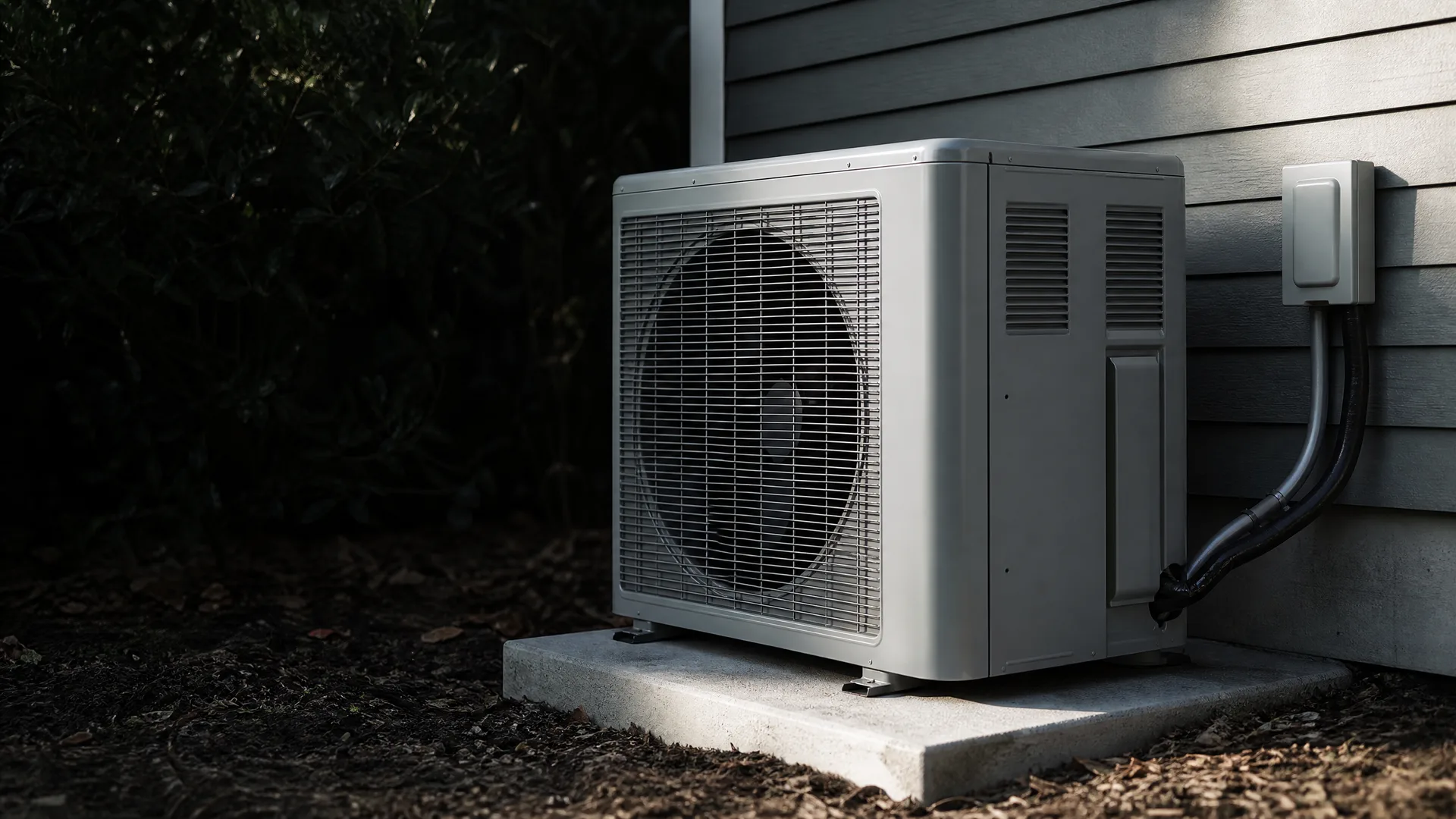
A gray outdoor condenser unit on a concrete pad beside a light-colored lap-sided house, with a wall-mounted disconnect box and conduit, dark mulch, and a green shrub to the right.
After you get your heat pump repair

Right now your heat pump is drawing power around the clock, and your thermostat still isn't holding where you set it. That gap between what you're paying for and what you're getting is the part worth fixing.

A unit that runs nonstop for weeks doesn't just cost you more. It wears out the parts carrying that extra load, and a system under that kind of strain is closer to a breakdown than one that gets to rest.

Power here costs 14.13 cents per kilowatt-hour

At 14.13 cents per kilowatt-hour, a heat pump that runs nonstop turns into a steady draw on your bill, not an occasional one. A unit that cycles normally only bills you for the minutes it's actually working. One that never shuts off bills you for all of them.

EIA-861 2025

A dark bedroom at night with a rumpled duvet and pillows on a bed beside a rain-streaked, condensation-covered window with distant lights, a curtain, and a bedside lamp.

It's a little past midnight in August and you're still on top of the sheets. The window unit sound outside is the only thing moving the air. You can feel the fabric sticking to your back, and the window glass has that soft fog on it from the humidity pressing against the cool side. You reach over and check the thermostat on your phone again, the number hasn't changed in twenty minutes. The heat pump's been running since before you went to bed and it hasn't caught up. At this point you're not thinking about the unit outside, you're thinking about getting up at six and being tired all day. A licensed tech who works on these systems every summer in Gwinnett County would know within minutes why this one keeps losing ground.

Find a heat pump repair pro in Gwinnett County

A licensed pro who repairs heat pumps in Gwinnett County gets your request.

Asking costs nothing, and the choice to hire stays yours.

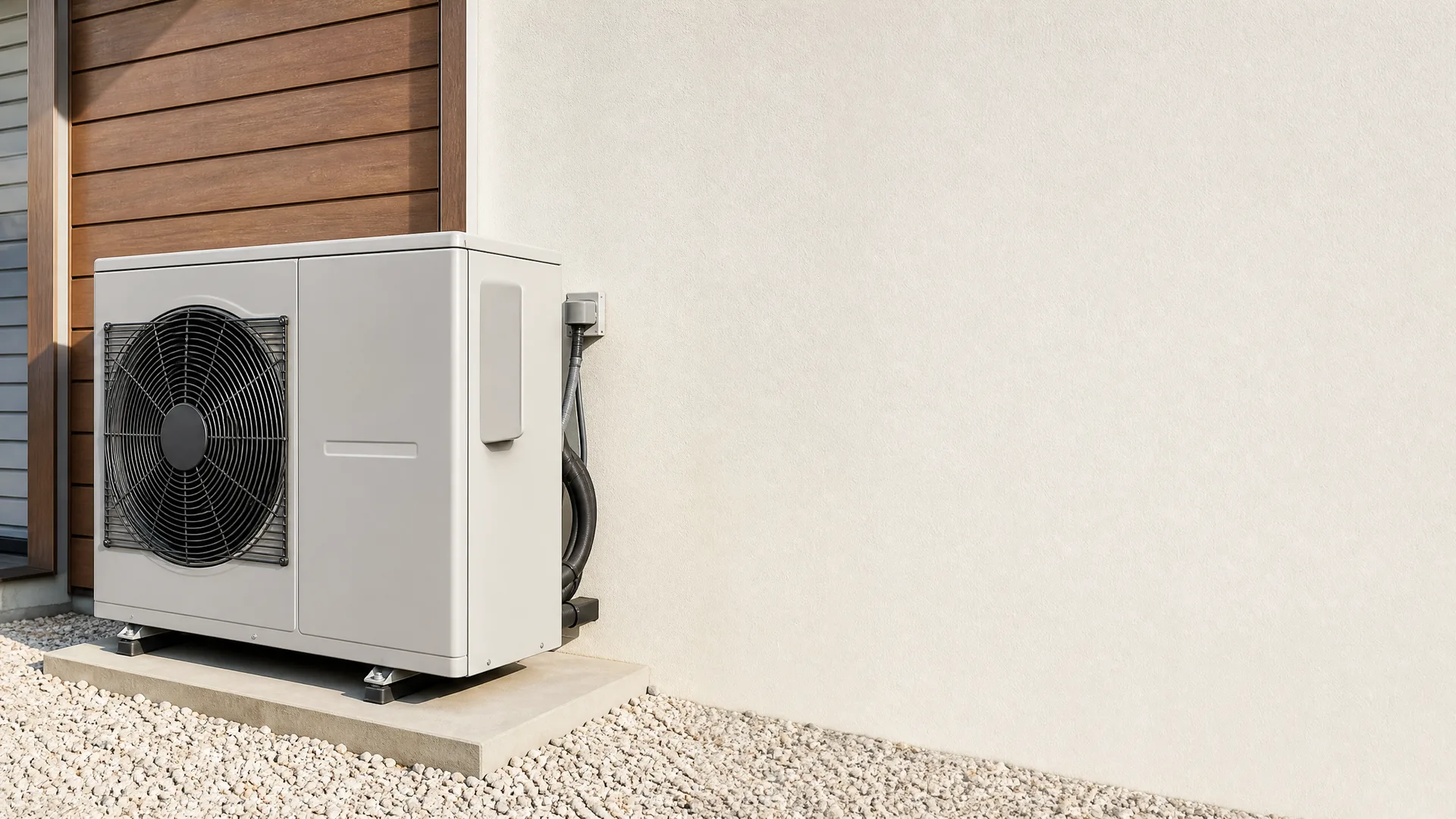
A white outdoor heat pump unit with a fan grille sits on a concrete pad surrounded by light gravel, against a beige stucco wall with wood paneling to the left.

A heat pump that's just undersized

Some homes in Peachtree Corners have a heat pump that was sized for a smaller house, or for an addition that came later. An undersized unit runs nonstop because it physically cannot move enough heat to catch up, not because anything is broken. It will run flat out in both the cold snaps and the muggy stretches, and the thermostat may still read a few degrees off no matter how long it runs. A load calculation from a contractor can tell you if this is the issue.

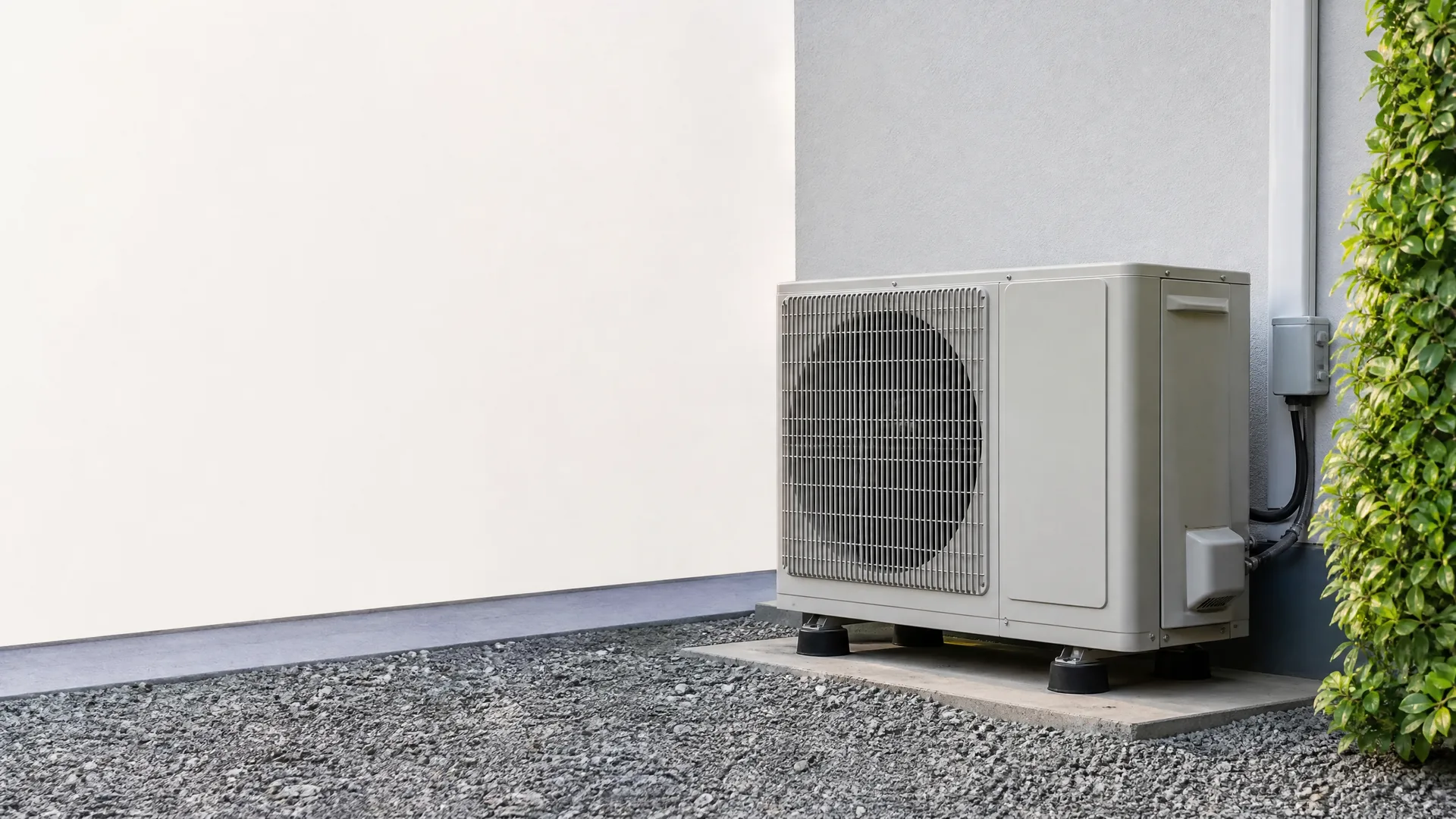
An outdoor air-source heat pump unit with a circular fan grille stands on a concrete pad over gravel beside a light stucco wall, with a green shrub at the right edge.

A heat pump that's losing refrigerant

A unit that's the right size for your house but still runs constantly may be low on refrigerant from a slow leak. Refrigerant carries the heat, whether it's pulling it from winter air or pulling it out of your house in July, and a low charge means it moves less heat per cycle. The system compensates by running longer to make up the difference. This kind of problem gets worse slowly, so a unit that ran fine last year can be struggling now.

Why does my heat pump run constantly but never actually warm up the house?

Why does my heat pump run constantly but never actually warm up the house?

It's losing more heat than it can replace, or putting out less than it should

A heat pump moves heat indoors in a steady stream, not a burst. If the house is losing heat as fast as the unit delivers it, the thermostat never catches up no matter how long the system runs. That can mean a low refrigerant charge, a reversing valve not fully switching over, or a condenser coil caked with dirt and unable to pull enough heat from the outside air. On a cold night here, an outdoor unit already has to work harder to extract heat from 34°F air. If it's also running below capacity for one of those reasons, the gap between what it's producing and what the house needs never closes.

A dark gray outdoor condenser unit on a concrete pad beside a house with beige horizontal siding, with a gray electrical disconnect box and conduit on the wall, mulch beds, a hosta plant, a shrub, and mowed lawn in front.
A unit like this cycles off once the house hits temperature, then sits quiet until it's needed again.
An outdoor air conditioning or heat pump condenser unit on a concrete pad beside a house with horizontal vinyl siding, a gray electrical disconnect box and conduit on the wall, and a concrete walkway in the foreground.
Dirt and age like this make a heat pump work past the point where it should be resting.
  1. Refrigerant runs low and the system can't move enough heat.

  2. The compressor keeps running, trying to make up the difference.

  3. A dirty coil or weak airflow forces longer runtimes to compensate.

  4. The thermostat never sees the set temperature reached, so it never signals stop.

A woman with shoulder-length brown hair in a cream cardigan and top sits in an armchair indoors, looking toward a sunlit window with trees outside.
A woman with hair in a bun sits on a couch holding a sleeping child, both wrapped in a chunky knit blanket, in a dimly lit room with a lamp and bookshelves behind.

What a working heat pump looks like

  • A heat pump that runs nonstop is working past what the weather in Peachtree Corners asks of it, whether the cause is a low charge, a dirty coil or a unit that's undersized.
  • A contractor who services heat pumps in Gwinnett County through both the muggy summers and the cold winters knows which of those causes shows up most.
  • Fixing the actual cause lets the system cycle off again instead of drawing power around the clock.
  • Matching you with one licensed local contractor means a single point of contact handles the diagnosis instead of several companies calling about the same job.
  • The thermostat holding its set temperature is the plain sign the repair worked.
  • A unit that keeps running after the repair points to something else still unresolved, not a system still settling in.

A heat pump that runs nonstop in Peachtree Corners is telling you something specific: a low charge, a dirty coil, a unit that was never sized for your house. None of those fix themselves, and none of them get better with time. What they need is someone who sees this equipment in this county every summer and every winter, and knows which of those causes turns up most often in a unit that won't shut off.

That's what the match gets you. One licensed, local contractor who works on heat pumps through the heat and the cold here, not a handful of companies competing for the job. They diagnose what's actually wrong, not what's easiest to guess at, and they fix the cause instead of the symptom.

You'll know it worked the same way you knew something was wrong. The thermostat holds where you set it. The unit cycles off and stays off until the house actually needs it again. The constant draw on your power stops being constant. If it keeps running past the repair, that's not the system adjusting or settling in. It means something else is still off, and it's worth a call back to whoever did the work.

A heat pump is built to rest when the house is at temperature. That's not too much to ask of it in January or July. When it finally does rest again, that's the whole fix, nothing more complicated than that.

An outdoor air conditioning or heat pump condenser unit on a concrete pad beside a gray horizontal-sided house, with a disconnect box and conduit on the wall and dark shrubbery to the left.

A local pro for your heat pump repair

RepairHeat PumpGwinnett County, GA
Step 1 of 2

What ZIP code is the job in?