
Why heat pumps struggle in muggy Georgia summers

RepairHeat PumpGeorgia
Step 1 of 2

What ZIP code is the job in?

Why does my heat pump struggle to cool my house in Georgia's humidity?

You keep the thermostat where it's always been, but the house still feels sticky, and the heat pump seems to run and run without catching up. You're not looking to let it go until it fails. You want to know what's actually happening before it turns into a bigger repair.

It's pulling moisture out of air that keeps replacing itself as fast as it's removed

A heat pump cools your house by removing both heat and moisture from the air, and in Georgia's humidity there's a lot more moisture to pull out. The coil has to stay cold enough, long enough, to condense that water out of the air before it ever drops the temperature you feel on the thermostat. When the refrigerant charge is low or the coil is dirty, that process slows down. The air feels cool enough leaving the vents but the house still feels damp, because the system is spending its capacity on humidity it can't keep up with. Left alone, this makes the unit run longer cycles to hit the same setpoint, which adds wear on the compressor over time.

A gray outdoor condenser unit on a concrete pad beside a light green lap-sided house, with a wall-mounted electrical disconnect box, mulch bed with shrubs, river rock, and a paved walkway in the foreground.

Coils clear, airflow steady

When the coils stay clean, the heat pump pulls moisture out of the air along with the heat. The unit cycles on, runs a reasonable stretch, and shuts off with the house actually feeling dry. That's what it's supposed to do.


An outdoor air conditioner condenser unit on a concrete pad beside a house with horizontal lap siding, with refrigerant lines entering the wall and a shrub on bare soil to the left.

Coils clogged, moisture stays

Dirt and yard debris caked on the coil block the airflow the unit needs to pull humidity out of the air. The heat pump runs longer to hit the same temperature, and the house still feels damp. Left alone, that strain on the system doesn't fix itself.

Is your heat pump running nonstop but the house still feels damp?

You notice the vents blowing, the unit cycling on more than it should, and the air coming out never quite cuts the clamminess in the room. Floors feel tacky. Windows fog up on the inside. A musty smell settles into closets or the basement, and towels left on a rack take longer to dry than they used to. None of this is loud or obvious at first. It shows up as a feeling in the house more than a sound from the equipment. Left alone, that extra moisture gives mold and mildew a place to take hold, and a system working this hard to keep up puts more strain on itself than it was built for.

A gray outdoor air conditioner condenser unit on a concrete pad beside a house with horizontal siding and an electrical disconnect box, surrounded by grass.

A heat pump moves heat, not just makes it

In cooling mode, the heat pump pulls heat out of your house and pushes it outside. Pulling moisture out along with it depends on the air moving across the indoor coil slowly enough to let that moisture condense. A dirty filter, a clogged coil, or a low refrigerant charge speeds that air past the coil or drops the coil's temperature, and less water gets pulled out even while the house gets colder.

A white outdoor heat pump unit on a concrete pad beside a house with horizontal lap siding, with a plain light wall and grass lawn to the left.

Georgia's air carries more to remove

Humid air holds more moisture than dry air for the same temperature, so a heat pump here has more water to pull out of the air than one running the same hours in a dry climate. If the system is sized or set up for temperature alone, it can hit the thermostat setting and shut off before it's removed enough moisture, leaving the house cold but still damp. That's a different failure than the unit simply not cooling.

Fan Speed Makes the Difference

Running low and slow

  • A heat pump set to run at low speed keeps air moving across the coil slowly, giving it time to pull moisture out before it reaches your rooms.
  • The house holds around 50 percent humidity even when the thermostat hasn't moved, because the unit is doing the dehumidifying work on its own schedule.
  • Runtimes stretch longer per cycle, but that's the coil doing its job, not a sign something's wrong.
  • A contractor can set fan speed to match Georgia's humidity rather than just the temperature on the thermostat.
  • Shorter, faster cycles might cool the air quicker, but they skip past the slow pass the coil needs to wring out the moisture.

Running hard and still damp

  • A heat pump pushed to high fan speed moves air across the coil too fast for condensation to form and drain off.
  • The thermostat reads satisfied, but the air coming out of the vents still feels wet against your skin.
  • Humidity climbs past 60 percent indoors even while the unit cycles on and off right on schedule.
  • Mold and mildew get a foothold in closets and bathrooms once the air inside stays damp this long.
  • A contractor who only checks temperature at the vent can miss this, since the thermostat shows nothing wrong.
A gray outdoor condenser unit on a concrete pad beside a house with horizontal lap siding, connected by conduit and lines to a wall-mounted disconnect box, with a shrub and gravel bed to the left.

Working as it should

This is a heat pump that's keeping up. The coil underneath that guard is clean, so air moves across it the way it's supposed to, and the condensate line stays clear. Outside, nothing blocks the fan or the coil fins, so the unit breathes.

An outdoor air conditioner condenser unit on a concrete pad beside a house with horizontal lap siding, with refrigerant lines and a gray electrical disconnect box on the wall, surrounded by bare dirt.

Fighting through grime

Dirt packed into the coil guard and fan grille like this cuts off airflow before it ever reaches the coil inside. The heat pump has to run longer to move the same heat, and it pulls less moisture out of the air while it does. A repair tech can tell you how much of this is behind your humidity problem.

A woman in a cream cowl-neck sweater stands in a lamp-lit room looking out a window at a snow-covered yard with shrubs and bare trees at dusk.
A woman in a gray turtleneck sweater stands near a large window in a lamp-lit living room, looking out at falling snow and snow-covered conifers.
A woman in a chunky knit sweater stands by a large window looking out at snow-covered ground, with a dimly lit living room containing a gray sofa, framed artwork, shelves and table lamps behind her.
A woman in a gray turtleneck sweater stands in a dimly lit living room with a lamp and bookshelves, looking out a multi-pane window at falling snow.
An outdoor condenser unit on a concrete pad beside a light-colored lap-sided house, with a trimmed hedge, mulch bed and mowed lawn nearby and an electrical box and conduit on the wall.

A pro who works on heat pumps

Describe what your heat pump is doing once, in one form.

Describe your heat pump job, and a local pro who handles it gets in touch.

Skip the search

There's no charge for the request.

A gray outdoor condenser unit on a concrete pad beside a light-colored lap-sided house, with a wall-mounted disconnect box, refrigerant lines, mulch bed and shrubs, and a concrete walkway in the foreground.
A clean unit like this one sits level and clear, with nothing crowding the coil or the fan above it.
An outdoor air conditioner condenser unit with rust spots on its top grille sits on a concrete pad beside a house with light horizontal siding, with conduit lines and an electrical box on the wall and a mulch bed to the right.
Rust on the grille and dirt packed around the base are a sign airflow has been cut down for a while.

A heat pump is built to handle heat and humidity together, but the sizing math behind it doesn't always account for a Georgia summer. If it's sized closer to a dry climate's needs, it cools the air fast and satisfies the thermostat before the coil has pulled much moisture out. A single-speed unit makes this worse. It only has one gear, full output, so it drops the temperature quickly and shuts off while the room still feels damp. A two-stage or variable-speed system does better here because it can hold a low, steady speed that keeps air moving across the coil slowly, giving moisture time to condense out. Short cycling, whether from an oversized unit or a clogged filter, cuts that process short no matter what stage the system is in. On top of the moisture problem, a heat pump carries a reversing valve that switches it between heating and cooling, a part a plain air conditioner doesn't need to have. Between winter defrost cycles and summer cooling demands, the compressor logs more hours over a year than equipment that only runs one season.

Why the equipment works against you

  • A heat pump sized to handle a dry climate's heat load can satisfy the thermostat in Georgia before it's run long enough to pull out the moisture.
  • Two-stage and variable-speed systems stay on low speed longer in muggy weather, giving the coil more time to condense moisture before the house cools enough to shut it off.
  • A single-speed heat pump jumps straight to full output, cools the air fast, and shuts off while the humidity in the room is still high.
  • Short cycling from an oversized unit or a dirty filter means the coil never stays cold long enough to do more than lower the temperature.
  • The reversing valve that switches a heat pump between heating and cooling adds a failure point that a straight air conditioner doesn't have.
  • A heat pump's defrost cycle in winter and its cooling demands in summer put more hours on the same compressor than equipment that only runs half the year.
A bearded man in a plaid flannel shirt sits indoors looking out a window at snow-covered trees, with a steaming mug on the sill and wooden kitchen shelves behind him.
A bearded man in a navy T-shirt sits on a light-colored couch indoors, smiling while looking down at a laptop screen in the foreground, with a framed picture and a potted plant blurred behind him.

A short cycle leaves moisture behind

A heat pump that's oversized for the house cools the air fast and shuts off before it's moved enough air across the coil to pull the moisture out. The thermostat reads satisfied. The house doesn't feel it. Short, frequent cycles are efficient at dropping temperature and poor at drying the air, and in Georgia summers that gap is what you notice first. A system running the right size for the house takes longer on each cycle, which is exactly the time the coil needs to do the other half of its job.

A thermostat built for heat, not humidity

Most thermostats watch one number: temperature. They tell the heat pump to stop once the room hits the set point, whether or not the air is still damp. A thermostat with a humidity setting, or a separate dehumidistat, can keep the system running a little longer when the air is sticky even after the temperature's been met. Without one, you're left bumping the temperature down a few degrees to force longer runtimes, which cools the house more than you need and still may not dry it out.

Power costs 14.74 cents per kilowatt-hour statewide

Since your house heats and cools with electricity, every extra hour your heat pump runs chasing humidity shows up on the bill at 14.74 cents per kilowatt-hour. A unit short-cycling instead of running low and slow isn't just leaving the house damp, it's using power without pulling its weight.

EIA-861 2025 statewide residential average

A refrigerant charge that's right pulls moisture out of the air along with the heat, because the coil runs cold enough and long enough to do both jobs at once.

A system low on refrigerant cools the air some but never gets the coil cold enough to wring the moisture out, so the house ends up cool and still clammy at the same time.

An outdoor air conditioner condenser unit on a concrete pad beside a house with horizontal siding, with conduit, cables and an electrical box on the wall and mulch beds at either side.
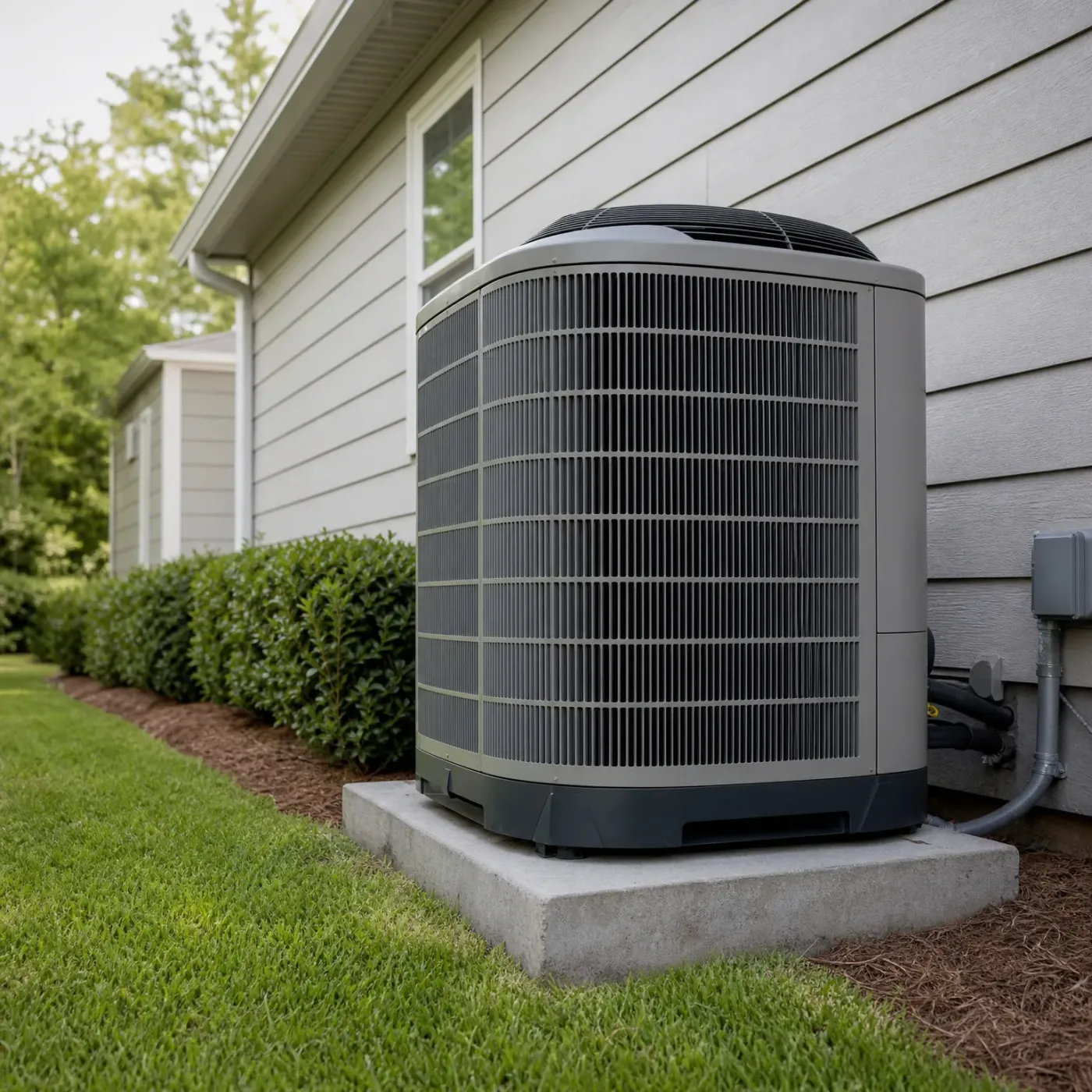
Before you get your heat pump repair
A light gray outdoor heat pump unit mounted on a concrete pad beside a house with horizontal lap siding, with refrigerant lines and conduit running to a wall-mounted electrical box, gravel and a leafy shrub nearby.
After you get your heat pump repair
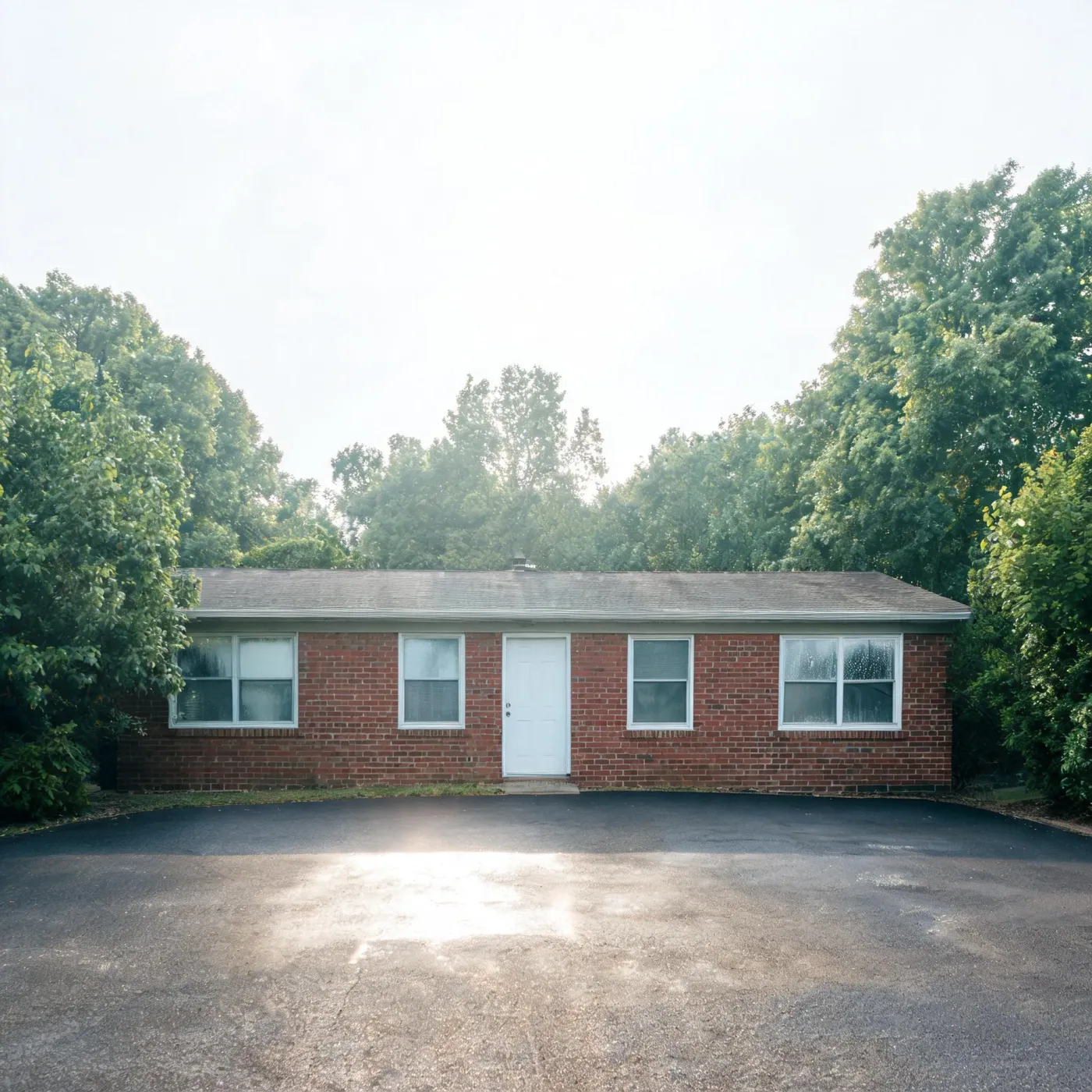
A single-story red brick house with a white door and white-framed windows, backed by dense green trees and fronted by a large asphalt parking area under hazy bright sky.

Weather service data for Georgia puts the summer dew point at an average of 68°F across June, July and August. That's the number that tells you how heavy the air actually is, separate from the temperature on the thermostat. A heat pump cooling that air has two jobs at once: pull out the heat, and pull out the moisture riding along with it. At a dew point that high, the coil has to run cold and the air has to move across it slowly for both to happen. If the system can't keep up, you get what you already notice at home, a house that reads cool on the thermostat but still feels damp against your skin.

NASA POWER T2MDEW county cells weighted by homes

A heat pump in Georgia has two jobs, cooling the air and pulling the moisture out of it, and a system that's short-cycling, low on charge, or running a dirty coil can only manage the first one. The thermostat reads satisfied while the house still feels damp, and that gap is usually a sign something fixable is off, not a sign to live with it. Finding who can look at it is its own chore: searching for a contractor who works on heat pumps, calling around to see who can come out, explaining the same thing about the sticky floors and the short cycles to each one, then sitting with a stack of quotes trying to tell them apart. Submitting this gets that part out of your hands. A contractor who handles heat pump repair in your area gets in touch with you directly, and you explain your situation once, to them.

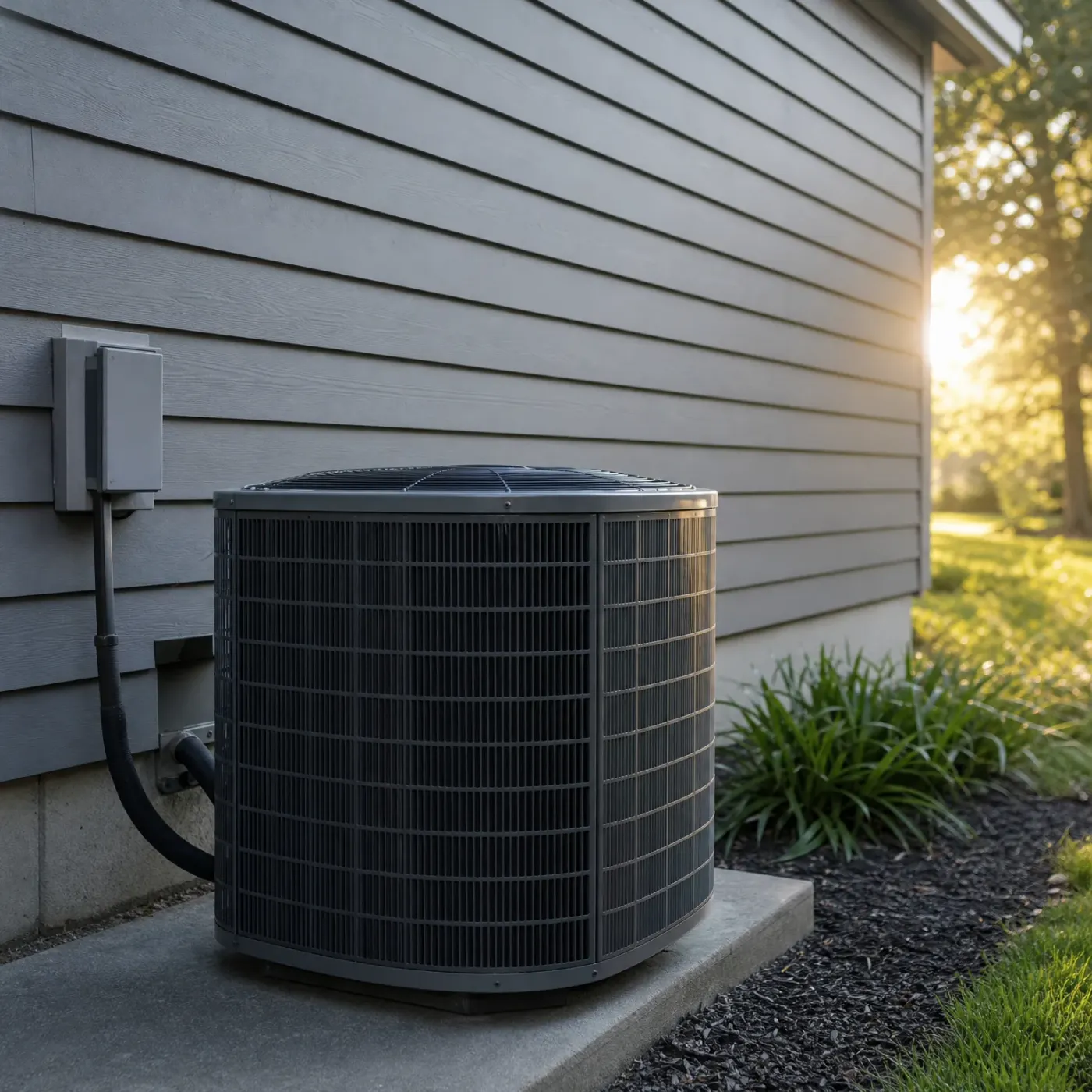
An outdoor air conditioner condenser unit on a concrete pad beside a gray horizontal-lap-sided house, with an electrical disconnect box and refrigerant line on the wall, grass, shrubs and a tree with low sun behind.

Get your heat pump to the right pro

Skip the calls

Answer a few questions instead of calling shop after shop.

You only hire the pro if you want to.