An outdoor air conditioning condenser unit on a concrete pad beside a house with horizontal siding, with an electrical disconnect box on the wall and shrubs to the right in low evening light.

An air conditioner pro near you

Why your AC runs all day in Georgia summers

Your AC kicks on in the morning and the thermostat still says it's running at dinner. With Georgia humidity, that's not always a sign of trouble, but sometimes it is. This page walks through what keeps a unit running long and what it means when it never seems to stop, so you know which one you're dealing with.

Connect with a pro

Your AC runs all day because it's not just cooling the air, it's wringing the moisture out of it. Georgia summers stay muggy for months, and that moisture load keeps the system working even after the thermostat number is met. A unit sized right for your house will often run long stretches on the hottest, wettest days, and that alone isn't a problem. It becomes one when the long runtime stops lowering the humidity or the temperature at all, when the air coming out of the vents feels barely cool, or when the system never cycles off even overnight with the house empty. Those point to something making the equipment work harder than it should: a dirty coil, a low refrigerant charge, a blocked filter, or a unit that was undersized or oversized for the house from the start. The runtime itself isn't the warning. What it fails to do while it runs is.

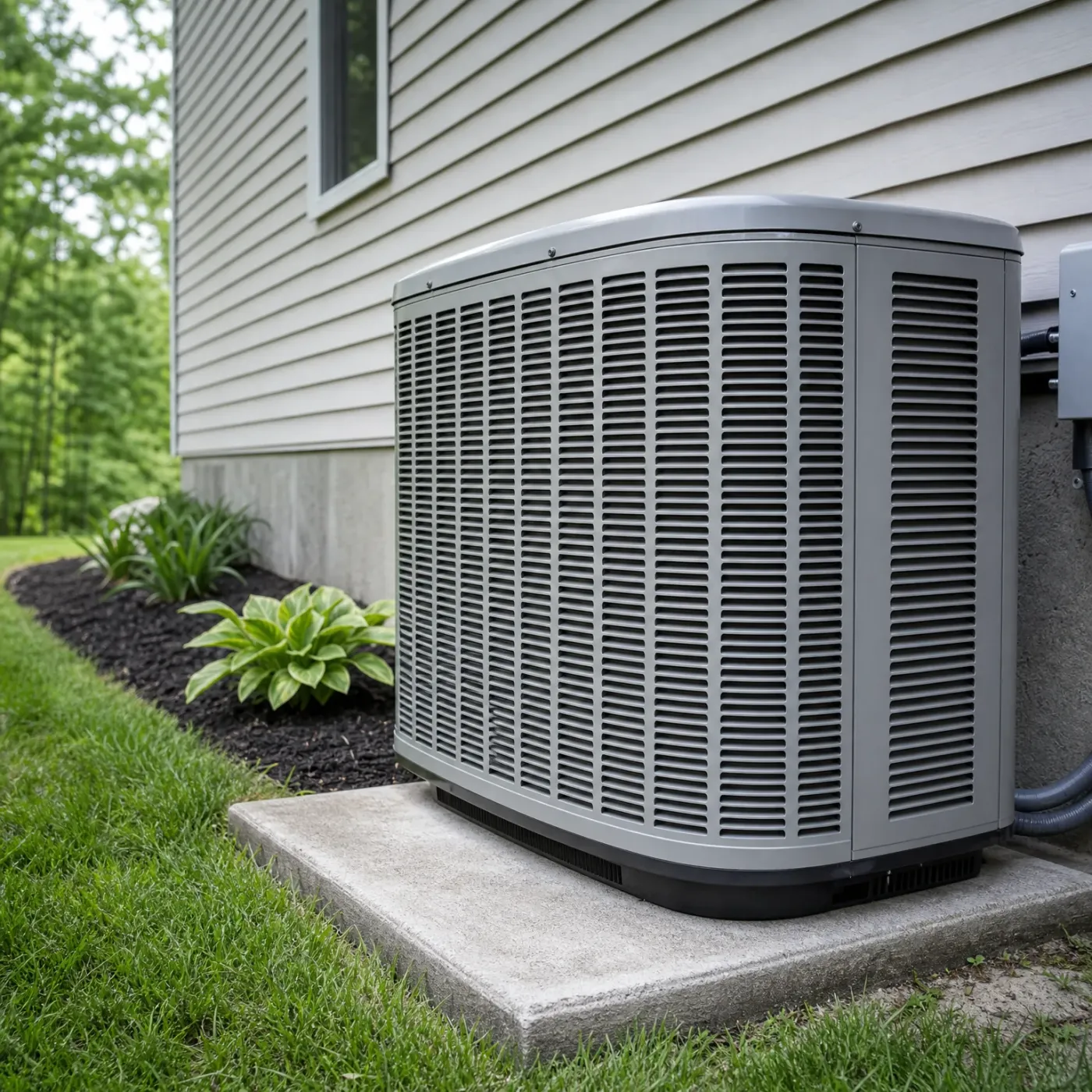
A gray outdoor air conditioner condenser unit on a concrete pad beside a house with horizontal vinyl siding, surrounded by mulch, flowering shrubs, and lawn.
A clean condenser outside, mulch and grass around it, moves heat out the way it was built to and still runs long hours in Georgia humidity.
A weathered outdoor air conditioning condenser unit on a concrete pad beside a house with light horizontal siding, an electrical disconnect box and conduit on the wall, and mulched soil on either side.
A condenser with coils packed in dirt and grime can't shed heat well, so it runs longer still and strains to keep up.

What's Actually Happening Inside the Cycle

  • The system pulls air across the indoor coil, and the coil has to stay cold enough to pull moisture out of it, not just drop its temperature.
  • That moisture condenses on the coil and drains out through the condensate line, which is why you see a trickle or a drip near the outdoor unit on a humid day.
  • The thermostat only tracks temperature, so it calls for cooling to stop once the air hits your setpoint, even if the coil hasn't pulled out as much moisture as the air still holds.
  • A unit that's sized right for your house runs long stretches on purpose, because shorter cycles don't give the coil enough time to dehumidify before the thermostat is satisfied.
  • The outdoor unit has to reject the heat the indoor coil absorbed, so anything that slows that exchange, like a dirty condenser, makes the whole cycle take longer.
  • Low refrigerant charge means the indoor coil can't get cold enough to pull moisture out efficiently, so the system stays on trying to finish a job it's not equipped for.

Air moves across the indoor coil, and the refrigerant inside that coil pulls heat out of it. As the coil cools, moisture in the air condenses on its surface the same way water beads up on a cold glass. That water runs down into a drain pan and out through the condensate line, which is why you'll sometimes see a drip near the outdoor unit when the air is heavy. The thermostat doesn't know any of this is happening. It only reads temperature, so once the air hits your setpoint, the system shuts off, whether or not the coil finished pulling moisture out of that air. On a muggy day, that means the coil needs more time running cold before the air actually feels dry, not just cool. A system sized correctly for your house is built to run in long stretches for exactly this reason. Short bursts cool the air fast but don't give the coil time to do the dehumidifying work, so the air feels clammy even at the right temperature. Meanwhile the outdoor unit has its own job: it has to dump the heat the indoor coil just absorbed. Anything that slows that exchange, a dirty condenser, blocked airflow, low refrigerant, makes the whole loop take longer to finish. The compressor runs, the coil tries to catch up, and the thermostat keeps waiting for a number that takes longer to reach than it should.

A woman with long blonde hair in a light blue shirt leans back on a beige sofa with her eyes closed, in a softly lit living room with cushions and a blurred plant and shelf in the background.
A woman with long dark hair in a gray knit sweater sits on a gray sofa with a cushion, looking toward a window in a living room with framed pictures and a lamp in the background.
A woman with long dark hair in a light grey knit sweater sits on a sofa indoors, looking to her right, with a framed landscape picture, a potted plant and a curtained window behind her.
A woman with long dark hair leans back against a gray sofa with her eyes closed, in a living room with a curtained window, a potted plant, and a dark screen in the background.

What long run times actually cost

A unit that runs most of the day in July pulls power the whole time it runs. Power here is typical in price, so a system working long hours shows up on the bill even without anything wrong with it. The cost difference shows up between a unit that cycles off for stretches and one that barely stops. If the runtime has crept up from where it was last summer, with no change in the thermostat setting, that's worth having someone look at before the bill climbs further.


When long hours mean something's wrong

A refrigerant charge that's low makes the system move less heat per hour it runs, so it stretches the cycle to catch up and still may not reach the set temperature. A failing capacitor can keep the compressor starting hard every cycle, which adds strain without adding cooling. Either problem shows up the same way from inside the house, as a unit that won't shut off, and the only way to tell them apart from normal Georgia humidity load is to have someone check the charge and the electrical parts directly.

A smiling older woman with gray shoulder-length hair in a cream cable-knit turtleneck sweater stands behind a wooden board holding a round loaf of bread, in a warmly lit kitchen with a dark window and shelves behind her.
A woman with her hair in a bun sits wrapped in a beige knitted blanket on a couch, holding a sleeping child against her chest in a warmly lit room with a lamp and houseplant in the background.
A gray outdoor air conditioner condenser unit on a concrete pad beside a house with horizontal lap siding, with a wall-mounted disconnect box and conduit to its right and shrubs to the left.

Running long but doing its job

This condenser sits clean on its pad, coils clear, shrubs trimmed back so air moves through it. It can run most of the afternoon in July and still be working the way it should. Long run time alone doesn't mean something's wrong.

An outdoor air conditioning condenser unit on a concrete pad beside a house with horizontal lap siding, with a conduit and electrical disconnect box on the wall at right.

Running long and losing ground

This one's coil guard is caked with dirt and grime. A unit this dirty can't shed the heat it pulls from inside your house, so it runs longer and still can't catch up. If your indoor temperature keeps drifting from the thermostat setting, a technician can check whether this is why.

An outdoor air conditioner condenser unit on a concrete pad beside a house with light gray vinyl siding, with a gray electrical disconnect box and conduit on the wall, gravel beds and dried plants nearby, and a concrete sidewalk in the foreground.
Before you get your air conditioner repair
A gray outdoor air conditioning condenser unit on a concrete pad beside a house with horizontal siding and a stone veneer base, with a wall-mounted disconnect box and conduit, next to a shrub bed and a concrete patio.
After you get your air conditioner repair
A gray outdoor air conditioning condenser unit on a concrete pad beside a house with light horizontal siding, with a mulched planting bed and lawn to the left.

A local pro for your air conditioner repair

Describe what your air conditioner is doing once, in one form.

A local pro who knows air conditioners gets your details and gets in touch.

Find a pro near me

It costs nothing to send, and you don't have to hire anyone.

Running Long, or Running Into Trouble

Normal long run time

  • The unit runs most of the day but the house stays at the temperature you set and feels dry, not clammy.
  • Short cycling never shows up, the system starts in the morning and runs steady rather than clicking on and off.
  • The outdoor coil stays clean and the area around it is clear, so heat still moves out the way it should.
  • Your power bill runs higher in July and August than in spring or fall, matching the longer run time.
  • Vents still blow cold air after hours of running, and the air handler closet doesn't sound strained.

Long run time with a problem

  • The house never quite reaches the temperature on the thermostat, even after the unit has run for hours.
  • Air coming from the vents feels warm or only slightly cool instead of cold.
  • You notice ice on the indoor coil or on the copper line running to the outdoor unit.
  • The system short cycles, shutting off after a few minutes and starting again rather than running steady.
  • Water shows up around the indoor unit or the condensate line isn't draining the way it used to.
  • The outdoor condenser is caked with dirt or hemmed in by grass and shrubs that block airflow.
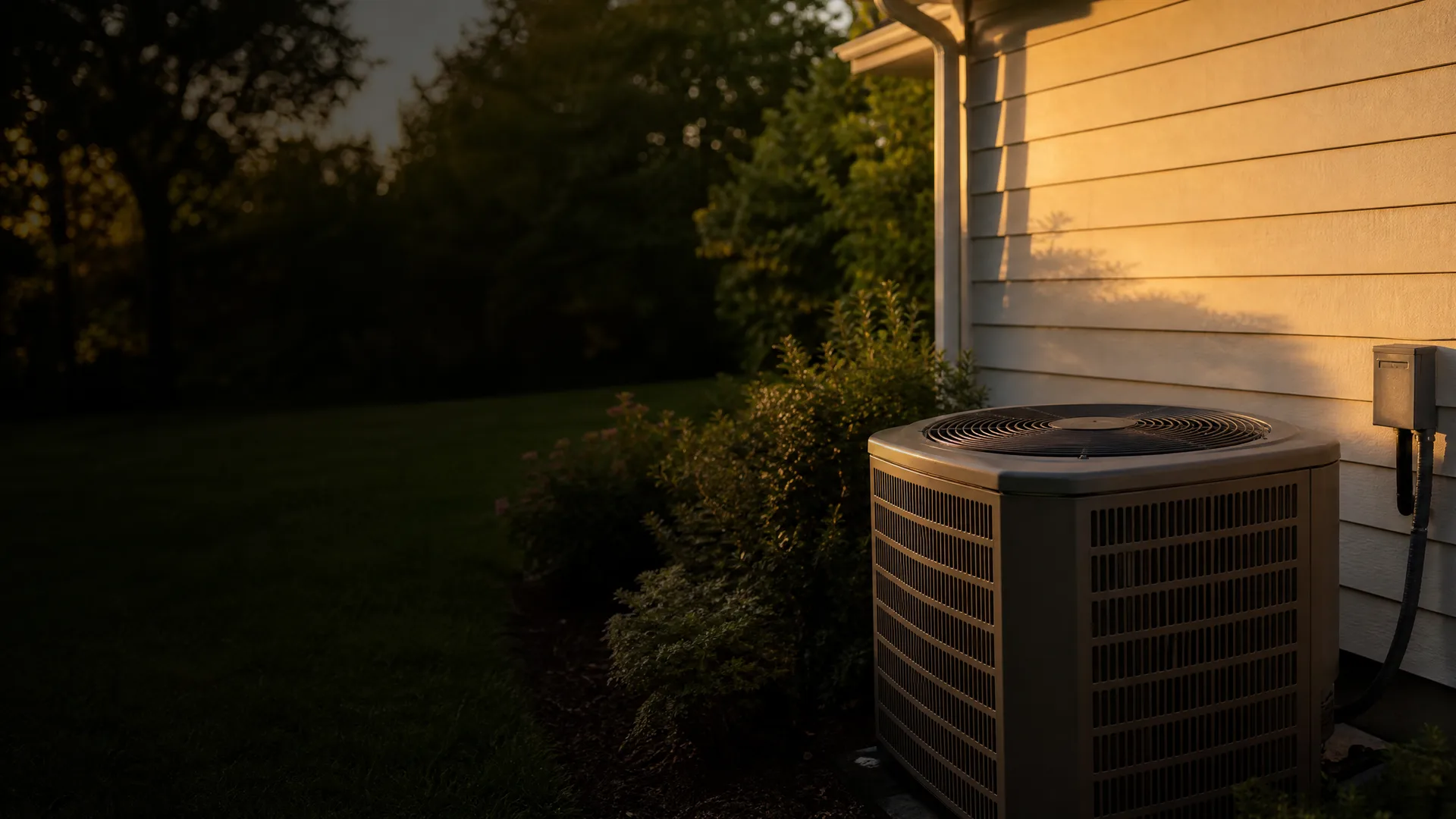
An outdoor air conditioner condenser unit beside a light-colored lap-sided house with an electrical disconnect box on the wall, surrounded by shrubs and lawn in low evening light.

By seven that evening the light had gone flat and gold over the yard, and the air still hadn't let up. You walked past the side of the house and noticed it before you placed it, the quiet. The condenser sat there with its fan not turning, no hum, nothing moving behind the grille. Inside, the thermostat still read four degrees over setpoint, climbing. The kids were in the living room with a box fan pulled in from the garage, and your spouse had the back door propped open for whatever breeze might come through the screen. You crouched by the unit and felt no air pulling through it at all, just the heat sitting there, same as the yard around it.

Power costs 14.74 cents per kilowatt-hour statewide

At 14.74 cents per kilowatt-hour, every hour your AC runs through a Georgia summer lands on the bill. A system that runs long because it's fighting humidity isn't wasting power, it's doing the job. But if the condenser's dirty or the charge is low, those same hours cost more than they should.

EIA-861 2025 statewide residential average

  1. Thermostat calls for cooling when indoor temperature rises above the set point

  2. Indoor blower pulls warm, humid air across the evaporator coil

  3. Refrigerant inside the coil absorbs heat and pulls moisture out of the air

  4. Water condenses on the coil and drains out through the condensate line

Why does my AC run longer than my neighbor's?

Your neighbor's unit shuts off and yours is still going, same afternoon, same heat outside. It's natural to wonder if that means your system has a problem theirs doesn't, or if you're just paying more to stay comfortable for no good reason.

Different houses, different loads on the system

A longer run time usually comes down to what the system is up against, not what's wrong with it. A house with more west-facing windows, less shade, or a leakier attic takes on more heat through the day, and the unit has to run longer to offset that. Two houses on the same street can have different insulation, different duct runs, even a different size unit for a similar square footage. None of that shows up from the curb. If your house stays at the temperature you set and feels dry inside, the longer run time is probably just your house's load, not a fault. It's worth comparing only if your system runs long and still can't keep up.

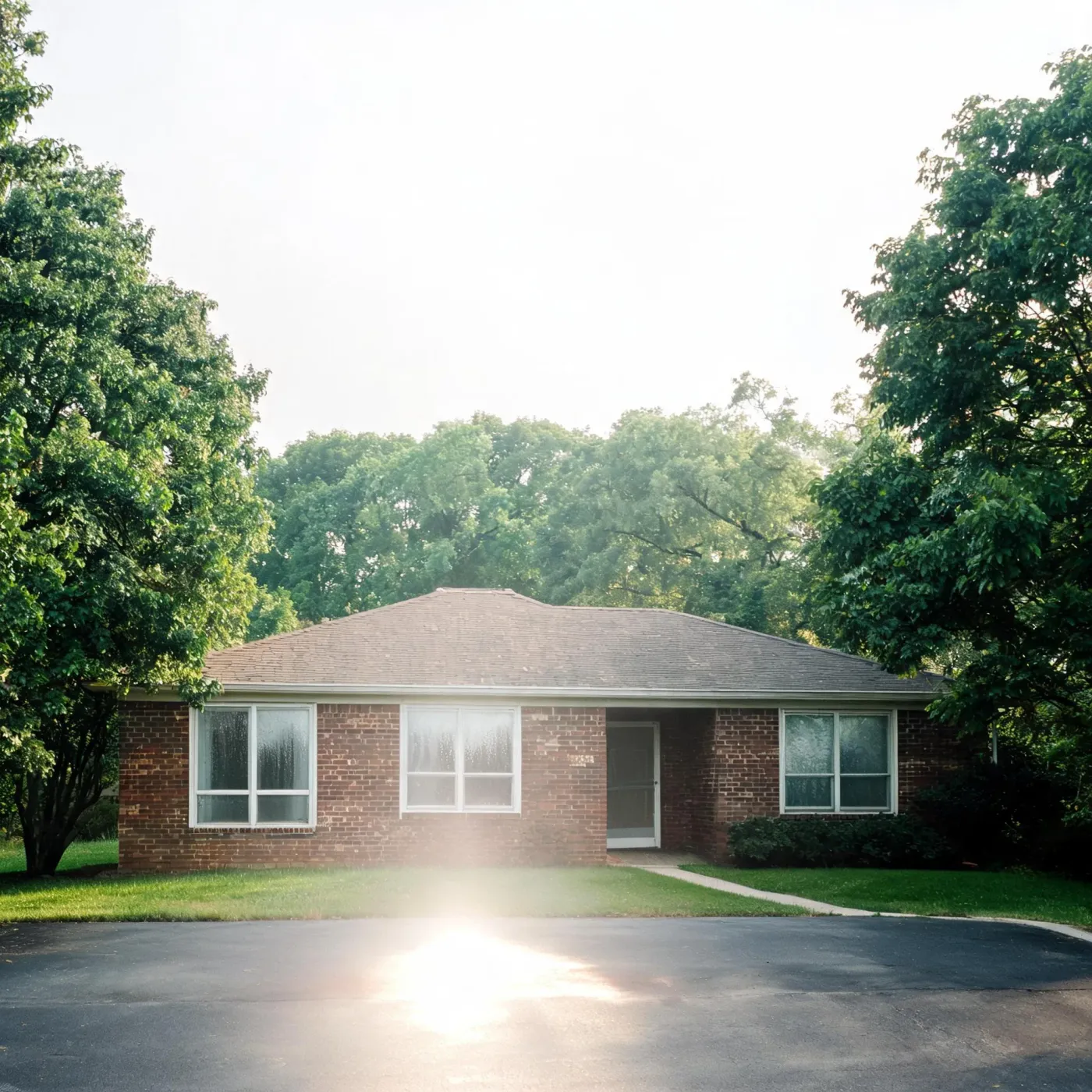
A single-story red brick house with a hipped shingle roof, large windows and a recessed front door, set behind a lawn and asphalt driveway with sun flare, framed by leafy green trees.

NOAA's records put the summer dew point across Georgia at an average of 68°F for June, July and August. That's the number that tells your AC how hard it has to work, more than the thermostat reading does. Air that heavy holds a lot of moisture, and your system has to pull that moisture out before the house feels dry, not just cool. That takes longer than dropping the temperature alone, which is why the unit keeps running well past the point where the air outside feels like it should be done. On a day when the dew point sits near that mark, expect your AC to run long hours just doing what the air is asking of it.

NASA POWER T2MDEW county cells weighted by homes

A man with a duffel bag walks up a concrete path toward a white board-and-batten house where a woman stands in the open wooden front door, flanked by potted plants and black lanterns.

So the long run time itself isn't the answer

A Georgia summer asks your AC to run long. That's the dew point, not a broken part. What tells you something's wrong is everything around the run time: the house not cooling down, a smell at the vents, ice on the line, the bill climbing past what long hours alone explain. You've read through what's normal and what isn't. Now you know which one you're looking at.

If what you're seeing matches the signs of a real problem, that's worth having someone look at rather than waiting it out. You don't have to spend your evening calling around and repeating the same description of what the unit's doing. Answer a few questions about your system and a contractor who handles this kind of repair in your area will reach out to you directly, so the next step is a conversation about your specific unit, not another search.

A shallow dark wooden bowl and a stack of books rest on a wooden table in front of a beige sofa with linen and green cushions, with a tall ceramic vase of thin branches beside a window in the background.
An outdoor air conditioner condenser unit sits on a concrete pad beside a house with horizontal lap siding, with a refrigerant line, electrical disconnect box, a concrete driveway and dark trees in the background.

Get the right pro for your air conditioner

Answer a few questions instead of calling shop after shop.

RepairCentral ACGeorgia
Step 1 of 2

What ZIP code is the job in?