

Profile view of a bearded man wearing a black baseball cap and a dark gray t-shirt against a plain white background.

Why your heat pump bill jumps in a Georgia winter

RepairHeat PumpGeorgia
Step 1 of 2

What ZIP code is the job in?

Why does my heat pump bill jump in winter?

Your heat pump is keeping everyone warm, and then the bill comes in higher than you expected. You're not imagining it. Heat pumps work differently than a furnace, and the colder it gets outside, the harder yours has to work to pull enough heat into the house. In Georgia, where most homes run on electric heat, that extra work shows up directly on your power bill.

It works harder as the temperature drops, and that costs more

A heat pump moves heat from the outside air into your house instead of burning fuel to create it. When it's 50 degrees out, that's an easy job. When a cold snap pushes nights into the 30s, there's less heat out there to grab, so the unit runs longer to keep the house at the temperature you set. Some systems also switch on backup electric strip heat during the coldest stretches, and that draws a lot more power than the heat pump alone. Georgia winters don't stay cold for long, but the nights that do get cold are usually what drives the jump you're seeing on the bill.

A dimly lit bedroom at dusk with a made bed, a table lamp on a nightstand, and a condensation-covered sash window with a dark curtain.

It's January, past ten at night, and the house is quiet except for the air handler running again. You've got a blanket pulled up to your chin and you're still not warm. The vents are blowing, you can hear them, but the air coming out feels cool against your hand when you hold it up. Outside the temperature dropped into the 30s after dark and hasn't let up. You get up to check the thermostat. It says 70. It doesn't feel like 70. You turn up the dial anyway and lie back down, listening to the unit outside keep working, wondering why it won't catch up tonight.

Is your heat pump running nearly all the time now?

You notice the air handler kicks on more than it used to, and it stays on longer before the house feels warm. The air coming out of the vents feels cool rather than hot, even though the system is working. Some rooms stay chilly no matter how high you set the thermostat. You might hear the outdoor unit running during the coldest part of the night, or notice frost built up on it in the morning. If the system keeps running without ever quite catching up, the backup electric heat may be kicking in behind it, and that's what drives the bill up fast. Left alone, a heat pump working this hard can wear down parts faster than it should.

A gray outdoor heat pump unit on a concrete pad beside a house with horizontal lap siding, connected by conduit and a flexible line to a wall-mounted disconnect box, with low shrubs and mulch nearby.

Running the way it should

A heat pump that's keeping up cycles on, warms the house, and shuts off. The outdoor unit runs steady, not constant, and the air coming through the vents feels warm against your hand. Your bill moves with the cold snaps, but it settles back down once temperatures climb again.


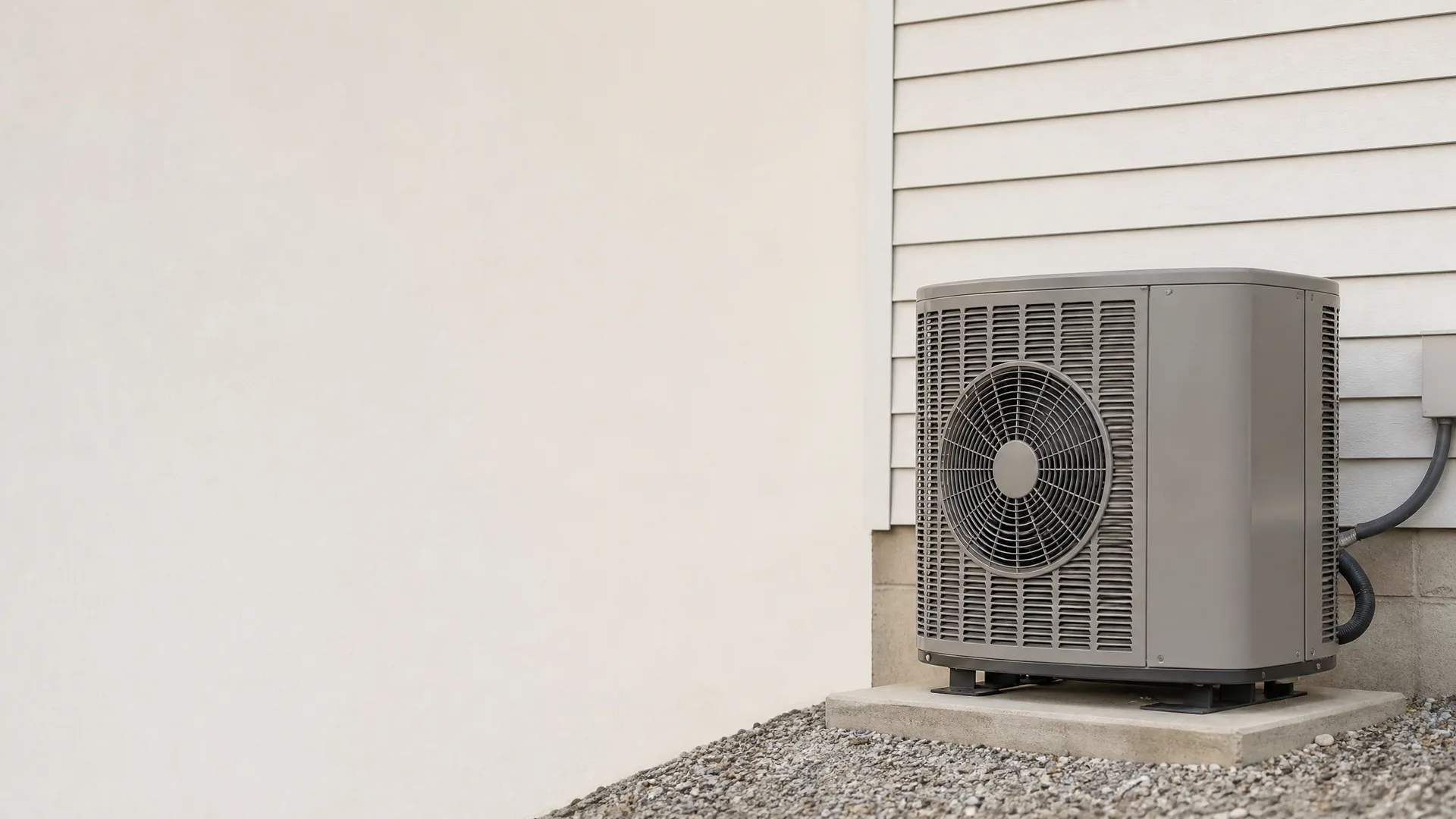
An outdoor air conditioner condenser unit on a concrete pad beside a house with beige horizontal siding, with conduit running from an electrical box on the wall.

Struggling to keep up

A heat pump that's struggling runs long stretches without shutting off, and the house still doesn't feel warm. Backup heat strips may be kicking in more than they should, and that draws a lot more power. That's often what's behind a bill that jumped and stayed high.

A woman in a gray turtleneck sweater sits on a beige sofa in a living room, looking toward a curtained window with blurred greenery outside.
A woman in a brown knit sweater leans back on a sofa with her eyes closed and arms spread along the cushions, in a blurred indoor room with a window, potted plant and kitchen counter behind her.
A woman in a cream sweater sits on a gray sofa with textured cushions, smiling and looking off to the side, with a blurred living room, plants and a pendant lamp behind her.
A woman in a dark green sweater sits on a gray sofa in a living room with a large houseplant, a framed picture, a fireplace, and windows in the background.

Where the extra heat comes from

  • A heat pump moves heat from outside air instead of burning fuel, so it works harder as the air outside gets colder.
  • Below about freezing, heat pumps in Georgia lose capacity and lean on electric strip heat to make up the difference.
  • Strip heat is a set of electric resistance coils in the air handler, and they draw far more power than the compressor alone.
  • The outdoor unit frosts over in cold, damp weather, so it runs a defrost cycle that briefly reverses the system and uses backup heat to keep the air warm.
  • A thermostat set to recovery mode after being turned down can trigger strip heat to catch the house up fast, which costs more than steady heating.
  • The colder the night, the more those coils run, and that is what shows up as a jump on the bill.

A heat pump heats by pulling warmth out of the outside air, not by burning anything, and that works fine most days in Georgia. The trouble starts when the air outside gets cold enough that there is not much heat left to pull. Once temperatures drop toward freezing, the outdoor unit can't keep up on its own, so the system brings in electric strip heat to cover the gap. Those are resistance coils sitting in the air handler, the same idea as a space heater, and they pull far more electricity than the compressor does by itself. On a cold, damp night the outdoor unit will also frost over. When that happens it runs a defrost cycle, which reverses the system for a few minutes and leans on that same strip heat so the air inside doesn't turn cold while it defrosts. The thermostat plays into this too. If it gets turned down during the day and then set back up in the evening, the system may go into recovery mode and call for strip heat to close the gap fast rather than warming the house gradually. None of this is a malfunction. It's how the equipment is built to handle weather it wasn't primarily designed around. But it means the coldest nights of the year are the nights that strip heat runs the most, and that is what you see reflected in the bill the following month.

A gray outdoor heat pump unit on a concrete pad beside a house with horizontal lap siding, with a conduit running to a wall-mounted disconnect box and a green shrub to the left.
The coil is clean and the area around the base is clear, so outside air moves through the unit the way it's supposed to.
An outdoor air conditioner condenser unit on a concrete pad beside a house with horizontal vinyl siding, with refrigerant lines and an electrical disconnect box on the wall and dry leaves on the ground.
Dirty coil fins and leaves piled against the base choke airflow, and the unit works harder to pull in the heat it needs.
  1. Thermostat calls for heat and the heat pump starts in normal mode.

  2. Outdoor unit pulls heat from the cold air into the refrigerant.

  3. Below about freezing, the heat pump can't keep up alone.

  4. The system brings on electric strip heat to fill the gap.

An outdoor condenser unit on a concrete pad beside a horizontal-sided house, with insulated refrigerant lines running to a wall-mounted box, surrounded by bare dirt.
Before you get your heat pump repair
A gray outdoor condenser unit on a concrete pad beside a house with horizontal lap siding, with a wall-mounted disconnect box, conduit and insulated refrigerant lines, a shrub at left and gravel at right.
After you get your heat pump repair

A pro who works on heat pumps

One request and the search for a pro is handled.

Sending the form costs nothing.

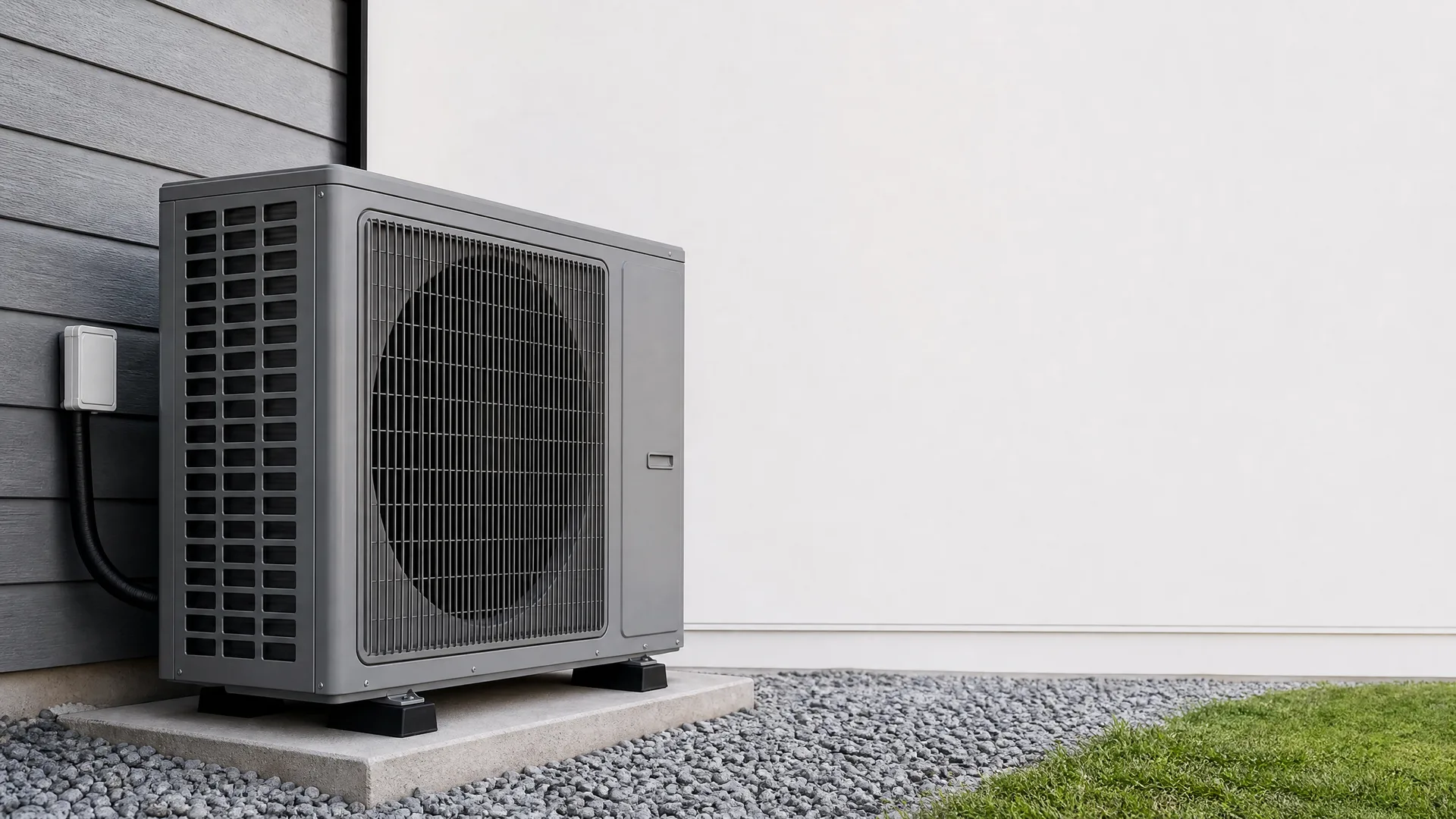
A gray outdoor heat pump unit on a concrete pad beside a house with dark horizontal siding and a plain white wall, surrounded by gray gravel next to a strip of grass.

Defrost cycles add to the bill

When frost builds up on the outdoor coil, the heat pump reverses itself for a few minutes to melt it off. During that time it's actually running in cooling mode, and the strip heat kicks on so the air coming out doesn't blow cold. Georgia winters stay wet enough that this can happen several times a day during a cold stretch, and every cycle pulls from strip heat, not the heat pump itself.

A gray outdoor heat pump unit on a concrete pad over gravel, beside a house with horizontal siding and an adjoining light stucco wall.

Strip heat has no thermostat of its own

The outdoor unit modulates how hard it works based on the temperature, but strip heat doesn't scale down the same way. It's either on or off, pulling full power whenever the system calls for it. On a night in the 20s, strip heat might be filling in for hours at a time, and that's the part of the system with no efficiency to lean on.

A woman in a cream sweater stands in an open doorway of a single-story house with horizontal siding and a stone-veneer base, facing a man in a blue shirt with a bag strap seen from behind in the foreground.

What that jump actually costs your house

Strip heat draws a lot more power than the heat pump running on its own, and on a cold stretch it can be on for hours at a time, in the background, while everyone's just living in the house. Nobody turns it on. It kicks in on its own when the outdoor unit can't keep up, which in a Georgia winter can be most mornings in January. You won't see it happen. You'll see it on the bill, and by then it's already added up.

If the heat pump is leaning on strip heat more than it should, that's usually a sign something's off with the system itself, not just the cold snap. A contractor who looks at your unit can tell you whether this is normal for your equipment or whether a repair would bring that bill back down. Once you request that, finding the right person for your house is off your plate.

A living room corner with a light beige sofa holding a textured taupe cushion, a large ceramic vase of olive branches by a window, a framed neutral artwork on the wall, and a dark bowl with stacked books in the foreground.
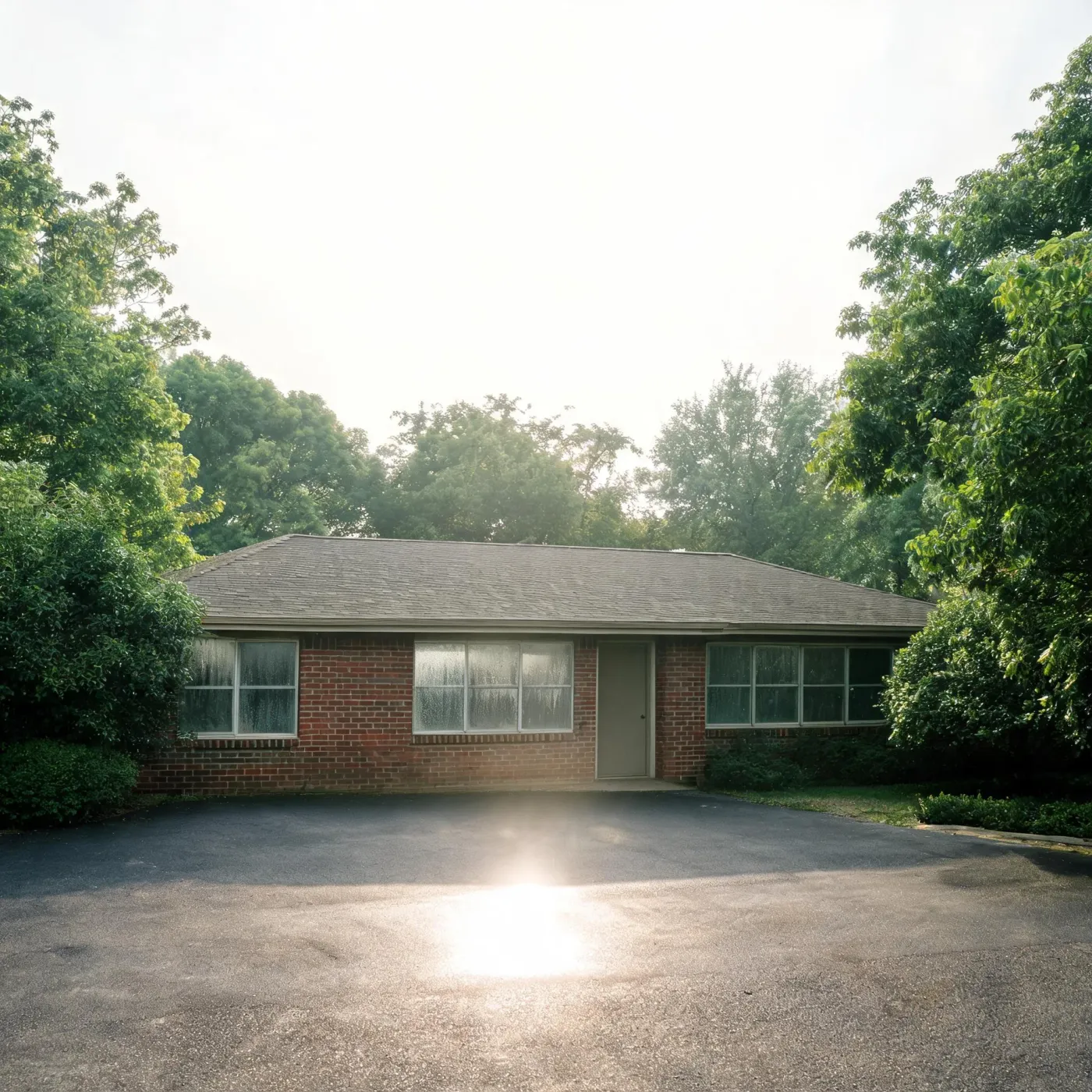
A single-story red brick house with a shingled hip roof, large windows and a central door, fronted by a wide asphalt parking area with sun glare, surrounded by green trees and shrubs.

Summer here isn't what runs your winter bill up, but the same unit does both jobs, and the coil that struggles in a Georgia summer is the one pulling heat out of cold air in January. Averaged across June, July and August, the dew point where Georgia homes sit runs 68°F, heavy enough that the system works to wring moisture out of the air all summer long. That workload adds up on the same coil and the same outdoor unit you're asking to pull heat from cold air months later. A unit that's been straining against thick summer air doesn't get a break before winter asks something harder of it. Source: NOAA climate normals.

NASA POWER T2MDEW county cells weighted by homes

A smiling older woman with short light hair in a beige knit sweater sits in a dimly lit kitchen beside a window at night, with a round loaf of bread on a wooden board in the foreground.
A woman with dark hair in a bun sits on a grey couch holding a sleeping child wrapped in a knit blanket, with a lit lamp and potted plant blurred in the background.

A thermostat set too low to raise

Some homeowners set the thermostat to 68 and leave it, thinking a lower number saves money no matter what. With a heat pump, pushing the setting up several degrees at once on a cold morning can trigger strip heat right when you least want it. A one or two degree bump holds steady heat without forcing the system to make up ground fast. If the house feels cold, raise it a little and give it time. The jump in temperature is what costs you, not the temperature itself. A heat pump that's allowed to climb gradually stays in its efficient mode longer before it needs backup heat to close the gap.

A system that can't keep up on its own

If the air handler runs most of the day and the air from the vents still feels cool, no amount of thermostat patience fixes that. A heat pump that's low on refrigerant, or has a coil that's iced over and not defrosting properly, leans on strip heat far more than it should, even on a mild day in the 40s. That's a repair, not a habit to change. The difference shows up on the bill as strip heat running when the outdoor temperature doesn't call for it. A contractor can check the charge and the defrost cycle and tell you which one is driving the jump.

Power costs 14.74 cents per kilowatt-hour statewide

At 14.74 cents per kilowatt-hour, every hour strip heat runs behind your thermostat shows up clearly on the bill. Electric heat is already the most expensive way to warm a house, and strip heat uses far more power than the heat pump alone, so a few cold nights can move the number a lot.

EIA-861 2025 statewide residential average

A heat pump bill that jumps in January isn't a sign something is broken, but it isn't always just the cold either. When strip heat is filling in for a coil that's choked with dirt or leaves, or a thermostat setting is tripping it on more than it needs to, that's a repair problem, not a weather problem. A technician can check the coil, the airflow, and the defrost cycle, and tell you which one is driving your bill up. If your heat pump is running constantly, blowing cool air, or leaning on strip heat more than a cold snap should call for, that's worth having looked at. Once you send the request, you're done chasing it down. Someone who works on these systems in Georgia homes will reach out, and from there it's their job to find what's pulling the extra power, not yours. You'll still have a winter electric bill. It doesn't have to be one that makes you wonder what went wrong every time it arrives.

A living room corner with a beige upholstered sofa, cushion and knit throw, a potted green plant in a woven basket, a framed botanical print on a taupe wall, and a window with foliage outside.
Sunlit room corner with a paned window, sheer cream curtain, a leafy plant in a woven basket on a wood floor, and a textured jute rug.
Sunlit room corner with a white-framed window overlooking green foliage, a wicker basket holding a cream knit blanket on a wood floor, and a woven rug in the foreground.
A woven basket holding folded cream blankets sits in a corner on a wood floor beside a linen curtain and window, with window-frame shadows cast on the beige wall.
Sunlit room corner with a potted variegated plant in a woven basket on a wood floor, a linen curtain beside a multi-pane window showing green trees, a framed artwork at upper left, and a jute rug in the foreground.

Get your heat pump to the right pro

Send it once and finding someone is no longer on you.

Find a heat pump pro

You're not committing to anything by asking.